Hot Water System Replacement: When to Replace, How to Choose & What to Expect
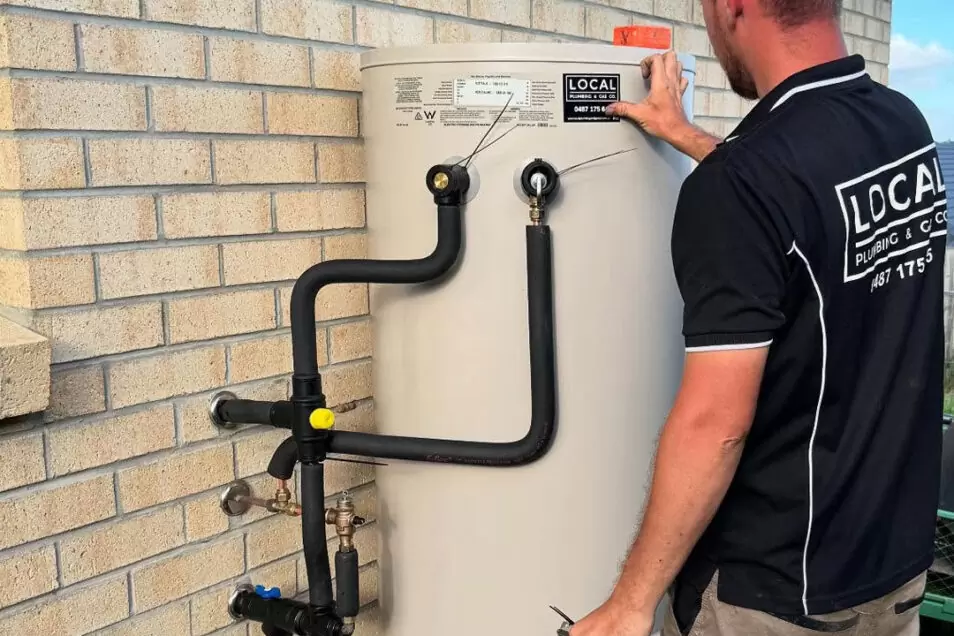
Standing in front of a hot water system that’s reached the end of its life is never convenient. Whether it’s a puddle spreading under the tank, rust-coloured water coming from your taps, or simply running out of hot water faster than ever before, the signs point to one thing: it’s time for a hot water system replacement.
Most hot water systems last between 8 and 15 years depending on the type and how well they’ve been maintained. If you’re a Gold Coast homeowner, you’ll likely face this decision at least once or twice, and when that time comes the choice can feel like a lot to weigh up. Electric, gas, solar, heat pump, instantaneous: each option has different upfront costs, running costs, and suitability for different homes.
As experienced Gold Coast hot water plumbers, we work through this decision with homeowners every week. In this guide, we’ll walk you through when replacing your hot water system makes more sense than repairing it, how to choose the right new system for your household, what happens on the day, and what it costs.
When Do You Need Hot Water System Replacement?
Not every hot water problem requires a complete system replacement. Sometimes a simple repair, whether that is replacing a faulty valve, fixing a connection, or flushing sediment, is all you need. But there are clear signs that repair won’t cut it anymore, and changing your hot water system becomes the smarter choice both financially and practically.
Age is one of the biggest factors. Hot water systems don’t last forever, and once they hit their expected lifespan, efficiency drops and problems multiply fast.
Your System Is 8 to 15+ Years Old
Different systems have different lifespans. Electric and gas storage systems typically last 8 to 15 years. Instantaneous systems can push 15 to 20 years with proper maintenance. Solar hot water systems generally last 15 to 20 years, though the panels often outlast the storage tank. Heat pump systems sit around 10 to 15 years. Even if your older system is still technically working, it’s likely running far less efficiently than modern units, which means higher energy bills every month.
The Tank Has Corroded Through
When rust eats through the tank itself, creating holes or cracks, there’s no repair option. The tank’s structural integrity is compromised and patching won’t hold. You’ll see rust-coloured water, puddles forming under the unit, or damp spots spreading underneath. Once the tank has corroded through, replacement is your only option. If you’re dealing with a leaking tank, our guide to a leaking hot water system explains the warning signs and what to do immediately.
Repeated Expensive Repairs
If you’re calling for repairs every few months, a valve here, a heating element there, a pressure issue next, it’s usually a sign your system is failing overall. When repair costs start adding up to half the price of a new system, replacement makes more financial sense.
Worth knowing before you go looking for a workaround: replacing a heating element or an anode rod is regulated plumbing work in Queensland, not a weekend job. Our guide to whether you can install a hot water system yourself in Queensland sets out what the law actually requires and what voiding your warranty or insurance costs when it goes wrong.
Hot Water Running Out Constantly
Has your family grown since you installed your current system? Kids moved back home? If you’re constantly running out of hot water despite the system working properly, the tank capacity simply doesn’t meet your household’s needs anymore. Upgrading to a larger storage tank or switching to an instant gas hot water system that provides endless hot water solves the problem permanently.
Rusty or Discoloured Water
Brown, orange, or rust-coloured water coming from your hot taps signals interior tank corrosion. This isn’t just unsightly, it’s a health concern. Once corrosion starts inside the tank, it can’t be reversed or repaired. Hot water tank replacement is necessary.
Strange Noises (Rumbling, Popping)
Loud rumbling or popping sounds when your system heats water usually mean sediment has built up and hardened at the bottom of the tank. While flushing can sometimes help in the early stages, persistent noise indicates advanced age and deterioration. The tank is struggling, and replacement is likely on the horizon.
If you’re experiencing urgent hot water problems and need immediate replacement, our article on the signs you need a hot water plumber explains when to call for emergency service.
Replacing a Hot Water System in a Rental Property
If you own or manage a rental, the timing decision is not entirely yours. Under Queensland tenancy law, a failed hot water system is classified as an emergency repair rather than routine maintenance. The Residential Tenancies Authority lists the failure or breakdown of an essential service for hot water among repairs that must be addressed urgently, and if the tenant cannot reach the nominated repair contact they can arrange the work themselves up to the value of four weeks rent.
That changes the maths on an ageing system. A planned replacement on a unit approaching twelve or thirteen years is a scheduled job at a quoted price. The same unit failing on a Sunday becomes an emergency callout you may not have chosen the system for. For investors holding several properties, tracking install dates is usually cheaper than reacting to failures.
Choosing the Right Replacement Hot Water System
When you’re replacing your hot water system, you’ll choose from electric storage, gas (storage or instantaneous), solar, or heat pump systems. Each has different costs, efficiency levels, and suitability for different homes, and if running costs are your main concern, we’ve ranked the most efficient hot water system types for Gold Coast conditions.
Replacement-Specific Considerations
Beyond choosing the right system type, here are factors specific to replacement situations:
- Staying with the same type vs switching: Replacing your electric system with another electric system is straightforward and typically cheaper. Switching types, say electric to gas or gas to solar, requires additional work like running new gas lines or installing solar panels, which increases both time and cost. We’ll advise on what’s involved and whether the long-term benefits justify the extra work.
- Upgrading capacity: Has your family grown since your original system was installed? You might need a larger tank or could benefit from switching to an instantaneous system that never runs out. Conversely, if household size has decreased, you could save money with a smaller, more efficient unit.
- Queensland rebates and federal incentives: Solar and heat pump systems qualify for Small-scale Technology Certificates (STCs) under the federal Small-scale Renewable Energy Scheme. For most Queensland installations the STC discount reduces the upfront cost by $600 to $900, though this is indicative because STC prices move with the market. We apply the discount directly to your installation price, so there is no rebate for you to claim afterwards and no paperwork to manage. Queensland does not currently offer a state-level rebate on top of the federal scheme, unlike Victoria and New South Wales.
- Gold Coast climate advantages: Our sunny subtropical climate makes solar systems particularly effective here. Heat pumps also perform efficiently in our mild winters, and gas systems work reliably year-round regardless of weather conditions.
Cost of Hot Water System Replacement
Hot water system replacement costs vary significantly depending on the type of system you choose, its size, and the complexity of your installation. Our guide to hot water installation costs by system type goes deeper into what drives the final figure. Here is where each system type sits for a supply and install on the Gold Coast:
| System Type | Installed Cost | Upfront vs Running Cost |
| Electric storage | $1,200 to $2,500 | Cheapest to install, most expensive to run |
| Gas storage | $1,400 to $2,800 | Mid-range install, lower running cost than electric |
| Instantaneous gas | $1,800 to $3,500 | Mid-range install, no standing heat loss |
| Heat pump | $3,000 to $5,500 after STC discount | Higher install, significantly lower running cost |
| Solar hot water | $3,800 to $8,000+ | Highest install, lowest running cost |
System types link through to electric, gas, heat pump and solar if you want the detail on any one of them.
What Moves the Price
- Size and capacity. Larger tanks cost more, but the key is right-sizing for your household. A 400-litre tank costs more than a 250-litre system, and if you’re a couple whose kids have moved out, you don’t need that capacity. Oversizing wastes money upfront and on running costs.
- Installation complexity. The figures above reflect standard installations where we’re replacing your system with the same type. Changing system types requires additional work like running new gas lines, upgrading electrical connections, or installing solar collectors. Difficult access, like upper-storey or tight-space installations, adds labour.
- Compliance work identified on the day. All installations must meet Australian Standards and Queensland regulations. Mandatory items include a tempering valve limiting water at the tap to 50°C, a temperature and pressure relief valve, and isolation valves. If the existing tempering valve is absent or non-compliant, it must be rectified before the new system can be commissioned.
- QBCC Form 4 lodgement. Every hot water replacement in Queensland is notifiable work, which means the licensed plumber must lodge a Form 4 with the QBCC on completion. It is a legal requirement rather than an administrative extra, and we handle it on your behalf.
What Hot Water Rebates Are Available in Queensland?
Heat pump and solar hot water systems are eligible for Small-scale Technology Certificates under the federal Small-scale Renewable Energy Scheme. The number of certificates depends on system size, model and location, and the Gold Coast sits in STC Zone 3. For a typical heat pump installation in Queensland the discount is usually $600 to $900, though STC prices fluctuate, so ask us for the value applying at the time of your quote. We apply it directly to your installation price rather than sending you off to claim it later. Queensland closed its Climate Smart Energy Savers appliance rebate in December 2023 and has not replaced it, so the federal scheme is the only incentive currently available to Queensland homeowners.
What to Expect During Hot Water System Replacement
Understanding what happens on the day helps you prepare. We’ve completed hundreds of replacements across the Gold Coast, and the process is the same whether it’s a straight swap or a system type change.
Before the Day
We start by inspecting your current system to confirm it genuinely needs replacing rather than repairing. We assess your home’s setup, including available space, existing connections and access points, then recommend suitable options that match your situation and budget.
Pricing is provided upfront and covers the unit, installation labour, all required valves and fittings, compliance items, removal and disposal of your old unit, and any additional work identified during the assessment. If a system type change means permit work rather than notifiable work, we tell you at that point rather than on the day.
On Installation Day
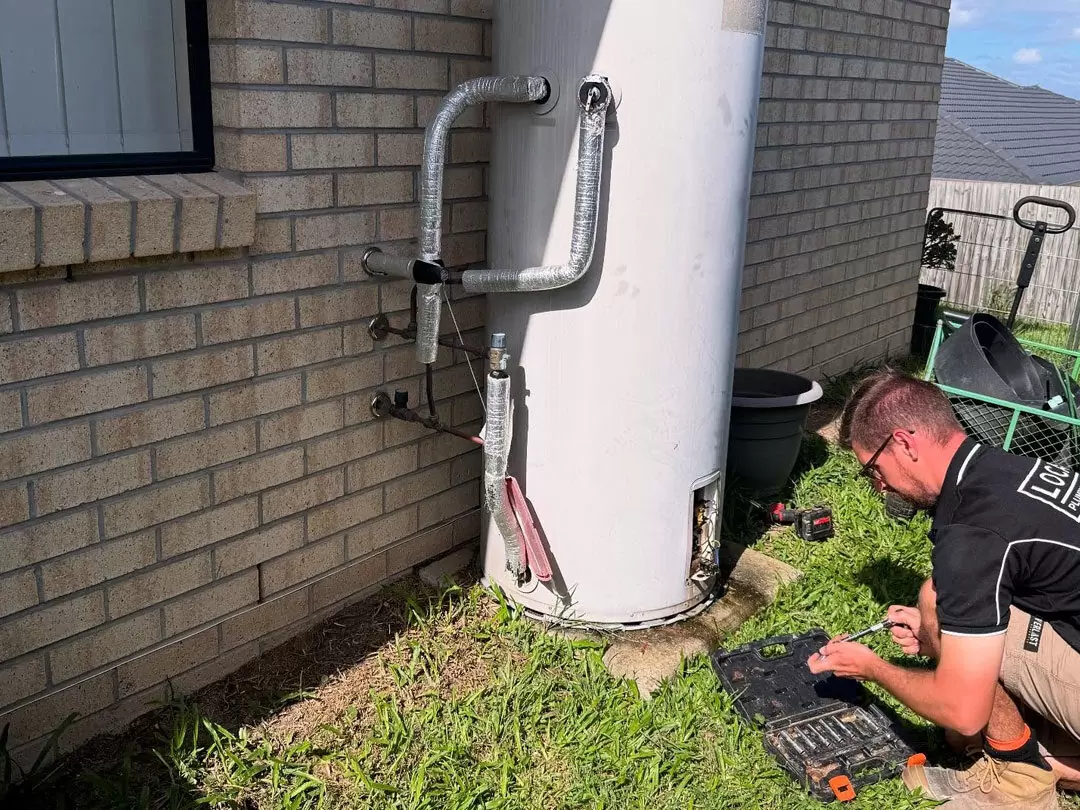
We turn off the water supply and the power or gas to your existing system, then drain and disconnect the old unit and remove it from site for responsible disposal.
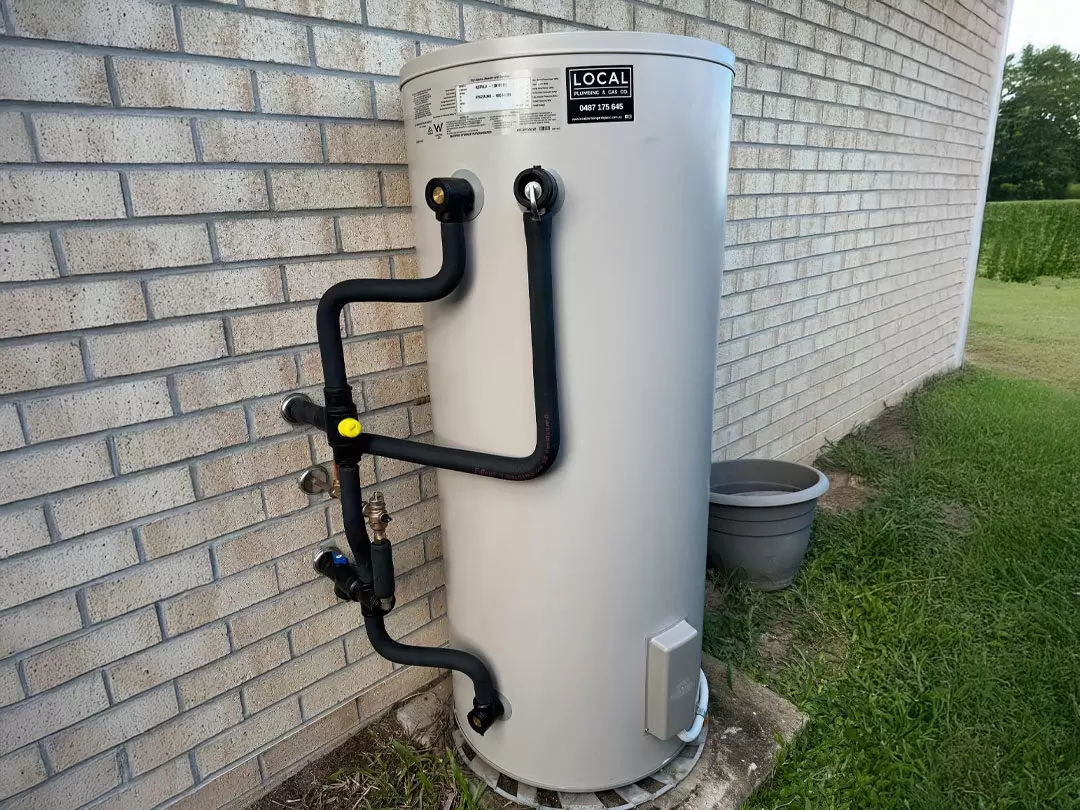
The new system is positioned and connected, and all required safety devices are fitted: the temperature and pressure relief valve, the tempering valve that limits water at the tap to 50°C to prevent scalding, and isolation valves for future maintenance access. We test the system, walk you through operating it, and hand over warranty documentation and compliance certificates before we leave.
How Long It Takes
A standard replacement installing the same type of system typically takes 2 to 4 hours. Changing system type, say electric to gas or installing solar, takes 4 to 6 hours. Complex installations involving relocations or significant upgrades take longer, and we advise on the expected timeframe upfront.
You won’t have hot water while we’re working, though cold water is usually still available. Most installations are completed within half a day, so you’ll be back to normal hot water service by evening.
Hot Water System Replacement FAQs
How long does it take to replace a hot water system?
Most replacements take 2 to 4 hours when the new system is the same type as the old one, because the existing pipework and connections can generally be reused. Changing system type takes 4 to 6 hours, since new gas lines, electrical work or roof collectors are involved. Relocations and complex jobs run longer, and you should expect a timeframe before the work is booked rather than on the day.
How much does it cost to replace a hot water system?
Replacement costs on the Gold Coast run from around $1,200 for a like-for-like electric storage swap to $8,000 or more for a premium solar system. The type of system is the single biggest variable, followed by whether you’re staying with the same type or changing, and whether any compliance work is identified once the old unit comes off. Heat pump and solar installations carry a federal STC discount of roughly $600 to $900 that comes off the installed price.
Should I repair or replace my hot water system?
The decision usually comes down to age and the nature of the fault. A five-year-old system with a failed valve is worth repairing. A twelve-year-old system with the same fault is often not, because you’re spending money on a unit approaching the end of its life anyway. As a rule of thumb, once repair costs pass half the price of a new system, replacement is the better value. Tank corrosion is the exception, since a corroded tank cannot be repaired at any age.
Can I change my hot water system myself?
No. Installing or replacing a hot water system of any type is regulated plumbing work under Queensland’s Plumbing and Drainage Act 2018 and must be carried out by a licensed plumber, with no dollar threshold below which it becomes permissible. Gas systems require a licensed gas fitter as well, and heat pump and solar systems require an additional QBCC qualification. Unlicensed work voids both your manufacturer warranty and, in many cases, your home insurance. Our guide to replacing a hot water system yourself in Queensland covers what the law requires.
What size hot water system do I need?
Sizing follows household size and usage patterns rather than the size of the unit you’re replacing. A 250-litre storage tank suits most households of four, with 125 to 160 litres adequate for one or two people and 315 litres or more for larger families. Continuous flow systems are sized on flow rate rather than capacity, which is why they suit households running showers back to back. If your household has changed size since the original install, replacement is the natural point to correct it.
Get Your Hot Water System Replaced Today
When your hot water system reaches the end of its lifespan, replacing it with the right new system sets you up for years of reliable hot water and lower energy bills. Whether you choose electric, gas, solar, heat pump, or instantaneous, the key is matching the system to your household’s needs and budget.
Our licensed plumbers and gas fitters work with all system types across the Gold Coast, handle the QBCC Form 4 lodgement, and apply the federal STC discount directly to your quote. Most replacements can be completed the same day. Learn more about our hot water systems services on the Gold Coast, or call us on 1800 562 251 for a quote on replacing your system.