Can You Install a Hot Water System Yourself in Queensland?
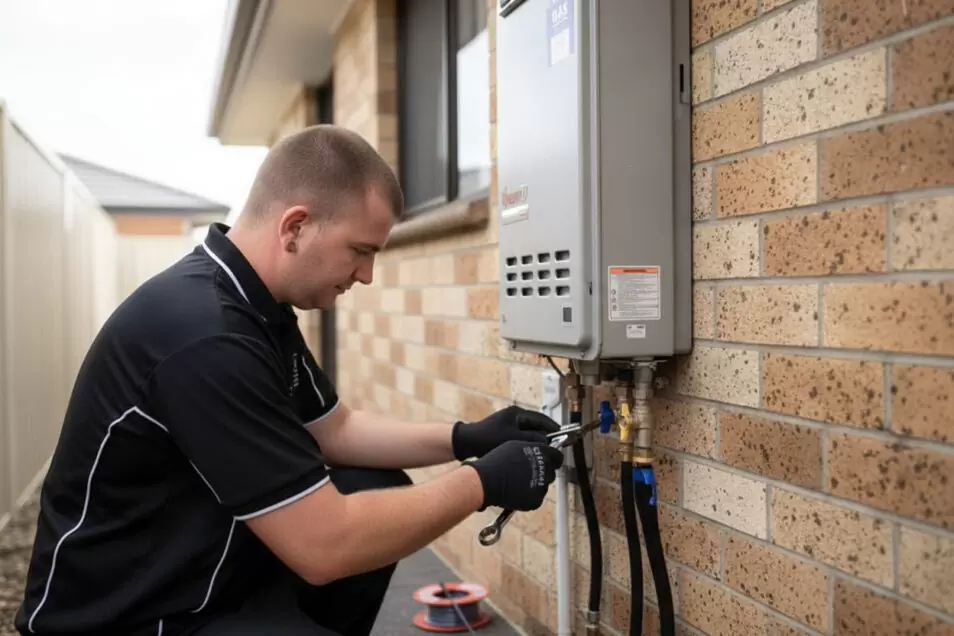
Every time a hot water system fails, the temptation is the same — pull up a YouTube tutorial and see if DIY hot water system installation is something you can tackle yourself to save on labour costs. The short answer is no, and it’s not a grey area.
Installing or replacing a hot water system — electric, gas, heat pump, or solar — is regulated plumbing work under Queensland’s Plumbing and Drainage Act 2018. Regardless of how straightforward the job appears, it must be carried out by a licensed plumber. There are no exceptions based on system type, job complexity, or the dollar value of the work.
This article covers exactly what the law requires for hot water system replacement in Queensland, what happens when unlicensed work is done, what homeowners can legitimately do themselves, and what to look for when choosing a licensed Gold Coast plumber for the job.
Can You Install a Hot Water System Yourself in Queensland?
No — you cannot legally install a hot water system yourself in Queensland. All hot water system installations and replacements are classified as regulated plumbing work under the Plumbing and Drainage Act 2018 and must be carried out by a QBCC licensed plumber.
This applies to every system type — electric hot water, gas hot water, instantaneous gas, heat pump, and solar. It applies whether you’re doing a straightforward like-for-like replacement or a full system upgrade. And unlike some other licensed trades in Queensland, there is no dollar threshold below which unlicensed plumbing work is permitted. The requirement for a licensed plumber applies regardless of the value or complexity of the job.
Hot water installation is classified as notifiable work under Queensland law, which means the licensed plumber must not only carry out the work but lodge a Form 4 with QBCC upon completion — registering that the work has been done and that it is compliant. This lodgement is a legal requirement, not an optional administrative step.
Gas hot water systems add a further requirement: the installer must hold a licensed gas fitter qualification in addition to a plumbing licence. These are separate licences in Queensland, and not all plumbers hold both. For heat pump and solar hot water systems, the installer must also hold a specific QBCC qualification for those system types — again, not every licensed plumber is qualified to install them.
For a full breakdown of what regulated plumbing work requires in Queensland, see the QBCC regulated plumbing work requirements.
What Plumbing Can You Do Yourself in Queensland?
While hot water installation sits firmly in the licensed-only category, Queensland law does permit homeowners to carry out a limited range of unregulated plumbing tasks without a licence. These are defined in Schedule 3 of the Plumbing and Drainage Regulation 2019 and cover minor maintenance only — not installation, replacement, or any work that connects to or alters the plumbing system.
- Replacing a showerhead is permitted, provided the work doesn’t involve altering the plumbing connections behind the wall. A straight swap of the showerhead fitting itself is fine — anything beyond that requires a licensed plumber.
- Changing a tap washer — specifically repairing or replacing a drop valve washer, float valve washer, or suction cup rubber in a toilet cistern — falls within the unregulated work category and can be done by a homeowner.
- Replacing a domestic water filter cartridge — the type typically found under kitchen sinks or connected to a refrigerator — is permitted as minor maintenance.
- Irrigation and lawn watering systems can be installed or maintained by a homeowner, provided the work is downstream from an isolating valve or backflow prevention device on the supply pipe.
That’s essentially the full extent of it. Installing, replacing, or relocating a hot water system of any type sits well outside this list. So does any work involving pipework, gas fittings, drainage connections, or the installation of any plumbing fixture or appliance. If the work touches the water supply system or drainage in any meaningful way, it’s regulated work and requires a licensed plumber.
For the complete list of what qualifies as unregulated work in Queensland, see the QBCC unregulated plumbing guide.
What Are the Rules for Hot Water Systems in Queensland?
Hot water system installation is classified as notifiable work in Queensland, which means it must be carried out by a licensed plumber and registered with the QBCC upon completion.
Here’s what the compliance framework requires:
- A current QBCC licence is required for all regulated plumbing and drainage work, including hot water installation. Before booking any plumber, verify their licence is current via the QBCC licence register — a licence number should appear on any quote or invoice without you needing to ask for it.
- Form 4 notifiable work lodgement must be completed once the installation is finished. Your plumber is legally required to lodge this form with QBCC registering the completed work — it’s not an optional administrative step, it’s part of a compliant installation. Our team handles this on the homeowner’s behalf as a matter of course.
- A tempering valve is mandatory on all hot water installations in Queensland under AS/NZS 3500.4, limiting water temperature at the tap to a maximum of 50°C. This is a safety requirement to prevent scalding, not a recommendation — and if the existing valve is absent or non-compliant, it must be rectified before the new system is commissioned.
- A certificate of compliance is issued by the installer upon completion, confirming the work meets all relevant standards. This document matters beyond the installation itself — it’s important for home insurance purposes and is typically required documentation when selling the property. If an installer doesn’t offer one, that’s a red flag.
- Gas hot water systems require an additional licence. Installation must be carried out by a licensed gas fitter — a separate qualification from a standard plumbing licence in Queensland. Our team holds both, which means gas hot water installations are handled entirely in a single visit without subcontracting.
- Heat pump and solar systems require a specific QBCC qualification beyond a standard plumbing licence. Not all qualified plumbers hold this — it’s worth confirming before booking any installer for these system types. Our licensed hot water plumbers are qualified across all hot water system types including heat pump and solar.
For a full overview of Queensland’s hot water compliance requirements, see Queensland plumbing laws and the plumbing and drainage laws register on Business Queensland.
What Are the Risks of Unlicensed Hot Water Installation?
The requirement for licensed installation isn’t bureaucratic box-ticking — it exists because hot water systems involve pressurised water, electrical connections, gas lines, and scalding risk. Getting it wrong has real consequences.
- It’s illegal. Carrying out or arranging unlicensed plumbing work in Queensland is an offence under the Plumbing and Drainage Act 2018, and penalties include substantial fines. There is no minimum dollar threshold that makes DIY hot water system installation in Queensland permissible — the requirement for a licensed installer applies to every job, regardless of size or complexity.
- Home insurance may be voided. If an unlicensed installation causes water damage or another insurable event, insurers can — and do — reject claims on the grounds that the work wasn’t carried out by a licensed professional. The resulting out-of-pocket costs can far exceed whatever was saved on labour.
- Manufacturer warranty is voided from day one. Major brands including Rheem, Rinnai, Dux, and Stiebel Eltron require licensed installation as a condition of the product warranty. An unlicensed installation voids that warranty immediately — meaning any fault or failure, regardless of cause, becomes the homeowner’s cost to fix.
- Property sale complications. Unlicensed plumbing work is routinely identified during pre-purchase building inspections and conveyancing checks. Sellers can be required to have the work properly rectified by a licensed plumber — with a certificate of compliance — before settlement can proceed. What seemed like a saving at the time of installation can become a significant complication and cost at the point of sale.
- Safety risks are real. Improper hot water installation can result in scalding from a missing or non-compliant tempering valve, water damage from incorrectly fitted valves or connections, gas leaks from poorly connected gas lines, or electrical hazards from non-compliant wiring. These aren’t edge cases — they’re the reason the licensing requirement exists in the first place.
What to Look for When Hiring a Licensed Hot Water Plumber on the Gold Coast
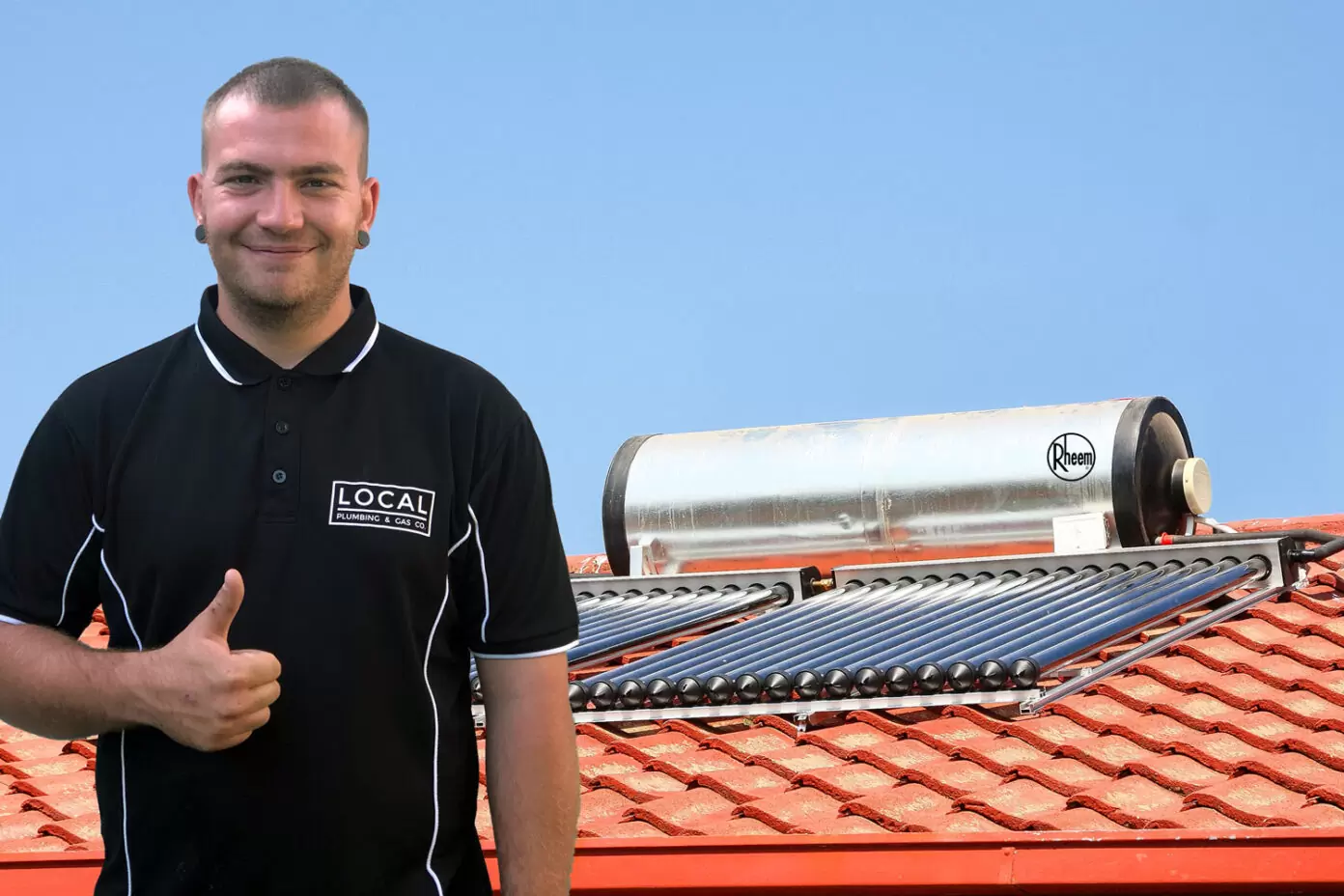
The job needs a licensed plumber — that much is established. The next question is which one. Not all licensed plumbers are equal — particularly for heat pump and solar installations, which require additional qualifications beyond a standard plumbing licence.
- Verify the licence before booking. Check the plumber’s licence is current via the QBCC licence search — it takes less than a minute. A licence number should appear on any quote or invoice without you needing to ask for it. If it doesn’t, that’s worth querying before proceeding.
- Confirm qualifications for heat pump and solar. A standard plumbing licence doesn’t automatically cover heat pump or solar hot water installations — these require a specific QBCC qualification. If that’s the system type you’re installing, confirm the qualification before booking. Our team is fully qualified across all system types including heat pump and solar.
- Check the gas fitting licence separately. For gas hot water systems, the installer needs a current gas fitting licence in addition to their plumbing licence. These are separate qualifications in Queensland — not every licensed plumber holds both. Our team does, which means gas hot water installations are handled in a single visit.
- Ask about Form 4 lodgement. A compliant installer lodges the Form 4 notifiable work registration with QBCC on completion as standard — it’s a legal requirement, not an extra. If an installer suggests this step isn’t necessary or isn’t their responsibility, treat it as a red flag.
- Confirm whether old system removal is included. Not all installers include removal and disposal of the old unit in their base price. It’s worth confirming upfront so there are no surprises on the day. Our team includes removal and disposal as standard.
- Check whether there’s a call out fee. Most plumbers charge a fee just to attend and quote. Our team doesn’t — there’s no cost to get a site-specific quote for your Gold Coast hot water installation.
If you’re also weighing up system types and want to understand what each option costs to supply and install, our guide to hot water system installation cost on the Gold Coast covers indicative pricing across all system types.
Get Your Hot Water System Installed Correctly on the Gold Coast
Hot water installation in Queensland isn’t a job for a YouTube tutorial — it’s regulated work that requires a licensed plumber, specific qualifications for heat pump and solar systems, and Form 4 lodgement with QBCC on completion. Getting it done correctly the first time protects your home, your warranty, and your insurance.
Our team are licensed plumbers and gas fitters, fully qualified across all hot water system types including heat pump and solar installations. Form 4 notifiable work lodgement and a certificate of compliance are provided as standard on every job — not as extras. We supply and install all major brands including Rheem, Rinnai, Dux, Stiebel Eltron, iStore, Reclaim Energy, Bosch, and Thermann, with same-day installation available for like-for-like replacements. And with a $0 call out fee, there’s no charge to have us assess your existing system and provide a fixed quote.
For a complete walkthrough of the installation process and what Queensland compliance requires from start to finish, read our guide to hot water system installation on the Gold Coast. When you’re ready to book or just want a no-obligation quote, contact us — $0 call out fee, no obligation.