How Much Does Hot Water System Installation Cost on the Gold Coast?
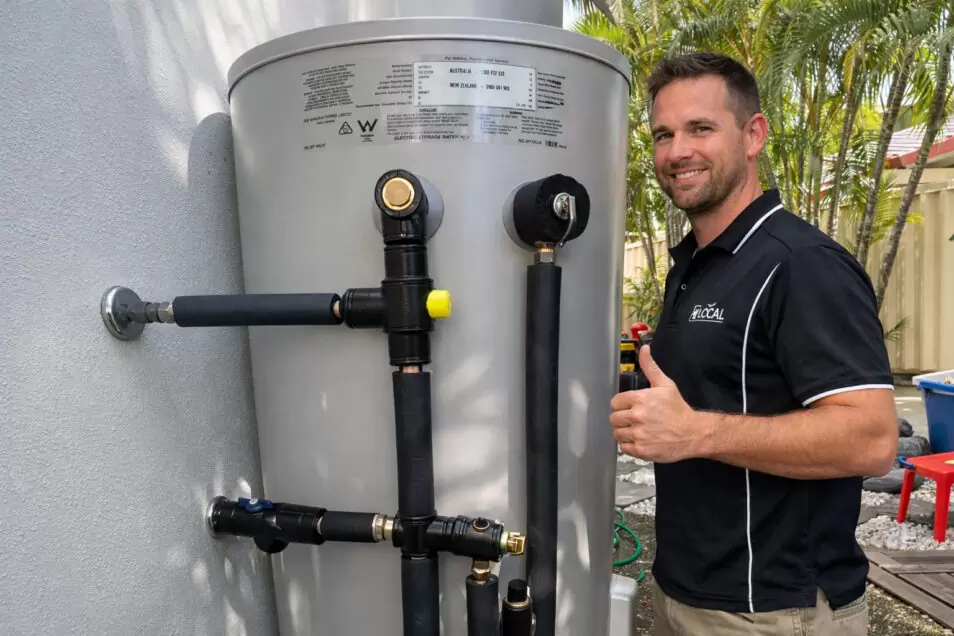
Hot water systems are one of those things Gold Coast homeowners rarely think about — until the morning comes when there’s no hot water and a decision needs to be made quickly. Whether you’re replacing a failed unit or planning ahead, the first question is almost always the same: how much does hot water system installation cost?
The honest answer is that it depends. System type, capacity, existing infrastructure, and installation complexity all affect the final price. But that doesn’t mean you have to go in blind. This guide breaks down indicative hot water supply and install costs for every system type available on the Gold Coast — electric, gas, instantaneous, heat pump, and solar — and explains what drives prices toward the lower or higher end of each range. We also cover Gold Coast-specific factors, including natural gas availability, Queensland compliance requirements, and the federal STC discount that reduces the upfront cost of heat pump and solar installations.
Local Plumbing & Gas Co. is a licensed plumber servicing the Gold Coast and is qualified to supply and install all hot water system types. With a $0 call-out fee, our team can assess your existing setup and provide an accurate, obligation-free quote — so you know exactly where your installation stands before committing to anything.
How Much Does Hot Water System Installation Cost? Quick Answer
The cost of hot water system installation on the Gold Coast ranges from around $1,200 for a straightforward electric hot water replacement to $8,000+ for a premium solar hot water system. The type of system is the single biggest variable in what you’ll pay to supply and install — the table below gives indicative prices for each system type in the local market.
| System Type | Typical Installed Cost — Gold Coast (2025–26) |
| Electric storage | $1,200 – $2,500 |
| Gas storage | $1,400 – $2,800 |
| Instantaneous gas | $1,800 – $3,500 |
| Heat pump | $3,000 – $5,500 (after STC discount) |
| Solar hot water | $3,800 – $8,000+ |
All figures are indicative installed costs for the Gold Coast/SEQ market, 2025–26, based on current industry pricing data including the Solar Choice national installer network (March 2026). A like-for-like replacement sits at the lower end of each range — switching system type, relocating the unit, or additional compliance work will add cost. Every home is different, and the only accurate figure is one based on a site assessment.
With a $0 call out fee, our team can assess your home and provide an accurate quote at no charge. Contact us to get a site-specific hot water installation cost for your Gold Coast property.
What’s Included in a Hot Water System Installation Cost?
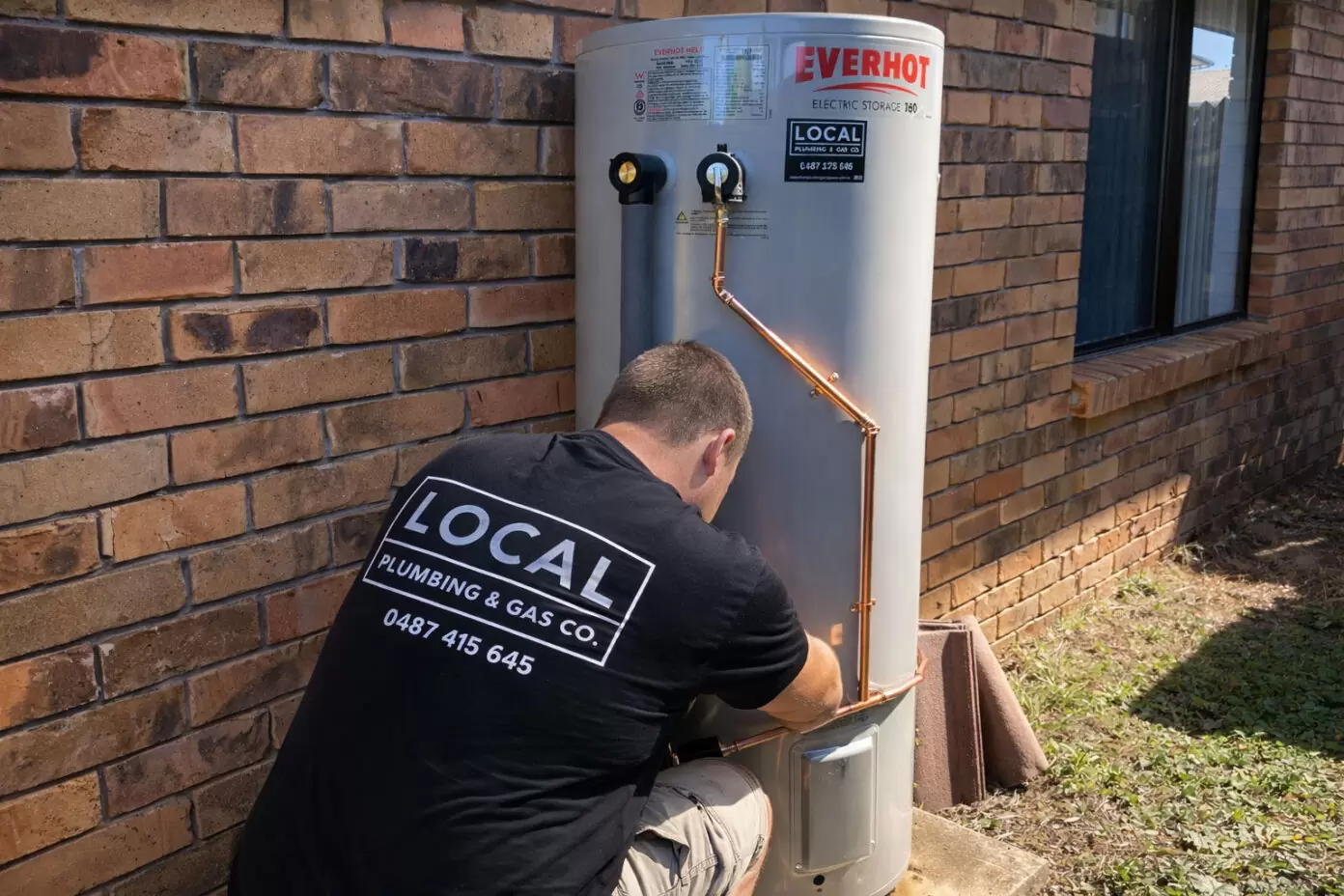
The supply and install price covers more than the unit itself. Understanding what’s included — and what can add to the cost of hot water system installation — helps you compare quotes accurately and avoid surprises on the day.
- The unit itself is the largest cost variable in any hot water system replacement. Brand, capacity, and system type all affect unit price significantly — a 250L Rheem electric storage unit costs considerably less than a 270L Stiebel Eltron or iStore heat pump. This is why two quotes for the same job can look very different depending on which brand and model the installer has specified.
- Labour is charged at standard licensed plumber rates and varies with installation complexity. A like-for-like replacement typically takes 2–3 hours for electric or gas storage, 3–5 hours for a heat pump, and 4–6 hours for a solar system. More complex jobs — switching system type, relocating the unit, or dealing with difficult access — take longer and cost more.
- Tempering valve installation or replacement is mandatory under AS/NZS 3500.4 in Queensland, limiting water temperature at the tap to a maximum of 50°C. If the existing valve is absent or non-compliant, replacement is required before the new system can be commissioned — typically $250–$400. Our team identifies this on arrival and confirms the cost upfront before any work begins.
- Safety and isolation valves — including pressure relief valves and cold water expansion valves — are required under QBCC guidelines and AS/NZS 3500. For standard installations these are included in the base supply and install price rather than charged as extras.
- Old system removal and disposal is included as standard by our team. Not all installers include this — it’s worth confirming before you book, as disposal of an old hot water system is not a trivial task.
- Form 4 (notifiable work) lodgement is a QBCC requirement for all hot water system replacements in Queensland. Our licensed plumbers handle this paperwork on the homeowner’s behalf at no additional charge — it’s part of a compliant installation, not an optional extra.
For like-for-like hot water replacements, all of the above is typically priced into a standard quote. Complexity — and cost — increases when switching system type, relocating the unit, or when additional compliance work is identified on the day.
Hot Water Installation Cost by System Type (Gold Coast)
The system type is the biggest single factor in installed cost. Here’s what each option typically costs to supply and install on the Gold Coast, and what influences the price within each range.
Electric Storage Hot Water System Installation Cost
For a standard like-for-like replacement, electric storage hot water system installation cost on the Gold Coast typically falls between $1,200 and $2,500 — making it the most affordable entry point of all system types.
Electric storage is the most straightforward installation available. Existing wiring and plumbing connections are typically reusable, which keeps labour time and cost to a minimum. Capacity is the main variable within the price range — systems run from 125L (suitable for one to two people) through to 315L and above for larger households. A 250L hot water system is the most common size for a family of four and sits in the mid-range of installed costs. Upgrading to a larger capacity at the same time adds unit cost but doesn’t significantly increase labour, so it can be worth considering if the household has grown since the original system was installed.
Brands like Rheem, Dux, and AquaMax offer reliable electric storage options across this price range, with differences in tank warranty, element configuration, and energy efficiency rating affecting unit price.
For Gold Coast homeowners keeping an electric storage system, connecting to the Energex controlled load (off-peak tariff) is the single most effective way to reduce running costs without changing the unit. Electric hot water on a standard tariff is the most expensive of all system types to run — that’s worth factoring into the total cost picture alongside the lower upfront installation cost.
For more information, including same-day supply and install across the Gold Coast, visit our electric hot water systems page.
Gas Hot Water System Installation Cost
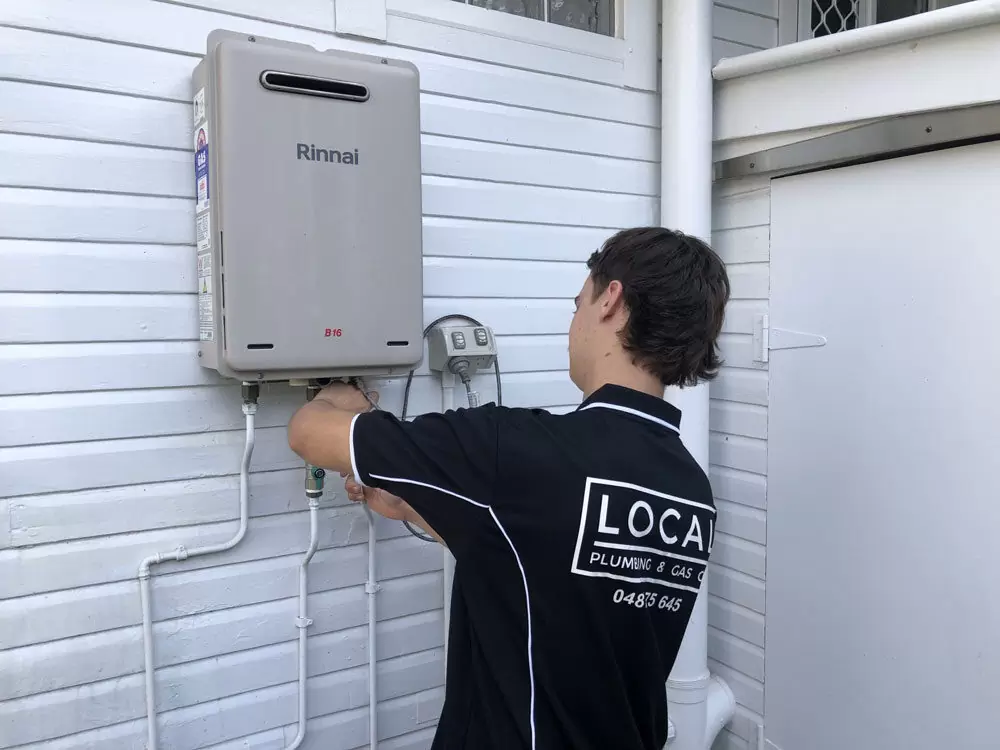
Gas hot water system installation cost on the Gold Coast sits in two distinct ranges depending on system type: $1,400–$2,800 for gas storage and $1,800–$3,500 for instantaneous gas (also known as continuous flow).
Of the two, instantaneous gas hot water is the more popular choice in renovations and new installations. There’s no storage tank, no standing heat loss, and no risk of running out — the system heats water on demand for as long as you need it. Gas storage systems are simpler and sit at a lower price point, but the ongoing heat loss from keeping a full tank at temperature makes them less efficient to run than continuous flow over time.
One important Gold Coast caveat: natural gas is not connected to all Gold Coast suburbs. If your property doesn’t have a natural gas connection, LPG is an alternative — but LPG hot water carries higher running costs and comes with specific installation requirements around cylinder storage and ventilation that can add to the upfront cost. It’s worth confirming your gas supply situation before committing to a gas system type.
Where a gas hot water system is being installed for the first time — switching from electric, for example — a new gas line will be required. Depending on the distance from the meter to the installation point, this typically adds $400–$1,200 to the total cost.
Gas also has a practical advantage that’s particularly relevant on the Gold Coast: it works during power outages. For households that lose power during storm season, a gas hot water system continues operating unaffected.
Our team holds both a QBCC plumbing licence and a licensed gas fitter qualification — covering both trades in a single visit rather than coordinating a subcontractor, which keeps the installation straightforward and avoids additional cost and delays.
For full details on our gas hot water installation services across the Gold Coast, including both gas storage and continuous flow systems, visit our gas hot water systems page.
Heat Pump Hot Water System Installation Cost
Heat pump hot water system installation cost on the Gold Coast typically falls between $3,000 and $5,500 after the federal STC discount is applied. Based on the Solar Choice national installer network — which tracks real quotes from vetted installers across Australia — the average installed cost for a heat pump in Queensland as of March 2026 is $4,014 including STCs and basic installation.
That figure already accounts for the Small-scale Technology Certificate (STC) discount under the federal Small-scale Renewable Energy Scheme (SRES). Our team applies this discount directly to the installation price on the homeowner’s behalf — there’s no paperwork to manage and no rebate to claim after the fact. For most Queensland installations, the STC discount reduces the upfront cost by $600–$900, though this is indicative — STC prices fluctuate with the market, so we recommend asking for the current discount value at the time of your quote.
It’s also worth clarifying something that a number of articles get wrong: Queensland does not currently offer a state-level rebate on heat pump hot water installations on top of the federal STC scheme. Unlike Victoria and New South Wales, where homeowners can stack state and federal incentives, Queensland homeowners have access to the federal STC discount only. Going in with accurate expectations matters when you’re comparing quotes.
The higher upfront cost of a heat pump compared to an electric storage system is offset by significantly lower running costs. The payback period for most Gold Coast households is typically four to six years — after which the energy savings compound for the remaining lifespan of the system, which is generally ten to fifteen years with proper maintenance.
The Gold Coast climate works strongly in favour of heat pump performance. Warm year-round temperatures mean the system extracts heat from the ambient air efficiently throughout the year and rarely needs to rely on its backup electric element — unlike cooler climates where the element activates more frequently and erodes efficiency gains. For brands like iStore, Stiebel Eltron, Reclaim Energy, and Rheem heat pump systems, the Gold Coast is close to an ideal operating environment.
One site requirement to be aware of: heat pump units need adequate clearance and ventilation around the outdoor unit for effective heat exchange. Our team confirms site suitability at the quote stage, before any installation is booked.
For more on our heat pump hot water installation across the Gold Coast, including current STC pricing and available models, visit our heat pump hot water systems page.
Solar Hot Water System Installation Cost
Solar hot water system installation cost on the Gold Coast ranges from $3,800 to $8,000+ — the widest range of any system type, and for good reason. Solar systems vary significantly in configuration, and the combination you choose has a substantial impact on the installed price.
The two main configurations are roof-mounted (close-coupled) and split systems. A roof-mounted solar hot water system, where the storage tank sits directly above the collectors on the roof, typically costs $3,800–$6,500 installed. Split system solar, where the tank is located at ground level and water is pumped up to the roof collectors, typically runs $4,500–$8,000+ — the higher cost reflecting the additional complexity of the pumped circuit and ground-level tank installation. Both configurations are available with either electric-boosted or gas-boosted backup, with gas-boosted split systems sitting at the upper end of the range.
Solar is the most complex installation of all system types. A full installation involves roof assessment for structural suitability and orientation, collector mounting, tank placement, booster connection, plumbing connections, and Form 4 notifiable work lodgement with QBCC. It is also the installation that most benefits from a thorough site assessment — a north-facing roof with minimal shading is required for optimal collector performance, and our team confirms suitability before any work is booked.
The STC discount under the federal Small-scale Renewable Energy Scheme applies to solar hot water systems, reducing the upfront cost in the same way it does for heat pump installations. The exact discount depends on system size and current STC prices — our team applies this directly to the installation price.
For long-term running costs, solar hot water is the strongest performer of all system types in the Gold Coast climate. Consistent sun exposure throughout the year means the electric or gas booster activates infrequently — in many cases only during extended overcast periods. Brands like Solahart, Rheem Solar, and Apricus are well established in the Australian market and perform reliably in Queensland conditions.
For more on our solar hot water installation services across the Gold Coast, including roof assessment and current STC pricing, visit our solar hot water systems page.
What Makes Hot Water Installation More Expensive?
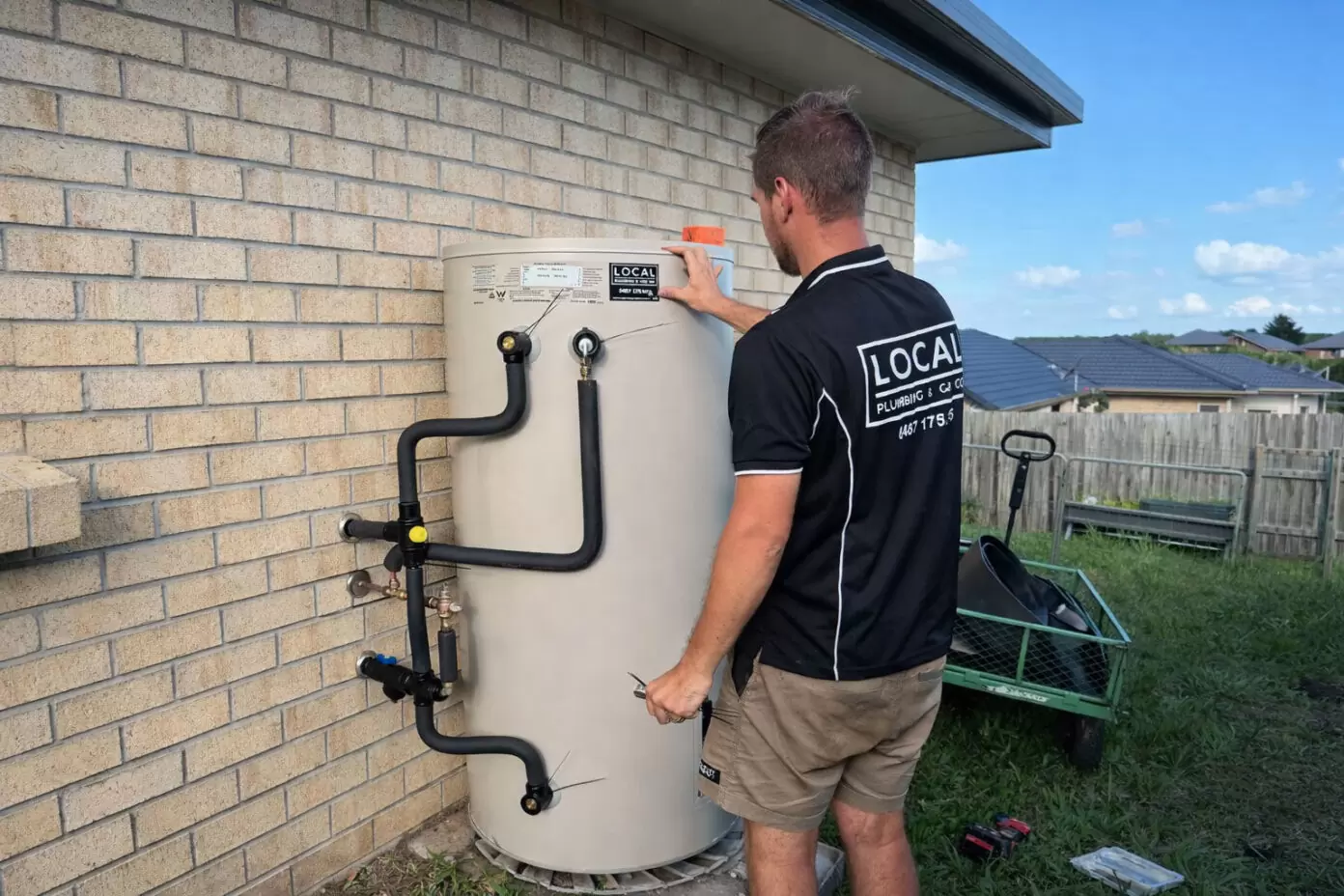
The ranges above assume a standard like-for-like replacement in an accessible outdoor location with existing compliant infrastructure. Several factors push the final hot water system installation cost higher — most are identified during the site assessment, before any work begins.
- Switching system type is one of the most common reasons a quote comes in above the base range. Moving from electric to gas, electric to heat pump, or any configuration that requires new connections involves additional trades, new infrastructure, and in some cases permit work under Form 1 rather than simply notifiable work under Form 4. Depending on what’s involved, switching system type typically adds $500–$2,000 or more to the installation cost — and it’s why a site assessment matters before any figures are confirmed.
- Relocating the unit to a new position on the property requires new plumbing and electrical runs to reach the new location. This is more common than many homeowners expect — particularly when upgrading from a small electric unit to a heat pump that needs more space and ventilation clearance. Relocation typically adds $300–$800 or more depending on the distance and what services need to be extended.
- Tempering valve non-compliance is identified on arrival at a significant number of jobs. If the existing valve is absent, failed, or no longer compliant with current standards, replacement is mandatory before the new system can be commissioned. This adds $250–$400 to the job. As a QBCC licensed plumber, our team is required to identify and rectify non-compliance — we confirm this cost upfront rather than presenting it as a surprise at the end of the job.
- Gas line modifications — whether running new pipework for a system type change or extending an existing line to reach a new installation point — add $400–$1,200 depending on distance. This is a separate cost from the hot water system installation itself and requires licensed gas installation work.
- Difficult site access adds labour time regardless of system type. Roof-mounted solar installations, restricted under-house access on older Queenslander-style homes, or elevated installations all take longer than a standard external ground-level job. Installation complexity of this kind is assessed at the quote stage so there are no unexpected labour charges on the day.
- Asbestos insulation on older systems is an issue that requires careful handling. Some older hot water systems — particularly those installed before the mid-1980s — have asbestos insulation around the tank. Licensed asbestos removal is required before the old unit can be removed, and this must be carried out by a separate licensed contractor. The cost is typically $400–$800 or more depending on the extent of the material. Our team will identify this during the site assessment and coordinate licensed removal if required, before installation proceeds.
Our team confirms any additional costs upfront before work begins — so you have a clear, fixed price for the total hot water installation cost before we start.
Does Hot Water Installation Cost More on the Gold Coast?
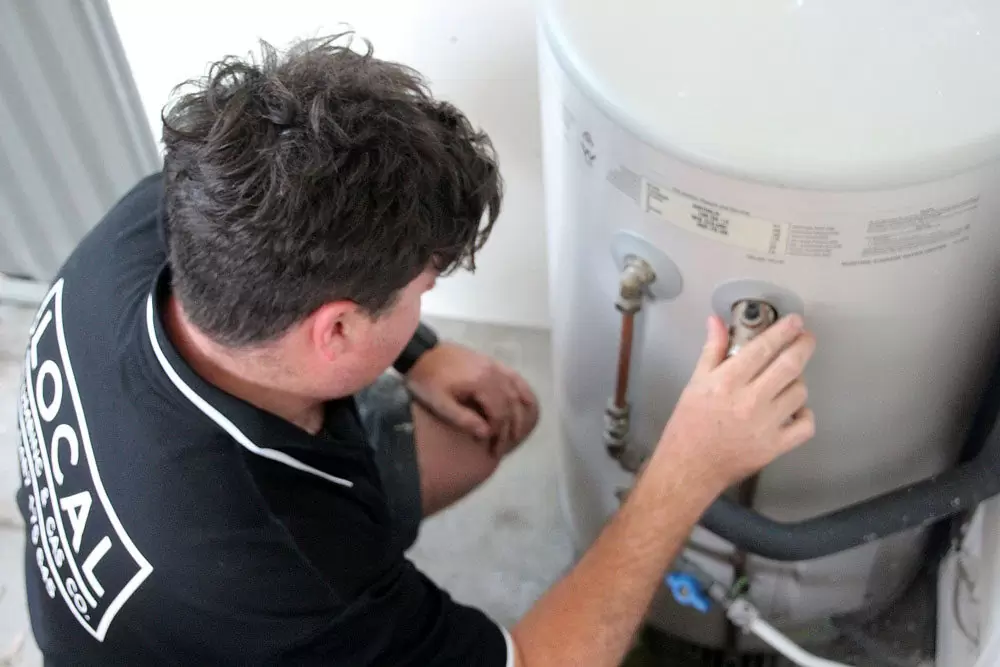
Gold Coast labour rates are broadly consistent with the wider south-east Queensland market — there’s no meaningful premium over Brisbane for standard hot water installation on the Gold Coast. That said, a few local factors can affect the final cost depending on your specific property and location.
LPG dependency in suburbs without a natural gas connection adds to both installation requirements and long-term running costs. Older Queenslander-style homes can present restricted under-house access that adds labour time to any installation. And for properties in beachside suburbs, the coastal environment is worth factoring in — corrosion-resistant materials and appropriate mounting for externally installed units are worth discussing with your installer at the quote stage.
As local Gold Coast hot water plumbers, our team understands these site-specific variables. With a $0 call out fee, there’s no cost to have us assess your property and provide an accurate, location-specific quote — market ranges are a useful starting point, but accurate hot water installation cost for your Gold Coast home requires a site visit.
Upfront Installation Cost vs. Long-Term Running Cost
The cheapest system to install is rarely the cheapest system to run. When the decision is made on upfront cost alone, an electric storage system looks like the obvious choice — but over a ten-year lifespan, the difference in household energy bills between an electric storage system and a heat pump is substantial enough to more than offset the higher installation cost.
| System Type | Typical Installed Cost (Gold Coast) | Approx. Annual Running Cost |
| Electric storage (standard tariff) | $1,200 – $2,500 | $600 – $900/yr |
| Electric storage (off-peak tariff) | $1,200 – $2,500 | $350 – $550/yr |
| Gas storage | $1,400 – $2,800 | $400 – $600/yr |
| Instantaneous gas | $1,800 – $3,500 | $350 – $500/yr |
| Heat pump | $3,000 – $5,500 | $300 – $400/yr |
| Solar hot water | $3,800 – $8,000+ | $100 – $250/yr |
Running cost estimates are indicative for a typical Gold Coast family of four, 2025–26. Actual costs vary with household usage, energy tariff, and system size.
Electric storage on a standard tariff sits at the top of the running cost table — the most expensive of all system types to operate in terms of ongoing household energy bills. Connecting to the Energex off-peak tariff brings this down meaningfully, but it doesn’t close the gap with a heat pump or solar system. A heat pump delivers roughly 60% lower running costs than electric storage on a standard tariff, with a payback period on the higher upfront installation cost of typically four to six years in south-east Queensland. After that point, the long-term savings compound for the remaining life of the system.
Solar hot water carries the highest upfront installation cost but the lowest running costs of any system type — particularly in Queensland’s climate, where consistent sun exposure keeps the booster infrequently activated. The STC incentive under the federal Small-scale Renewable Energy Scheme reduces the upfront gap, and the total cost of ownership over fifteen or more years makes it a strong long-term investment for properties with suitable roof space.
Choosing the right hot water system isn’t just about minimising the hot water system installation cost today — it’s about minimising the total cost of ownership over the life of the system, factoring in running costs, payback period, and the carbon footprint of your hot water heating. For a full breakdown of efficiency and running costs by system type, see our guide to most energy-efficient hot water systems for Gold Coast homes.
For everything you need to know about the installation process, Queensland compliance requirements, and what to expect on the day, read our Ultimate Guide to Hot Water System Installation.
Get an Accurate Quote for Your Gold Coast Hot Water Installation
Indicative cost ranges give you a useful starting point, but the only accurate hot water system installation cost for your Gold Coast home is one based on a site-specific assessment. System size, existing infrastructure, access, and any compliance work all affect the final price. With a $0 call out fee, there’s no cost to find out exactly where your installation sits within these ranges.
Our team supplies and installs all system types across the Gold Coast — electric storage, gas storage, instantaneous gas, heat pump, and solar hot water — sourcing from major brands including Rheem, Rinnai, Dux, Stiebel Eltron, iStore, Reclaim Energy, Bosch, and Thermann. For like-for-like replacements on electric, gas, and instantaneous systems, same-day installation is available. For heat pump and solar hot water installations, we manage the STC paperwork on your behalf, applying the federal discount directly to the installation price so there’s nothing for you to organise. As QBCC licensed plumbers and gas fitters, fully qualified for heat pump and solar installations, we handle everything from the initial site assessment through to certificate of compliance.
When you’re ready to get an accurate hot water installation cost for your Gold Coast home, contact our team — no call out fee, no obligation.