How to Know If Your Sewer Line Needs Repair
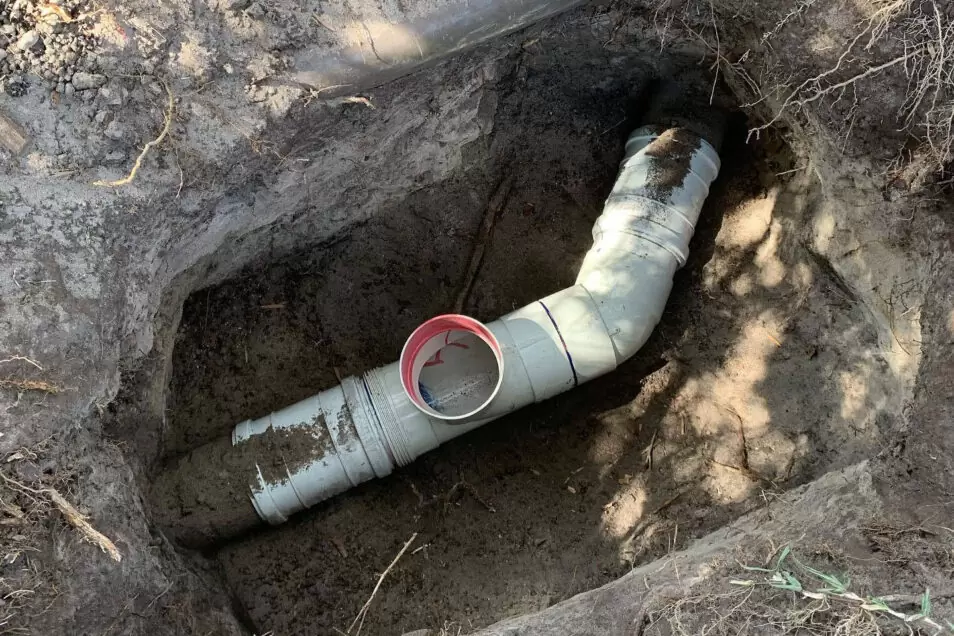
Sewer line damage on the Gold Coast rarely announces itself with a dramatic failure. It builds gradually — a drain that blocks a little more often each month, a smell that appears after heavy water use and then clears, a patch of lawn that stays greener than the rest. These are repair signals, and they appear long before the sewer line reaches the point of full backup or collapse.
The problem is that most of these signs are easy to dismiss or temporarily fix. A recurring blockage clears with plunging. A slow drain improves after a jetting job. The smell goes away. But if the pattern keeps repeating, the pipe — not what’s being flushed — is the issue. Continuing to clear a symptom without assessing the underlying cause is how a manageable sewer line repair becomes an emergency excavation job.
This guide covers the warning signs that point to sewer line damage requiring repair, why Gold Coast properties are particularly vulnerable, and how our Gold Coast plumbers diagnoses and fixes the problem before it escalates.
Sewer Line Damage vs. a Simple Blocked Drain
Most drains block at some point. A buildup of debris, a wipe that shouldn’t have been flushed, a small accumulation of grease at a joint — these are surface-level problems that respond to clearing and don’t come back. A one-off blocked drain is not a broken sewer line. On the Gold Coast, where tree root growth, aging clay pipe infrastructure, and coastal conditions accelerate pipe deterioration, the two are worth understanding separately.
A broken sewer line on the Gold Coast is something different. The blockage isn’t the problem — it’s a symptom of one. A cracked pipe section catches debris with every flush. A root mat that’s established itself inside the line traps waste until the drain slows or stops. A sagging pipe creates a low point where solids pool and accumulate regardless of flushing habits. In each case, clearing the drain restores flow temporarily. But the underlying structural issue remains, and the blockage returns — days later, weeks later, reliably — because nothing about the pipe has changed.
The pattern is the tell. A drain that clears with jetting or plunging but blocks again within a short period is not a flushing habits problem and it’s not bad luck. It’s a sewer line that needs to be assessed, not cleared again. Drain clearing and drain repair are different jobs, and confusing one for the other is how minor structural damage becomes a major repair over time.
For a full breakdown of what drives recurring blockages in Gold Coast sewer lines, our guide to causes of blocked sewer pipes covers the underlying factors in detail.
Warning Signs for Needed Sewer Line Repairs
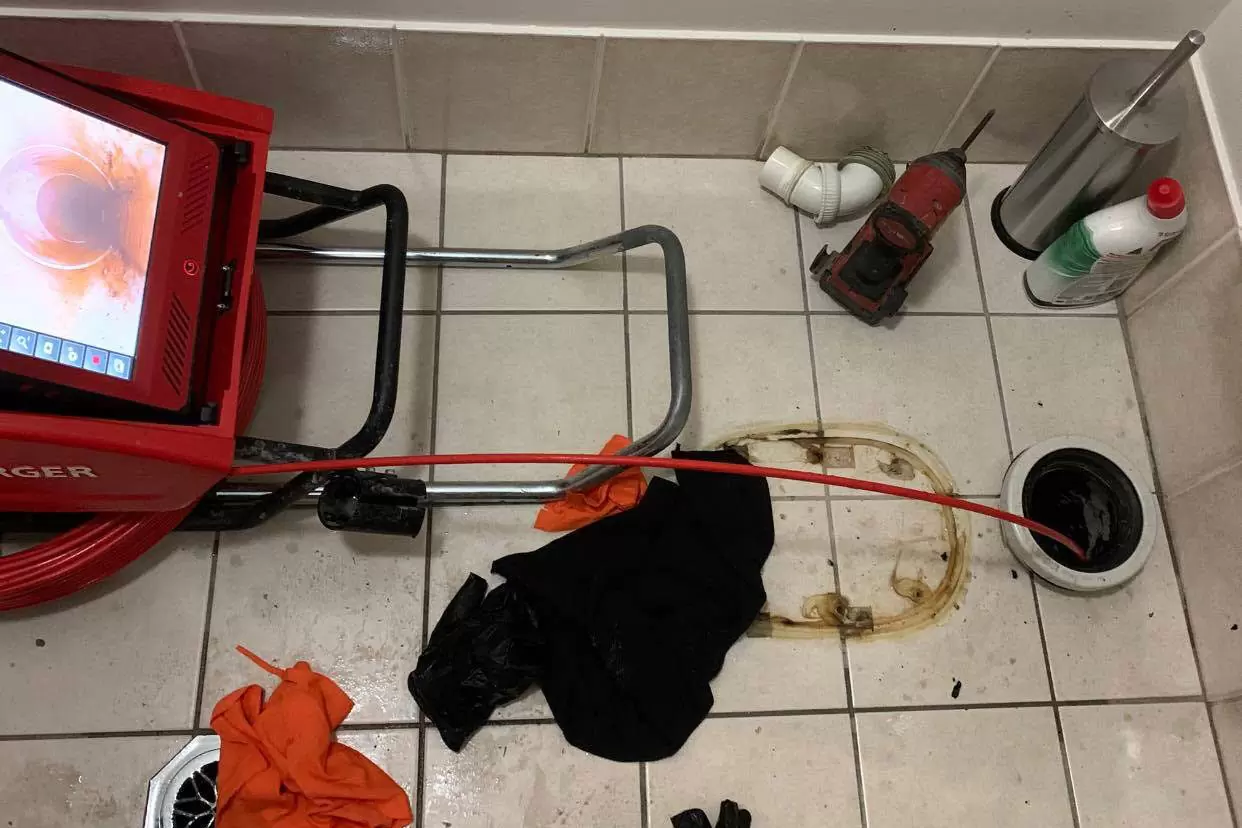
Knowing the signs your sewer line needs repair is rarely straightforward — they don’t look like an emergency, and they’re easy to explain away, much like the broader warning signs your pipes need repair elsewhere in your home. A single slow drain or an isolated smell isn’t necessarily cause for concern. The same symptom recurring consistently over days or weeks is a different matter entirely.
Blockages That Keep Coming Back
The clearest sign that a sewer line needs repair rather than clearing is a drain that reblocks shortly after being cleared. A week, two weeks, a month — the timing varies, but the pattern is consistent. Tree root intrusion is the most common cause on the Gold Coast: a root mat establishes itself inside the line, gets cleared mechanically, and regrows because the entry point — a crack or deteriorating joint — was never addressed. A cracked pipe section that catches debris with every flush produces the same pattern, as does a sagging or bellied pipe that creates a low point where solids pool regardless of what’s being flushed. Chemical drain cleaners and repeated jetting treat the symptom. Neither addresses the pipe.
Learn more about blockages in our comprehensive guide to blocked sewers.
Slow Drains That Worsen Gradually
This is not the simultaneous whole-system failure that signals a sewer line backup — it’s one bathroom drain, or a laundry tub, that has been running a little slower each week for the past month. The water clears, but it takes longer than it used to. That progressive deterioration points to a partial blockage building behind a structural defect or developing root mat somewhere in that section of the line. It’s easy to dismiss because the drain is still functioning — but the trajectory matters. A partial restriction that’s getting worse is heading somewhere.
Persistent Sewer Smell from a Drain or the Yard
A functioning sewer line is airtight. Sewer gas stays inside the system, exits through roof vent stacks, and never reaches living areas or the yard in normal operation. When a foul odour — the distinctive rotten egg smell of hydrogen sulphide — appears at a drain, near an external fitting, or above where the sewer line runs underground, something has compromised the pipe wall or a joint. The smell often comes and goes, particularly after heavy water use when the line is under pressure, which makes it easy to attribute to other causes. A sewer odour that keeps returning from the same location is a reliable indicator of a crack or deteriorating joint that needs assessment.
Wet Patch, Soft Ground, or Unusually Lush Grass Above the Sewer Line
Sewage leaking underground from a cracked or partially collapsed pipe section has nowhere to go but into the surrounding soil — and it acts as fertiliser. Grass directly above the sewer line growing noticeably greener, thicker, or faster than the surrounding lawn is one of the more telling outdoor signs of a slow underground leak. Persistently soft or wet ground without recent rainfall tells the same story. Gold Coast properties in established suburbs with older clay and terracotta pipe infrastructure are particularly susceptible — ground movement and root pressure crack these pipes in ways that can leak for months before any surface symptom becomes obvious.
Gurgling From a Single Drain After Water Use
Gurgling that occurs at one specific drain — after flushing the toilet in the same bathroom, or after the shower runs — points to a partial restriction or structural defect in that section of the line. Air is being displaced by water struggling past an obstruction, and it exits through the nearest available point. This is distinct from the multi-fixture gurgling that signals a main sewer line backup — that involves multiple drains responding simultaneously to a single water use event. Single-drain gurgling that appears consistently after the same activity, and keeps appearing over days and weeks, is a repair signal for that section of pipe.
Gradually Increasing Water Bills Without Explanation
A slow sewer leak losing water consistently over time produces a creeping increase across multiple billing periods rather than a sharp single-quarter spike. If household water use hasn’t changed, there’s no obvious dripping tap, and the water bill has been quietly climbing for two or three quarters, the sewer line is worth investigating. Underground leaks are by definition invisible from the surface until they’ve been running long enough to saturate the soil — by which point the pipe has typically been compromised for some time.
Mould or Damp Patches Near Internal Drain Lines
Moisture appearing on walls, floors, or ceilings in the vicinity of where a drain line runs through the building structure — particularly when accompanied by a sewer smell in the same area — can indicate a cracked drain line inside the wall cavity or subfloor leaking slowly into the surrounding material. Mould alone has many causes. Mould combined with intermittent sewer odour in the same location is a specific combination that points to a compromised drain line rather than a roof or condensation issue.
Why Gold Coast Sewer Lines Are Particularly Vulnerable
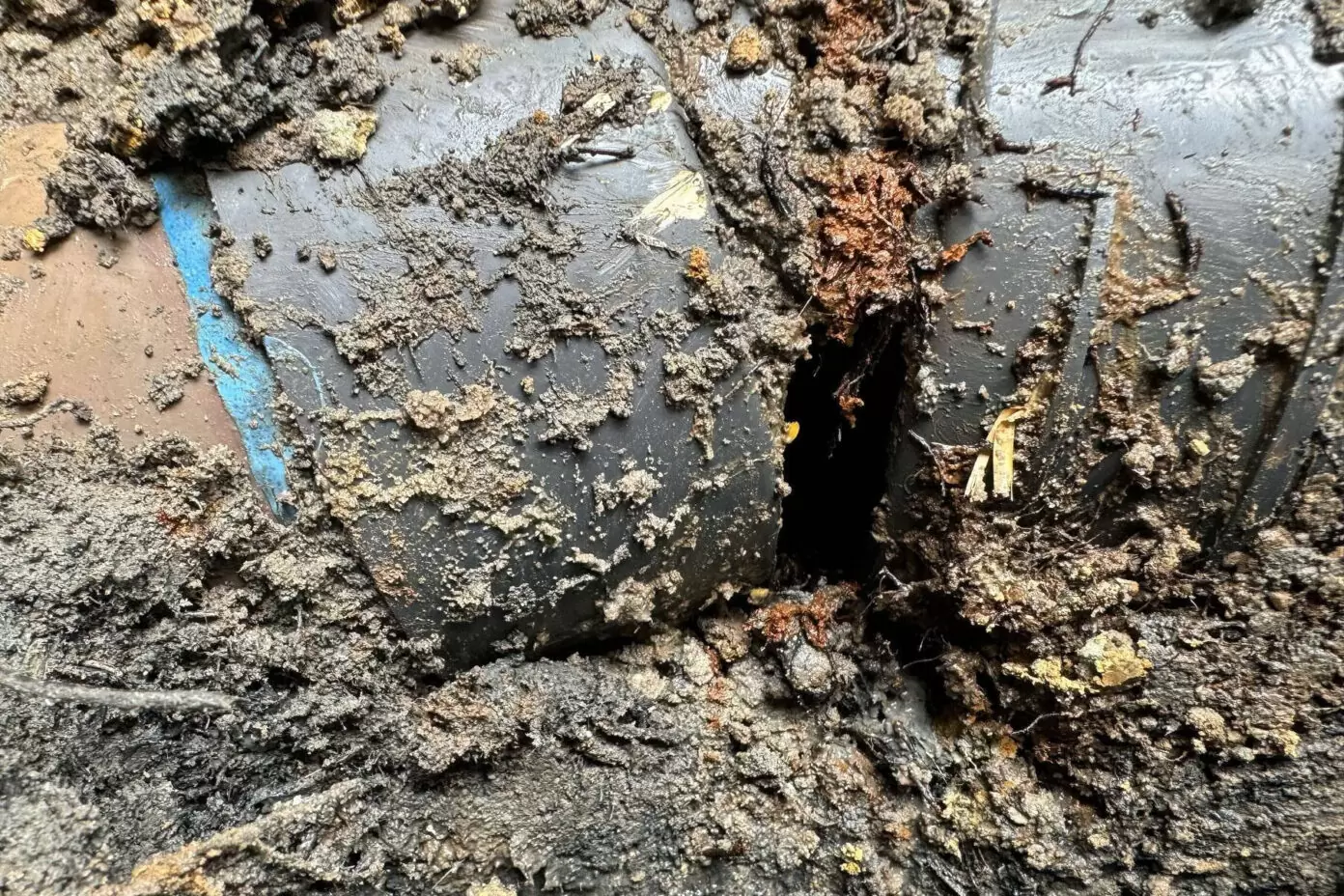
The signs above are more common on the Gold Coast than in cooler, less established cities — and the reasons come down to a specific combination of local factors that place older pipe infrastructure under sustained stress.
- Aging clay and terracotta drainage. A significant number of Gold Coast properties built before the 1980s are still running clay and terracotta sewer lines. Suburbs like Benowa, Ashmore, and Bundall have high concentrations of this infrastructure — brittle, susceptible to cracking under ground movement, and prone to joint deterioration that opens entry points for roots. A damaged sewer pipe on the Gold Coast in these areas is frequently the result of infrastructure that has been deteriorating quietly for decades.
- Year-round tree root growth. Queensland’s subtropical climate means root systems never go dormant. Ficus, poinciana, and other established species grow year-round, actively seeking moisture through every season. A hairline crack in a clay joint that might go unexploited during a Melbourne winter is an open invitation on the Gold Coast in July.
- Sandy coastal soils and ground movement. Sandy soils shift more readily than compacted clay-heavy soils, placing sustained stress on pipe joints as the ground moves around them. Over decades, that movement causes joints to offset and pipes to sag — creating the bellied sections and misaligned connections that trap waste and generate recurring blockage patterns.
- Coastal humidity and corrosion. Humidity accelerates corrosion in older metal pipe components, adding a failure mode that inland properties don’t face to the same degree. Any galvanised steel or cast iron elements still in use in older Gold Coast drainage systems are deteriorating faster than equivalent pipes in drier climates.
These factors rarely operate in isolation. An aging clay pipe in a suburb with established fig trees, sandy soil, and decades of ground movement is carrying multiple simultaneous risk factors — and the damage they cause tends to develop well before any surface symptom appears.
The Difference Between a Repair Signal and an Emergency
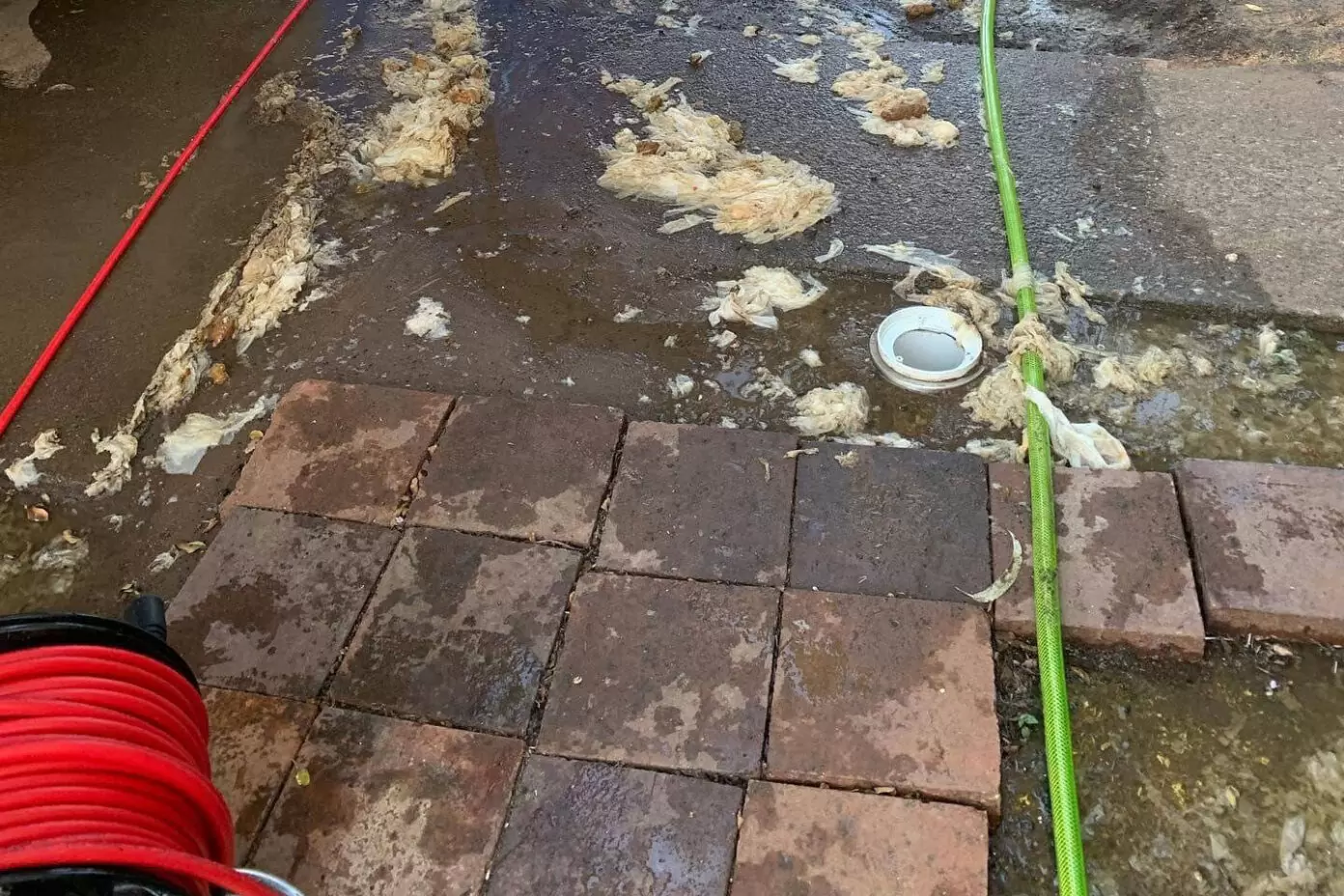
The signs covered above are repair signals — patterns that develop over time and point to pipe deterioration that needs professional assessment. They are not emergencies in the immediate sense, but they become one if ignored long enough.
A recurring blocked drain on the Gold Coast caught early is typically a straightforward sewer pipe repair — root cutting, a pipe patch, a section replacement. The same blockage left for six months while the root mat thickens and the cracked pipe wall continues to deteriorate becomes excavation and full pipe replacement. The signs above are the window between those two outcomes, and that window closes gradually with every temporary fix that defers a proper assessment.
The pattern that makes deferral so easy is also the pattern that makes it costly. DIY clearing works — temporarily. The drain flows, the problem seems resolved, and the urgency fades. Until it blocks again. Each cycle of clearing and reblocking is the pipe telling you the underlying cause hasn’t been addressed. A CCTV drain inspection at the first or second recurrence is almost always cheaper than the repair that follows six months of repeated clearing.
There’s an important distinction worth making here. If multiple fixtures are backing up simultaneously, the overflow relief gully is activating, or sewage is surfacing inside or outside the home — that’s not a repair signal, that’s an active emergency.
Our guide to sewer line backup signs and what to do covers that situation. If what you’re seeing is a pattern of recurring symptoms in one area over time — a drain that keeps blocking, a smell that keeps returning, a wet patch that won’t dry out — that’s when to call Local Plumbing & Gas Co. for an assessment rather than another clearing job.
How Our Team Assesses and Repairs Sewer Line Damage

When recurring symptoms point to a damaged sewer line, the first thing we’ll do is confirm what’s actually happening inside the pipe before recommending any repair. Surface symptoms — a drain that keeps blocking, a persistent smell, a wet patch in the yard — narrow down the likely causes but don’t tell us the location, extent, or nature of the damage with enough precision to choose the right repair method.
A CCTV drain inspection is our standard starting point. A waterproof camera is fed through the line to identify exactly what’s causing the recurring symptoms — root intrusion, a cracked section, a sagging pipe, offset joints — and how far the damage extends. The signs of a damaged sewer line visible at the surface often understate what’s happening underground. A drain that blocks monthly might have a root mat that’s been growing for years. A persistent smell might trace back to a joint that’s been separating gradually under ground movement. The camera confirms the reality before any work begins.
From there, the repair method depends entirely on what the inspection finds. Root mats and debris buildup are cleared with high-pressure water jetting — restoring flow and cleaning the pipe wall rather than simply punching through the obstruction. Structural damage, such as a cracked section, a collapsed pipe or offset joints, requires repair or replacement of the affected section. All work is carried out under the Queensland Plumbing and Drainage Act by our qualified team using WaterMark certified materials. Our guide to sewer line repair on the Gold Coast covers the options in detail.
If you have a blocked sewer drain that keeps coming back, get in touch with our team.
When to Call Local Plumbing & Gas Co.
The failing sewer line signs covered in this article don’t fix themselves. A recurring blockage that clears temporarily is still a damaged pipe. A smell that comes and goes is still a compromised joint. A wet patch in the yard is still a leaking sewer line. The symptom easing doesn’t mean the underlying cause has resolved — it means the window for a straightforward repair is still open.
Our 24/7 emergency plumbers are QBCC licensed and operate across the Gold Coast with a $0 call out fee. If the pattern sounds familiar, a CCTV assessment now is significantly cheaper than the repair that follows six more months of clearing. Contact us on 1800 562 251 for all your main sewer line repair needs.