A Homeowner’s Guide to Residential Bathroom Plumbing
Residential bathroom plumbing includes the water supply, drainage and fixtures that make a bathroom usable, from toilets and basins to showers, baths and tapware. It also covers repairs, fixture replacement and the plumbing stages of a renovation.
For Gold Coast homeowners, the right next step depends on the symptom, the condition of the existing pipework and whether fixtures are staying in place or moving. Our plumbers often find that a visible problem, such as a slow drain or damp vanity, is only the first clue. The source still needs to be identified before the repair or replacement scope is clear.
This guide explains the main parts of bathroom plumbing, common warning signs, repair-versus-replacement considerations, renovation planning and the Queensland compliance points homeowners should understand. It is designed to help you prepare for a productive conversation with a licensed plumber, not to replace an on-site assessment.
What Does Residential Bathroom Plumbing Include?
Bathroom plumbing covers the pipes, valves, wastes, drains and fixtures that move clean water into the room and wastewater out of it. In practical terms, the work usually falls into three groups: repairs and maintenance, fixture installation or replacement, and renovation plumbing.
Repairs may involve leaking showers, dripping taps, running toilets, blocked drains, damaged flexi hoses or low water pressure. Fixture work can include toilets, vanity basins, tapware, baths and shower fittings. Renovation plumbing adds layout planning, set-out, rough-in, testing, fit-off and coordination with other trades.
Queensland classifies regulated plumbing and drainage work as permit work, notifiable work or minor work. All three categories must be carried out by an appropriately licensed plumber or drainer, although the approval and registration requirements differ. The QBCC’s regulated plumbing work requirements explain these categories in more detail.
Gas fitting is a separate licensed trade. If bathroom work affects a gas hot water system or another gas connection, confirm that the person carrying out that part of the work holds the appropriate gas work licence.
Common Bathroom Plumbing Problems and Warning Signs
Bathroom plumbing problems are easier to limit when they are investigated early. The symptom does not always reveal the cause, so pay attention to whether the issue is isolated to one fixture, affects several fixtures or keeps returning after a basic repair.
Leaking Showers
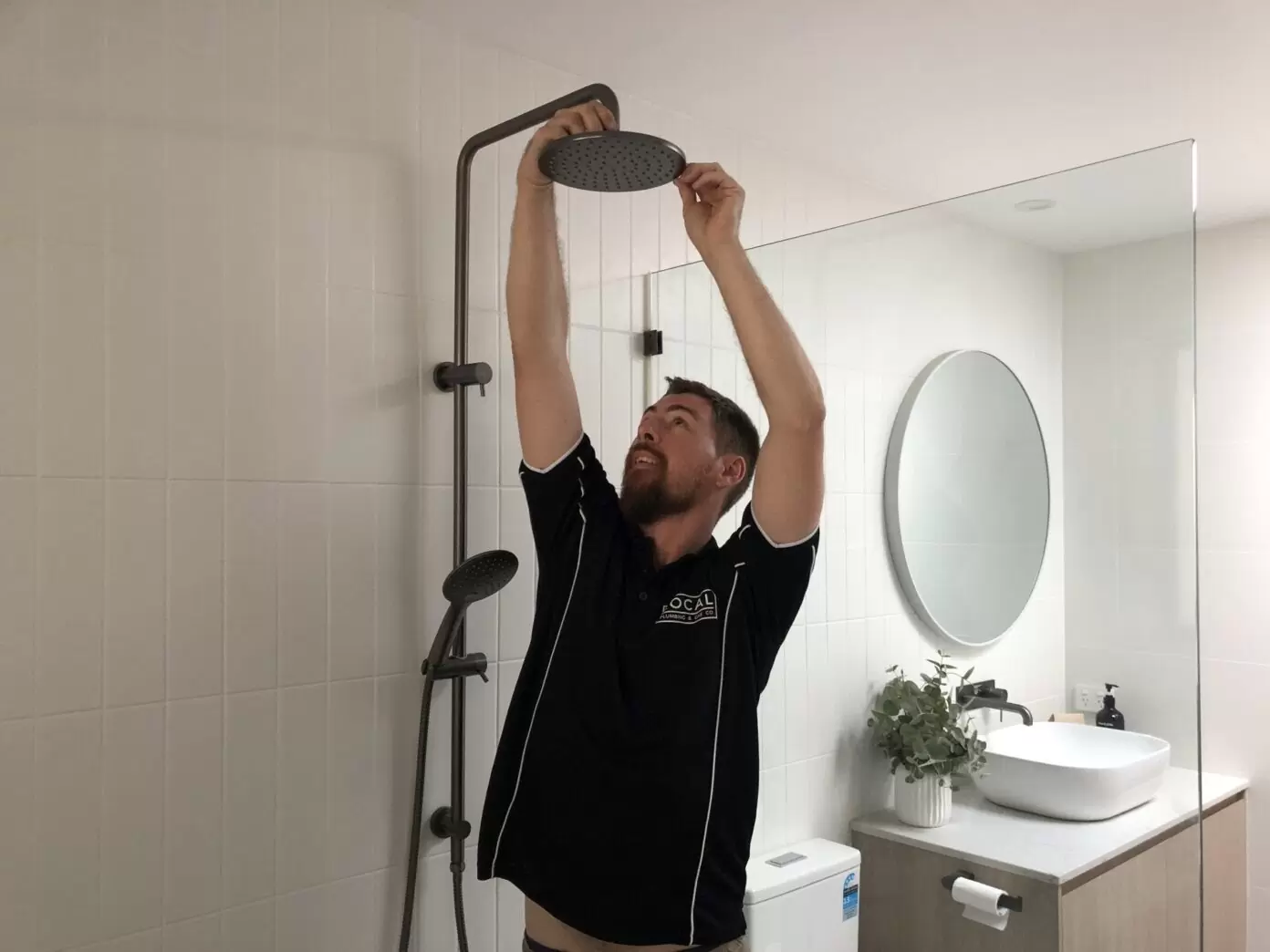
Water outside a shower, swollen skirting, loose tiles, staining or a musty smell can point to a leak, but the source may be a plumbing connection, the waste, a screen seal or the waterproofed area. Our leaking shower repair service starts with identifying where the water is coming from so the appropriate trade and repair can be arranged.
Blocked Bathroom Drains
Hair, soap residue and foreign material can contribute to slow shower, bath and basin drains. A drain that repeatedly slows, gurgles or affects another fixture may indicate a problem further along the drainage line. Avoid relying on repeated chemical treatments, which may not address the cause. A plumber can assess whether the issue needs clearing, inspection or repair. For a shower-specific blockage, see our blocked shower drain service.
Dripping Taps
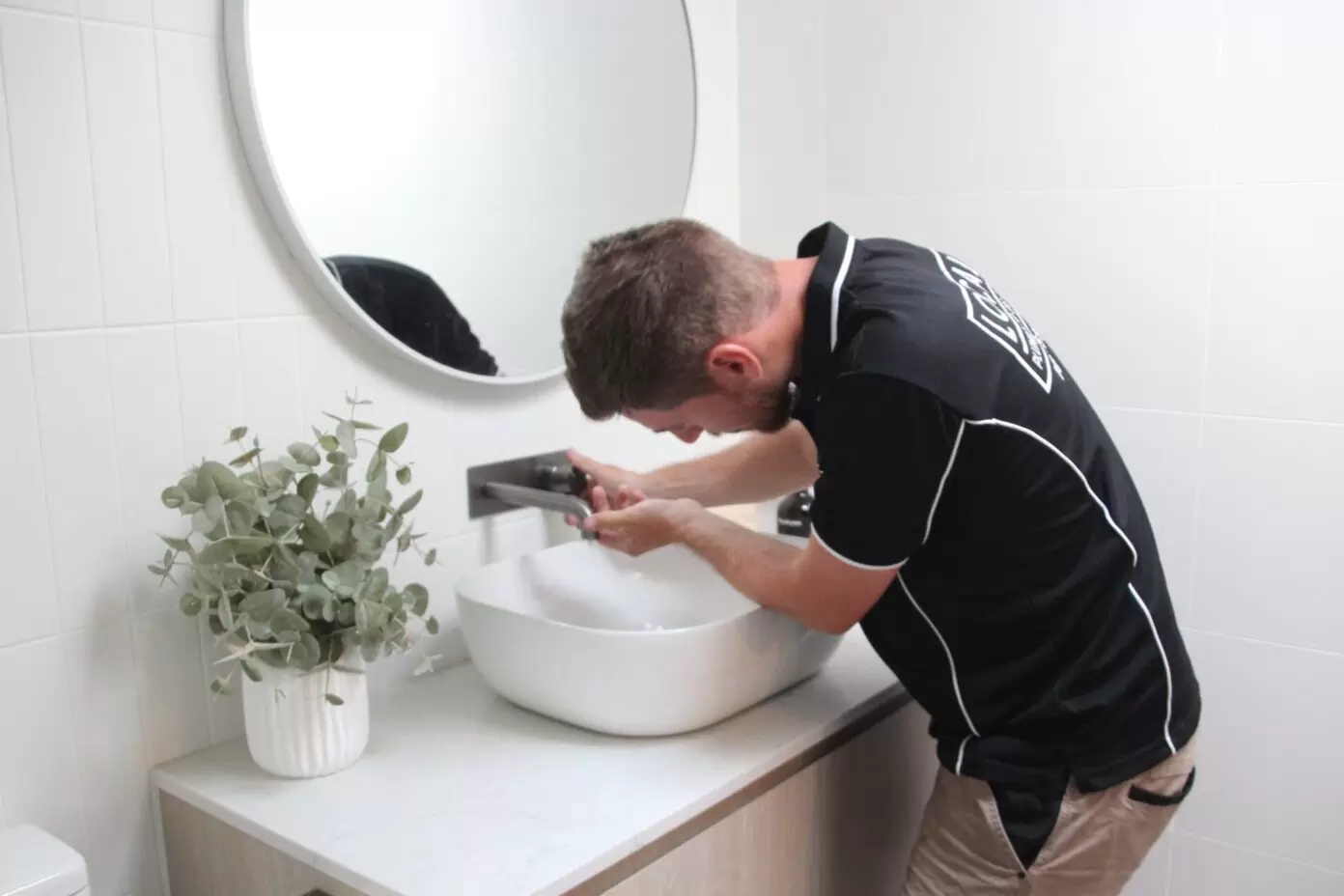
A dripping tap may be caused by a worn washer, cartridge, O-ring, valve seat or another internal component. Whether repair or replacement makes sense depends on the tap’s condition, the availability of suitable parts and whether the problem has returned before.
Running or Leaking Toilets
A toilet that continues running into the bowl, refills unexpectedly or leaks around the pan should be checked. Cistern components can often be repaired, while cracked, unstable or repeatedly failing suites may be better candidates for replacement. Our toilet repairs and replacement service covers both pathways.
Deteriorating Flexi Hoses
Braided flexible hoses are commonly used beneath basins and beside toilets. Corrosion, fraying, swelling, kinks or discolouration are warning signs that should not be ignored. Because a failed hose can release water quickly, ask a plumber to check any hose that looks damaged or has an unknown service history.
Low Water Pressure
Low pressure at one tap or shower may have a local cause, such as a restricted aerator, shower fitting, valve or pipe. Low pressure across the property suggests a broader supply or plumbing issue. Note which fixtures are affected and whether the change was sudden or gradual, then have the cause assessed before replacing parts at random.
Should You Repair or Replace Bathroom Plumbing?
Repair is usually worth considering when the fault is isolated, the fixture or pipework is otherwise sound and suitable parts are available. Replacement becomes more practical when components are badly corroded, cracked, incompatible with the planned bathroom, difficult to service or failing repeatedly. The decision should be based on condition and likely future reliability, not age alone.
When a Repair May Be Enough
A replaceable cistern component, serviceable tap cartridge, accessible connection leak or single local blockage may have a straightforward repair pathway. A plumber should still confirm that the visible fault is the source rather than a symptom of a deeper issue.
When Replacement May Make More Sense
Replacement may be preferable when a fixture is cracked, unstable, difficult to obtain parts for or no longer suits the available connections. During a renovation, replacement can also be the better option when keeping an old fixture would complicate the new layout or leave ageing connections behind finished surfaces.
Bathroom Fixture Installation and Replacement
Bathroom plumbing replacement is not simply a matter of choosing a new fixture with the right look. Connection type, set-out, access, wall support, water pressure, drainage position and the finished floor or wall depth can all affect what will fit and how the installation needs to be planned.
Toilets
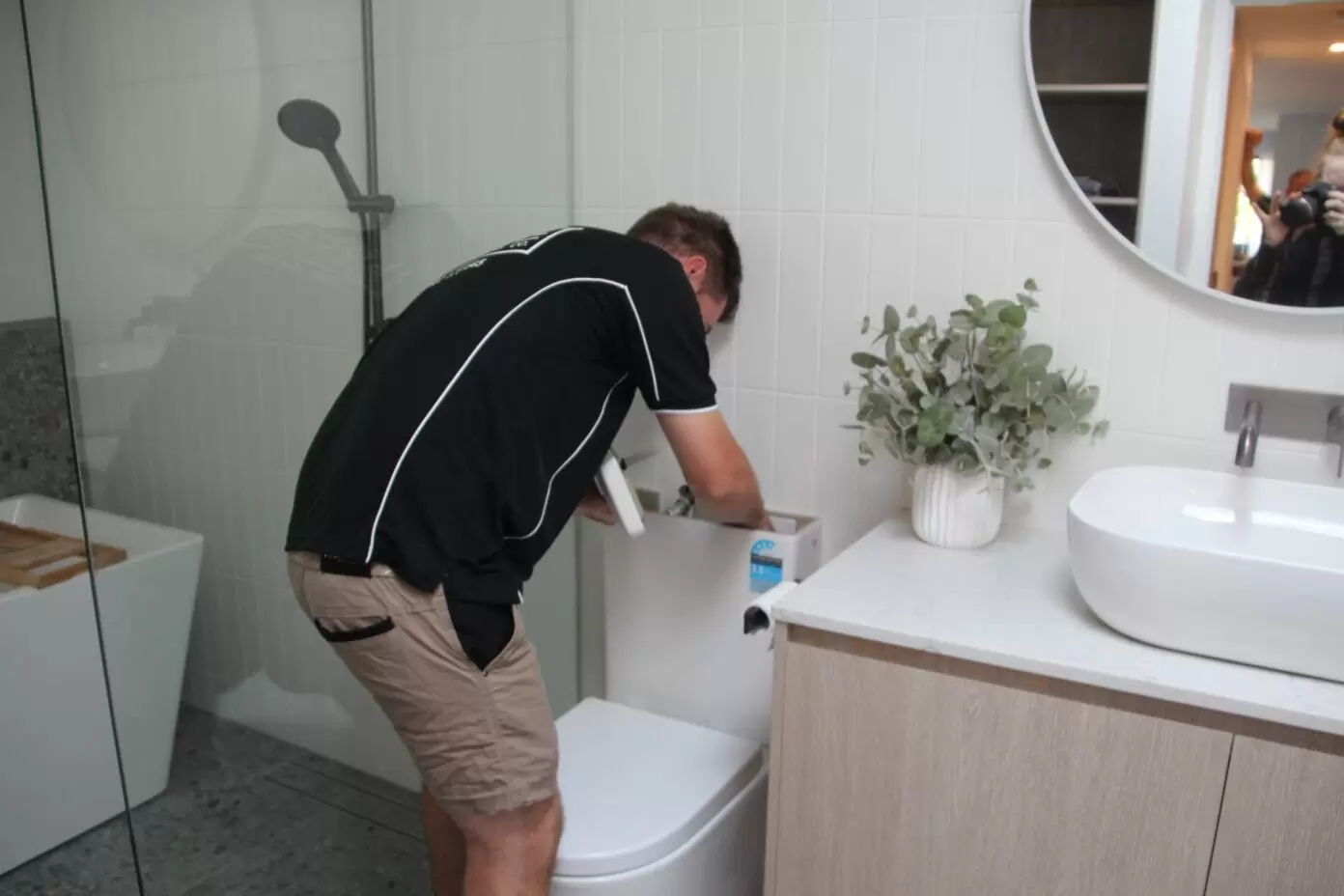
A replacement toilet needs to suit the existing trap direction, set-out and water connection, unless the surrounding plumbing is also being altered. Close-coupled, back-to-wall and in-wall suites have different space, access and rough-in requirements, so check compatibility before purchasing.
Showers and Baths
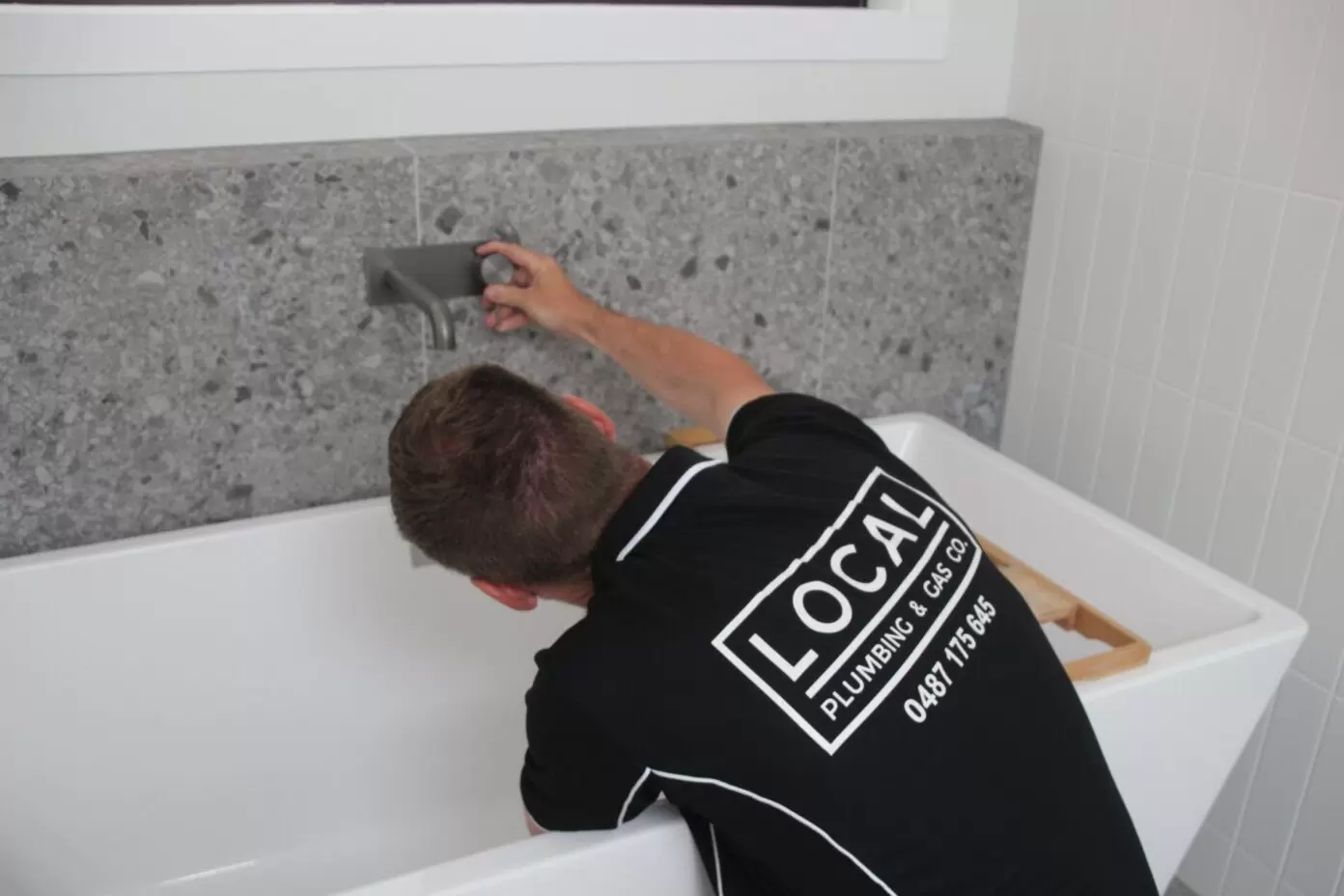
Shower and bath plumbing must account for waste position, drainage, water connections, access and the finished wall and floor build-up. During a renovation, pipe penetrations and fixture locations also need to be coordinated with the waterproofing and tiling plan before surfaces are closed.
Vanity Basins and Tapware
A basin installation may involve hot and cold water connections, a waste, an overflow and adequate support for a wall-hung vanity. Our bathroom sink installation service covers new and replacement basins. When choosing taps, showers or toilets, check that the product is registered for the Australian market and compare its water-efficiency information through the WELS product register.
Bathroom Renovation Plumbing on the Gold Coast
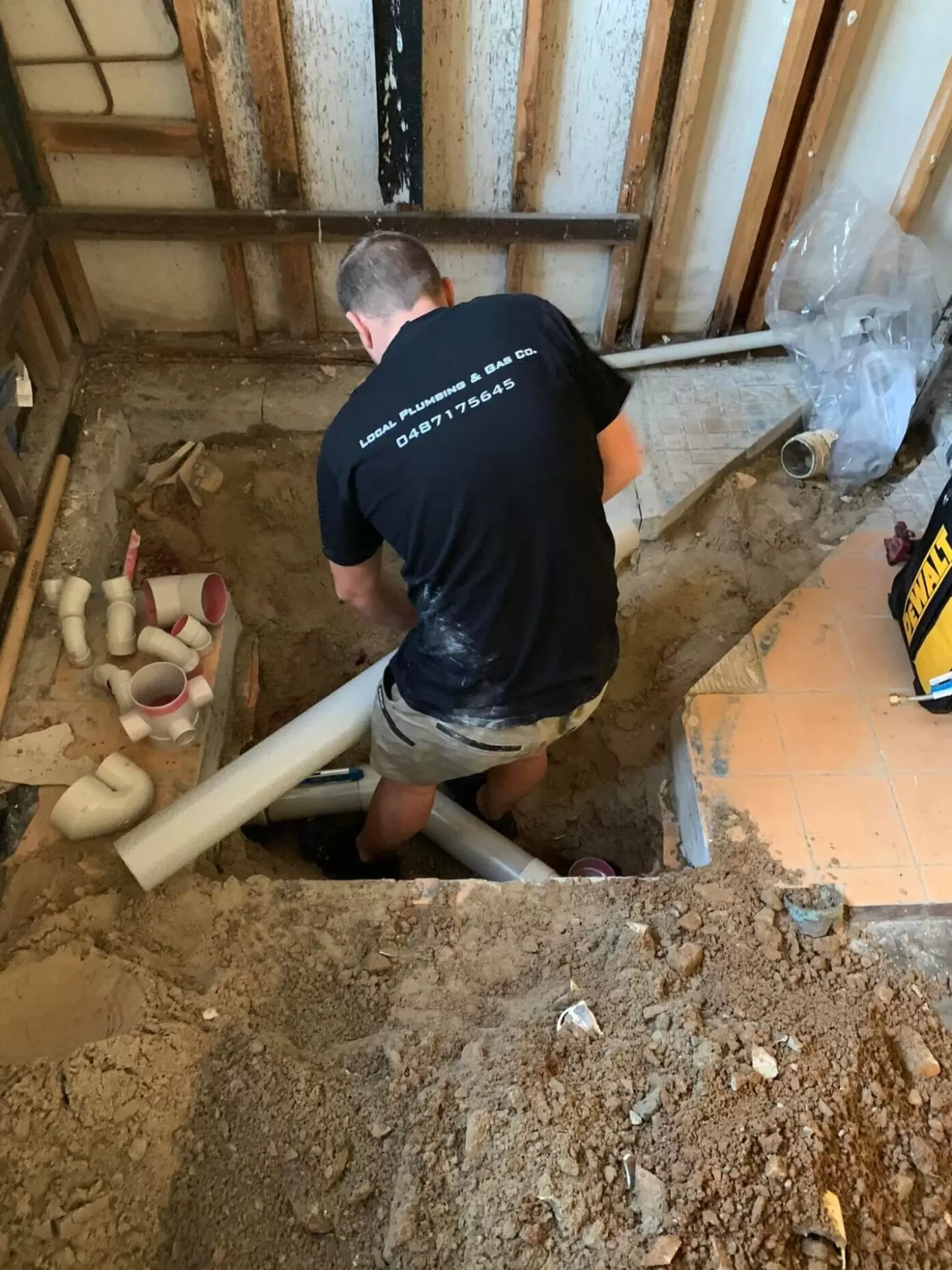
A bathroom renovation plumber should be involved before fixture positions and major purchases are locked in. Early input helps identify whether the proposed layout suits the existing water and drainage points, what needs to move and which decisions will affect the waterproofer, tiler, cabinet installer or electrician.
If the bathroom is on a concrete slab, moving a toilet, shower waste or basin connection may require more invasive work than keeping the existing points. That does not mean fixtures can never move. It means access, drainage fall, structural constraints and the likely scope should be understood before demolition and ordering.
The plumbing stages commonly include set-out, rough-in, testing and fit-off. The exact sequence depends on the project, but the plumber’s work needs to be coordinated with waterproofing and finished surface depths so connections and fixtures land where expected.
Many additions and renovations to bathrooms in existing homes, including installing or relocating fixtures, are classed by the QBCC as notifiable work. Notifiable work must be registered with the QBCC using Form 4 or 4A. Minor work does not require that registration, while permit work follows a different approval pathway. See the QBCC guidance on what counts as notifiable work for the current distinctions.
For the full renovation sequence, including when the plumber is typically involved, read our guide to what a bathroom plumber does during a renovation.
Questions to Resolve Before Finalising the Bathroom Layout
A floor plan can look resolved while important plumbing questions remain open. Before finalising fixtures or booking dependent trades, discuss the following points with your plumber:
- Fixture positions: Do the proposed locations suit the available water connections, waste points, drainage fall and usable access?
- Keeping or moving drainage: Which existing points can stay, and what work would be involved if a toilet, bath, shower or basin moves?
- Fixture compatibility: Do the selected toilet set-out, basin waste, tapware and shower components match the planned connections?
- Finished surface depths: Have tile, substrate, waterproofing and cabinetry depths been allowed for when setting connections and outlets?
- Trade sequence and access: When will walls, floors and cabinets close, and what plumbing needs to be completed or tested beforehand?
These checks will not remove every possible variation, especially where existing pipes are concealed. They do, however, give the plumber and other trades a clearer scope before the work progresses.
What Affects Bathroom Plumbing Costs?
Bathroom plumbing costs depend on the work found on site and what is included in the quote. Broad online price ranges can be misleading because a small accessible repair, a like-for-like fixture replacement and a renovation involving relocated drainage are very different jobs.
- Type of work: A repair, installation, replacement and full renovation involve different labour, testing and coordination.
- Access: Pipework behind tiles, inside walls, below floors or under a slab may take longer to reach than exposed connections.
- Existing condition: Corrosion, damaged drainage, non-compliant alterations or concealed leaks can change the scope once exposed.
- Fixture selection: Different toilets, vanities, baths, showers and tapware can require different set-outs, supports and connections.
- Relocation: Moving water or waste points generally adds more work than using existing positions, particularly where access is restricted.
- Other trades and compliance: The quote may need to allow for coordination, making good, approvals or registration associated with the particular job.
Concealed pipe condition is one of the main reasons a bathroom project can change after demolition. A useful quote or scope should explain what has been allowed for, what is excluded and how unexpected work will be discussed before it proceeds.
When comparing quotes, compare the same scope. Check the included fixtures and materials, access assumptions, relocation work, testing, disposal, other-trade responsibilities and whether required notifiable-work registration is included.
Bathroom Plumbing Problems That Keep Coming Back
A recurring problem usually needs more than another short-term fix. These patterns are worth investigating because the visible symptom may continue until the underlying plumbing, drainage or building issue is identified.
Unlicensed or Non-Compliant Plumbing
Previous alterations can create compatibility, access and compliance problems for later repairs or renovations. Queensland’s regulated plumbing categories require appropriately licensed plumbers or drainers. If you are unsure about older work, ask a licensed plumber to assess it and explain whether any approval or registration records should exist for that type of job.
Concealed Leaks and Waterproofed Areas
Water appearing outside a shower or bath is not enough to identify the failed component. The cause may involve a pipe, fitting, waste, screen seal, grout joint or waterproofed area. Proper diagnosis matters because repairing the wrong element can leave the leak unresolved and allow damage to continue.
Recurring Blockages
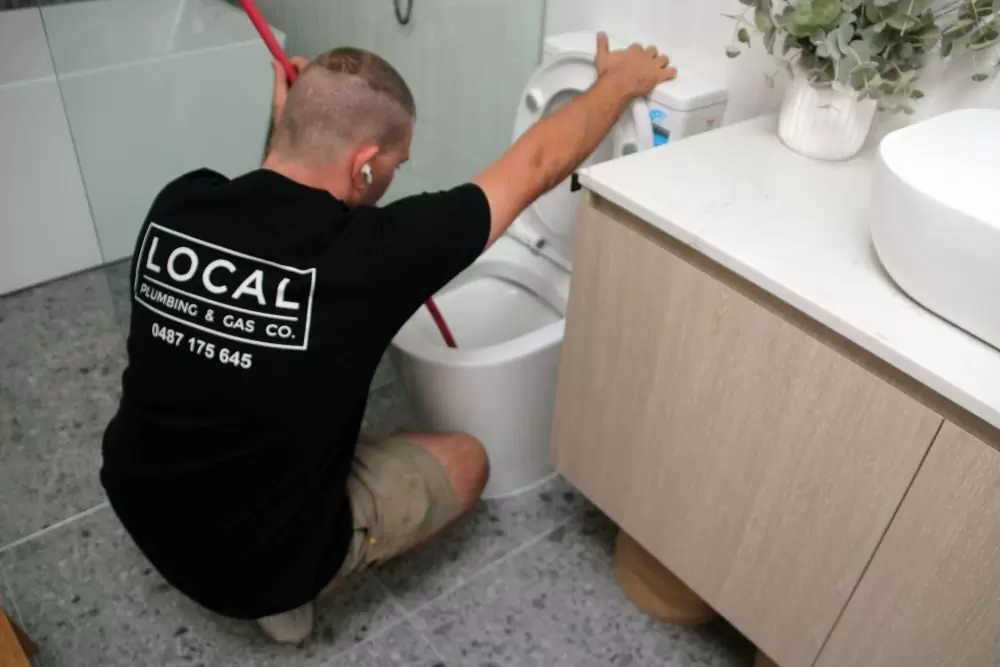
A toilet, shower, bath or basin that blocks again soon after clearing may have an unresolved cause, such as material remaining in the line, damaged pipework, an unsuitable connection or a drainage fall issue. The right next step depends on the fixture and pattern, so further investigation may be more useful than repeating the same clearing method.
How to Choose a Bathroom Plumber on the Gold Coast
The right plumber should suit the actual job. A reactive repair and a multi-stage bathroom renovation do not require the same planning, coordination or documentation, so ask questions that match your scope.
- Check the licence: Use the QBCC register to confirm the relevant plumbing or drainage licence rather than relying only on a number shown in advertising.
- Confirm any additional trade licence: If the work affects gas, confirm the person carrying out that part holds the appropriate gas work licence.
- Match experience to the job: For a renovation, ask about set-out, rough-in, fit-off, trade coordination and work involving your type of floor and wall construction.
- Read the written scope: Check what is included, what is excluded, who supplies fixtures and how variations or concealed conditions will be handled.
- Ask about documentation: Where the proposed work is notifiable, confirm that registration and the customer copy of the Form 4 or 4A are included in the process.
For a more detailed hiring checklist, read our guide to choosing a plumber for bathroom renovations.
Bathroom Plumbing FAQs
What Does Residential Bathroom Plumbing Include?
Residential bathroom plumbing includes the water supply, sanitary plumbing, drainage, valves, wastes and fixtures used by toilets, showers, baths, basins and tapware. It can involve maintenance, repairs, fixture installation, replacement and renovation work. The exact licensed and compliance requirements depend on what is being altered.
When Should a Plumber Be Involved in a Bathroom Renovation?
Involve a plumber before finalising fixture positions, ordering products that depend on set-out or closing the schedule with other trades. Early input can identify access, drainage, connection and sequencing issues while the layout is still flexible. The plumber will usually return for different stages as the renovation progresses.
Does Every Bathroom Plumbing Job Require a Form 4?
No. A Form 4 or 4A is used to register notifiable work with the QBCC. Minor work does not require registration, while permit work follows a local-government approval process. Because bathroom jobs can contain more than one type of work, ask the licensed plumber which category applies to the proposed scope.
Can a Homeowner Do Their Own Bathroom Plumbing in Queensland?
Homeowners should not carry out regulated plumbing or drainage work themselves. The QBCC states that permit, notifiable and minor regulated work must be performed by an appropriately licensed plumber or drainer. Some tasks are unregulated, but if the work involves altering pipes, drainage or fixture connections, check the classification before starting.
Need Help With Residential Bathroom Plumbing?
If you have a recurring bathroom problem, need a fixture assessed or are planning a renovation, Local Plumbing & Gas Co. can inspect the existing setup and explain the appropriate next step. Our bathroom plumbing services cover repairs, replacements, installations and renovation plumbing across the Gold Coast.
For advice on your particular bathroom, contact our team with a short description of the issue, any relevant photos and details of the fixtures or renovation plans.