How to Choose a Plumber for Bathroom Renovations

Choosing a plumber for a bathroom renovation is a hiring decision about work that will often be concealed behind walls and floors. The strongest candidate is not simply the nearest plumber or the one who can start first. Look for the right licence, relevant renovation experience, a clear written scope and a practical approach to variations, documentation and trade coordination.
A careful shortlist helps you compare like with like before work begins. It also gives you a clearer basis for discussing fixture positions, access, exclusions and any plumbing issues that may only become visible after demolition.
This guide explains how to choose a plumber for bathroom renovations, including the credentials to verify, questions to ask, quote details to compare and red flags that deserve a closer look.
Why Bathroom Renovation Experience Matters
A licensed plumber may work across repairs, maintenance, installations and renovations. For a bathroom project, ask specifically about renovation experience. Set-out, rough-in, fixture compatibility and final fit off need to be coordinated with the builder, waterproofer, tiler and cabinet installer.
The aim is not to find someone with a particular marketing label. It is to confirm that the plumber understands the work your design requires, can identify access or layout constraints early and knows what must be checked before concealed plumbing is covered.
Keep the process explanation brief during the hiring conversation, but ask when the plumber expects to attend and what needs to be ready at each visit. Our guide to what a bathroom plumber does during a renovation explains planning, set-out, rough-in, waterproofing coordination and plumbing fit off in more detail.
You do not need a plumber whose work is limited to renovations, but you should confirm that the person completing the plumbing has relevant experience with comparable bathroom projects.
Licences and Compliance to Check Before Hiring
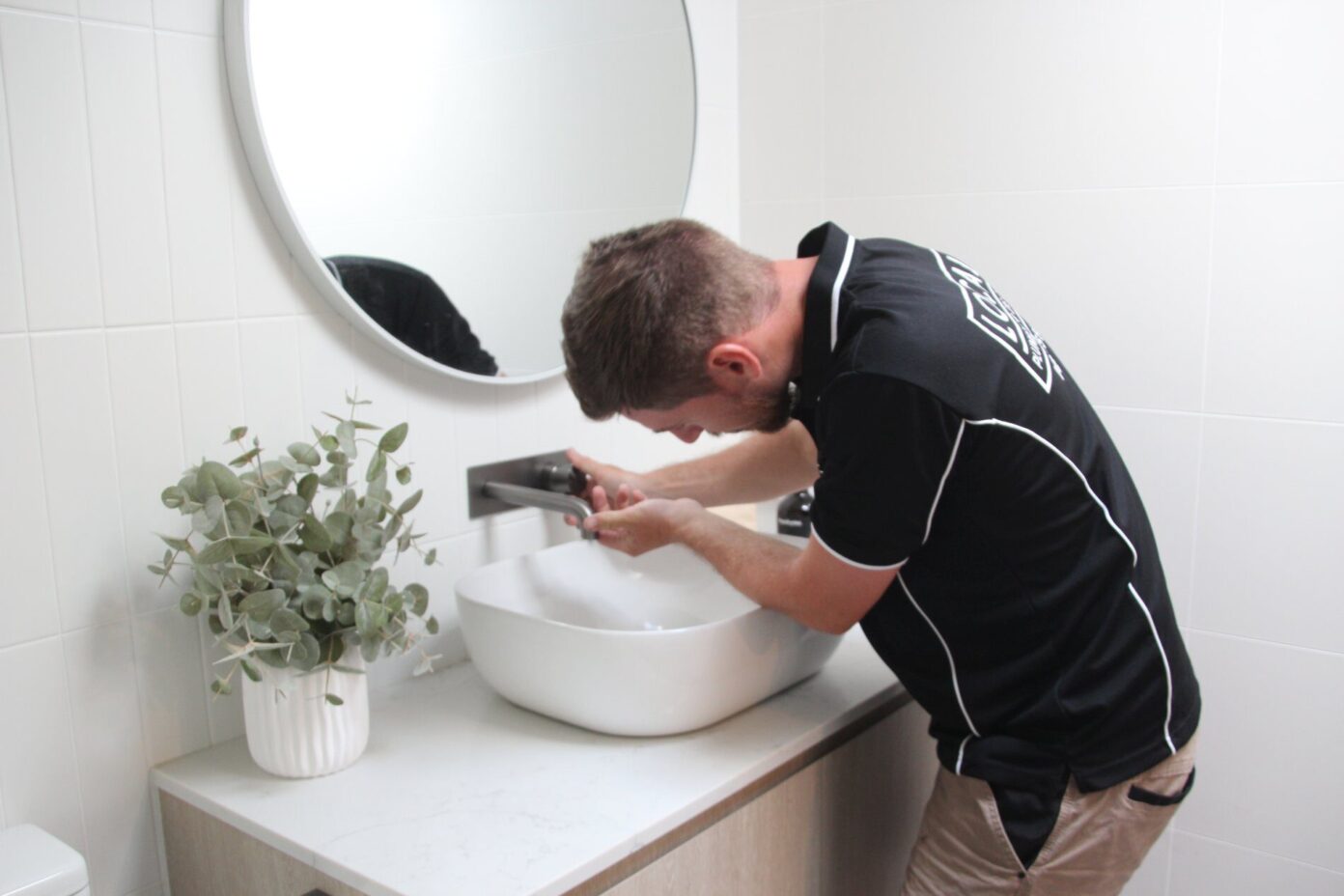
Before appointing a plumber, verify the credentials that apply to the proposed scope and ask how the work will be classified and documented. A clear answer is more useful than a general assurance that everything will be compliant.
- QBCC licence. Queensland’s regulated plumbing and drainage work must be completed by an appropriately licensed plumber or drainer. Ask for the licence number and check the licence class and status on the QBCC public register. Confirm that the licence covers the work being quoted rather than relying only on a business name or logo.
- Gas work licence. If the bathroom project includes gas work, confirm who will complete that part and whether their current gas work licence covers it. Plumbing and gas work are separately licensed in Queensland. The Queensland gas work licence register can be used to check the relevant licence or authorisation.
- Business and insurance details. Confirm the contractor’s legal or business name, ABN and contact details. If insurance evidence forms part of your contractor checks, request a current certificate and read what it covers rather than assuming every loss or event is included.
- Who will complete the work. Ask whether the person quoting will attend the job, who will supervise any employees or subcontractors and which licence holder is responsible for each regulated part of the scope.
- Work classification and documentation. Queensland classifies regulated plumbing work as permit, notifiable or minor work. Bathroom renovations and the installation or relocation of fixtures are common examples of notifiable work, but the exact classification depends on the scope. For notifiable work, the licensed plumber or drainer registers the work with the QBCC and provides the required copy. Ask what applies to your project and see the QBCC guidance on notifiable work and Form 4.
Keep the written quote, approved variations, invoices and applicable plumbing or gas documentation with your renovation records. If a requirement is unclear, verify it with the relevant regulator rather than relying on an absolute statement about insurance, resale or liability outcomes.
Questions to Ask Before You Hire a Bathroom Renovation Plumber
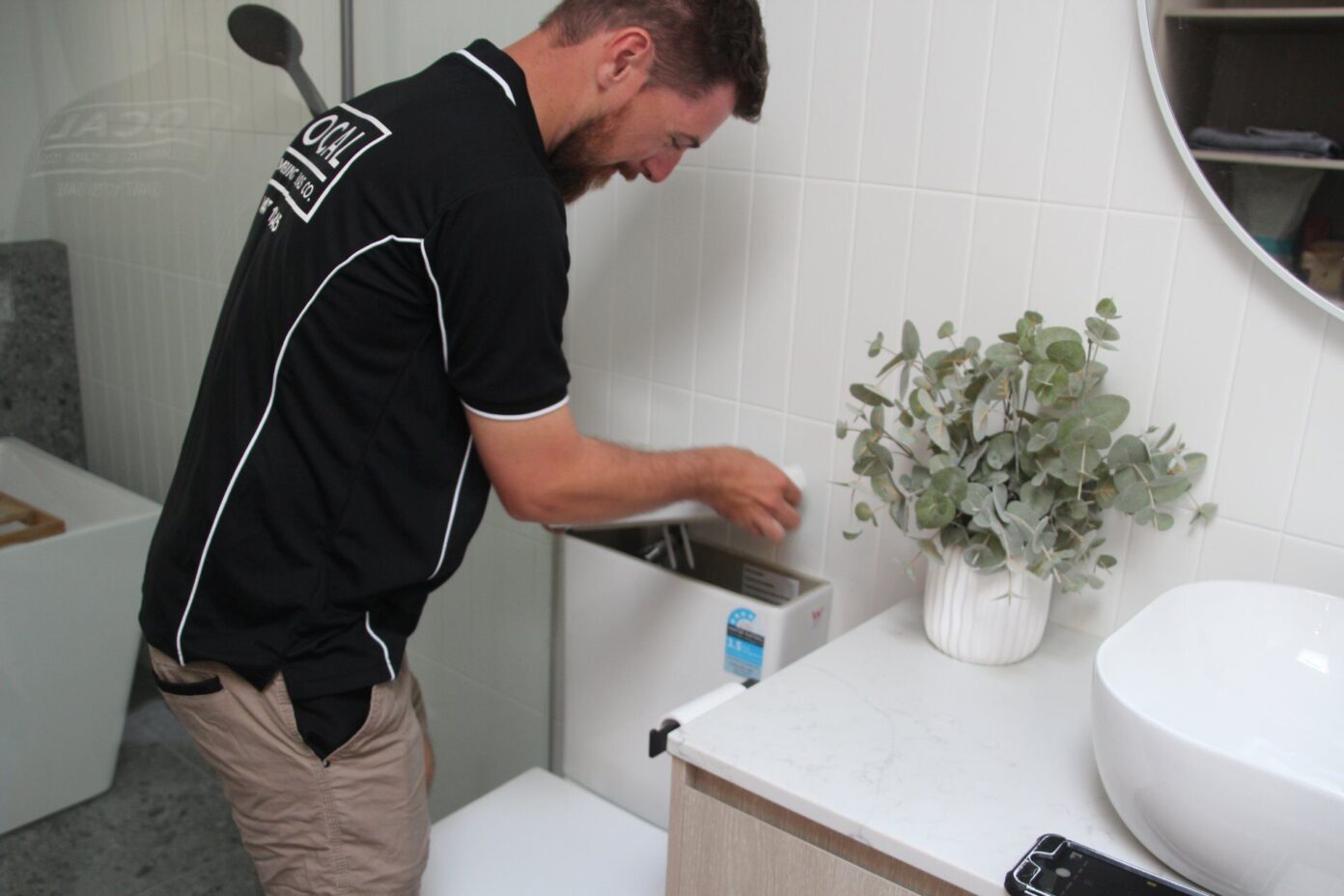
A short, specific conversation can reveal whether a plumber’s experience and working approach suit the project. Ask the same core questions of each shortlisted contractor so you can compare their answers fairly.
Have You Completed Set-Out and Rough-In for Full Bathroom Renovations?
Ask for examples relevant to your project, particularly if fixtures are moving, an in-wall cistern is planned or drainage access may be difficult. The answer should show familiarity with renovation set-out, concealed work and final fixture compatibility.
Who Will Complete Any Gas Work, and What Licence Do They Hold?
This matters only where gas work forms part of the project. Confirm the licence holder, the type of gas work included and whether the plumber’s quote covers it or another appropriately licensed gas fitter will be required.
How Will You Coordinate With the Waterproofer, Tiler and Builder?
Look for a practical answer about set-out information, testing before surfaces close, penetrations through wet-area surfaces and who confirms each stage is ready for the next trade.
Will You Provide a Written, Itemised Quote?
The quote should identify the plumbing scope, inclusions, exclusions, fixtures or allowances, access assumptions, documentation and the process for approving variations. A single total without a defined scope is difficult to compare.
What Happens if Concealed Pipework or Drainage Problems Are Found?
Some conditions cannot be confirmed until walls or floors are opened. Ask how the plumber will document the issue, explain the options, price the variation and obtain approval before additional work proceeds.
What Approvals or Plumbing Documentation Will This Scope Require?
The answer should reflect the actual work rather than assume every bathroom job follows the same pathway. Ask who will handle any permit or registration requirement, when it will be completed and what copy you will receive.
What a Bathroom Plumbing Quote Should Include
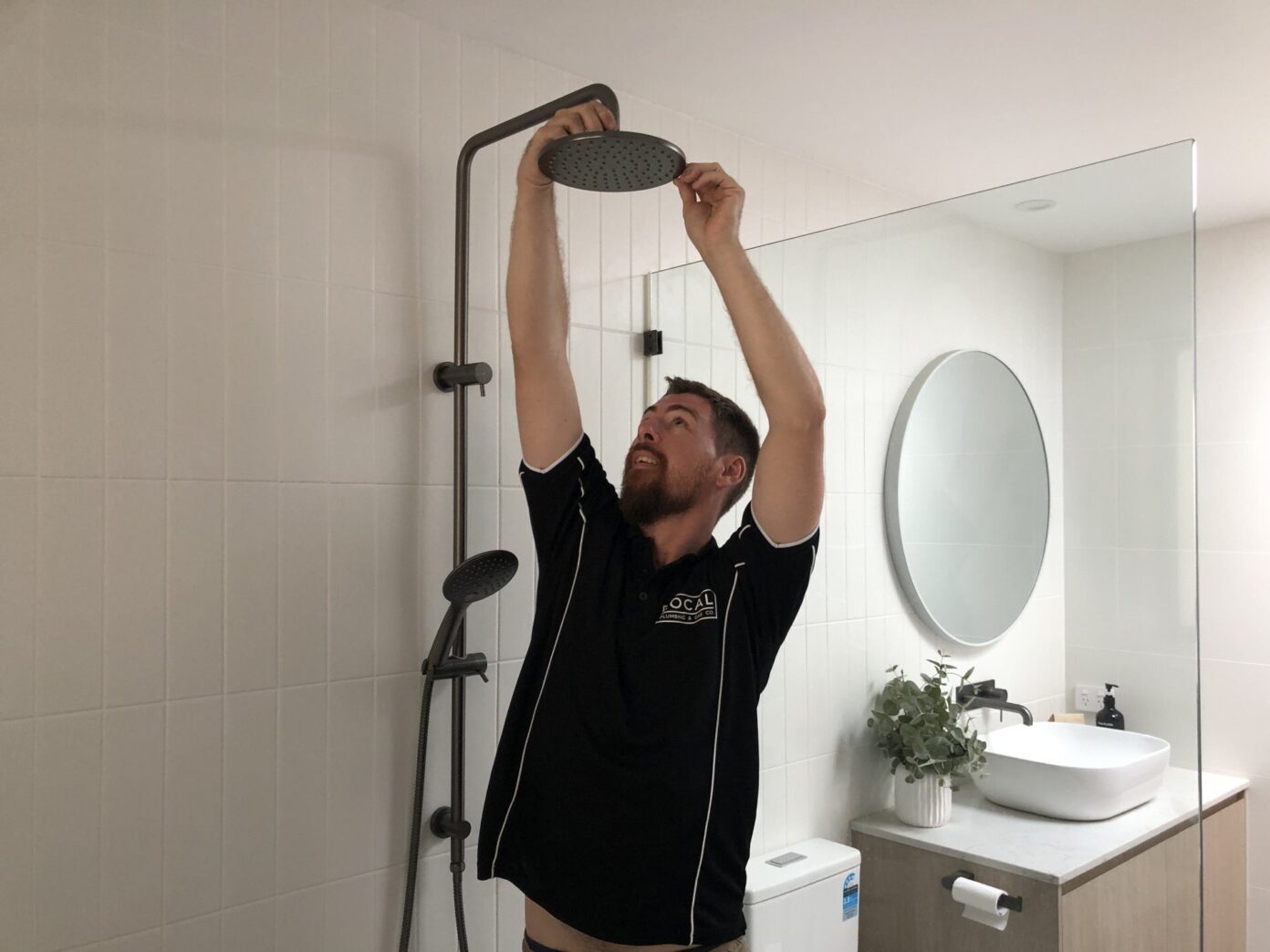
A useful quote lets you compare scope, not just the total at the bottom. It should be detailed enough to show what the plumber has allowed for and where the project still contains unknowns.
Defined plumbing scope. Look for the work included at planning or set-out, rough-in, testing and fit off, together with any fixture installation or relocation covered by the price.
Fixtures and materials. The quote should state whether fixtures are supplied by the owner or plumber, identify allowances where used and explain what happens if the selected product changes the plumbing requirements.
Access, assumptions and exclusions. Check what has been assumed about existing pipework, drainage positions, slab or underfloor access, demolition, cabinetry, electrical work, waterproofing and making good.
Variations and concealed conditions. The quote should explain how additional work will be described, priced and approved if demolition reveals unsuitable or damaged plumbing.
Documentation and payment terms. Confirm the applicable plumbing documentation, payment stages, quote validity and any deposit or cancellation terms before accepting the quote.
A lower total is not automatically poor value, and a higher total is not automatically more complete. Compare the written scope, assumptions and exclusions first, then ask each plumber to clarify material differences.
Pipe condition, fixture changes and difficult access are common sources of variations because they may not be fully visible at quoting stage. What matters is whether the quote identifies the uncertainty and sets out a clear approval process.
Red Flags When Hiring a Plumber for a Bathroom Renovation
One issue may have a reasonable explanation. Several vague or inconsistent answers usually warrant a closer look. Pay attention to these warning signs when comparing plumbers.
- No written scope. A price without clear inclusions, exclusions and assumptions gives you little basis for comparing quotes or reviewing a later variation.
- A licence cannot be verified. Pause if the contractor will not provide the relevant licence details or the public register does not match the person or work being discussed.
- Little renovation-specific experience. Be cautious if the plumber cannot explain set-out, rough-in, fixture compatibility or coordination with wet-area trades in practical terms.
- Gas work is proposed without the appropriate licence. Gas work must be assigned to a licence holder whose authority covers that work.
- Trade coordination is treated as someone else’s problem. The plumber does not need to manage the entire renovation, but they should explain the information and timing their work requires from adjoining trades.
- Documentation questions receive a blanket answer. Be wary of claims that every job needs the same form or that no paperwork is ever required. The answer should depend on the classified scope.
- The quote is unusually low but exclusions are unclear. Ask what has not been allowed for rather than assuming the difference is simply a better price.
- Payment expectations are unclear or heavily front-loaded. Ask for written payment terms tied to an identifiable scope or project stage, and clarify them before work begins.
Treat the checklist as a way to ask better questions, not as a substitute for reviewing the actual licence record, quote and contract supplied for your project.
Does Local Gold Coast Experience Matter?
Local experience can be useful, but it should support rather than replace the core hiring checks. A nearby address, local phone number or ‘Gold Coast plumber’ label does not prove renovation experience, licensing or quote quality.
- Property type and access. A plumber familiar with Gold Coast homes may recognise common slab-on-ground, apartment or access constraints, but they should still assess the individual property instead of relying on general assumptions.
- Trade coordination. Existing working relationships may help communication, but ask how coordination will happen on your job and who is responsible for confirming that each stage is ready.
- Water and sewerage provider. Urban Utilities and Unitywater do not service different parts of the Gold Coast. The City of Gold Coast provides water and sewerage services across the city and purchases bulk water from Seqwater. This is not a reason to choose one renovation plumber over another.
- Scheduling and response expectations. Agree on communication, attendance windows and responsibility for unexpected issues. Do not assume a local address guarantees faster attendance unless that commitment is stated for the project.
Use local experience as a supporting factor after you have checked the licence, comparable renovation work, written scope, variations process and documentation.
Make a Confident Hiring Decision
Before appointing a plumber, compare each candidate against the same seven checks:
- The relevant plumbing and gas licences can be verified for the proposed scope
- The plumber can explain recent experience with comparable bathroom renovations
- The written quote clearly identifies inclusions, exclusions, assumptions and fixtures
- The variation process is documented before concealed work begins
- Trade coordination and stage readiness are explained in practical terms
- The required approvals, registrations or certificates are addressed for the actual scope
- Your decision is based on the complete scope, not speed or price alone
If you would like Local Plumbing & Gas Co. to assess the plumbing component of your renovation, our Gold Coast bathroom plumbing service explains the professional renovation support available and how to discuss your project with the team.