Common Causes of Plumbing Leaks and How to Prevent Them
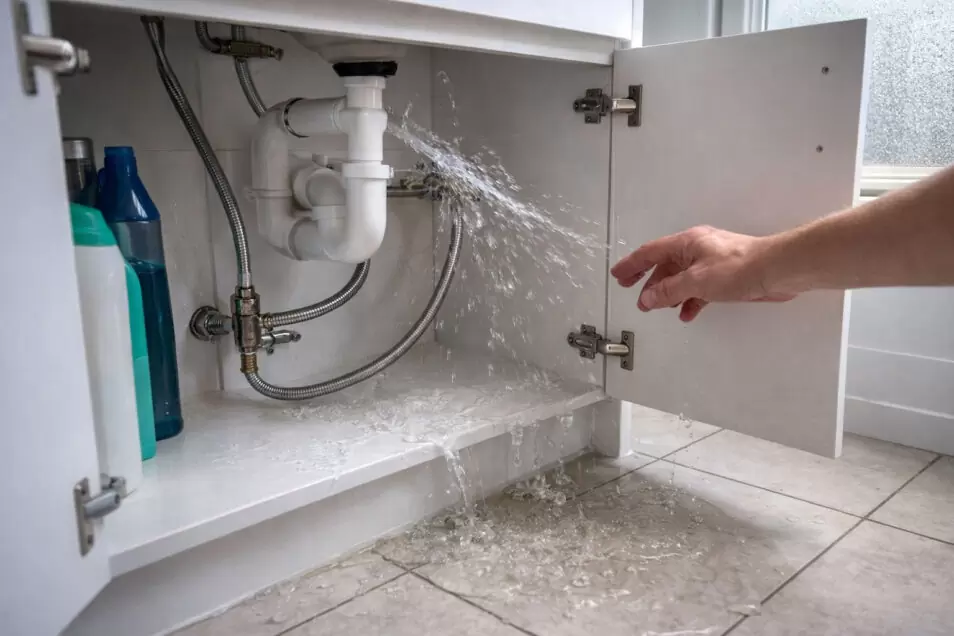
The most common causes of plumbing leaks on the Gold Coast — corroded pipes, failing seals, deteriorating flexi-hoses, tree root intrusion — share one thing in common: they rarely happen without warning. Most causes of water leaks in the home develop gradually from conditions that can be identified and addressed before they cause serious property damage. The challenge is knowing what to look for and when to act.
This guide covers both sides of the problem. The first half examines the causes our plumbers encounter most frequently on the Gold Coast, including the local environmental factors — salt air, sandy soils, subtropical humidity — that accelerate some of these issues faster than in other parts of Australia. The second half covers the practical prevention steps that make the biggest difference. For homeowners who already suspect a leak may be present, our complete guide to water leak detection on the Gold Coast is a good place to start alongside this article.
The Most Common Causes of Plumbing Leaks in Gold Coast Homes
Not every plumbing leak has the same origin or the same warning signs. Some develop slowly over months or years — a corroded pipe, a gradually failing seal, a flexi-hose braid quietly weakening behind a vanity cabinet. Others happen suddenly, without any prior indication. The causes below are the ones our plumbers encounter most frequently across Gold Coast homes, from older properties in Southport and Labrador to newer builds in Coomera and Pimpama.
Pipe Corrosion
Corroded pipes are one of the leading causes of water leaks in the home, particularly in properties built before the 1990s. Copper pipe corrodes gradually as its internal surface breaks down over time, while galvanised steel pipes — standard in many homes built before the 1980s — rust from the inside out as the protective zinc coating wears away, producing several of the warning signs your pipes need repair well before a leak becomes visible. The typical result is a pinhole leak: a small breach that starts slow, stays concealed inside a wall cavity or under a concrete slab, and only becomes apparent once water damage has already taken hold at the surface.
Pipe corrosion tends to advance faster on the Gold Coast than in many other parts of Australia. Salt air accelerates the breakdown of copper fittings and exposed metalwork on coastal and canal-front properties, compressing a deterioration process that might otherwise take decades. Ageing plumbing in these locations warrants closer monitoring than inland properties. Poly pipe, common in homes built from the 1990s onwards, is not immune either — UV exposure and the sandy soil movement that characterises much of the Gold Coast’s suburban landscape degrade poly pipe joints over time, creating the conditions for a concealed leak well before any visible failure occurs.
High Water Pressure
High water pressure is one of the more overlooked causes of water leaks in a house — not because it’s uncommon, but because it does its damage gradually and invisibly. The recommended operating range for residential plumbing in Queensland sits between 500 and 550 kPa. When pressure runs consistently above this, the entire plumbing system is under sustained stress: washers and O-rings wear faster, pipe joints work loose over time, and seals that might otherwise last years begin to fail prematurely. On the Gold Coast, high water pressure is a contributing factor in many burst pipe callouts that homeowners attribute simply to “old pipes.”
The problem is that most households have no idea what their water pressure is running at. There’s no visible indicator, no alarm, and no gradual symptom that’s easy to attribute to pressure specifically — just fixtures and fittings that seem to wear out faster than they should, and eventually a joint failure or burst pipe that appears to come out of nowhere. A water pressure regulator, or pressure reducing valve, is a straightforward solution that a licensed plumber can install to bring pressure back within the safe range — something we’ll cover in the prevention section below.
Flexi-Hose Failure
Flexi-hoses are the short, braided hoses that connect tapware, toilets, and appliances to the water supply — found under bathroom and kitchen sinks, behind toilets, and behind washing machines. They’re one of the most common plumbing components in any Gold Coast home, and flexi-hose failure is one of the most common plumbing problems we attend to across the Gold Coast — precisely because it’s so easy to overlook until something goes wrong.
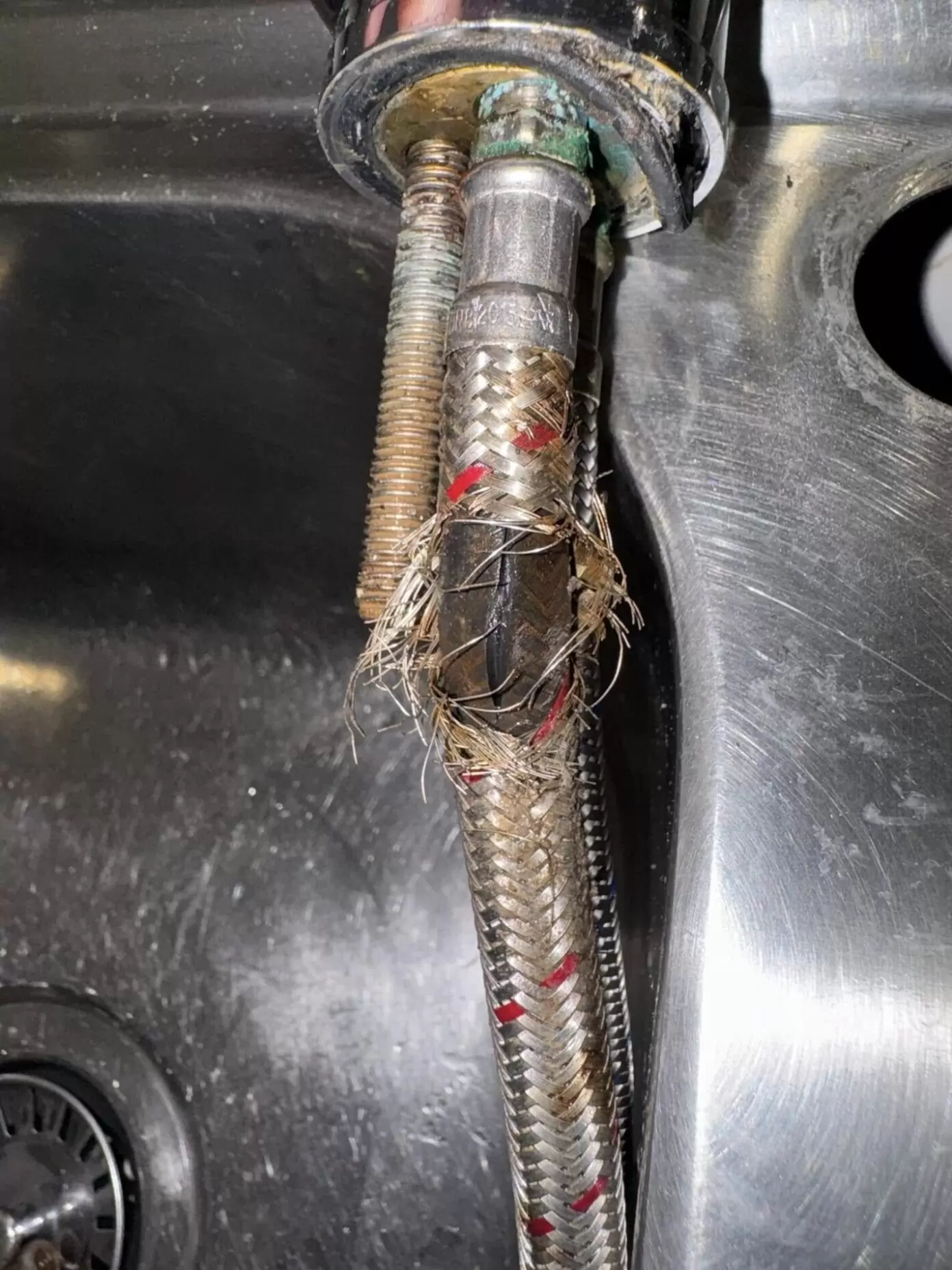
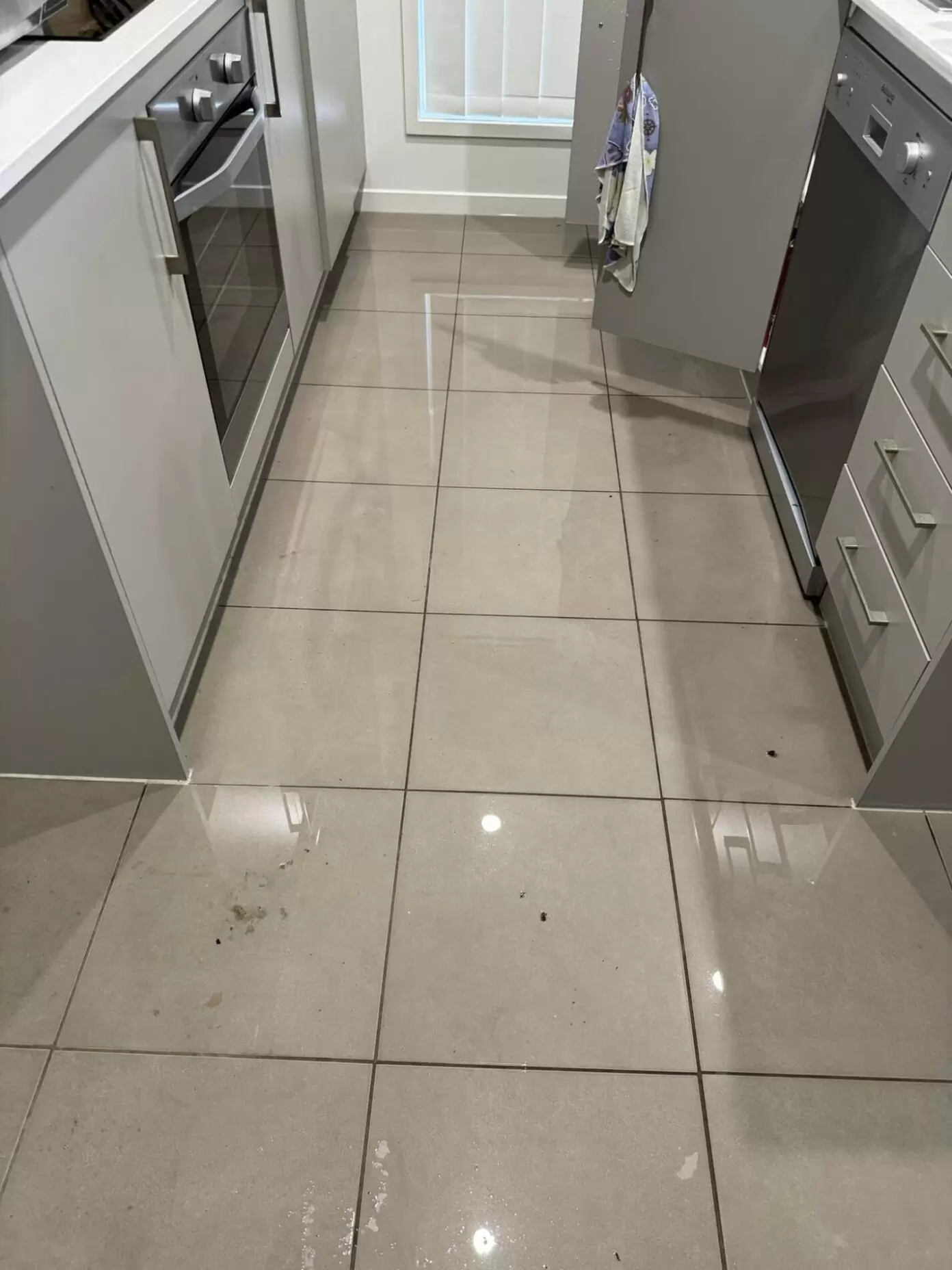
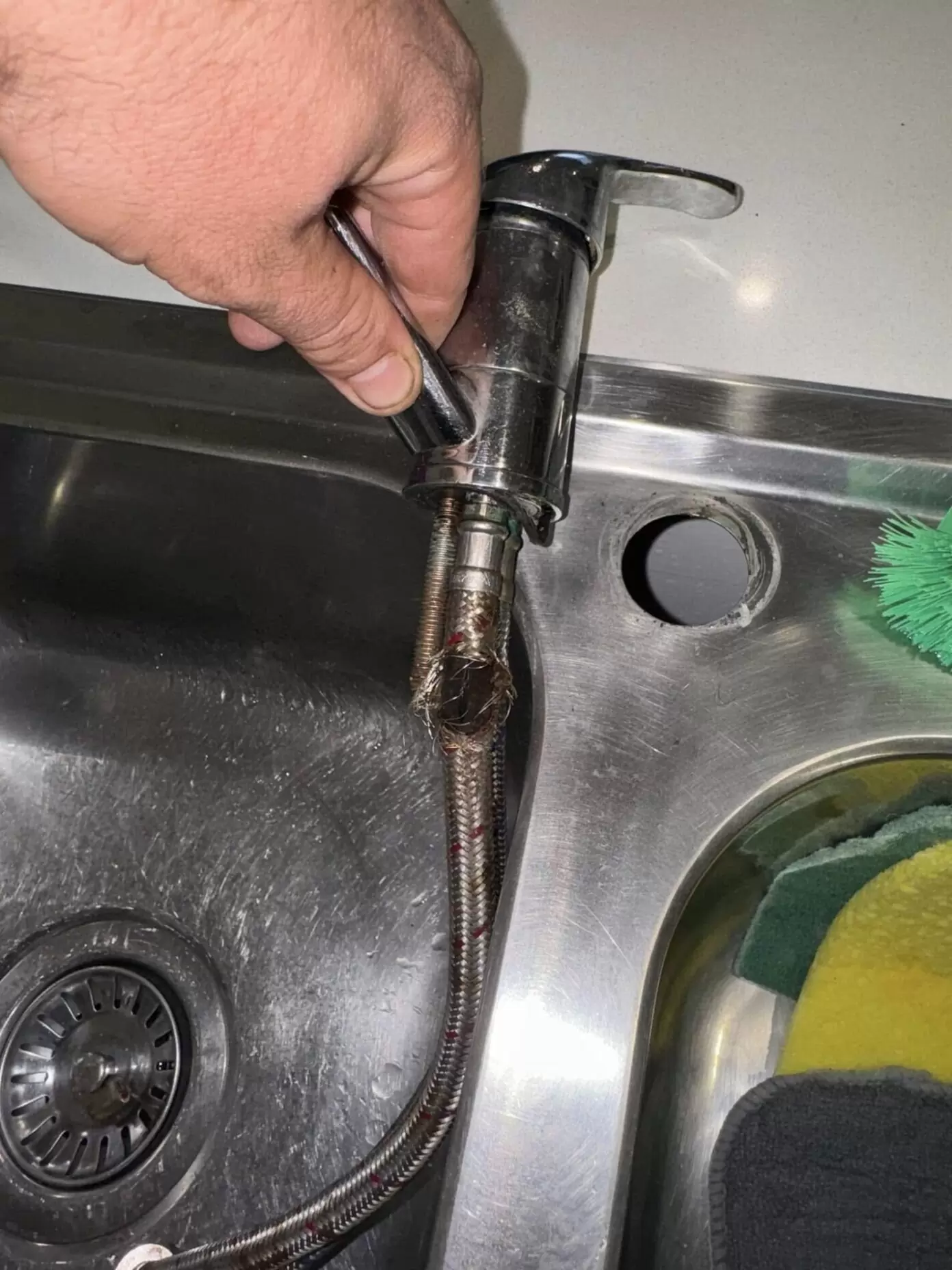
The problem with flexi-hoses is that failure rarely looks like failure until it’s too late. The external stainless steel braid can corrode and weaken while the hose appears completely intact from the outside — and on the Gold Coast, salt air accelerates this process considerably for properties near the coast or canals. A hose that looks fine during a visual check may be structurally compromised. When a burst flexi-hose lets go, it does so completely — discharging up to 1,500 litres of water per hour directly into a cabinet or concealed pipe space. A few hours undetected, and the water damage extends well beyond what’s visible.
The RACV recommends that flexi-hoses be checked regularly for signs of fraying, kinking, or rust, and replaced by a licensed plumber every five years regardless of how they look — because the internal deterioration that leads to flexi-hose failure often isn’t visible on the surface. It’s a small, inexpensive precaution against one of the most avoidable causes of major water damage in the home.
The below image from a job in Broadbeach shows just how damaging a split flexi-hose can be!
Worn or Deteriorating Seals and Washers
Every tap, toilet, and appliance connection in a home relies on rubber washers, O-rings, and seals to maintain a watertight fit. These components are small, inexpensive, and easy to overlook — and their gradual deterioration is one of the most common leaking pipe causes our plumbers encounter. As they age, the rubber hardens, shrinks, or cracks, and the seal that once held firm under water pressure begins to fail. A dripping tap is the most visible symptom, but the same process affects toilet inlet valves, shower connections, and the fittings behind appliances like dishwashers and washing machines, where a failing seal can go unnoticed for considerably longer because kitchen plumbing and appliance connections sit behind cabinetry rather than in open view.
Understanding why pipes leak often comes down to these small components more than the pipes themselves. On the Gold Coast, the combination of heat, humidity, and hard water mineral deposits accelerates the deterioration of washers and O-rings faster than in cooler or drier climates. Mineral buildup from hard water leaves deposits around fittings that abrade rubber surfaces over time, shortening the effective life of seals that might otherwise last years longer. If you’re finding that taps need re-washering more frequently than expected, or that toilet cisterns are running more often, deteriorating seals are likely the cause. Our team handles leaking tap repairs across the Gold Coast and can identify whether a simple washer replacement will resolve the issue or whether the fitting itself needs attention.
Tree Root Intrusion
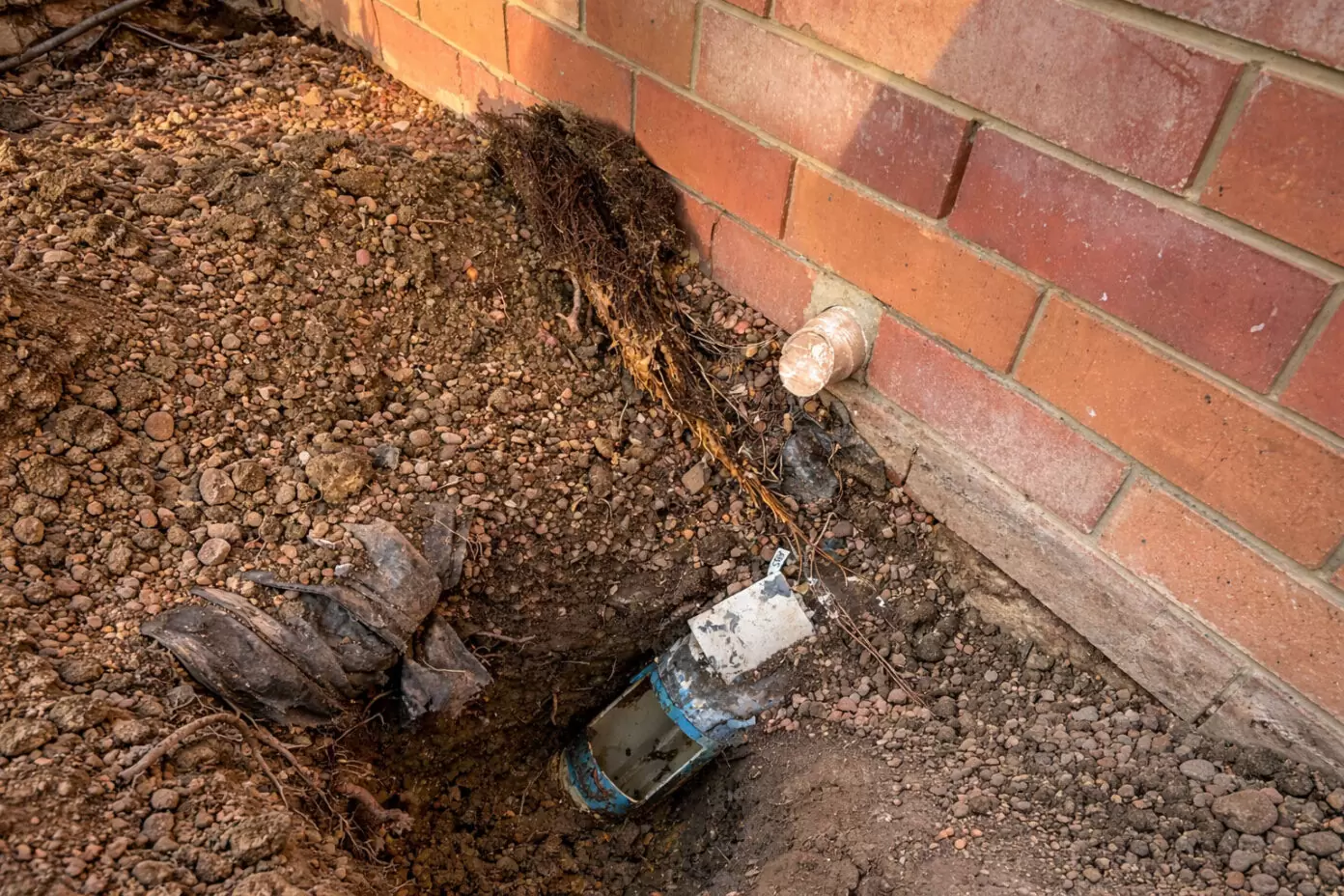
Tree roots follow moisture and nutrients — and underground pipes, even when functioning correctly, create both. A hairline crack in a pipe joint, a slightly deteriorating seal, or a connection that has shifted fractionally underground movement is enough for a fine root tip to find its way in. Once inside, roots grow toward the water source, gradually expanding until they block the pipe entirely or cause root damage that splits it open. What starts as a minor pipe joint failure becomes a blocked drain, and eventually a burst pipe or collapsed line requiring excavation to repair.
On the Gold Coast, tree root intrusion is among the more common causes of plumbing leaks and blockages we encounter. Fast-growing subtropical species — figs, paperbarks, golden cane palms, and others common in Gold Coast gardens — have aggressive root systems that can travel considerable distances in search of water. Sandy soil movement, particularly during the wet season when the water table rises and ground shifts, further stresses underground pipe joints and creates new entry points for roots that may not have been there the previous year. Allianz’s home insurance claims data identifies tree roots as one of the leading contributors to burst pipe claims across Australia — and the risk is amplified in subtropical environments where root systems are active year-round. If you have established trees close to water mains or sewer lines, periodic underground leak detection is a worthwhile precaution before root damage to pipes reaches the point of a significant repair.
Ageing or Poorly Installed Plumbing
Two distinct scenarios account for a significant share of the common plumbing problems our team attends to on the Gold Coast — and they sit at opposite ends of the age spectrum.
The first is ageing plumbing in older homes. Galvanised steel pipes, standard in many properties built before the 1970s, have a typical service life of 40 to 70 years — meaning many Gold Coast homes are running on infrastructure that is at or well past that threshold. Ageing copper pipe in slightly newer homes faces the same reality. Old pipes don’t fail all at once; they develop concealed leaks gradually, often inside walls or through in-slab pipe runs where the deterioration isn’t visible until water damage surfaces elsewhere in the home.
The second scenario is poor installation in newer properties. The rapid pace of residential development across Gold Coast suburbs over the past two decades has produced its share of plumbing shortcuts — incorrect pipe grades that affect drainage flow, inadequate backfill around underground poly pipe leaving it vulnerable to ground movement, and fittings that weren’t properly secured at installation. These issues don’t always show up immediately, which is part of what makes them difficult to anticipate. Why pipes leak in a relatively new home isn’t always obvious to a homeowner, and without a professional inspection, the underlying cause can remain unidentified while the damage continues.
In both cases — whether it’s ageing infrastructure or poor installation — the problem is rarely visible without a licensed plumber taking a closer look.
How to Prevent Plumbing Leaks in Your Home
Preventing plumbing leaks doesn’t require significant investment or specialist knowledge — mostly it comes down to awareness, routine checks, and knowing when to call a licensed plumber rather than leaving something to chance. The steps below are practical and achievable for any Gold Coast homeowner, and each one addresses a specific cause covered in the first half of this article.
Replace Flexi-Hoses Every Five Years
Given that flexi-hose failure is one of the most common and most preventable causes of serious water damage in Australian homes, this is the single most impactful thing most homeowners can do. Check under every sink in the kitchen, bathroom, and laundry, behind every toilet, and behind the washing machine. Look for any sign of bulging, kinking, fraying, or surface rust on the external braid — any of these is a reason to replace immediately, regardless of the hose’s age.
The five-year replacement rule applies even when hoses look fine. As covered earlier, the internal deterioration that leads to a burst flexi-hose often isn’t visible from the outside, and salt air corrosion on the Gold Coast accelerates that process. Always use a licensed plumber for installation — improper fitting is itself a common cause of early flexi-hose failure, and it also voids the protection offered by having the work professionally certified in the event of a water damage insurance claim.
Check and Regulate Your Water Pressure
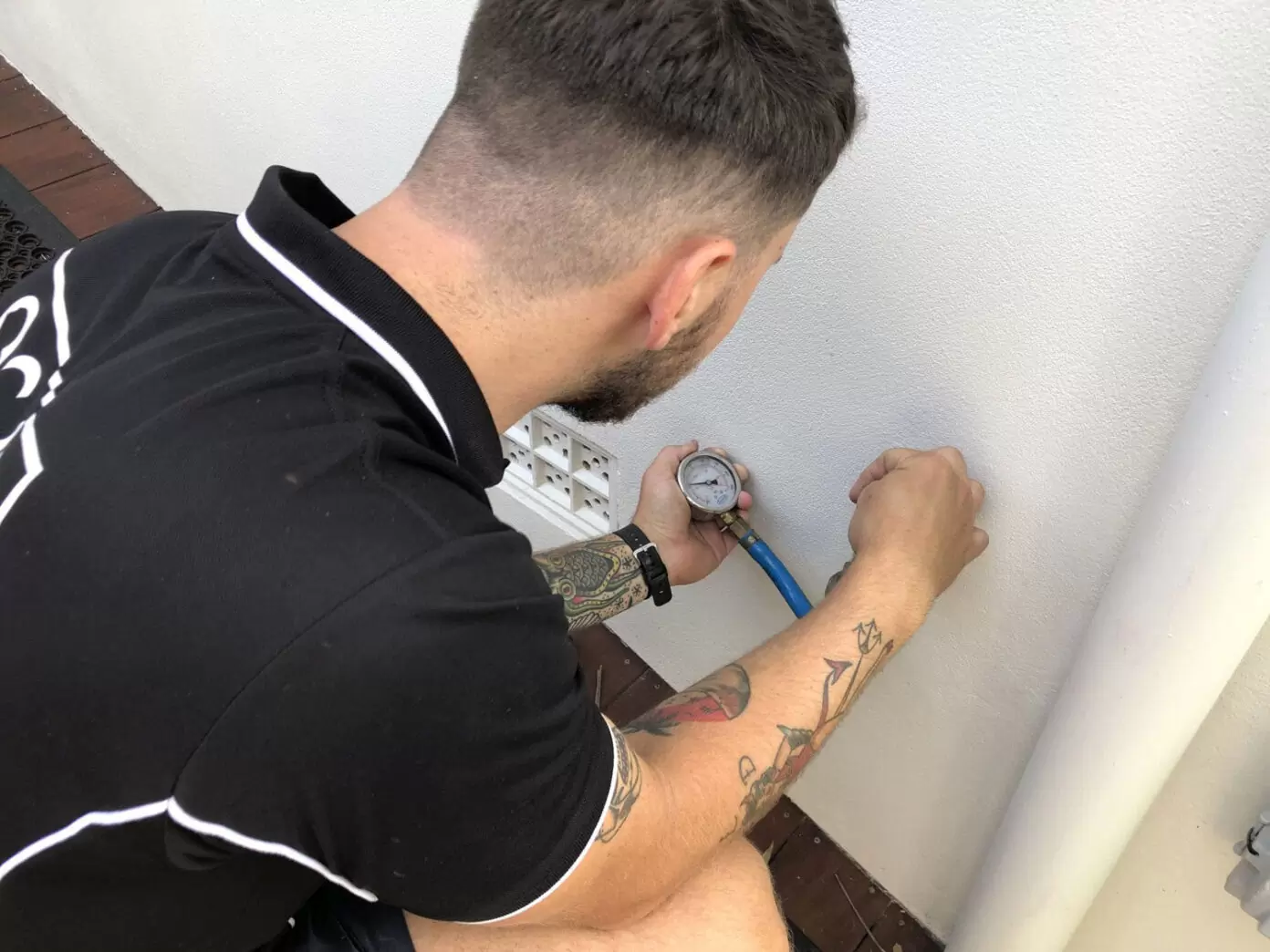
One of the more straightforward ways to prevent water leaks at home is also one of the least commonly acted on. Checking your water pressure requires nothing more than an inexpensive gauge — available at most hardware stores — fitted to an outdoor tap. If the reading consistently sits above 500 kPa, your plumbing system is under more stress than it should be.
The practical consequence of running high is accelerated wear across the entire system — worn washers, deteriorating O-rings, and pipe joint failure that occurs earlier than it otherwise would. It also increases the risk of a sudden failure during a pressure spike. A pressure reducing valve, installed by a licensed plumber, brings pressure back within the safe range and stays there — it’s a one-time fix that extends the life of washers, seals, and joints throughout the home. The Water Corporation of Australia notes that monitoring water usage and pressure is one of the most effective ways to stop pipes leaking before damage occurs. If you haven’t checked your pressure recently, it’s worth doing — particularly in older Gold Coast homes where the plumbing was never designed around a pressure regulator.
Be Mindful of What You Plant and Where
Landscaping decisions made today can create plumbing problems years down the track. Fast-growing or large-canopy species planted near water mains, sewer lines, or stormwater drainage pipes are a long-term risk — their root systems will eventually find underground pipes, and on the Gold Coast’s sandy, shifting soils, that process tends to happen faster than in more stable ground conditions.
Before planting anything substantial, it’s worth checking the approximate location of underground pipes on your property. Species with aggressive or wide-spreading root systems — figs, bamboo, golden cane palms, and large natives among them — are best kept well away from known pipe runs. Where you want larger plantings close to the house, choosing species with contained, less invasive root systems significantly reduces the long-term risk of root damage to pipes and blocked drains.
For properties where established trees are already growing close to underground infrastructure, a plumbing inspection with a CCTV drain camera is the most reliable way to check whether tree root intrusion has already begun. Catching early root incursion before it reaches the point of a blocked or burst pipe is considerably less disruptive — and less expensive — than dealing with the consequences after the fact.
Schedule Regular Plumbing Maintenance
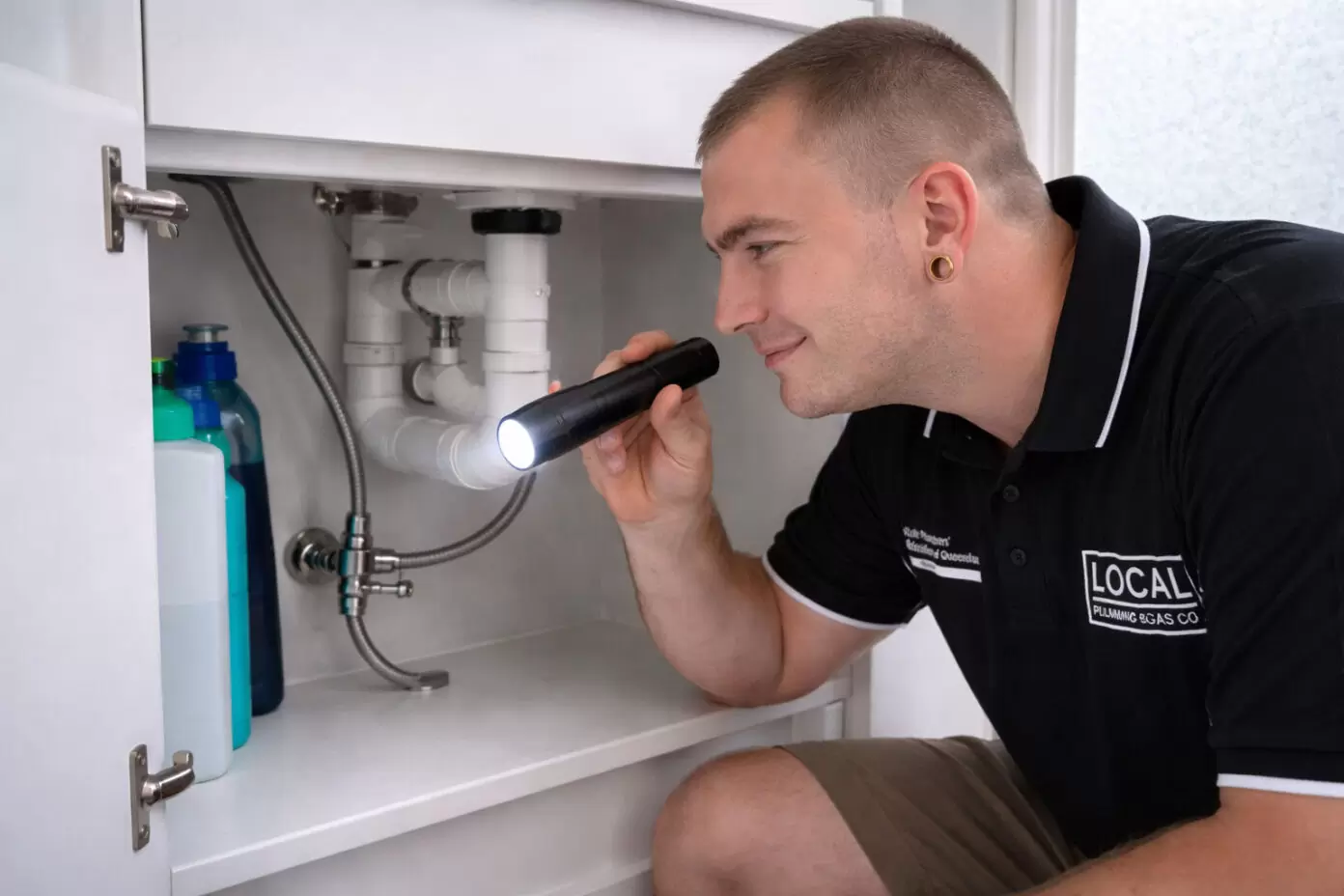
Of all the plumbing maintenance tips available to Gold Coast homeowners, a routine professional inspection is the most reliable way to catch developing issues before they become leaks. A standard plumbing maintenance visit covers the bases that most homeowners can’t easily check themselves — water pressure testing, visible pipe and joint inspection, tap and toilet seal assessment, and early corrosion identification on copper fittings and flexi-hose connections. Issues that would otherwise go unnoticed until water damage appears can be identified and resolved at a fraction of the eventual repair cost.
On the Gold Coast, the environmental risk factors covered in this article — salt air corrosion, sandy soil movement, heat and humidity accelerating seal deterioration — make a regular plumbing inspection a more sensible investment than in many other parts of Australia. An annual or biennial schedule is a reasonable baseline for most properties, with coastal and canal-front homes warranting closer attention given the accelerated corrosion risk. Early detection of a developing issue costs considerably less than the water damage prevention bill that follows an undetected leak — and a plumbing maintenance schedule is the most practical way to stay ahead of problems that the Gold Coast environment makes more likely than most homeowners realise.
Know Where Your Main Shut-Off Valve Is
This one isn’t strictly a prevention measure — but it’s one of the most effective ways to prevent water leaks at home from becoming a significantly more expensive problem. When a pipe bursts or a flexi-hose fails suddenly, the difference between a manageable repair and extensive water damage often comes down to how quickly the water supply is turned off.
On a Gold Coast property, the main shut-off valve is typically located in the water meter box at the front boundary of the property — usually set into the council grass verge or just inside the front fence line. Lifting the meter box lid gives access to the valve, which can be turned off by hand or with a simple tool. It takes seconds once you know where it is and how it works.
The problem is that in a genuine emergency plumbing situation — a burst pipe, a flexi-hose that has let go, water running across the floor — most people don’t know where their shut-off valve is, and finding it under pressure costs valuable time and water damage. Make sure every adult in the household knows the location of the main water shut-off and has physically located it before an emergency makes it urgent.
When Prevention Isn’t Enough
Even well-maintained homes develop leaks. Concealed pipes inside walls, in-slab pipe runs, and underground mains are simply not accessible to visual inspection — and some of the most common causes of plumbing leaks on the Gold Coast, including pipe corrosion and tree root intrusion, develop in exactly these locations. Prevention reduces the risk considerably, but it doesn’t eliminate it entirely.
If any signs of a hidden water leak appear — an unexplained rise in your water bill, a musty smell, soft flooring, or a warm patch on a slab floor — professional detection is the next step. Our guide to water leak signs Gold Coast homeowners commonly miss covers what to look for in detail. When you’re ready to act, our water leak detection services use acoustic, thermal, and pressure-based methods to locate concealed and underground leaks accurately — without unnecessary excavation or damage to your property.
Prevent Leaks Before They Start
Our Gold Coast plumbers provide plumbing maintenance and plumbing inspections across the region — covering flexi-hose checks, water pressure testing, corrosion assessment, and CCTV drain camera inspection for tree root intrusion. With a $0 call out fee, there’s no reason to wait until a developing issue becomes a costly repair.
Contact us to book an inspection.