Water Leak Signs Gold Coast Homeowners Often Miss
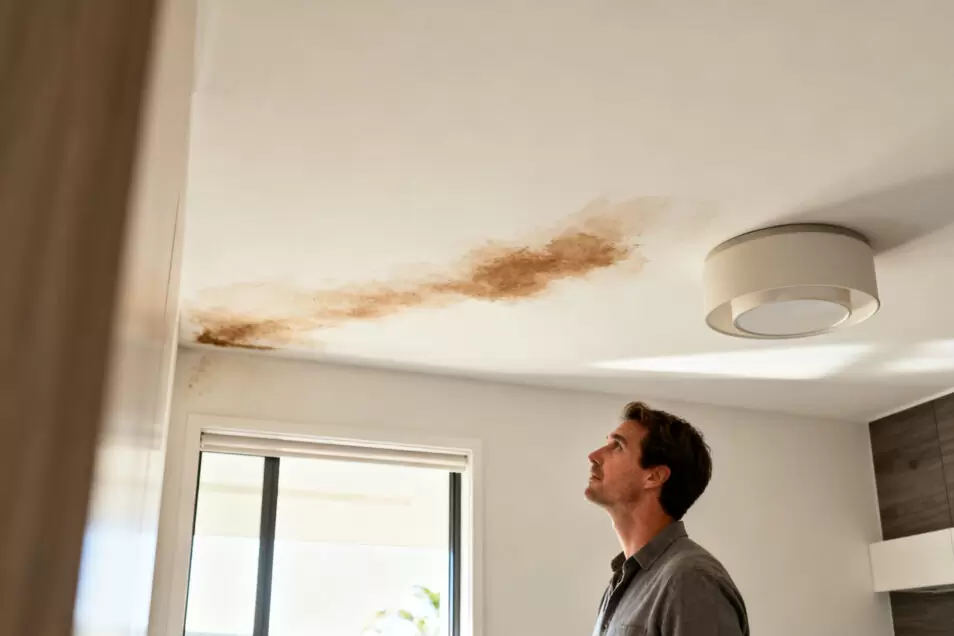
Most people assume a water leak would be obvious — a puddle, a drip, something you’d notice straight away. The reality is that many of the most damaging leaks on the Gold Coast go undetected for months, because the early signs are easy to rationalise away. A slightly higher water bill gets blamed on the summer heat. A musty smell gets put down to humidity. A patch of damp flooring is written off as condensation. By the time something undeniable appears — a ceiling stain, mould spreading through a wall cavity, or visible structural damage — the leak has often been running for a long time, quietly compounding the problem.
Knowing what to look for — and resisting the urge to explain it away — is the difference between catching a concealed water leak early and facing a costly repair bill. This guide covers the hidden water leak signs that Gold Coast homeowners most commonly miss, and what to do if you recognise any of them. For a broader overview of water leak detection on the Gold Coast, see our complete guide.
Why Water Leaks Are So Easy to Miss on the Gold Coast
The Gold Coast environment creates conditions where the signs of a concealed water leak are genuinely harder to read than in most other parts of Australia. High ambient humidity means that moisture on walls, a damp smell in a room, or condensation around pipes can all be attributed to the climate — and often are, for months longer than they should be. When a hidden water leak produces the same surface symptoms as an ordinary Queensland afternoon, it’s easy to see why homeowners don’t act straight away. These are precisely the conditions where a silent leak can run undetected the longest.
Beneath the surface, the region’s sandy and shifting soils accelerate underground pipe movement, but the leak itself may surface unpredictably — sometimes metres away from the actual break. Salt air corrosion, particularly in coastal and canal-front properties, causes gradual pinhole leaks in copper pipes and fittings that start as a slow seep long before they become visible. It’s one of several causes of plumbing leaks we see across the region, and it’s not just older homes at risk either — the rapid residential development in suburbs like Coomera, Pimpama, and Ormeau has seen large volumes of poly pipe installed, which is not immune to joint failure or ground movement over time.
The Water Leak Signs Most Gold Coast Homeowners Dismiss
Not every water leak announces itself. The signs below are the ones that tend to get noticed, reconsidered, and ultimately dismissed — sometimes for months. Each one has a perfectly reasonable alternative explanation, which is exactly why they’re so easy to ignore. If you recognise more than one of the following in your home, the chances of a concealed or hidden water leak increase significantly.
A Water Bill That’s Crept Up Gradually
It’s rarely a shock — it’s a slow creep. A few extra dollars one quarter, a little more the next, each increase easy to explain away as the kids being home from school, longer showers in summer, or the garden needing more water. But if your kilolitre usage is climbing steadily without a clear change in household behaviour, a water usage spike like this is one of the clearest signs of a water leak worth investigating.
A dripping tap wastes around 9,000 litres of water per year. A leaking toilet cistern — one that seeps continuously from the tank into the bowl without making a sound — can waste more than 60,000 litres annually. Neither makes noise. Neither leaves a puddle. Neither will appear on a visual inspection of the home. For many Gold Coast homeowners, an unexplained high water bill is the first and only early indicator they get — and it’s the one sign most people are slowest to act on.
If your water notices show a pattern of rising usage with no obvious explanation, it’s worth running a basic water meter test before assuming it’s just the household. The Gold Coast City Council provides guidance on checking for leaks via your water meter — it takes less than 30 minutes and can confirm or rule out a leak without calling anyone.
Mould Appearing in Places It Shouldn’t
Mould in the shower recess or on grout is common in any Queensland home — the humidity makes it almost inevitable. That kind of mould is a cleaning issue, not a plumbing one. The mould worth paying attention to is the kind that appears away from wet areas entirely: on a wall in the hallway, on the back panel of a vanity cabinet, on a ceiling that isn’t directly below a bathroom, or creeping along a skirting board in a room that should be dry. These are potential signs of a water leak inside your walls — a meaningful distinction from surface mould, and worth checking against the broader warning signs your pipes need repair if a corroding pipe rather than a fixture turns out to be the cause.
In Gold Coast conditions, a damp wall cavity from a concealed leak can become a mould environment within 24 to 48 hours. By the time mould growth is visible on the surface, moisture has typically been present behind the wall for considerably longer. Beyond the structural damage to wall framing and insulation, mould in enclosed spaces carries genuine health implications — Queensland Health notes that exposure can cause respiratory symptoms, allergic reactions, and worsen conditions like asthma.
Paint or Wallpaper That’s Bubbling or Peeling
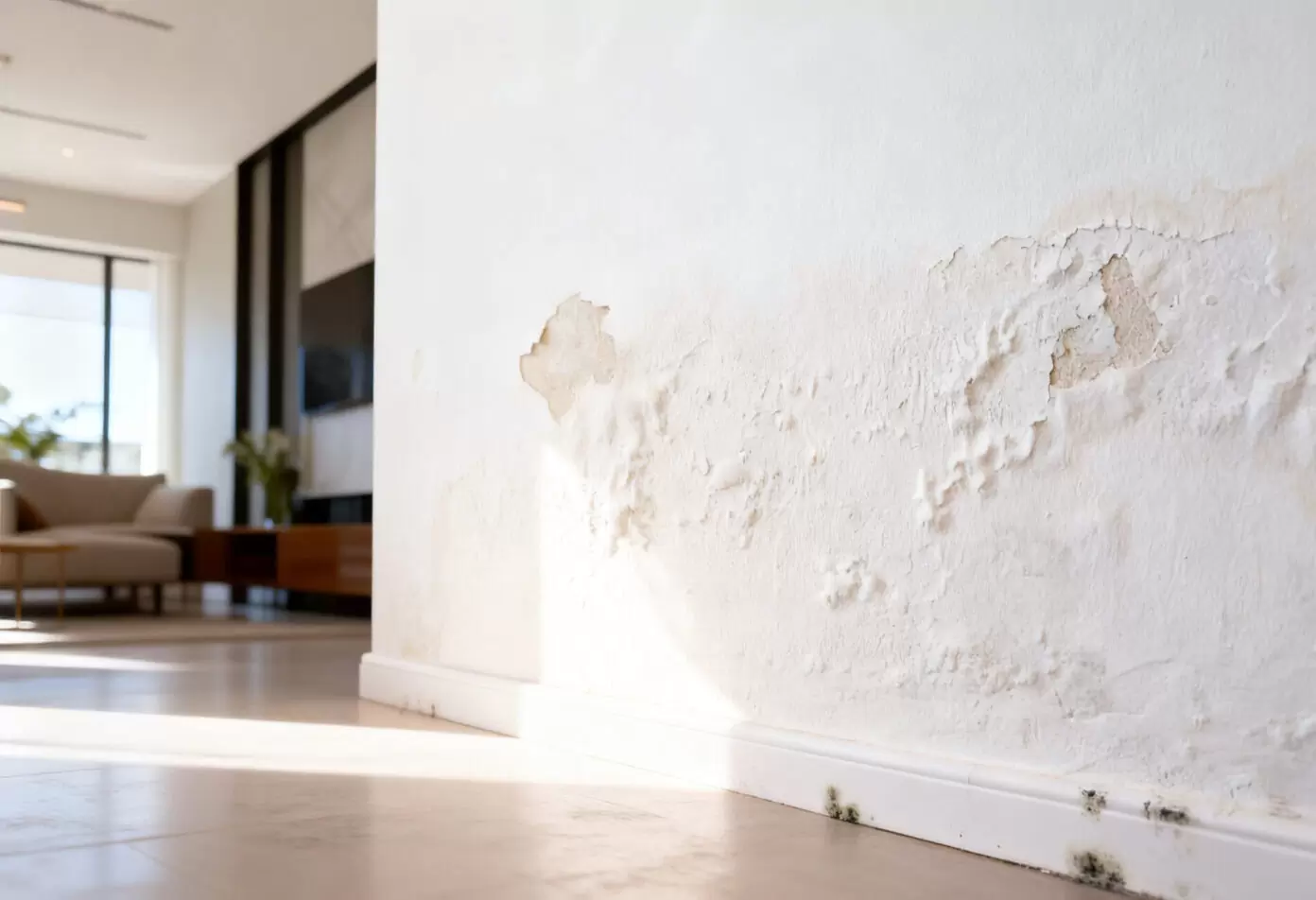
Cheap paint peels. Old wallpaper lifts at the edges. Both are easy to blame on age or a budget renovation. But bubbling paint or peeling wallpaper on an interior wall — particularly near a bathroom, laundry, or kitchen — is a common sign of water damage working its way behind the surface from a concealed pipe leak. Damp walls don’t always feel wet to the touch at this stage, which is part of why this sign gets dismissed as cosmetic for so long.
What catches homeowners off guard is that the visible symptom is often not directly over the leak. Water travels along pipe runs, wall studs, and ceiling beams before it finds somewhere to surface, which means a bubbling patch of paint in a hallway could point to a leak originating several metres away. If the affected area keeps returning after repainting, or spreads over time, it almost certainly warrants a plumbing inspection rather than another coat of paint.
Soft, Spongy, or Slightly Warped Flooring
A springy spot in the floorboards gets blamed on age. A subtle warp in the laundry gets noted and forgotten. If the home was purchased that way, it rarely gets a second thought. But these are common water leak symptoms that homeowners overlook — soft flooring, spongy floorboards, and warped floors in bathrooms, kitchens, or laundries are often the result of water getting in somewhere for an extended period.
The concern with this sign is what it implies about timing. By the time flooring is noticeably soft or visibly warped, the subfloor has typically been absorbing moisture for months. The water damage at that stage is rarely superficial — rotting timber and weakened structural supports are common consequences, and persistently damp subfloor conditions are also known to attract termites. What looks like a cosmetic flooring issue can turn out to be a significantly more expensive repair once the source is found and the full extent of the damage is assessed.
Warm or Hot Patches on a Concrete Slab Floor
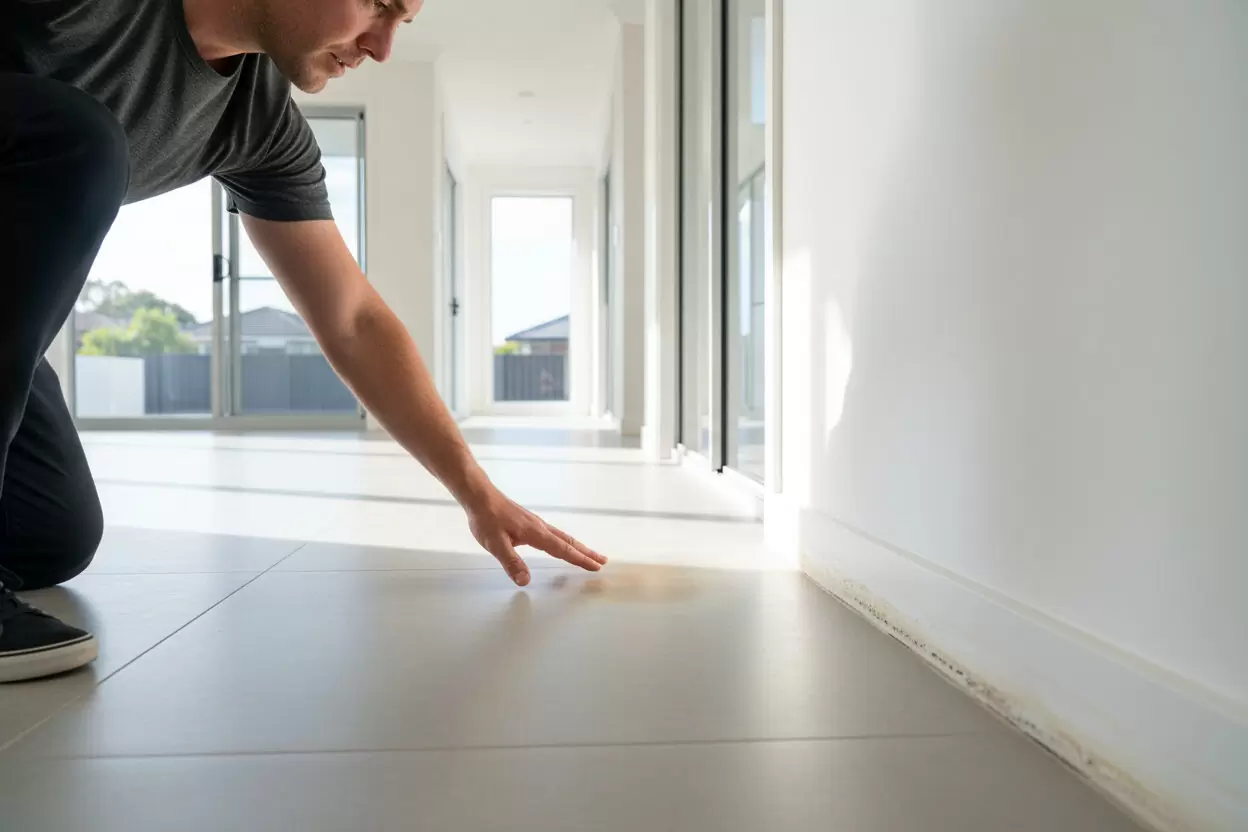
Most Gold Coast homes built from the 1970s onwards have hot water pipes running through or under the concrete slab. When one of those pipes develops a leak, the escaping hot water warms the slab above it — creating a hot spot on the floor that feels noticeably warmer than the surrounding area, and a classic sign of a water leak under the slab.
The rationalisation is almost always the same: warm concrete is normal in Queensland summers, and that’s true. But a heat patch from sun exposure moves throughout the day as the light shifts. A patch that stays in the same spot regardless of time of day, that feels warm even first thing in the morning, or that sits in a hallway or internal room away from direct sun, is a different matter entirely. In-slab leaks on the Gold Coast are among the most costly water leak repairs a homeowner can face — structural damage to the surrounding slab and substructure compounds the longer they run undetected. If you notice a fixed warm patch on a slab floor, professional water leak detection sooner rather than later is the right call.
A Toilet That “Just Runs Sometimes”
The cistern refills, makes a noise, and then settles. It’s been doing it for months. It’s easy to assume it’s normal — a quirk of the plumbing, something that sorts itself out. These are silent water leak signs that rarely get acted on, and a running toilet is one of the most common examples.
A silent toilet leak occurs when the cistern seal deteriorates and water seeps continuously from the tank into the bowl without producing an audible drip or visible puddle. There’s no overflow, no wet floor, and no obvious sign anything is wrong. But a leaking toilet cistern can cause a significant water bill spike — wasting more than 60,000 litres per year — showing up only as a gradual, unexplained rise in your usage. A simple way to check is the water meter test: run no water for 30 minutes and watch the meter. Alternatively, place a few drops of food colouring into the cistern and leave it for ten minutes without flushing — if colour appears in the bowl, the seal is leaking. It won’t fix itself, and given the volume of water a running toilet can waste, it’s worth attending to promptly.
Persistently Green or Lush Grass in One Patch of the Yard

One section of the lawn that stays noticeably greener, longer, or softer underfoot than the rest — particularly during dry periods when surrounding grass is struggling — is worth investigating. The common assumption is better soil, more sun, or a lucky patch. The more likely explanation in a suburban Gold Coast property is a concealed underground water leak providing a consistent water source directly beneath the surface.
Underground water main leaks and irrigation line failures both produce this effect, and on the Gold Coast they’re more common than many homeowners expect. Sandy soil movement — particularly in areas where the water table shifts with wet season rainfall — accelerates underground pipe joint failure, and a soggy lawn patch is often one of the first signs of an underground water leak on the Gold Coast to appear at the surface. The water doesn’t always surface directly above the break, which is why the green patch may appear some distance from where the pipe has actually failed. If it persists through dry weather and doesn’t respond to changes in your watering routine, an underground leak detection inspection is the logical next step.
The Danger of Waiting
Every water leak symptom covered above has one thing in common: it gets significantly worse the longer it goes unaddressed. Mould spreads through wall cavities and into structural framing. Subfloor timber rots, weakens, and creates conditions that attract termites. In-slab leaks undermine concrete foundations over time. What starts as a slow drip becomes water damage that affects the structural integrity of the home — and the repair bill grows accordingly.
There are insurance implications to consider as well. Most Australian home insurance policies require policyholders to take reasonable steps to prevent further damage once a problem becomes apparent. If signs of a water leak were visible — peeling paint, mould in unexpected places, a persistently high water bill — and no action was taken, that delay can affect claim eligibility. Early detection isn’t just about saving water; it’s about protecting your claim.
It’s also worth noting what can happen when a concealed leak becomes an acute one. According to Suncorp’s research into the impacts of water damage at home, a burst flexi-hose can discharge up to 1,500 litres of water per hour — and approximately 30% of flexi-hoses inspected show signs of needing replacement. Knowing how to tell if you have a water leak before it reaches that point is one of the most valuable things a homeowner can do for their property.
What to Do If You Recognise Any of These Signs
If any of the signs above sound familiar, here’s how to approach it.
Start with the water meter test. Turn off every tap, appliance, and water source in the home, then watch the meter for 30 minutes. If it moves, you have a leak somewhere. For a full walkthrough of how to do this — and what to do once you’ve confirmed a leak — see our guide on how to detect hidden water leaks on the Gold Coast.
If the meter confirms a leak, check the obvious fixtures first — toilets using the food colouring test, taps for drips, and flexi-hoses under sinks and behind toilets for any sign of moisture or corrosion. These are the most common sources and the easiest to identify without specialist equipment.
If you can’t locate the source but the signs persist, that’s when to call a licensed plumber. How do you know if you have a water leak that’s concealed or underground? You often can’t — not without professional equipment. Acoustic detection, thermal imaging, and pressure-based testing can locate concealed and underground leaks non-invasively, without excavation or unnecessary damage to your property. Our water leak detection services cover the full Gold Coast, and with a $0 call out fee, early detection costs far less than delayed repairs. If you’d prefer a broader plumbing inspection to check the overall condition of your plumbing at the same time, that’s an option worth considering too.
Think You Might Have a Leak? Don’t Wait.
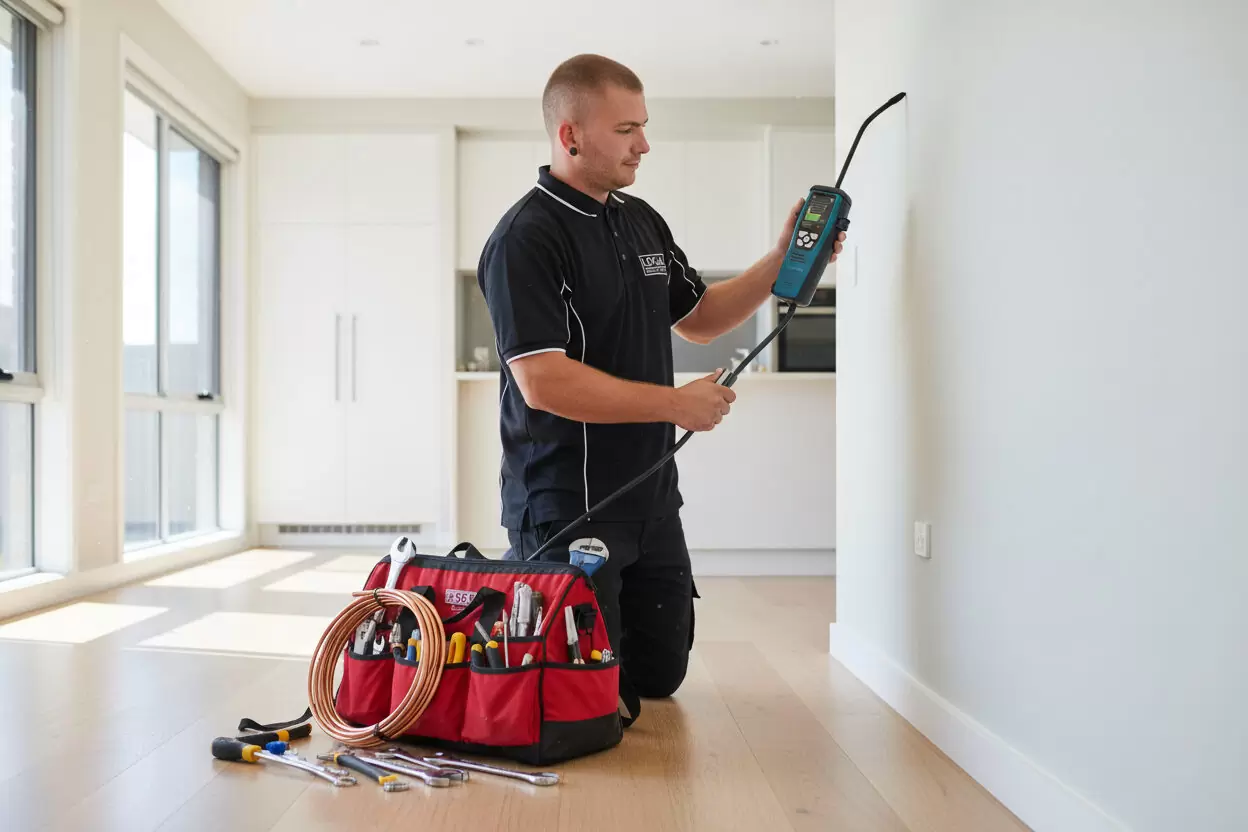
Our licensed plumbers provide water leak repairs across the Gold Coast — including acoustic, thermal, and pressure-based detection for concealed and underground leaks. With a $0 call out fee and same-day availability in most areas, the sooner you call, the less damage there is to deal with.
Contact our team to book an inspection.