10 Warning Signs You Need a Hot Water Plumber (Before It Gets Expensive)
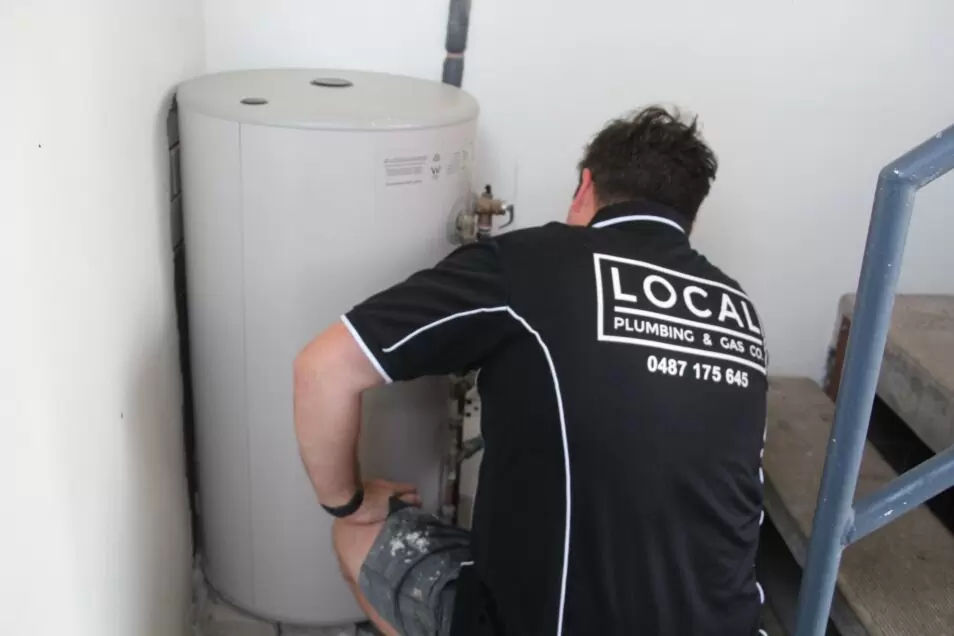
When it comes to your hot water system, not just any plumber will do. You need a specialised hot water plumber to tackle the specific issues that come with these systems. I’ve seen plenty of Gold Coast homeowners wait too long to call a professional, often overlooking small signs that lead to major system failures and costly repairs.
This guide lays out the key warning signs that mean you need a licenced hot water plumber. I’ll also cover the risks of DIY fixes or hiring unqualified tradies, and why turning to professionals ensures your equipment stays safe, compliant, and running efficiently. Whether it’s a gas hot water system, solar setup, or emergency hot water repairs, working with licenced experts can save you money and headaches down the track.
If you’ve searched for “hot water plumbers near me” or need a reliable hot water system plumber, this guide will help you spot the early signs and choose the right solution. Keep reading to protect your home, your system, and your wallet.
Sign #1: No Hot Water or Intermittent Hot Water
Few things are more inconvenient than stepping into the shower only to find there’s no hot water or barely enough to last a few minutes. This is one of the most common problems I see as a hot water plumber on the Gold Coast, and while it’s frustrating, the good news is that it’s often fixable with the right expertise.
Common Causes
When hot water won’t turn on or keeps cutting out, the issue could result from several common culprits, including:
- A thermostat failure causing inaccurate temperature control.
- A tripped switch or circuit fault disrupting power to the system.
- A blown element that needs replacing.
- A gas ignition fault in systems relying on gas for heating.
It takes a trained eye to spot the exact cause and resolve it quickly.
What a Specialist Hot Water Plumber Checks
Diagnosing the problem goes beyond surface-level symptoms. When we’re called out to fix no hot water or intermittent issues, here’s what we typically look for:
- Temperature Settings: Ensuring the system is set to the right temperature range and hasn’t been accidentally changed.
- Supply Line Integrity: Checking for leaks or blockages in the water supply lines that could reduce efficiency.
- Element Condition: Inspecting for wear or damage to heating elements that may need replacement.
- Control Boards: For modern systems, we troubleshoot control boards and electronics for faults impacting performance.
This thorough approach ensures we pinpoint the root cause and provide a solution that works long-term.
Why It Matters
Ignoring a lack of hot water or intermittent supply can lead to bigger problems. It’s often a sign of underlying electrical or gas faults, which require licenced intervention to not only fix but also ensure safety. I’ve been to homes where DIY attempts or ignoring the problem caused additional damage, costing far more than if a professional had been called right away.
TL;DR: If you’ve got no hot water or problems with intermittent heating, it could be due to thermostat issues, element failure, circuit faults, or gas ignition problems. A hot water service plumber will inspect temperature settings, supply lines, elements, and control boards to find and fix the cause. Don’t ignore it; these problems often signal electric or gas issues that need professional attention. Call a Gold Coast hot water plumber for prompt help!
Sign #2: Water That’s Too Hot or Not Hot Enough
Dealing with water that’s boiling one moment and lukewarm the next? You’re not alone. As a hot water system plumber, I frequently get calls from Gold Coast homeowners frustrated with inconsistent water temperatures. While it might not seem like an urgent problem, fluctuating water temperature can be a sign of bigger issues affecting your system’s safety and efficiency.
Potential Causes
Hot water that’s too hot, not hot enough, or constantly fluctuating often points to one of these common problems:
- Failed Tempering Valve: A faulty tempering valve, which mixes hot and cold water to regulate the temperature, can throw off your system entirely. Without it, the water may come out dangerously hot. Queensland law requires tempering valves to be installed and maintained in line with safety standards.
- Incorrect Thermostat Calibration: If the thermostat is out of calibration, it won’t accurately monitor or control the water temperature.
- Sensor Faults: Modern systems use sensors to control heating cycles. When these fail, you’ll notice erratic performance.
Pinpointing these causes requires specialist hot water plumbers who understand the ins and outs of calibration and regulation.
Why It Matters
Water temperature issues aren’t just an inconvenience; they affect both efficiency and safety. Water that’s too hot poses a serious scalding risk, especially for kids and elderly family members. In fact, around 1,200 Australian children under five are treated in emergency departments each year for scald injuries—many from hot tap water. On the other hand, water that’s not hot enough might indicate your system is working harder than it should to keep up with demand, increasing energy costs and wear on components.
Another important factor is whether your system capacity matches your household’s needs. If you’ve recently added new bathrooms or have more people in the house, your tank or instant heater might be struggling to keep up.
What to Watch For
Here are some tell-tale signs that your water heater might be mismatched to your household demand or due for repairs:
- Temperature Fluctuations: Sudden shifts between hot and cold water while showering.
- Water Not Heating Properly: Your system struggles to sustain a consistent temperature.
- Water Runouts: You regularly run out of hot water too quickly, indicating capacity issues.
If you’re noticing these symptoms, a professional hot water plumbing service can assess the situation and recommend the right fix or upgrade.
TL;DR: Fluctuating water temperatures or water that’s too hot or not hot enough can indicate issues such as a failed tempering valve, thermostat calibration problems, or sensor faults. These issues affect efficiency, safety, and household comfort. A hot water plumber can diagnose the problem and ensure your system is safely regulated, meeting your home’s demands. Don’t ignore the signs—call the right professionals for a reliable solution.
Sign #3: Rusty, Discoloured or Smelly Hot Water
If you’ve noticed your hot water coming out rusty, discoloured, or even with a strange smell, it’s a red flag that something’s not right. Over the years, I’ve seen plenty of systems showing these symptoms, and trust me, they’re not problems you can ignore. Left unattended, these issues often lead to major failures and costly replacements down the track.
What Causes Rusty, Discoloured or Smelly Hot Water?
- Corrosion in the Tank: The tank’s lining can corrode over time, causing rust particles to contaminate your water. This is especially common in older systems.
- Sacrificial Anode Breakdown: Hot water tanks use an anode rod to prevent rust; once it’s corroded completely, the tank itself starts breaking down.
- Bacterial Growth: If you’ve got a solar hot water system or you don’t use hot water frequently, stagnant water can become a breeding ground for bacteria. This is one of the main reasons you might notice a metallic, sulphur-like smell.
Why You Need to Act Quickly
It might start with water that’s just slightly off, but ignoring these signs can push your system to the brink of failure. Corrosion in the tank can spread quickly, leading to leaks or requiring a full system replacement. I’ve seen situations where a simple anode replacement or tank flush could’ve saved homeowners thousands if caught early. Plus, it’s worth noting that smelly or discoloured water isn’t just unpleasant; it could also be a health risk, depending on what’s lurking in your tank. The Australian Drinking Water Guidelines highlight the importance of maintaining water systems to prevent contamination and ensure water safety.
What Can a Specialist Hot Water Plumbing Company Do?
When we’re called to troubleshoot these issues, here’s what we typically check and recommend:
- An inspection of the anode rod and replacement if necessary to extend the life of the tank.
- Assessing the corrosion level in the water tank liner to determine if repairs or a replacement system is needed.
- A thorough tank flush to remove sediment buildup and eliminate bacteria.
- Recommendations tailored to your system type, whether that’s a solar setup or a traditional hot water heater.
If you’ve been searching for a hot water plumbing company around the Gold Coast, don’t wait until it’s too late. Discoloured or smelly water is a clear sign to call in the pros.
TL;DR: Rusty, discoloured, or smelly hot water is often caused by corrosion, a broken anode rod, or bacterial growth in your system. Ignoring it can lead to leaks or full system failure. A licensed hot water plumbing team can inspect your anode, check the tank liner for corrosion, and flush the system to resolve the issue. Gold Coast hot water systems need regular care to stay safe, clean, and efficient. Call a professional before small problems turn costly!
Sign #4: Visible Leaks or Pooling Water Around the System
Noticing water pooling around your hot water tank or seeing visible leaks? You’re dealing with a problem that needs quick attention. Over the years, as a hot water plumber on the Gold Coast, I’ve seen what starts as a minor leak quickly spiral into major damage if left unchecked. Whether it’s water dripping from a valve or flooding around the base, leaks are more than just a nuisance.
Common Sources of Leaks
Leaks around your system often come from a few key trouble spots, such as:
- Relief Valve (PTR Valve): This pressure and temperature relief valve is designed to release excess pressure, but if it’s constantly leaking, there might be a problem with the system or the valve itself.
- Pipe Joints: Loose connections or corrosion at the joints can cause dripping, especially in older systems.
- Internal Ruptures: Over time, internal components like the tank lining can crack or rupture, leading to leaks within the unit.
- Storage Tank Base: Water pooling at the base of the tank usually indicates a crack or failure in the tank itself.
A professional hot water plumber knows how to identify the source and assess the extent of the problem accurately.
Why You Shouldn’t Wait to Address Leaks
Even small leaks can lead to significant damage over time. I’ve seen cases where a minor drip turned into full-blown flooding, damaging flooring, walls, and even concrete slabs. Water seeping into structural elements can cause warping, mould growth, and expensive repairs.
More importantly, a leaking hot water system can signal that your unit is close to failing entirely. Whether it’s due to a pipe failure or a burst tank, ignoring the warning signs can lead to an emergency plumbing situation. Acting early means saving money and stress in the long run.
Repair or Replace? What Hot Water Plumbers Can Do
When leaks happen, the big question is whether to repair the system or replace it altogether. Here’s how we determine the best course of action during a service call:
- Repairs: For leaks caused by loose joints, a faulty PTR valve, or other minor issues, targeted repairs can often resolve the problem.
- Replacement: If the tank has corroded, suffered an internal rupture, or reached the end of its lifespan, a replacement is usually more cost-effective and safer.
Contacting licensed hot water service plumbers is essential to ensure a proper diagnosis and the most reliable solution for your home.
For a deeper dive into leaks, read our dedicated article, Leaking Hot Water System? Here’s What’s Wrong & What to Do.
TL;DR: Visible leaks or pooling water around your hot water system may be caused by faulty relief valves, pipe joints, tank ruptures, or cracks at the base. Ignoring leaks can result in flooding, structural damage, or a burst tank. A hot water plumbing service can determine whether a repair or full replacement is needed to keep your system safe and functional. Don’t wait until it becomes an emergency; call a professional today!
Sign #5: Unusual Noises – Banging, Hissing, or Popping
Ever heard your hot water system groan, hiss, or bang like it’s unhappy? Well, you’re not wrong to be concerned. Unusual noises coming from your system are not just annoying; they’re clear signs of trouble. Over the years, I’ve been called out to countless jobs where these noises were ignored until it was too late, leading to expensive repairs or full system replacements.
What Do These Noises Mean?
- Banging or Popping: This is typically caused by sediment build-up at the bottom of the tank. When water heats up, it percolates through the layer of sediment, creating those popping or banging sounds.
- Hissing or Sizzling: A hissing tank can point to overheating or pressure problems. Most systems are equipped with safety features to handle this, but a constant hiss could indicate a deeper issue like a failing pressure and temperature relief valve.
- Crackling Noises: This is often tied to internal scale formation on heating elements, which reduces the system’s efficiency and increases wear.
Why It Needs Regular Maintenance
Sediment and scale build-up aren’t just noisy problems; they’re hard on your hot water system. These issues force the unit to work overtime, increasing your energy bills and accelerating wear on essential components. I’ve seen cases where regular maintenance, like flushing the system, could’ve saved the homeowner from a burned-out element or tank failure.
Delay in addressing these sounds can lead to significant damage, from irreparable heating elements to pressure-related tank failures. Trust me, replacing a tank is far costlier than dealing with the noise early on.
How a Qualified Plumber Can Help
Here’s how we tackle noisy systems during a service call:
- System Flush: We remove sediment and scale build-up to improve efficiency and eliminate popping or banging sounds.
- Component Replacement: If elements are too far gone, we replace them and check the condition of other parts like the anode rod or relief valve.
- Pressure Testing: Diagnosing and fixing pressure problems is critical to prevent overheating or tank ruptures.
If your water heater sounds like it’s practicing for a percussion concert, don’t delay. Hot water plumbers can quickly sort these problems before they escalate.
TL;DR: Unusual noises from your hot water system like banging, hissing, or popping often mean sediment build-up, overheating, or pressure issues. Ignoring them can lead to element failure or a burst tank. Regular system maintenance, including flushing and replacing worn components, can prevent these problems. Call a qualified plumber for professional help and peace of mind.
Sign #6: Low or Inconsistent Hot Water Pressure
There’s nothing more frustrating than turning on the tap and getting a trickle of hot water instead of the steady flow you need. Low or inconsistent hot water pressure isn’t just an inconvenience; it’s often a sign of something deeper going on with your plumbing. Over the years, I’ve spoken with countless Gold Coast homeowners who chalked this issue up to bad luck or old pipes, only to find out it was something easily fixable by a plumber who specialises in hot water systems.
What Causes Low or Weak Hot Water Pressure?
When your hot water line is the only one acting up, the problem is typically a plumbing-specific issue. Some of the most common culprits I find include:
- Blocked Strainers: Debris and sediment from the tank can clog strainers in fixtures like taps and showerheads, restricting flow.
- Faulty Tempering Valve: This valve controls the mixing of hot and cold water to ensure safe temperatures. If it breaks or malfunctions, it can reduce hot water flow.
- Pressure Limiting Valve (PRV) Failure: The PRV is meant to regulate the system’s water pressure. When it’s faulty or poorly calibrated, you’ll experience reduced performance and weak flow.
Why It Needs Specialist Attention
Issues with low water pressure can vary widely in complexity. While a homeowner might suspect a clogged pipe, the real problem could be something more serious like a failing PRV or a misconfigured valve. I always tell customers that guessing with plumbing rarely pays off. A licensed hot water system plumber has the knowledge and tools to test your line pressure, isolate the problem, and recommend the best solution.
How We Can Help Fix It
Here’s what our professional service might include when we get a call about low or weak hot water flow:
- Testing Line Pressure: Using precise tools, we measure your hot water line pressure to determine if it meets the required levels for your household.
- Valve Adjustments or Replacement: Whether it’s a tempering valve, PRV, or another regulator, we can replace faulty components or recalibrate valves for optimal performance.
- System Cleaning: Flushing the hot water system to remove debris and sediment can significantly improve both flow and efficiency.
If you’re dealing with hot water pressure problems, don’t ignore it. Catching the issue early not only saves you hassle but can also extend the life of your system and keep energy costs down.
TL;DR: Low or inconsistent hot water pressure is often caused by blocked strainers, malfunctioning tempering valves, or faulty PRVs. When it’s just the hot water that’s affected, the problem likely requires professional plumbing attention. A hot water service plumber can test line pressure, replace damaged components, and clean your system to restore proper flow. Trust the experts to get your hot water flowing again!
Sign #7: Pilot Light or Burner Issues in Gas Systems
If your gas hot water system is giving you trouble, it’s not something to shrug off. Issues with the pilot light or burner can quickly become more than just an inconvenience. Over the years, I’ve seen how small problems like the pilot not staying lit can escalate into big hazards if left unchecked. Gas systems aren’t just about hot water; they need to work safely to protect your household.
Signs of Pilot or Burner Problems
Here are the most common warning signs to watch for with gas hot water systems:
- Pilot Light Won’t Stay Lit: This is often caused by a faulty thermocouple or dirt build-up blocking the gas flow.
- Gas Smell: If you pick up even a faint scent of gas around your system, turn it off immediately and get help.
- System Failing to Ignite: When the burner doesn’t fire up properly, it could be due to an ignition fault or an issue with the gas controls.
Why It’s a Job for Specialists
These aren’t your everyday maintenance problems. Troubleshooting a gas system demands expertise, tools, and proper licencing. Even a seemingly simple issue like a dirty burner can get complicated fast. Take delayed ignition as an example; not only does it stop your system from heating water effectively, but it can also pose a serious carbon monoxide risk if not fixed properly.
I’ve attended callouts where homeowners tried DIY fixes and unknowingly put themselves in unsafe situations. That’s why I always stress that gas hot water system repairs should only be handled by a licensed gas plumber. It’s better to be safe than sorry.
What a Gas Hot Water Plumber Will Do
When you call us for help with your system, here’s how we typically handle it:
- Inspect the Thermocouple: This part ensures the pilot flame is strong enough. If it’s defective, we replace it to restore reliable ignition.
- Check Gas Controls: We look over all the valves and regulators to ensure safe and efficient operation.
- Clean Burners and Connections: Dirt and debris can block proper gas flow. Regular cleaning helps the system run smoothly.
- Test for Carbon Monoxide: We always make sure your system is safe and free from harmful leaks.
You shouldn’t risk the dangers of a faulty system. A professional hot water plumbing service ensures your gas unit is working efficiently and, most importantly, safely.
TL;DR: Pilot light or burner issues in gas hot water systems are serious and require immediate expert attention. Warning signs include the pilot not staying lit, system ignition failure, or a gas smell. These problems require a licensed gas hot water plumber to inspect the thermocouple, clean burners, and address ignition faults. Delayed ignition is not only inconvenient but also dangerous, with risks such as carbon monoxide exposure. Trust the experts to safely fix the problem and keep your system running smoothly.
Sign #8: Solar Hot Water System Not Performing
When your solar hot water system isn’t doing its job, it can be incredibly frustrating. I’ve been called out to homes across the Gold Coast where people were scratching their heads, wondering why their water wasn’t hot despite the sunny weather. A poorly performing solar hot water system isn’t just inconvenient; it’s often a sign of specific technical problems that need addressing sooner rather than later.
What Causes Solar Hot Water System Failures?
After years of servicing these systems, here are the most common culprits I’ve come across:
- Failed Booster Element: If the sun doesn’t provide enough heat, the booster (usually electric or gas) kicks in to ensure you have hot water. When the booster fails, your system won’t have that backup support, especially during cloudy weather or heavy use.
- Airlocks in the System: Air trapped in the pipes can stop water from circulating properly through the solar panels, leaving you with lukewarm or cold water.
- Broken Controller or Pump: These components work together to move water through the panels and maintain circulation. If either fails, your system simply can’t do its job.
- Panel Shading or Blockage: Sometimes the issue is as simple as leaves, dirt, or other debris covering the panels, blocking sunlight from reaching them. Even partial shading can significantly reduce efficiency.
Why Solar Systems Need a Specialist
Solar hot water systems have a unique design, combining plumbing, electrical circuits, and solar technology. If something goes wrong, it’s not the kind of problem you want to poke around in without the right expertise. Over the years, I’ve seen DIY attempts that made things worse, from incorrectly calibrated pumps to complete booster burnout. While you may be aware that it’s illegal to install a hot water system yourself in QLD, it’s also illegal to perform many repairs yourself.
Here’s the real kicker with these systems: components like glycol circulation for frost protection, frost valves, and sensors require precise handling. Our licensed solar hot water repairs team has the tools and know-how to diagnose these problems correctly.
When a Full Service is the Best Option
Regular servicing is key for keeping your solar system efficient and long-lasting. Here’s what a full service typically involves when we’re called out to fix underperforming systems:
- Inspecting and Cleaning Panels: We ensure they’re free from dirt, debris, or shading that could block sunlight.
- Flushing the System: Clearing airlocks and cleaning out old glycol to keep water circulating properly.
- Testing Components: From the booster element to sensors and the pump, we check everything’s working as it should.
- Repairing or Replacing Faulty Parts: Broken controllers, frost valves, or damaged pipes need professional repair or replacement to prevent bigger problems down the line.
If your solar hot water system isn’t performing, it’s worth having it checked by an expert who knows these systems inside and out. Playing the waiting game can often lead to more expensive repairs or even early system failure.
TL;DR: If your solar hot water system isn’t heating properly, it’s likely due to a failed booster, airlock, broken pump, or shading on the panels. Solar systems are technical and need specialist expertise, especially when dealing with components like glycol circulation or frost valves. Regular servicing by a licensed solar hot water plumber ensures your system stays efficient and prevents costly breakdowns. For a reliable hot water service on the Gold Coast, call someone who knows solar systems inside and out.
Sign #9: Energy Bills Have Suddenly Spiked
Nobody likes opening an energy bill and seeing numbers much higher than expected. When this happens, it’s tempting to blame the rising cost of electricity, but a sudden spike often points to your hot water system. I’ve seen it time and again across the Gold Coast; as hot water systems age or develop faults, they start working overtime, using far more power than they should.
Why Hot Water Systems Impact Energy Bills
Your hot water system is one of the biggest power consumers in your home, so if it’s struggling, your wallet feels it too. Here are a few common reasons your system might be causing those high bills:
- Ageing or Faulty Components: Over time, parts like heating elements, thermostats, and storage tanks can degrade, forcing the system to work harder to heat your water.
- Loss of Efficiency: Mineral build-up, sediment in the tank, or scaling can reduce heat transfer efficiency, meaning your system has to run longer for the same amount of hot water.
- Leaks or Drips: Water tank leaks or dripping taps can lead to the system constantly reheating water, which wastes energy.
How We Identify Hidden Faults
Often, the causes of inefficiency aren’t immediately obvious to homeowners. That’s where a professional hot water plumbing company can help. When you call us out, we’ll start with a full efficiency test. Using specialised tools, we can look at:
- Energy Usage: We check how much power your hot water system is drawing compared to what’s normal for your household size and usage.
- System Components: Faulty thermostats, elements, or corroded pipes can create energy-hungry inefficiencies.
- Leaks and Pressure Loss: Undetected leaks can quietly drain both water and power. Our leak detection experts identify the source and fix it.
When to Upgrade or Replace Your Hot Water System
If we find serious issues, it’s worth considering whether a repair is cost-effective or if it’s time to look at replacing the system. Modern energy-efficient hot water systems, like heat pump units or solar models, can significantly cut down your energy usage and bills in the long run. For example, I installed a heat pump at my own property a few years ago, and it’s made a noticeable difference on my power bill—not to mention I have hot water even during heavy use periods.
An upgrade might feel like a big upfront expense, but between the federal STC discount and the monthly savings on energy costs, it often pays for itself within a few years. Learn more about hot water system replacement to see if it’s the right choice for you.
TL;DR: If your energy bills have spiked, it could be due to an ageing or faulty hot water system working inefficiently. Efficiency testing by a hot water plumbing company can identify hidden faults like degraded components, energy loss, or water leaks. Sometimes, replacing your system with an energy-efficient hot water system is the smartest choice to save money and avoid ongoing issues.
Sign #10: System Age and End-of-Life Indicators
Hot water systems don’t last forever, and once they hit the 8–12-year mark, the signs of age start catching up with them. I can’t tell you how many times I’ve been called to repair an old system that’s holding on by a thread, only for the homeowner to admit they’ve been dealing with recurring issues like frequent breakdowns, rust around the tank, or hot water taking forever to replenish. These are all classic indicators that your system’s nearing the end of its service life.
How to Spot an Ageing System
The trouble with older systems is that the problems often creep up slowly, so it’s easy to miss the bigger picture. Here are the key signs I’ve seen over the years that a hot water system might be on its last legs:
- Frequent Repairs: If you’re calling a plumber out every few months, that’s a clear sign the system is struggling to keep up.
- Rust or Discolouration: Rust patches on the tank, discoloured water, or corrosion around fittings are all signs of a tank that’s breaking down.
- Slow Heat Recovery: If you’re constantly running out of hot water or waiting longer than usual for the tank to refill, it might mean the system isn’t as efficient as it once was.
Why a Professional Inspection Helps
It’s not always obvious whether a hot water system needs a replacement or just a solid repair. That’s where calling in a hot water system plumber is worth its weight in gold. When I inspect ageing systems, here’s what I typically look for:
- Anode Replacement: The anode rod inside the tank is designed to prevent rust, but it wears out over time and needs replacement to protect the tank.
- Tank Condition: A close inspection of the tank lets us check for weak spots, corrosion, or signs it’s at risk of leaking or bursting.
- Energy Efficiency: Older systems tend to use more power or gas compared to modern, energy-efficient models. Testing the efficiency tells us whether the system is worth hanging onto.
Proactive Replacement Saves Stress
The last thing you want is to find yourself without hot water during a weekend or holiday because the system suddenly gave out. Proactive replacement means upgrading to a newer, more efficient model when you know your old system is on its way out. For example, just last month, I helped a family replace their 12-year-old water heater with a new heat pump system. Not only did it solve their hot water woes, but it cut down their energy bill as well. Planning ahead saves you from the rushed, expensive decisions that often happen during emergencies.
TL;DR: Hot water systems over 8–12 years tend to show signs of age, including frequent repairs, rust, and slow heat recovery. A hot water service plumber can inspect components like the anode, tank, and energy efficiency to advise on the next steps. Replacing an ageing system before it fails prevents emergency callouts, saving time and money. Don’t wait until it’s too late; if your system’s been struggling, it might be time to upgrade!
Conclusion
Hot water issues aren’t just inconvenient—they can compromise your safety, drive up energy costs, and signal serious faults within your system. Whether you’re dealing with low pressure, inconsistent temperatures, a stubborn pilot light, or a unit that’s simply past its prime, these are clear signs that something’s not right. And from what I’ve seen on the Gold Coast, small hot water problems rarely stay small for long.
Taking early action by calling a licensed hot water plumber isn’t just smart—it’s preventative. From emergency repairs and gas burner faults to solar system servicing and full replacements, the right advice at the right time can save you thousands and spare you a cold shower down the track.
If your hot water system has been acting up, don’t wait until you’re left with no hot water—or a flood. Call Local Plumbing & Gas Co. on 1800 562 251 for reliable hot water repairs on the Gold Coast. We’re fully licensed to repair and replace all types of hot water systems across the Gold Coast, with no call-out fees and same-day service available.
For more information, read our Ultimate Guide to Hot Water System Installation on the Gold Coast.