Leaking Hot Water System? Here’s What’s Wrong & What to Do
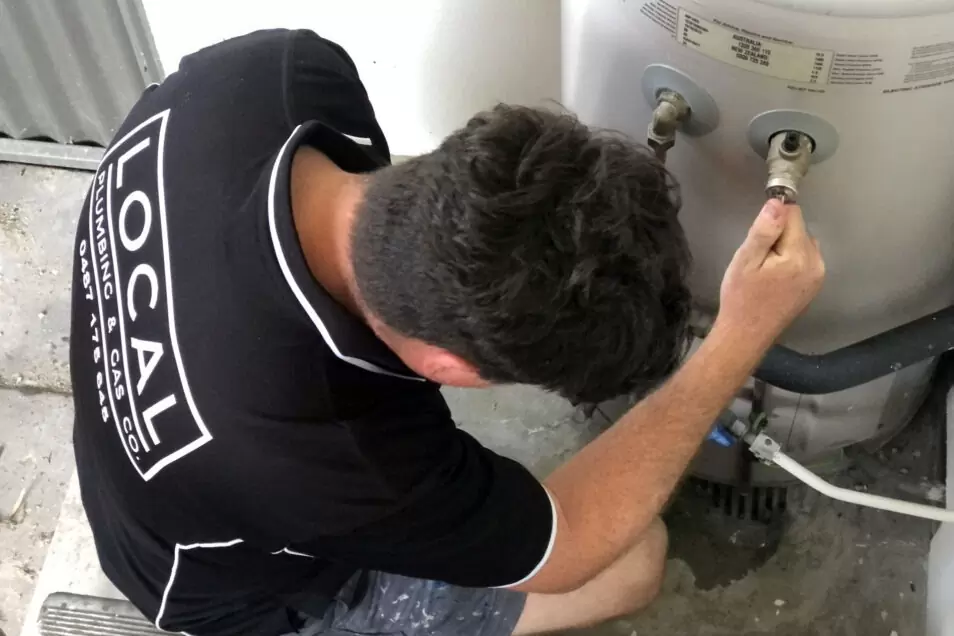
You step outside to hang the washing and spot it: a puddle forming around the base of your hot water system. Or maybe you’ve noticed water dripping from the overflow pipe outside, leaving a constant wet patch on the concrete. A leaking hot water service is one of those problems that starts small but can turn into a major headache fast if you don’t act quickly.
Here on the Gold Coast, we see leaking hot water systems all the time. Between our humid subtropical climate, coastal salt air, and the natural wear that comes with age, hot water tanks don’t last forever. When your hot water system leaking water goes unchecked, you’re looking at potential water damage to floors and walls, mould growth in Queensland’s humidity, wasted energy from an inefficient system, and, in worst cases, a complete hot water system failure that leaves you without hot water entirely.
The good news? Most leaks have clear causes, and many can be repaired quickly if you catch them early. In this guide, we’ll walk you through why hot water systems leak, what the different leak locations mean, how serious the problem might be, and when it’s time to call in a licensed plumber. We’ll also cover what you can check yourself and how to prevent leaks from happening in the first place.
Why Is My Hot Water System Leaking?
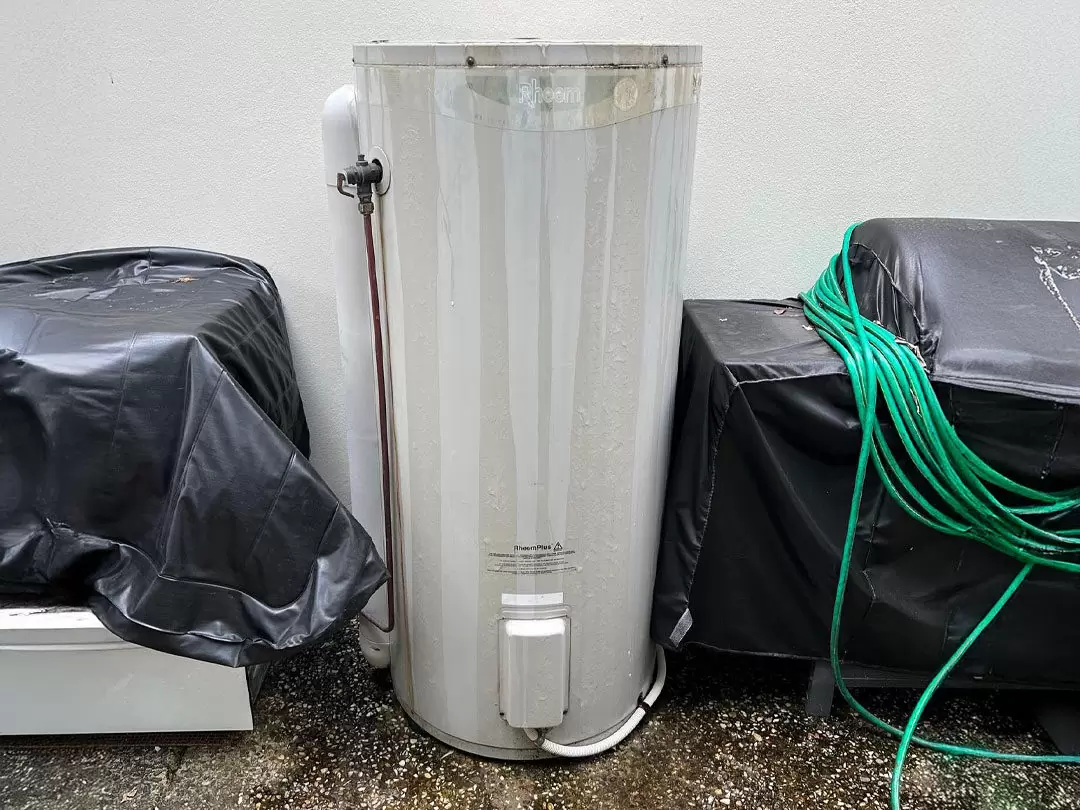
Sometimes, yes. The overflow pipe runs from the relief valve on the side of your tank down to ground level, and its job is to let water escape when pressure inside the tank climbs too high. A small amount of discharge while the system is heating is the valve doing exactly what it was designed to do.
What is not normal is discharge that never stops. How much water is coming out, and whether it stops on its own, tells you most of what you need to know.
| What You Are Seeing | What It Usually Means | What To Do |
| Occasional drips during or just after a heating cycle, then it stops | The relief valve is releasing normal expansion pressure | Monitor it. No action needed while it keeps stopping on its own |
| A steady drip that never stops, or a wet patch that never dries | The valve has failed, or mains pressure into the home is too high | Book a licensed plumber within a few days |
| Water running or pouring out continuously | The valve is stuck open, or the tank is over-pressurised | Turn off the water supply to the system and call a plumber straight away |
Never plug, cap or block the overflow pipe. It is a safety device. Blocking it removes the tank’s only way to release pressure, and a sealed tank under pressure is a far more serious problem than a drip on the concrete.
If the drip is constant, the fix is usually straightforward. Read on for what causes it, or see our hot water system repairs across the Gold Coast.
Why Is My Hot Water System Leaking?
Hot water systems are essentially large storage tanks holding anywhere from 135 to 400 litres of water under constant pressure and high temperatures. With that much water sitting in a pressurised tank day in and day out, there are multiple points where leaks can gradually develop. The location of the leak tells you a lot about what’s going wrong and how urgently you need to deal with it.
Not all leaks are created equal. Some are minor issues that need attention within a few days, while others are urgent problems that require immediate action to prevent serious water damage or complete system failure. Understanding where your hot water tank leaking is coming from helps you figure out your next steps.
Living on the Gold Coast adds its own challenges to hot water system longevity. Our coastal salt air accelerates corrosion on tanks and fittings, especially if you’re close to the beach. Queensland’s humidity creates the perfect environment for rust to develop faster than it would in drier climates. Many Gold Coast homes also deal with hard water, which causes sediment buildup inside the tank that speeds up corrosion from the inside out. All of these factors mean hot water systems here often develop leaks earlier than the manufacturer’s expected lifespan.
Where Is Your Hot Water System Leaking From?
Here’s what each leak location typically means, and how urgently it needs attention:
| Leak Location | Most Likely Cause | Urgency | Usually Repairable? |
| From the top | Inlet or outlet pipe connections, valves, fittings, worn washers or failed seals | Within a few days | Yes |
| From the bottom | Tank corrosion, or a failed drain valve | Urgent | Only if it is the drain valve. Tank corrosion means replacement |
| From the side | The temperature and pressure relief valve, either working normally or failed | Depends. See the table above | Yes |
| From pipes and connections | Thermal expansion and contraction over time, or connections that have worked loose | Within a few days | Yes |
Leaks From the Top of the Hot Water System
A leak at the top of the tank is one of the more common calls we get, and it is usually better news than a leak underneath. The top of the unit is where the cold water inlet and hot water outlet connect, along with the isolation valve and, on many systems, the top cap covering the element or thermostat access point. All of those are joins, and joins are what fail first.
Thermal expansion is the usual culprit. Every time the system heats a full tank, the metal expands and the connections take the strain. Do that a few thousand times over a decade and a fitting that was tight on installation day works itself loose, or a washer that was pliable goes hard and stops sealing.
Water appearing around the top cap specifically is worth taking seriously, because it can also mean water is escaping from inside the tank rather than from a fitting on the outside. From the ground it looks identical. The distinction matters because one is a repair and the other is a replacement, and it takes an inspection to tell them apart.
The good news is that the majority of top-of-tank leaks are repairable. Tightening a connection, replacing a washer or renewing a fitting is a short job, and catching it early stops the water tracking down the side of the tank where it rusts the casing and the base.
Heat Pump and Solar Systems Discharge Water Normally
If you have a heat pump, water dripping from the unit is often condensate rather than a leak. Heat pumps pull warmth out of the surrounding air, and that process produces condensation that has to drain somewhere, usually through a dedicated drain line. Solar systems can also discharge small amounts of water through a frost valve, which is designed to release water in cold conditions to protect the collectors.
Both look like a leak from a few metres away. Before you isolate the water supply and assume the worst, check whether the water is coming from a drain line or valve that is meant to release it. If you are unsure, leave the system alone and have it looked at rather than guessing.
Common Causes of Hot Water Tank Leaking
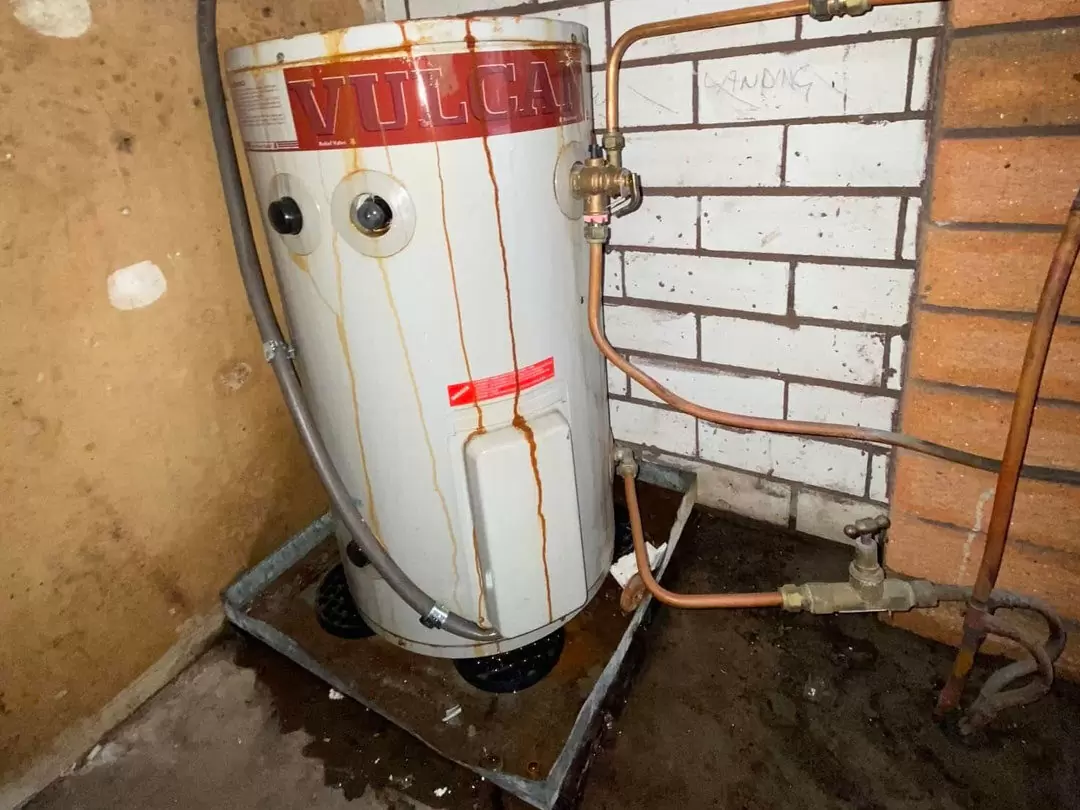
When you’ve got a leaking hot water tank, pinpointing the exact cause helps determine whether you’re dealing with a quick fix or a full system replacement. Here are the most common culprits we see across the Gold Coast.
Temperature and Pressure Relief (TPR) Valve Leaking
Your relief valve is a critical safety feature on every hot water system. It’s designed to release water when the temperature or pressure inside the tank gets too high, preventing dangerous pressure buildup that could cause the tank to rupture. The valve sits on the side of your tank with a pipe running down to ground level.
Worth knowing before you call anyone: this component goes by a lot of names. You’ll see it called the TPR valve, the temperature and pressure relief valve, the pressure relief valve, the PRV, the pressure release valve, the safety valve, or just the relief valve. They all refer to the same part, so if a manual and a plumber use different words for it, they are talking about the same thing.
Relief valves are not optional. Australian Standard AS/NZS 3500.4 requires every storage hot water system to be fitted with one, and installing or replacing one is regulated plumbing work in Queensland that must be carried out by a licensed plumber.
If you notice your hot water system leaking from the release valve, it could be doing exactly what it’s supposed to do: releasing excess pressure to keep your system safe. This might happen occasionally and isn’t necessarily a problem. However, if you’re seeing constant dripping or a steady stream of water, that’s a different story. A pressure relief valve that drips continuously usually means either the valve itself has failed and needs replacing, or there’s an underlying pressure issue in your system that needs addressing.
What it looks like: Water dripping or flowing from the overflow pipe on the side of your tank, small puddles forming near the base of the discharge pipe, or a wet patch on the ground that never dries up.
Corroded or Rusted Tank
This is the big one, and unfortunately, it’s not fixable. Hot water tanks have a limited lifespan, typically 8 to 15 years depending on the type and how well they’ve been maintained. Inside every storage tank is a sacrificial anode rod, a metal component designed to corrode instead of the tank itself. Once that anode rod is completely worn out and hasn’t been replaced, the tank starts corroding from the inside.
Coastal properties experience faster corrosion due to salt air exposure, while homes with hard water see accelerated deterioration from mineral buildup inside the tank.
What it looks like: Rust-coloured or brown water coming from your taps, visible rust patches on the tank exterior, puddles of water heater leaking from the bottom of the tank, or damp spots spreading underneath the unit. If you see any of these signs and your system is over 10 years old, the tank has likely corroded through.
Why it’s serious: Once the tank itself has rusted through, there’s no repair option. You need a full hot water system replacement. The good news is we can usually get a new system installed the same day to minimise disruption.
Loose or Damaged Connections
Hot water systems expand and contract as they heat and cool throughout the day. This constant thermal expansion puts stress on all the pipe connections, valves, and fittings attached to your tank. As time passes, connections can work loose, washers can wear out, and seals can fail.
Sometimes it’s as simple as a connection that wasn’t tightened properly during installation, or an old washer that’s finally given up after years of service. This is one of the more straightforward causes of a dripping hot water system and often one of the easiest to fix.
What it looks like: Water dripping from water heater inlet or outlet pipes where they connect to the tank, small drips from valve connections, or moisture around pipe fittings. You might notice it’s worse when the system is actively heating water.
The fix: In many cases, we can tighten the connection, replace a worn washer, or install a new fitting. These are relatively quick and affordable hot water system repairs that can stop the leak immediately.
Faulty Drain Valve
Every hot water tank has a drain valve at the bottom, which is used to flush sediment out of the tank during maintenance. Over time, sediment buildup inside the tank can prevent this valve from closing properly, or the washer inside the valve can deteriorate and fail.
Sometimes homeowners partially open the valve to drain some water and don’t get it fully closed again, leading to a persistent drip. Other times, the valve simply wears out from age.
What it looks like: Water dripping from the small tap or valve at the very bottom of your tank, often creating a puddle directly underneath.
The fix: Drain valves are usually a simple and inexpensive repair. We can replace the valve or sometimes just the internal washer to stop the leak.
Excessive Water Pressure
Some suburbs experience higher than normal mains water pressure, which puts extra stress on your hot water system. When water pressure is too high, it forces water out through the relief valve, causes connections to leak, and puts strain on the tank itself. Eventually, this excessive pressure can lead to premature tank failure.
How it affects your system: You’ll often notice your hot water heater tank leaking from the pressure relief valve more frequently, or leaks developing at multiple connection points. High pressure also makes your system work harder and less efficiently.
The solution: Installing a pressure limiting valve on your water supply regulates the pressure coming into your home and protects your hot water system (and all your other plumbing fixtures). It’s a worthwhile investment that extends the life of your entire plumbing system.
What Damage Can a Leaking Hot Water System Cause?
It’s tempting to ignore a small drip or puddle, especially if your hot water is still working fine. But even minor leaks can escalate into serious problems that cost thousands to fix if left unchecked.
- Water damage is the most immediate concern. A leaking hot water system can damage your flooring (whether it’s timber, tiles, or carpet) and seep into walls and subfloors, where it becomes a concealed water leak in its own right. If your hot water system is installed upstairs or in a ceiling space, the water can drip through to rooms below, damaging ceilings, light fittings, and anything underneath. In severe cases, prolonged water exposure can compromise structural timber and framing.
- Mould growth follows quickly behind water damage, and Queensland’s humidity creates the perfect environment for it to take hold. Mould doesn’t just look bad, it poses health risks and can be expensive to remediate properly. Once it gets into walls, insulation, or under flooring, you’re looking at a much bigger job than just fixing the leak.
- Increased energy bills are another hidden cost. When your hot water system is leaking, it’s constantly refilling with cold water that needs to be heated. This makes your system work harder and run less efficiently, driving up your electricity or gas bills. You might not notice it immediately, but those costs add up month after month.
- Complete system failure is the worst-case scenario. A small leak today can become a catastrophic tank failure tomorrow. Tanks don’t just gradually get worse. They can rupture suddenly, flooding your home with hundreds of litres of water in minutes. What starts as a valve replacement can turn into a full system replacement plus water damage repairs and ruined belongings, which is a different order of cost entirely.
Catching leaks early prevents all of this. A quick inspection and repair now saves you from major headaches and expenses down the track.
What to Do If Your Hot Water Tank Is Dripping
Discovering a leak doesn’t have to send you into panic mode. Here’s exactly what to do to minimise damage and get the problem sorted quickly.
Immediate Steps
- Turn off the power supply (for electric systems) at the switchboard, or turn off the gas supply (for gas systems) at the meter or isolation valve. This stops the system from continuing to heat water and potentially making the leak worse.
- Turn off the water supply using the isolation valve, which is usually located on the pipe leading into the top of your hot water tank. Turn it clockwise to close it off. This stops more water from entering the tank.
- Check where the leak is coming from. Is it dripping from the top connections, the bottom of the tank, the side valve, or from the pipework? Identifying the source helps your plumber diagnose the problem faster.
- Place towels or a bucket under the leak to contain the water and prevent it from spreading across your floor or into other areas. This simple step can save you from unnecessary water damage.
- Take a photo of where the water is coming from. This helps your plumber understand the situation before they arrive and can speed up the repair process.
When You Can Wait (Minor Issues)
Not every leak requires an immediate emergency callout. If you notice an occasional drip from your relief valve that stops after a short time, this might just be the valve doing its job and releasing excess pressure. Monitor it for a day or two to see if it continues.
Similarly, a very small drip from a connection point that you can contain with a towel isn’t an urgent emergency, but you should still call a plumber within 24 to 48 hours to get it checked and fixed before it worsens.
When to Call a Plumber Immediately (Urgent)
Some situations need immediate professional attention and are clear signs you need a hot water plumber right away:
- Steady leak or pooling water that’s getting worse or not stopping
- Leak from the bottom of the tank almost always indicates serious corrosion and means your tank could fail completely
- Water running or pouring from the overflow pipe rather than dripping, which suggests the relief valve is stuck open
- Rust-coloured water coming from your taps, which signals internal tank corrosion
- Hot water running out faster than normal, suggesting your tank is losing water faster than it can heat new water
- Any leak you can’t identify the source of; if you’re not sure where it’s coming from, don’t wait
Thankfully, Local Plumbing & Gas Co. offers 24hr emergency plumbing services for leaking hot water system callouts. We understand that these problems don’t wait for business hours, and we can usually get to you quickly to assess the situation and get your system back under control.
What Queensland Renters Should Know
If you are renting, a hot water system that has failed or broken down is not a routine repair. The Residential Tenancies Authority classifies the failure or breakdown of an essential service for hot water as an emergency repair, which means your property manager or owner is expected to act on it promptly rather than book it in with the next round of general maintenance.
Report it in writing first, so there is a record of when you raised it. If you cannot reach the emergency repair contact named in your tenancy agreement within a reasonable time, either you or your property manager can arrange for a suitably qualified person to carry out the repair, up to a maximum value of four weeks rent. Keep all receipts, put your reimbursement request in writing, and allow at least seven days for it to be paid.
One thing we would add from experience: a leak reported the day it appears is nearly always a valve or a fitting. The same leak reported a fortnight later has usually soaked the surrounding area and started rusting whatever it is sitting on.
Can a Leaking Hot Water System Be Repaired?
The short answer: it depends on what’s causing the leak and how old your system is.
Yes, your leaking hot water service can usually be repaired if:
The leak is coming from a faulty relief valve that needs replacing, loose or damaged connections that can be tightened or re-sealed, excessive water pressure that requires a pressure-limiting valve installation, or a worn drain valve. If your system is relatively young and the sacrificial anode rod has worn out, catching this early and replacing the anode can add years to your tank’s life and prevent further corrosion.
These are all straightforward repairs that our team handles regularly. They’re cost-effective fixes that can get your system back to working properly without the expense of a full replacement.
No, repair isn’t an option if:
The tank itself has corroded through. Once the steel tank develops rust holes or cracks, there’s no way to patch it. You need a new hot water system. If your system is 10 to 15+ years old and showing multiple problems (leaks, reduced hot water supply, rust-coloured water, strange noises), it’s usually more economical to replace rather than sink money into repairs on a system that’s near the end of its lifespan. We also won’t repair systems that pose safety concerns, such as severely corroded units that could fail catastrophically.
How We Help You Decide Between Repair and Replacement
When we assess your water heater leaking, we look at several key factors to give you honest advice about the best path forward.
- Age of the system matters significantly. A 5-year-old system with a repairable issue is absolutely worth fixing. You’ve got years of life left in that tank. A 13-year-old system with the same problem might be better replaced, especially when you’re approaching the typical 15-year lifespan. Pouring money into repairs on an ageing system often means you’re just delaying the inevitable.
- Extent of damage is another critical consideration. One isolated problem, like a faulty relief valve? Repair makes perfect sense. Multiple leaks or issues appearing at once? That’s usually a sign the system is failing overall, and replacement becomes the smarter long-term investment.
- Cost comparison helps clarify the decision. If the repair cost is more than half of what a new system would cost, replacement usually makes more financial sense. A significant repair on a 12-year-old tank rarely stacks up against a new unit that comes with a fresh warranty, and our guide to hot water installation costs on the Gold Coast sets out what each system type costs to supply and install.
- Energy efficiency shouldn’t be overlooked either. Older hot water systems are significantly less efficient than modern units. Sometimes the energy savings from a new system pay for themselves within just a few years through lower electricity or gas bills.
Our approach is straightforward: we assess your system honestly and give you all the options with transparent pricing. We never push you toward a replacement if a repair makes sense for your situation. We explain what’s wrong, what it’ll cost to fix, how long you can expect the repair to last, and what replacement would involve. The decision is always yours, and we’re here to help you make the choice that’s right for your home and budget.
How We Fix Leaking Hot Water Systems
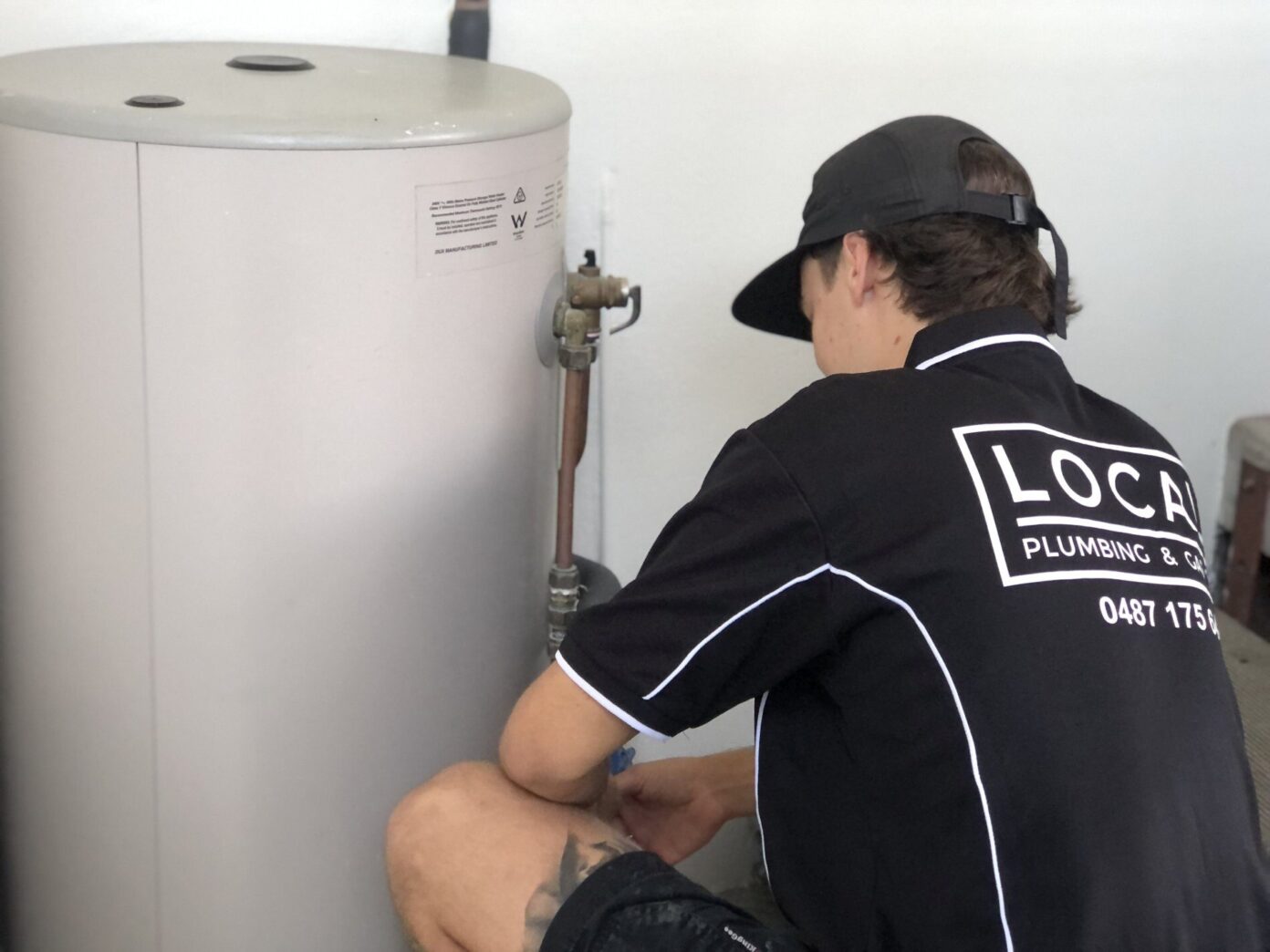
When you call Local Plumbing & Gas Co. about your leaking hot water system, here’s what happens.
Our diagnostic process starts with a thorough inspection of your entire hot water system. We identify where the leak is coming from, check the age and condition of your tank, test water pressure, inspect all connections and valves, and look for signs of corrosion or wear. We explain what we find in plain language, and walk you through your options with upfront pricing before any work begins.
Common hot water system repairs we perform include replacing faulty relief valves that are leaking or not functioning properly, tightening or replacing loose connections and worn washers on inlet and outlet pipes, installing pressure limiting valves when mains pressure is causing leaks, and replacing drain valves that won’t seal properly. For systems caught early enough, we can also replace sacrificial anode rods to extend tank life and prevent further internal corrosion.
When we recommend replacement, we’re honest about it. If your tank has corroded through, if your system is beyond its expected lifespan with multiple failing components, or if repair costs approach the price of a new unit, we’ll explain why replacement makes more sense. We work with all system types, including electric storage, gas, solar, heat pump, and instant systems. So, we can help you choose the right replacement for your home and budget.
Fast, reliable service is what we’re known for. We offer same-day repairs for most issues and emergency hot water repairs. Our team of Gold Coast plumbers has extensive experience with every type of hot water system leaking water situation, from simple valve replacements to complete system installations.
All our work comes with a quality workmanship guarantee because we stand behind every repair and installation we complete. When we fix your hot water system, it’s done right the first time.
Leaking Hot Water System FAQs
Is it normal for a hot water system to leak from the overflow pipe?
Some discharge from the overflow pipe is normal. The relief valve releases water when pressure inside the tank rises during a heating cycle, and that water has to go somewhere. What matters is whether it stops. Occasional drips that settle down on their own are the valve working. A drip that never stops, or water running continuously, means the valve has failed or the pressure coming into your home is too high, and both need a licensed plumber.
Why is my hot water system leaking from the top?
Leaks at the top of the tank almost always come from the joins rather than the tank itself. The cold water inlet, hot water outlet, isolation valve and top cap are all connection points, and thermal expansion works them loose over years of heating cycles. Most top-of-tank leaks are repairable with a new washer or fitting. Water appearing around the top cap is the exception worth checking properly, because it can also mean water escaping from inside the tank.
Is a leaking hot water system an emergency?
Whether it counts as an emergency depends on where the water is coming from and how fast. A slow drip you can catch in a bucket can wait a day or two. Water pooling under the tank, water running continuously from the overflow pipe, or rust-coloured water from your taps all need attention straight away, because each points to a tank that could fail completely. If you rent, loss of hot water is classified as an emergency repair under Queensland tenancy law regardless of the cause.
Can a leaking hot water system be repaired, or does it need replacing?
Most leaks can be repaired. Faulty relief valves, loose connections, worn washers and failed drain valves are all straightforward fixes. The exception is tank corrosion. Once rust has eaten through the steel there is no way to patch it, and the system needs replacing. As a rule of thumb, a leak from the bottom of the tank on a system over ten years old is usually the end of its life.
What should I do first if my hot water system is leaking?
Start by turning off the power at the switchboard for an electric system, or the gas supply at the meter for a gas system. Then close the isolation valve on the cold water pipe feeding the tank. Put a bucket or towels under the leak, take a photo of where the water is coming from, and call a licensed plumber. Do not attempt to tighten fittings, open valves or access any internal components yourself.
Get Your Leaking Hot Water System Fixed Fast
A leaking hot water system isn’t something you should ignore or put off. Whether it’s a minor drip from a loose connection or a serious leak from a corroded tank, the problem will only get worse without professional attention. Acting quickly prevents water damage, saves you money on repairs, and keeps your home running smoothly.
At Local Plumbing & Gas Co., we’ve helped hundreds of homeowners diagnose and fix leaking hot water systems Gold Coast-wide. Our experienced team works with all system types, including electric, gas, solar, heat pump, and instant gas systems. So no matter what you’ve got, we know how to fix it. We provide honest assessments, transparent pricing, and fast solutions that get your hot water back up and running.
We’re available 24/7 for emergency callouts because we know leaks don’t wait for business hours. Most repairs can be completed the same day, and when replacement is necessary, we’ll get your new system installed quickly to minimise disruption.
Don’t let a small leak turn into a major problem. Call Local Plumbing & Gas Co. on 1800 562 251 for fast, reliable service on your leaking hot water system Gold Coast-wide.