What Is Backflow Testing And Who Needs It?

Most people only ask what is backflow testing after they receive a notice, buy a property, manage a site or hear that a backflow prevention device needs checking. Backflow matters because it can affect the safety of the drinking water supply if water flows the wrong way through part of a plumbing system.
For Gold Coast homes, businesses and managed properties, testing usually applies where a testable backflow prevention device is installed or required. As local plumbers, we often help people work out what the notice, device record or inspection note actually means before they decide what to do next.
What Is Backflow Testing?
Backflow testing is a check of a testable backflow prevention device to confirm it is working as it should. The purpose is to help stop water from flowing the wrong way through a plumbing system and carrying pollutants back into the drinking water supply.
Backflow means water moves in the opposite direction to normal flow. In everyday terms, clean water should travel from the main supply into a property. Backflow is the risk that water from the property side can move backwards into the drinking water supply.
Backflow testing does not check every pipe, tap or fixture on the property. It focuses on the backflow prevention device installed to manage a specific contamination risk. City of Gold Coast explains that these devices help stop polluted water entering the drinking water supply, with the type of device depending on the level of risk.
For property owners, the important question is whether a testable backflow prevention device is installed or required at the site. If it is, the device needs to be tested by someone properly qualified. It is not a DIY check, and it should not be treated like ordinary tap or fixture maintenance.
Why Backflow Matters For Drinking Water Safety
Backflow matters because plumbing systems are designed to keep clean water moving in the right direction. If water flows backwards from a property into the drinking water supply, there is a risk that pollutants or contaminants could move with it.
That risk is why backflow prevention exists. It is not just paperwork for the sake of it. A backflow prevention device is used where a plumbing setup has a higher contamination risk, such as certain commercial sites, irrigation connections, fire services or other higher-risk water connections.
We often find that homeowners and property managers only hear about backflow when a council record, property file, reminder notice or plumbing inspection raises it. By that stage, the question is usually not “can I ignore this?” It is “what device is installed, does it need testing, and who is allowed to check it?”
Testing gives a clear answer about whether a testable device is doing its job. It helps keep the plumbing setup safe and compliant, rather than relying on guesswork.
What Causes Backflow?
Backflow can happen when pressure changes allow water to move in the wrong direction. The two main conditions are usually described as back siphonage and back pressure.
Back siphonage can occur when the pressure in the main water supply drops and water is drawn backwards from the property side. Back pressure can happen when pressure on the property side becomes higher than the pressure in the supply. In both situations, the concern is that water from a higher-risk connection could move back towards the drinking water supply.
A cross-connection can increase the risk. This means there is a point where drinking water may be connected, directly or indirectly, with something that could contaminate it. Examples can include certain irrigation setups, commercial equipment, fire services or other water connections where pollutants may be present.
The important point is that backflow risk depends on the plumbing setup, not just the property type. A licensed plumber can check what is installed, whether a testable backflow prevention device is present, and what the safest next step should be.
Who Needs Backflow Testing?
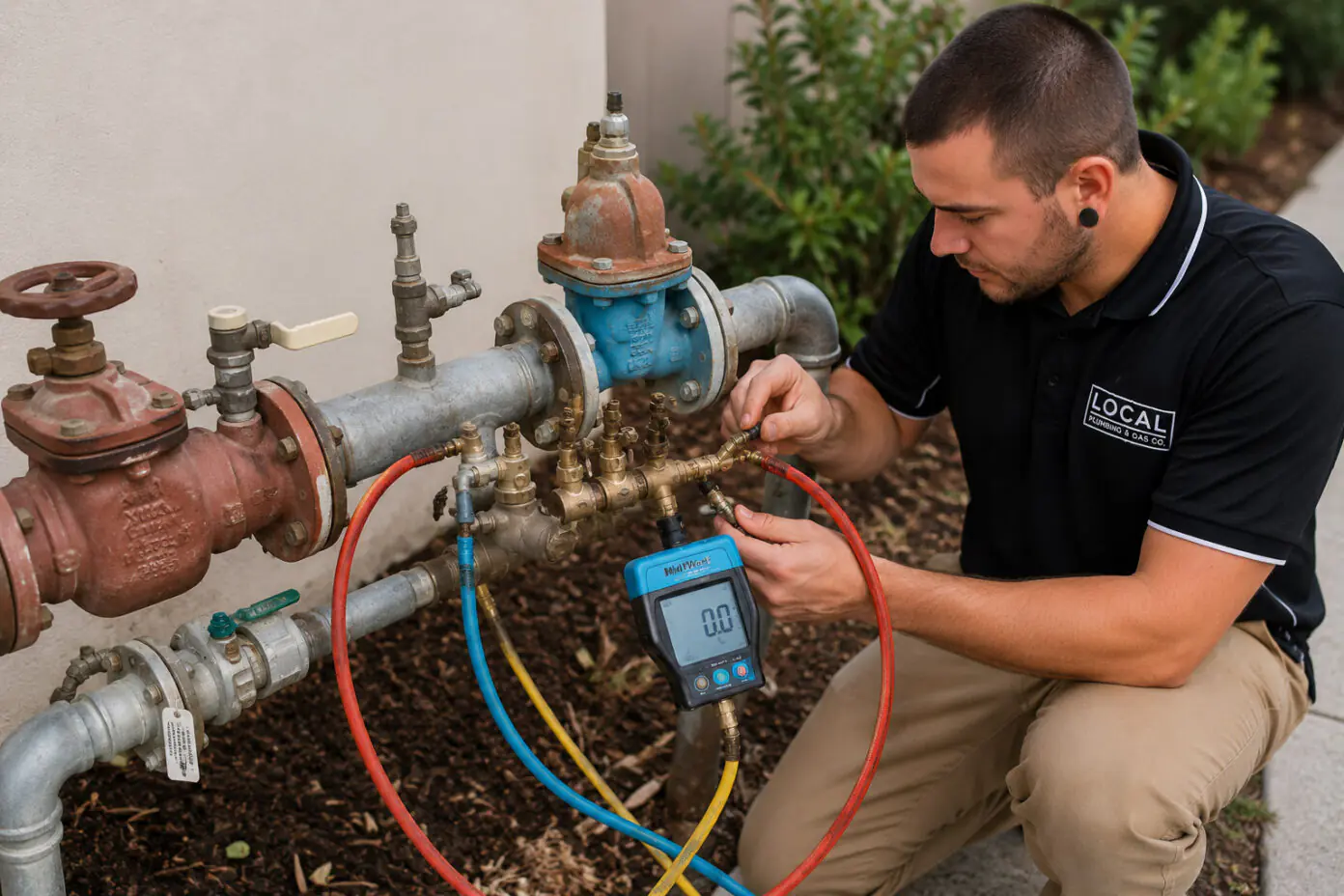
Backflow testing is usually device-led. That means the question is not just what type of property you own, but whether a testable backflow prevention device is installed or required because of the plumbing setup and contamination risk.
Not every home automatically needs annual backflow testing. Many standard residential properties have basic plumbing protection but may not have a testable device. Testing becomes more relevant when there is a registered or testable backflow prevention device, a higher-risk water connection, or a council or property record showing testing is required.
| Property / Situation | Why Backflow Risk May Apply | What To Do Next |
| Standard residential home | Many homes have standard plumbing protection, but not every home has a testable device | Check property records, council notices or ask a licensed plumber if you are unsure |
| Home with a testable device | The installed device may need regular testing and reporting | Arrange testing with a qualified person |
| Commercial premises | Some business activities, fixtures or water uses can create higher contamination risk | Keep records current and book licensed testing when required |
| Body corporate or managed property | Shared plumbing assets may have testing responsibilities that need to be tracked | Confirm device records and who is responsible for arranging testing |
| Irrigation, fire service or rainwater mains backup setup | These can involve higher-risk cross-connections depending on the installation | Have the setup checked by a licensed plumber |
For homeowners, our separate guide to residential backflow testing may be useful if your question is mainly about a house or rental property.
For businesses, body corporates and managed sites, backflow testing often forms part of broader plumbing record keeping and risk management. Our commercial plumbing work can support those properties where backflow sits alongside other maintenance or compliance needs.
How Often Does Backflow Testing Need To Be Done?
For relevant testable devices, backflow testing is usually an annual requirement. City of Gold Coast states that property owners are responsible for having backflow devices tested each year, and that testing must be completed by a Queensland licensed plumber with a backflow endorsement.
That does not mean every property needs annual backflow testing. The timing depends on whether a testable backflow prevention device is installed and what council or property records show for the site.
If you receive a reminder notice, find an old testing report or discover a device during a property check, it is worth dealing with it promptly. Overdue records can create confusion for property owners, property managers and businesses, especially if responsibility has changed hands.
After testing, the result may need to be recorded and submitted to the relevant authority. This is another reason backflow testing should be handled by someone qualified, rather than treated as a general plumbing check.
What Happens During Backflow Testing?
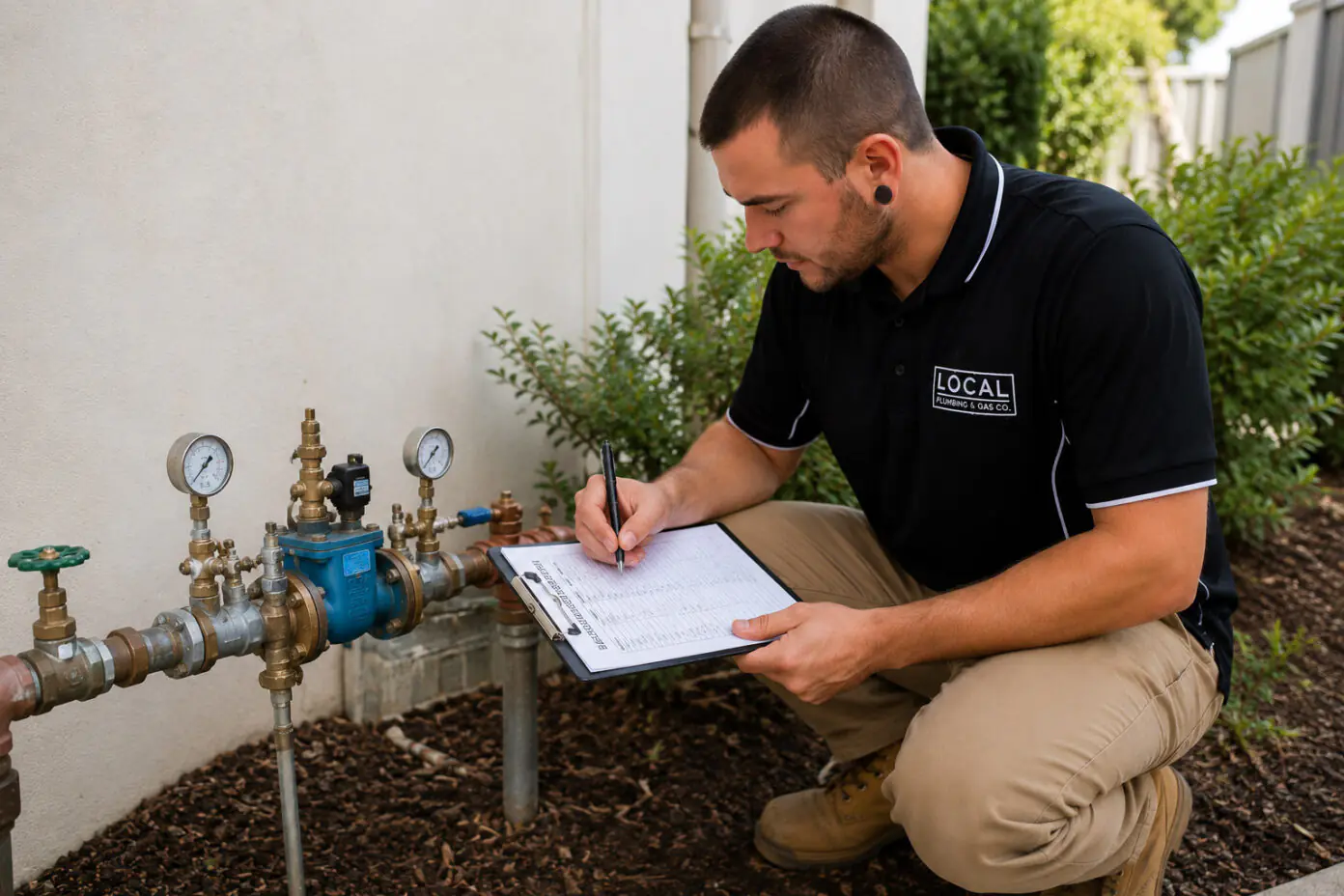
During backflow testing, a Queensland licensed plumber with the correct backflow endorsement checks the testable backflow prevention device to see whether it is working correctly. The exact process depends on the type of device installed and the site setup.
For the property owner or manager, the main things to know are practical. The plumber needs access to the device, checks it using the correct testing equipment, records the result and identifies whether the device passes or needs attention. If the device fails, it should be treated as a licensed plumbing issue, not something to adjust or remove yourself.
City of Gold Coast states that a licensed plumber must submit the testing report within 10 business days after inspecting or testing the device. That reporting step is one reason it helps to use someone who understands local backflow testing requirements and can handle the process properly.
If you are booking testing for a managed property, commercial site or body corporate, it also helps to have any previous reports, council notices or device records available. That can make it easier to confirm what is installed and what needs to happen next.
What Should You Do If You Are Unsure?
If you are not sure whether backflow testing applies to your property, start with the records you already have. A council notice, previous testing report, property file, device tag or plumbing inspection note may show whether a testable device is installed.
For managed properties, it can also help to check who is responsible for the device. That may be the property owner, body corporate, landlord, site manager or another authorised contact, depending on the property setup.
What you should not do is test, remove, bypass or adjust the device yourself. Backflow prevention devices are there for water safety and compliance, so any uncertainty should be handled carefully.
If you are buying, managing or maintaining a property and you do not know what plumbing assets are present, professional plumbing inspections can help identify visible concerns and point you toward the right next step. A licensed plumber can check whether a testable backflow prevention device is present, explain what the records mean and advise whether backflow testing is needed.
How Local Plumbing & Gas Co. Helps With Backflow Testing
Backflow questions can be confusing because the answer often depends on the device, the property records and the way the plumbing system is set up. Local Plumbing & Gas Co. can help you work out whether a testable backflow prevention device is present, whether testing is due and what needs to happen next.
Our licensed plumbers can check the visible setup, review any notice or previous report you have, and explain the next step in plain English. For relevant properties, we can help arrange backflow testing on the Gold Coast and make sure the process is handled by someone with the right qualifications.
This is especially useful for property managers, body corporates, commercial sites and homeowners who have inherited old plumbing records or received a reminder they do not fully understand. We will not ask you to guess what the device is or try to handle it yourself. The safest option is to have it checked properly and keep the records clear.
Frequently Asked Questions
What Is Backflow In Plumbing?
Backflow in plumbing is water moving in the wrong direction through part of a plumbing system. Instead of clean water flowing from the main supply into a property, water from the property side may move backwards. This can create a contamination risk if the water has come into contact with pollutants or higher-risk connections.
Who Needs Backflow Testing?
Properties with a testable backflow prevention device may need backflow testing. This can include some homes, commercial premises, body corporate sites and managed properties, depending on the device and plumbing setup. Not every property needs testing automatically, so the safest step is to check the property records or ask a licensed plumber.
How Often Does Backflow Testing Need To Be Done On The Gold Coast?
For relevant backflow devices, testing is usually required annually on the Gold Coast. City of Gold Coast states that property owners are responsible for having the backflow device tested each year. This applies where a relevant device is installed, so check current records or ask a licensed plumber if you are unsure.
Who Can Test A Backflow Prevention Device In Queensland?
A backflow prevention device must be tested by someone with the correct Queensland plumbing licence and backflow endorsement. This is not general DIY maintenance or a standard visual check. City of Gold Coast states that only a Queensland licensed plumber with a backflow endorsement can test a device, so property owners should use a properly qualified person.
What Happens If A Backflow Device Fails Testing?
If a backflow device fails testing, it needs licensed plumbing attention. City of Gold Coast says failed devices must be repaired or replaced, and this should not be treated as a DIY task. The safest next step is to have the issue handled by a properly qualified plumber who can advise what needs to happen and manage the required records.
Do Residential Properties Need Backflow Testing?
Some residential properties need backflow testing, but not every home automatically does. Testing usually applies when a testable backflow prevention device is installed or required for the property. If you have received a notice, found a device tag or are unsure what your property records mean, a licensed plumber can check the setup and explain the next step.
Get Clear Advice Before Backflow Becomes A Compliance Problem
If you are asking what is backflow testing, the safest answer is to check what applies to your property before guessing. Some properties have no testable device. Others have a device that needs regular testing, reporting and clear records.
Backflow can feel like a technical compliance issue, but the next step is usually straightforward. Find any notice, previous report or device record you have, then get a licensed plumber to confirm what is installed and whether testing is due.
Local Plumbing & Gas Co. can help Gold Coast homeowners, property managers, body corporates and businesses understand the next step. If you are unsure whether your property needs testing, contact our team and we can help you work through it clearly and safely.