Pipe Repair Vs Replacement: How A Plumber Decides
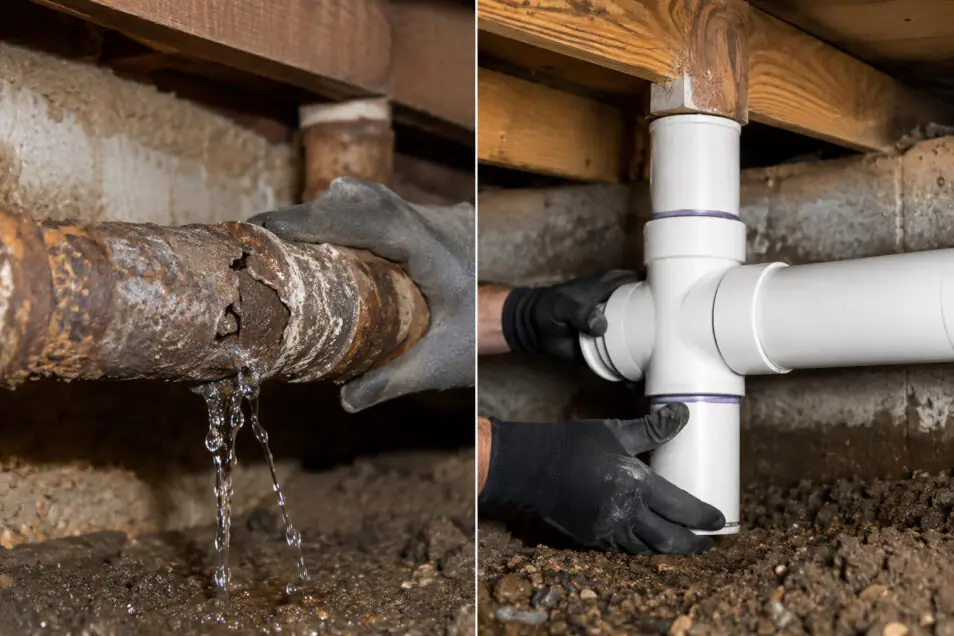
A leaking pipe, cracked drain or recurring blockage can leave you wondering whether pipe repair vs replacement is the smarter option. In most cases, the answer depends on what caused the problem, how much of the pipe is affected, and whether the surrounding pipework is still in good condition.
Our plumbers look at the cause, not just the visible symptom. A small, isolated fault may only need repair, but repeated leaks, tree root damage, corrosion or a collapsed drain pipe can point to a bigger issue. For Gold Coast homes, this decision often comes down to pipe condition, access, age, water damage risk and what we find on site. This guide explains how a licensed plumber weighs up repair and replacement so you know what to expect before work is recommended.
Pipe Repair Vs Replacement: The Short Answer
A plumber usually recommends repair when the damage is isolated, accessible and the surrounding pipework is still in good condition. Replacement is more likely when pipes are badly cracked, collapsed, corroded, repeatedly leaking or affected by recurring tree root damage.
That is the simplest way to think about pipe repair vs replacement, but the final answer still depends on what is found on site. A small leak in one section of pipe may be straightforward to repair if the rest of the pipework is sound. On the other hand, another quick repair may not make sense if the same section keeps failing or the pipe is deteriorating around the damaged area.
Our plumbers also look at the bigger picture. If the problem is connected to ageing pipework, recurring blocked drains, hidden water damage or a collapsed drain pipe, replacement may be the more practical long-term option. If the fault is localised and the cause can be addressed properly, repair may be enough.
What Plumbers Check Before Recommending Repair Or Replacement
The visible problem is only one part of the decision. A cracked pipe, wet patch, slow drain or leaking joint might look simple from the outside, but the surrounding pipework can change the recommendation.
Our plumbers look at the full picture before recommending repair or replacement, including:
- Where the problem is: A pipe under a sink is very different from damaged pipework under concrete, underground or behind cabinetry.
- How much of the pipe is affected: One isolated fault may be repairable, while widespread cracking, corrosion or collapse may point to replacement.
- Whether the issue keeps coming back: Recurring blocked drains, repeated leaks or ongoing damp patches can suggest a deeper problem.
- What caused the damage: Tree roots, ground movement, corrosion and collapsed drainage can all affect the best next step.
- What the pipe carries: Clean water, stormwater, wastewater and sewage involve different access issues and safety risks.
- The age and condition of nearby pipework: If nearby sections are also weak or deteriorating, replacement may be more practical than another short-term repair.
In Gold Coast homes, access, age and repeat history often tell us a lot. If the rest of the pipe is sound, repair may be suitable. If nearby sections are also weak, blocked or deteriorating, replacement may be the better long-term recommendation.
When Pipe Repair May Be Enough
Pipe repair may be enough when the damage is limited to one area and the rest of the pipework is still in good condition. This is why a plumber will usually check both the fault itself and the pipe around it before recommending the next step.
A repair may be suitable when:
- The damage is isolated: One cracked pipe section, leaking joint or localised fault may not mean the whole pipe needs replacing.
- The surrounding pipework is sound: If nearby sections are stable, clean and not showing the same problem, a targeted repair may be practical.
- The pipe is easy to access: Repair is often more straightforward when the affected area can be reached without major disruption.
- The issue has not kept returning: A first-time leak or blockage is different from a problem that comes back after previous repairs.
- The cause can be properly addressed: Repair makes more sense when the underlying cause is clear and unlikely to keep damaging the same section.
This is where professional diagnosis matters. A damaged pipe repair should not just patch the visible problem while leaving the cause untouched. If the pipe has failed because of movement, pressure, tree roots or surrounding deterioration, the plumber needs to factor that into the recommendation.
For many Gold Coast homes, a repair can be the right choice when the issue is contained and the rest of the system is reliable. The key is making sure the repair is not just buying a little time before the same problem appears again.
When Pipe Replacement May Be The Better Option
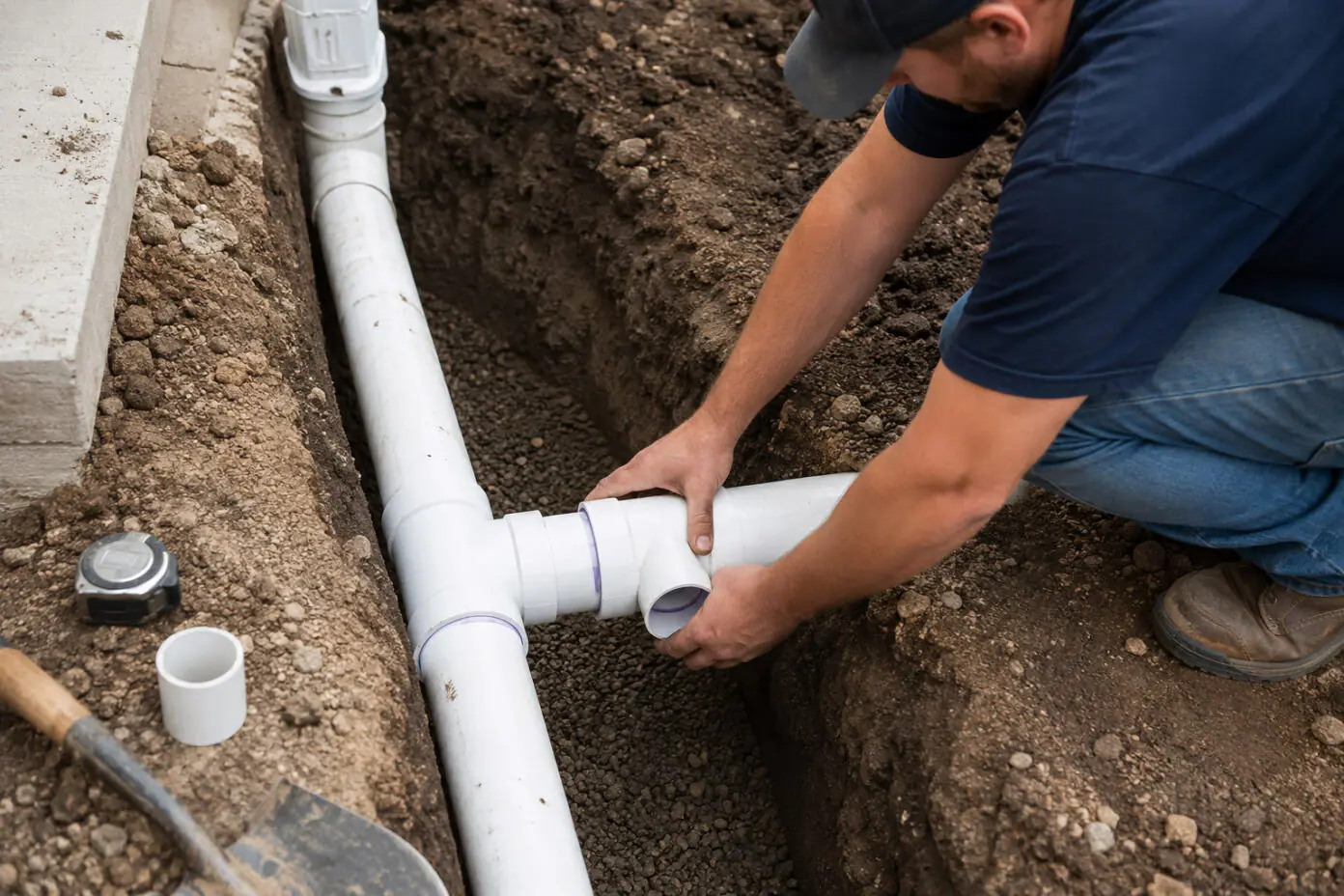
Pipe replacement may be the better option when the damage is not limited to one small area, or when the pipe is likely to keep failing after another repair. In these cases, replacing the affected section can be more practical than paying for repeated callouts, temporary fixes or ongoing damage.
Replacement may be recommended when:
- The pipe is badly cracked or collapsed: A pipe that has lost its shape or structure may not be reliable enough for a simple repair.
- The same issue keeps returning: Repeated leaks, recurring blocked drains or repeated movement in the same area can point to a larger pipework problem.
- Tree roots have caused ongoing damage: Tree roots can enter through joints or cracks and keep returning if the damaged section is not properly addressed.
- The pipe material is deteriorating: Corrosion, brittleness or widespread wear can make future failures more likely.
- Access makes repeated repairs impractical: If the pipe is difficult to reach, it may make more sense to replace the damaged section properly once.
- Water or wastewater damage risk is high: A pipe near foundations, walls, cabinetry or living areas may need a longer-term solution if failure could cause serious damage.
This does not mean replacement is always the answer. A licensed plumber should still inspect the pipe, check the surrounding system and explain why replacement is being recommended. For Local Plumbing & Gas Co., the goal is not to replace pipework unnecessarily. It is to recommend the option that gives the property the most reliable outcome based on what we find.
Common Signs Your Pipe Problem Needs A Closer Look
Some pipe problems look minor at first but can point to a deeper issue. A single slow drain or small leak may be simple, but repeated symptoms deserve a closer inspection before another repair is recommended.
Watch for signs such as:
- Recurring blocked drains: If the same drain keeps blocking, the cause may be deeper than surface build-up.
- Repeated leaks in the same area: This can suggest weakened pipework, movement or a problem that has not been fully resolved.
- Damp patches or swollen cabinetry: Hidden leaks can show up as moisture, soft flooring, musty smells or damaged cupboards before water is visible.
- Rust-coloured water or corrosion marks: These can indicate deterioration in certain types of pipework or fittings.
- Gurgling drains or sewer smells: These can point to drainage or sewer issues that should be checked promptly.
- Wet ground, pooling water or sinking soil: Underground pipe damage can sometimes show up outside before the source is obvious.
- High water bills without a clear reason: A hidden leak can waste water for some time before it becomes visible.
- Water backing up or sewage overflow: This needs urgent attention. Avoid contact with sewage and call a licensed plumber.
Our plumbers often ask when the issue started, whether it has happened before and whether more than one fixture is affected. Those details help narrow down whether the problem is likely to be isolated or part of a wider pipework issue.
If there is active flooding, sewage overflow or water near electrical fittings, treat it as urgent. Turn off the water at the mains if it is safe to do so, keep people away from affected areas and arrange professional help quickly.
How CCTV Drain Inspections Help With The Decision
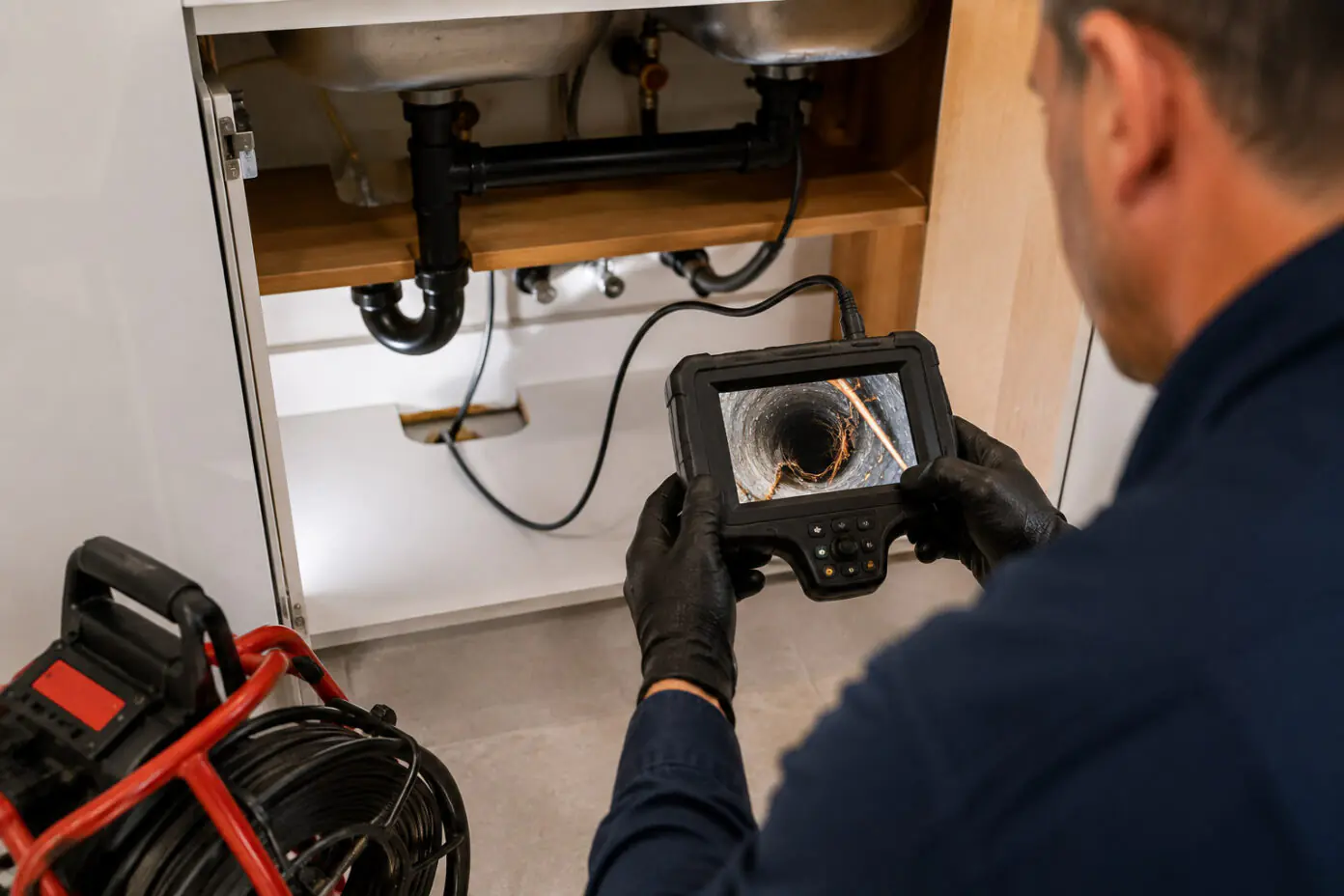
Some pipe damage cannot be judged properly from the surface. If the problem is underground, inside a wall, beneath concrete or part of a drain line, a visual inspection from the outside may not show enough.
A CCTV drain inspection helps a plumber see what is happening inside the drain without guessing. It can help identify cracks, collapsed sections, tree root intrusion, displaced joints, heavy build-up or sections where water is not flowing properly.
This matters because the best repair option depends on the condition of the pipe, not just the symptom at the fixture. For example, a recurring blocked drain might be caused by grease or debris, but it can also be caused by roots entering through a damaged joint. A wet patch outside might be a localised leak, or it may point to a larger section of pipe that has shifted or failed.
CCTV inspection findings can help show:
- Where the damage is located: This helps narrow down the affected section rather than assuming the whole line has failed.
- How severe the damage is: A minor defect is different from a collapsed or badly cracked pipe.
- Whether the problem is recurring: Roots, misaligned joints or damaged sections can explain why the same blockage keeps coming back.
- What access may be needed: The location and depth of the issue can affect whether repair or replacement is practical.
- Whether nearby pipework is still sound: The surrounding condition helps determine whether a targeted repair is enough.
Our plumbers use inspection findings to explain the options clearly. The aim is to avoid unnecessary replacement where a repair is suitable, while also avoiding short-term repairs where the pipe is already failing in several places.
Repair Vs Replacement Decision Table
The table below is a general guide only. It cannot replace an on-site inspection, but it can help you understand why a plumber may lean toward repair in some situations and replacement in others.
| What The Plumber Finds | Repair May Be Suitable When | Replacement May Be Better When | Why It Matters |
| Small leak in one section | The leak is isolated and the nearby pipework is still sound. | There are repeated leaks or signs the pipe is failing in several places. | Shows whether the issue is contained or part of wider failure. |
| Cracked pipe | The crack is limited, accessible and the pipe around it is stable. | The pipe is badly cracked, brittle, collapsed or affected along a longer section. | Crack size, location and surrounding condition affect whether repair is likely to hold. |
| Recurring blocked drain | The blockage is caused by local build-up and the pipe is otherwise in good condition. | The blockage keeps returning because of roots, collapse, misalignment or damaged pipework. | Repeat blockages can point to damage inside the pipe, not just surface build-up. |
| Tree roots in pipes | The affected area is limited and the pipe can still be repaired properly. | Roots have caused ongoing damage or entered through several weak points. | Roots often return if the entry point or damaged section is not addressed. |
| Older pipework | The damaged section is localised and nearby pipework is still reliable. | The material is deteriorating, corroded or likely to keep failing. | Age and material help show whether the problem is isolated or likely to continue. |
| Hard-to-access pipe | The fault is clear and repair will not create repeat disruption. | Repeated access would be costly, disruptive or unlikely to solve the underlying issue. | Access affects disruption, cost and whether repeated repairs are practical. |
| Sewage or wastewater issue | The fault is isolated and can be repaired safely by a licensed plumber. | The pipe has collapsed, shifted or is creating ongoing hygiene or overflow risk. | Hygiene and overflow risks make safe professional assessment important. |
| Hidden leak signs | Leak detection shows one contained fault. | There are several leak points, ongoing dampness or broader pipe deterioration. | Hidden leaks need proper diagnosis so the visible symptom is not mistaken for the full issue. |
A good recommendation should make sense when the plumber explains it. If repair is suggested, you should understand why the rest of the pipework is considered reliable. If replacement is suggested, you should understand what makes another repair unlikely to hold up.
What To Do Safely While Waiting For A Plumber
If you suspect a damaged pipe, the safest step is to limit further damage without trying to repair the pipe yourself. In Queensland, all regulated plumbing and drainage work must be done by a licensed plumber or drainer, so do not try to open, cut, patch or replace pipework yourself.
While waiting for help, you can take a few safe, general steps:
- Turn off the water if it is safe: If there is an active water leak and you can safely access the water meter or isolation valve, turn the water off to reduce damage.
- Avoid using affected fixtures: Stop using sinks, toilets, showers or drains that appear connected to the problem, especially if water is backing up.
- Keep away from sewage overflow: Sewage exposure can carry health risks, so keep people and pets away from wastewater or sewage overflow and call a licensed plumber.
- Watch for electrical risks: If water is near power points, appliances or electrical fittings, stay clear and arrange urgent help.
- Move items away from water if safe: Protect nearby furniture, stored items or cabinetry only if you can do so without stepping into unsafe water.
- Take note of what has changed: Photos, when the issue started, and whether it has happened before can help the plumber understand the likely cause.
Avoid digging, cutting into walls, opening pipework or using harsh drain chemicals. These can make the damage worse, create safety risks or make the plumber’s inspection harder.
If there is active flooding, sewage overflow or water near electrical fittings, treat it as urgent. Local Plumbing & Gas Co. provides 24/7 emergency plumbing across the Gold Coast, so you do not need to wait for a serious pipe problem to become worse before calling.
How Local Plumbing & Gas Co. Can Help
If you are unsure whether a pipe should be repaired or replaced, Local Plumbing & Gas Co. can inspect the issue and explain the safest, most practical next step. The right answer depends on the pipe condition, the cause of the damage and whether the problem is likely to return.
For damaged drains, recurring blockages, cracked pipework or collapsed sections, our team can assess whether drain repairs are suitable or whether replacement needs to be considered. Where the issue is hidden, we may recommend a CCTV inspection first so the decision is based on what is happening inside the pipe, not guesswork.
For leaking water pipes, damp areas, high water bills or suspected hidden leaks, we can also help with water leak repairs once the source and extent of the problem are understood.
Our approach is to explain what we find in plain English. If a targeted repair is suitable, we will say so. If replacement is the more reliable option, we will explain why another repair may not solve the problem properly. That way, you can make the decision with clear information, not pressure.
Pipe Repair Vs Replacement FAQs
How Do I Know If A Pipe Needs Repair Or Replacement?
You usually need a plumber to inspect the pipe before that decision can be made properly. As a general guide, repair may be suitable for isolated damage where the surrounding pipework is sound. Replacement is more likely if the pipe is collapsed, badly cracked, repeatedly leaking or failing in several places.
Is Pipe Repair Cheaper Than Replacement?
Pipe repair is often cheaper upfront, but cost should not be the only factor. If the same pipe keeps leaking, blocking or failing, repeated repairs can become more expensive and disruptive over time. A plumber should explain whether repair is likely to solve the issue properly or whether replacement is the more reliable option.
Can A Cracked Drain Pipe Be Repaired?
A cracked drain pipe may be repairable if the damage is limited and the surrounding pipe is still in good condition. If the pipe has collapsed, shifted, has several cracks or keeps causing recurring blocked drains, replacement may need to be considered. The right recommendation depends on inspection findings.
When Should Old Pipes Be Replaced?
Old pipes may need replacement when they show repeated leaks, corrosion, cracking, poor water flow, recurring drainage problems or signs of wider deterioration. Age alone is not always enough to make the decision. Our plumbers look at the pipe condition, the fault history and the risk of future failure before recommending replacement.
Can Tree Roots In Pipes Be Repaired?
Tree root damage depends on how the roots entered and how badly the pipe has been affected. If roots have entered through one damaged joint, repair may be possible. If roots have spread through several weak points or caused ongoing pipe damage, replacement may be the more practical long-term option.
Do I Need A CCTV Drain Inspection Before Pipe Repair?
You may need a CCTV drain inspection if the damage is hidden, underground or linked to recurring blocked drains. CCTV footage helps the plumber see cracks, collapsed sections, tree roots, misaligned joints and other problems inside the pipe. This makes the repair or replacement recommendation more accurate.
Making The Right Decision For Your Pipework
Pipe repair vs replacement is not something that should be decided from the visible damage alone. A small leak, cracked pipe or blocked drain may look simple, but the right recommendation depends on the condition of the pipework, the cause of the damage and whether the same issue is likely to return.
If the problem is isolated, repair may be the most practical option. If the pipe is badly damaged, deteriorating or repeatedly failing, replacement may save more disruption in the long run. The key is getting the issue inspected properly so the recommendation is based on evidence, not guesswork.
If you are dealing with recurring blockages, leaking pipework or signs of hidden damage, Local Plumbing & Gas Co. can inspect the problem and explain the next step clearly.