Residential Backflow Testing: What Gold Coast Homeowners Need To Know
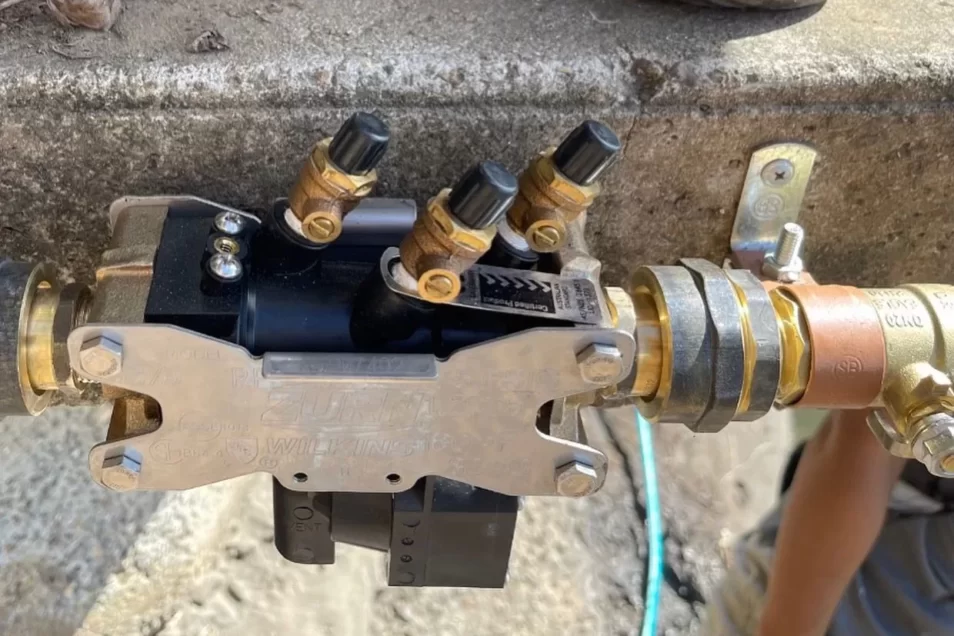
Residential backflow testing can feel confusing if you have never dealt with it before. Many Gold Coast homeowners only hear about it when a reminder notice arrives, a property is being checked, or plumbing has been updated around irrigation, a pool or a rainwater tank.
The main thing to know is that backflow testing is not a general DIY home check. It applies where a testable backflow prevention device is installed, and the device needs to be tested by the right licensed professional.
As local plumbers, we know the question behind most calls is simple: “Does this apply to my home, and what do I need to do next?” This guide explains what testing means, which home setups may need attention, why it matters, and when to call Local Plumbing & Gas Co. for help.
What Is A Residential Backflow Test?
Residential backflow testing checks whether a testable backflow prevention device at a home is working as it should. These devices help stop water from flowing backwards and carrying contaminants into the drinking water supply. If a home has a registered testable device, a licensed plumber with a backflow endorsement must test it.
Backflow happens when water moves in the wrong direction through a plumbing system. This can be caused by pressure changes such as back pressure or back siphonage, where water is pushed or drawn back toward the clean supply.
For homeowners, the important point is whether your property has a device that needs testing. Some homes have these devices because of irrigation, pools, rainwater systems or other plumbing connections. The test confirms whether the device is doing its job and what needs to happen next.
Which Gold Coast Homes May Need Backflow Testing?
Not every home needs backflow testing. It usually becomes relevant when a testable backflow prevention device is installed, registered or required because of the way water connects to the property.
For many homeowners, the question comes up after a reminder notice arrives. It can also come up during renovations, pool work, irrigation upgrades, property checks or plumbing changes around rainwater storage. The safest approach is to have the device and site details checked rather than guessing.
Home setups that may need closer attention include:
- Irrigation systems connected to mains water: Garden irrigation can create a risk if water from the irrigation line is able to move back toward the drinking water supply.
- Swimming pools or pool-related plumbing connections: Pool equipment and water connections may need to be checked where they interact with the household water supply.
- Underground rainwater tanks with mains water backup: These systems can involve more than one water source, so the setup needs to be checked properly.
- Fire hose reels or higher-risk fixtures: These are more common in larger residential, body corporate or mixed-use settings, but they can affect backflow requirements.
- Plumbing changes that introduce a possible cross-connection: Renovations, upgrades or altered pipework can change how water sources connect at the property.
A cross-connection is a point where drinking water could come into contact with another water source or substance if pressure changes. That does not mean every irrigation system, pool or tank automatically creates the same requirement, but it does mean the setup should be checked properly if a testable device is installed or a notice has been issued.
City of Gold Coast says property owners are responsible for annual testing where a backflow device applies. That is why it is worth taking a reminder notice seriously, even if the water from your taps looks normal.
Why Backflow Testing Matters For Homeowners
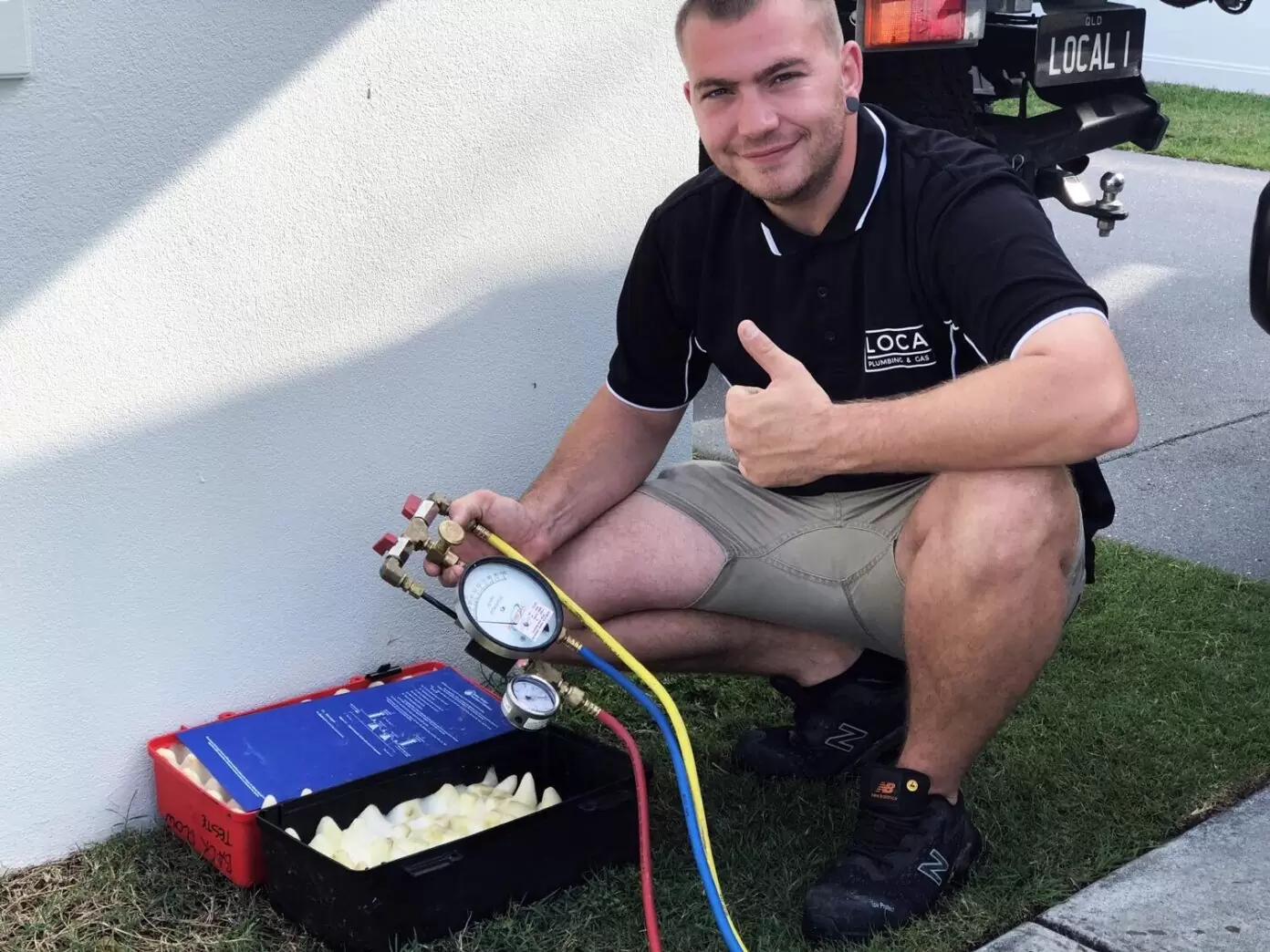
Testing matters because clean water can still look normal even when a backflow prevention device needs attention. The purpose of the test is to confirm whether the device is helping protect the drinking water supply.
For homeowners, this is mainly about water safety, clear records and avoiding bigger problems later. If a testable device has failed, the issue should not be treated as resolved until the right licensed professional has checked what needs to happen next.
It can also help homeowners, landlords and residential property managers stay on top of annual testing where it applies. We often find that homeowners feel much more comfortable once the result has been explained in plain English.
What Happens During A Backflow Device Check?
A backflow device check is handled by a licensed plumber with a backflow endorsement. The exact testing process is professional work, but homeowners can still understand what to expect before the visit.
The visit usually involves a few simple stages from the homeowner’s point of view:
- Confirming the property and device details: The plumber checks the property information, any reminder notice and the likely device location.
- Checking safe access: The device needs to be accessible so the plumber can complete the required professional check.
- Testing the device: The plumber carries out the required test using the correct professional process.
- Explaining the result: You are told whether the device has passed or failed and what the result means.
- Guiding the next step: If reporting, repair or replacement is needed, the plumber explains what happens next.
If the device passes, the next step may involve reporting or record keeping where required. City of Gold Coast says the licensed plumber must submit the report within 10 business days after inspecting or testing the device.
If the device fails, it should not be adjusted, removed or treated as fixed by the homeowner. City of Gold Coast says that if a backflow device fails, the plumber must repair or replace it.
Our plumbers keep this process clear by explaining the result in plain English, so you know whether the device is working and what needs to happen next.
What To Do If You Receive A Backflow Reminder Notice
If you receive a backflow reminder notice, do not ignore it or try to test the device yourself. The notice usually means there is a registered or relevant backflow prevention device connected to the property that needs attention.
Start by checking the notice for the property details, device information and any due date listed. If you know where the device is located, make sure it can be accessed safely. If you do not know where it is, that is okay. A licensed plumber can help identify the device on site.
The next step is to arrange testing with a Queensland licensed plumber with a backflow endorsement. When you contact Local Plumbing & Gas Co. about backflow testing on the Gold Coast, it helps to mention that you have received a reminder notice and share any device details listed.
You can also ask what happens after the test. If the device passes, reporting or record keeping may be required. If it fails, the plumber can explain whether repair or replacement is needed.
What Not To Do Yourself
Backflow devices protect the drinking water supply, so they should not be treated like a simple household fixture. If your home has a testable backflow prevention device, do not try to test, repair, remove, adjust or bypass it yourself.
Even if the device looks straightforward from the outside, the testing and repair pathway is regulated work. As a homeowner, the safest things you can do are simple:
- keep the reminder notice or paperwork somewhere easy to access
- avoid covering, blocking or damaging the device
- make sure there is safe access if a plumber needs to attend
- note any obvious water pressure changes, leaks or unusual water quality concerns
- call a licensed plumber with the right backflow endorsement if testing is due or something looks wrong
Do not open the device, change valves, remove parts or rely on online backflow testing instructions. If the device fails or you are unsure what applies to your property, Local Plumbing & Gas Co. can check the situation and explain the safest next step.
How Local Plumbing & Gas Co. Helps With Home Backflow Testing
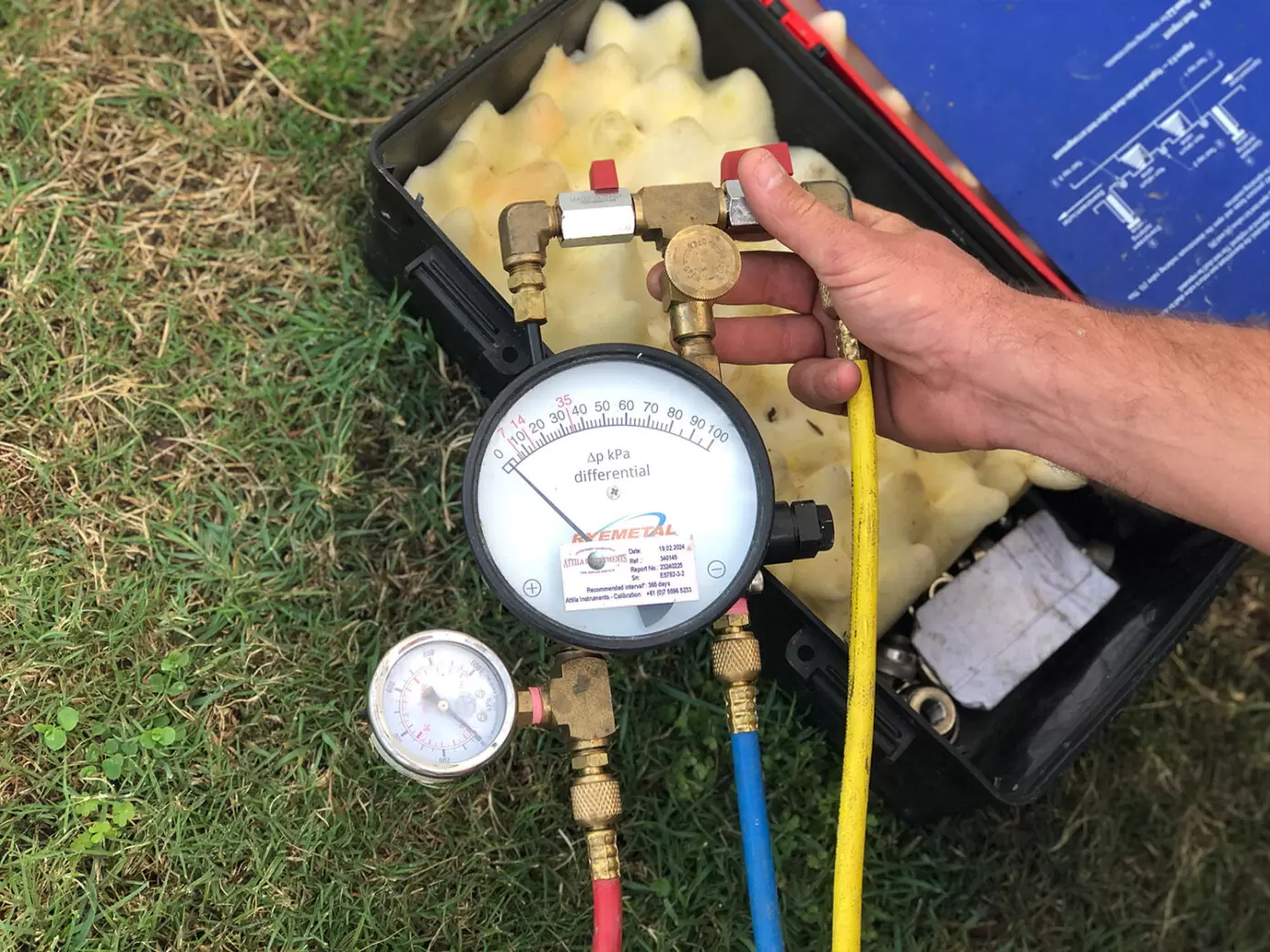
If you are unsure whether testing applies to your home, Local Plumbing & Gas Co. can help you work through the next step clearly. This might mean checking the property details, looking at the reminder notice, identifying the backflow prevention device on site, or arranging the required test.
Our plumbers confirm what they can before attending, check access to the device, complete the required professional testing and explain the result in plain English. If the device fails, we can explain what needs repair or replacement before any further work is arranged.
This is especially helpful for Gold Coast homeowners who have inherited a device with the property, recently added irrigation or pool plumbing, or received a notice they do not fully understand. You do not need to guess what applies or try to work it out from the device alone.
Backflow Testing FAQs
Do All Gold Coast Homes Need Backflow Testing?
No. Not every Gold Coast home needs backflow testing. It usually depends on whether a testable backflow prevention device is installed, registered or required because of the plumbing setup. Homes with irrigation, pool plumbing or a rainwater tank with mains backup may need closer attention.
How Often Does A Backflow Device Need To Be Tested?
City of Gold Coast says property owners are responsible for having a backflow device tested annually where one applies. If you have received a reminder notice, it is best to arrange testing rather than waiting until the due date has passed.
Who Can Test A Backflow Prevention Device In Queensland?
A backflow prevention device must be tested by a Queensland licensed plumber with a backflow endorsement. The QBCC lists backflow prevention as a plumber and drainer endorsement area. This is not a general homeowner check or a DIY plumbing task.
Can I Test Or Repair A Backflow Device Myself?
No. You should not test, repair, remove, adjust or bypass a backflow device yourself. These devices help protect the drinking water supply, and testing or repair needs to be handled by the right licensed professional.
What Happens If My Backflow Device Fails?
If your backflow device fails, it needs professional attention. City of Gold Coast says that if a backflow device fails, the plumber must repair or replace it. Local Plumbing & Gas Co. can explain the result and what needs to happen next for your property.
Is Backflow Testing Only For Businesses?
No. Backflow testing is common for commercial properties, where testable devices are usually tracked alongside the other checks on a plumbing maintenance checklist for commercial properties, but some residential properties may also need it. This can apply where a home has a registered testable device or plumbing features that create a backflow risk, such as irrigation, pool plumbing or a rainwater tank with mains backup.
Book Backflow Testing For Your Home On The Gold Coast
If you have received a reminder notice, have a testable device on your property, or are unsure whether residential backflow testing applies to your home, Local Plumbing & Gas Co. can help you work through it clearly.
Our plumbers can check the device details, complete the required test, explain the result and guide you through the next step if reporting, repair or replacement is needed.
Call Local Plumbing & Gas Co. on 1800 562 251 or contact us online to book a backflow test for your property.