Toilet Overflowing? Causes, Dangers & What to Do Right Now
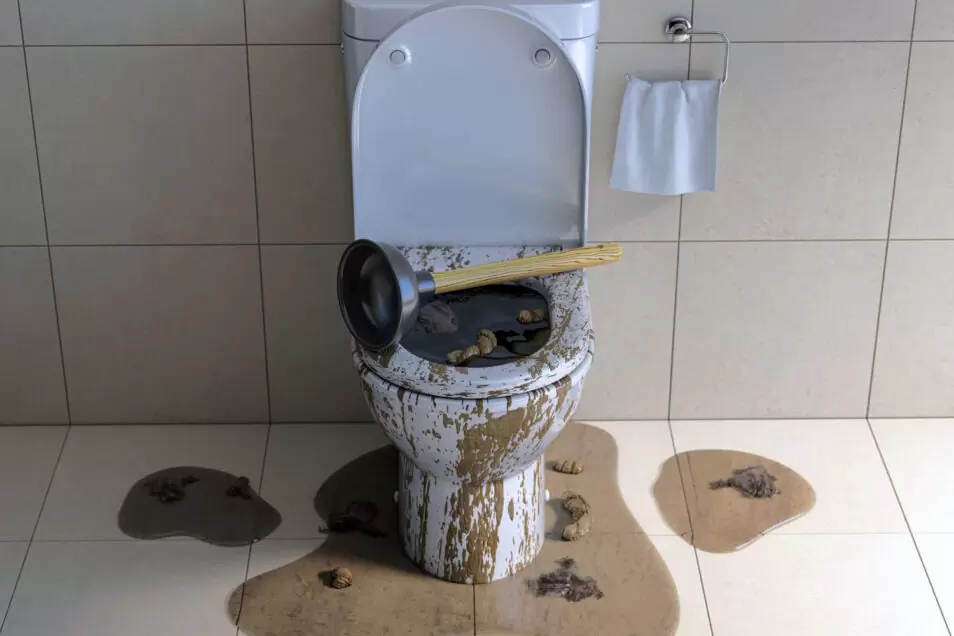
The moment you flush and realise you’ve got a toilet overflowing, it’s a situation every homeowner dreads. One second the bathroom is calm, and the next you’re watching water rising in the bowl and wondering how bad this overflowing toilet is about to get. It’s a fast-moving issue, and acting quickly can make a huge difference to the clean-up and the damage.
Toilets usually overflow for one of two reasons: a blockage affecting the bowl or a mechanical fault inside the cistern. Both can turn a simple toilet backup into serious bathroom flooding if they’re not handled promptly.
Here at Local Plumbing & Gas Co., we deal with these problems every day across the Gold Coast—from older Queenslanders with ageing pipework to newer homes that still cop their fair share of plumbing failures. As experienced local plumbers, we know exactly how quickly these issues escalate, and we’re always ready to get your toilet back under control.
Why Toilets Overflow (Bowl vs Cistern Issues)
Toilets generally overflow for one of two reasons: a blockage in the bowl or a mechanical failure inside the cistern. Each one shows different symptoms, and both can turn a small plumbing issue into a bigger problem if they’re ignored. Bowl-related overflows usually happen fast and are easy to spot, while cistern faults tend to creep up slowly before suddenly spilling over. Understanding the difference helps you know what you’re dealing with and how urgent the situation really is.
Bowl Overflow — Pan Blockages & Drain Issues
A bowl overflow is almost always caused by a blockage stopping water from moving through the pipe. When the drain is restricted, flushing forces the water to rise instead of disappearing, which is why you often see a toilet overflowing when flushed. Common causes include wet wipes, excess toilet paper, kids’ toys, or even a sewer line backing up further down the line.
When this happens, the overflow toilet bowl is usually the first warning sign. As blocked drain specialists on the Gold Coast, we see these issues every day, and in many homes a blocked toilet is the main culprit behind sudden water spills onto the bathroom floor.
Cistern Overflow — Fill Valve & Float Problems
A cistern overflow happens when the internal components that control water flow stop working properly. Inside the tank, the float and fill valve are meant to regulate the water level, but when the float gets stuck or the fill valve wears out, the water keeps rising until it spills out as an overflowing toilet cistern. A faulty flapper can also cause the tank to refill constantly, which often leads to a toilet overflowing from tank situations that catch homeowners off guard.
These faults are usually easy to spot. You might hear running water long after flushing, notice the toilet tank overflowing down the back of the bowl, or see that the toilet keeps filling past overflow instead of shutting off. In some cases, the toilet overflow keeps running nonstop, wasting water and increasing the risk of a full tank spill. These issues can escalate quickly if they’re not repaired.
TL;DR: Toilet overflows usually come from either a blocked drain or a faulty cistern, and both need fast attention before they cause water damage.
The Risks & Damage an Overflowing Toilet Can Cause
A toilet overflow is far more than an inconvenience — it exposes your home to hygiene risks, potential structural damage and a whole lot of stress. Wastewater contamination can spread quickly, especially on bathroom surfaces, and the longer water sits, the more it seeps into materials that aren’t designed to handle moisture. We’ve attended countless callouts where what started as a small spill turned into major damage simply because it wasn’t dealt with straight away.
Health Risks from Contaminated Water
When toilet water spills across the floor, you’re dealing with more than just a mess — you’re dealing with wastewater contamination that carries bacteria and pathogens. Greywater on bathroom surfaces can be a real biohazard risk, particularly for kids who touch everything, elderly family members with weaker immune systems, and pets walking through the area. Quick cleanup and proper sanitising are essential to keep everyone safe.
Damage to Floors, Walls & Subfloors
Water from a toilet overflow doesn’t stay on the surface. It seeps between tiles, into grout, through timber, and into cabinetry and plasterboard. Once moisture gets into these materials, it can cause mould, rot and persistent odours that are hard to remove. Moisture damage like this often shows up days later, long after the initial water ingress has disappeared from view, and by then the structural deterioration has already begun.
Stress & Household Disruption
An overflow can shut down the only toilet in your home, creating immediate bathroom downtime and a whole lot of emergency frustration — especially if it happens late at night. We once had a family in Mermaid Waters call us after-hours because the toilet failed during dinner with guests, and they were moments away from having to send everyone home. Situations like that escalate quickly, and they’re exactly why we prioritise these callouts.
TL;DR: An overflowing toilet exposes your home to health hazards, hidden water damage and a lot of unnecessary stress — fast action prevents most of the fallout.
What to Do Immediately When Your Toilet Is Overflowing
When water starts rising in your toilet bowl, quick thinking can prevent serious damage to your bathroom floor and surrounding areas. Here’s exactly what our team walks Gold Coast homeowners through when they call us mid-crisis.
The Exact Steps to Take Right Now
- Turn off the water supply immediately: Locate the isolation tap—it’s usually a small valve on the wall or floor behind your toilet. Turn it clockwise to shut off the water flow. This stops more water from entering the cistern and bowl.
- Do not flush again: It’s tempting to try flushing one more time, but this will only make the overflow worse. Leave the flush handle alone.
- Remove the cistern lid (only if it’s safe to do): If water is still flowing and you can’t find the isolation tap, carefully lift off the cistern lid and manually lift the float ball to stop the flow. Only do this if you can safely reach it without standing in water.
- Use towels to contain the water: Place old towels around the base of the toilet to absorb water and prevent it from spreading across your bathroom floor or seeping into other rooms. Work quickly—water damage starts fast in Queensland’s humid climate.
- Try plunging only for obvious, minor clogs: If you can see the blockage is recent and minor (like too much toilet paper), a few firm plunges might clear it. But if the water doesn’t drain after three attempts, stop. Aggressive plunging can worsen the problem or damage your pipes.
- Call a licensed toilet plumber immediately: If the overflow continues, the blockage won’t budge, or you’re dealing with sewage backup, it’s time to call a professional. Our emergency plumbers are available 24/7 across the Gold Coast and can usually get to you within the hour. Knowing when to call a plumber saves you from bigger repair bills down the track.
TL;DR: Shut off the isolation tap, don’t flush again, contain water with towels, try a gentle plunge only if it’s a minor clog, and call a licensed plumber if the problem persists or involves sewage.
How to Prevent Future Toilet Overflows
Most toilet overflows can be avoided with a few simple habits and occasional maintenance checks. A little attention goes a long way, especially in busy households where toilets cop a workout every day. These practical tips help keep your plumbing running smoothly and reduce the chances of another bathroom mess.
Smart Use & What Not to Flush
One of the easiest ways to prevent toilet problems is by being mindful of what you flush. Wipes, sanitary items, cotton buds, and excessive toilet paper are some of the most common causes of clogged toilets we see on the Gold Coast. Even products labelled “flushable” often don’t break down properly. Encourage everyone in the home to use a bin for anything that isn’t standard toilet paper. Good flush habits make a huge difference and can save you from unexpected overflows.
Maintenance Tips for Cistern Components
Your cistern also needs a little attention now and then. Checking that the float moves freely, replacing worn fill valves, and keeping an eye on any slow leaks will help prevent unexpected failures. If your toilet is older, a quick annual plumbing checkup can pick up issues before they turn into emergencies.
For more expert toilet tips you can try at home, we’ve put together a helpful guide: Quick DIY Toilet Fixes for Emergency Flush Problems
TL;DR: Preventing overflows comes down to simple daily habits and basic cistern maintenance — small steps that make a big difference.
FAQs About Overflowing Toilets
These are the most common questions we hear from Gold Coast homeowners when they’re dealing with an overflowing toilet and need fast, reliable advice.
What do I do if my toilet is overflowing?
If your toilet is overflowing, the first thing you should do is turn off the isolation tap behind the toilet, avoid flushing again, contain any water with towels, and call a licensed plumber if the water doesn’t stop or you can’t identify the cause.
Is an overflowing toilet a plumbing emergency?
An overflowing toilet is a plumbing emergency when the water keeps rising, the overflow doesn’t stop, other drains begin backing up, or you notice a strong sewer smell—these signs indicate a deeper issue requiring urgent attention.
How much does it cost to fix an overflowing toilet?
The cost to fix an overflowing toilet is $350–$550 for the first after-hours hour, with any additional hours charged at $110 plus GST, excluding materials. Standard daytime repairs are generally cheaper.
How to stop a toilet from overflowing when clogged?
To stop a toilet from overflowing when clogged, turn off the isolation tap, avoid flushing again, and use a plunger only for a minor, obvious blockage—avoid chemicals and forceful plunging because they can worsen the problem.
Can a toilet overflow cause damage?
A toilet overflow can cause damage by spreading bacteria, soaking into flooring and cabinetry, encouraging mould growth, and damaging plasterboard and subfloors if water isn’t contained quickly.
Does insurance cover toilet overflow damage?
Insurance can cover toilet overflow damage when it’s sudden and accidental, but policies vary, so it’s best to check your insurer’s Product Disclosure Statement and take photos or video before cleaning up.
Conclusion
A toilet overflowing can catch anyone off guard, but it’s something we deal with every day on the Gold Coast. While it’s a common problem, it’s never one to ignore. Even small overflows can quickly lead to bigger issues if they’re not handled properly. Our expert toilet plumbers can usually diagnose within minutes whether the problem is a blocked drain or a cistern fault, and acting early always prevents bigger, costlier headaches.
At Local Plumbing & Gas Co., we offer a $0 call-out, fast turnaround times, and 24/7 support, so you’re never stuck dealing with a mess on your own. If you need an emergency plumber Gold Coast homeowners can rely on, the Local team always ready to help. We’ll get your toilet back under control quickly, safely and with the reliable plumbing service you deserve.
Learn more about what our toilet repairman can fix before contacting anyone else.