Need a Toilet Plumber? Here’s What You Should Know First
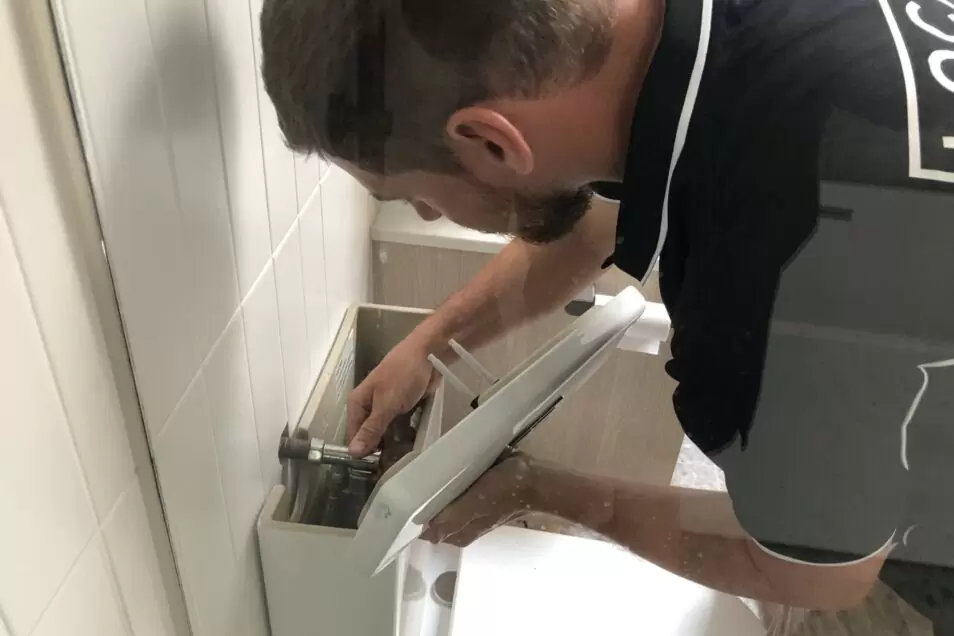
Whether you’re replacing an outdated toilet, fixing a leak, or dealing with a frustrating blockage, chances are you’re searching for a toilet plumber who can get the job done quickly and correctly. While toilet plumbing services might seem simple at first glance, the reality is that licensed expertise is essential. From ensuring proper drainage and trap seals to maintaining flush performance and compliance with local codes, there’s a lot more to it than tightening a few components.
This blog is your complete guide to understanding what licensed toilet plumbers can handle, what to expect during the job, and how to avoid common pitfalls. Whether you need a quick repair, a new installation, or expert advice from our toilet plumbers, we’ve got you covered.
What a Toilet Plumber Can Help You With
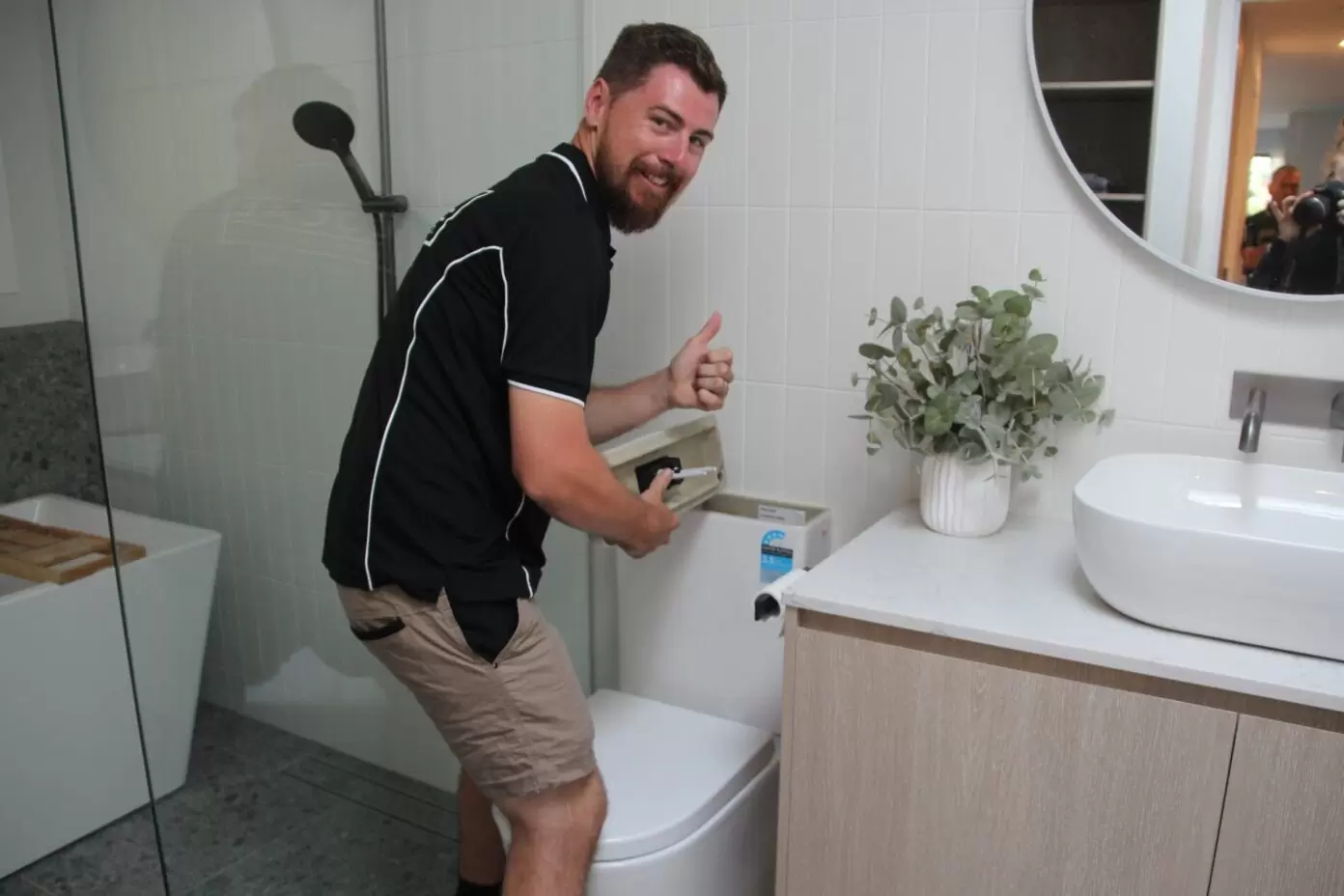
When most people think of calling a toilet plumber, they assume it’s only for blockages or full replacements — but there’s a lot more we handle. Whether you’re installing a new toilet, fixing a leak, or dealing with drainage issues, we’re licensed to take care of every part of the job. Here’s how we help:
Toilet Repairs
From constantly running cisterns to faulty flush buttons, many toilet problems are internal — and entirely fixable. We diagnose the issue fast and replace only what’s necessary, whether it’s a worn flush valve, cracked inlet, or leaky seal.
For a full list of what we repair, see What a Toilet Repairman Can Fix.
Toilet Installations & Replacements
Installing a new toilet sounds simple — until it’s not. Incorrect set-outs, mismatched traps, or loose floor seals can lead to leaks or wobbling later. We handle everything from disconnecting the old unit to setting, sealing, and testing the new one for flush performance and compliance.
Planning to upgrade? Talk to us before you choose a toilet — not all models suit every bathroom layout.
If a new bath is also on the cards, check out our guide on what a bathtub plumber can help with during installation — it covers everything from drainage to waterproofing support.
Toilet Blockages
If your toilet is overlowing, slow to drain, or gurgling, a blockage is the likely culprit. If you’ve had no luck with chemical and manual solutions for toilet clogs, it’s time to call a plumber. We use drain cameras and jetting equipment to clear stubborn clogs fast — no guesswork, no mess.
For signs it’s time to call in the pros, check out our When to Call a Blocked Toilet Plumber and our Comprehensive Guide to Clogged Toilets.
TL;DR: Toilet plumbers handle more than you might think. They install new units, fix leaks or flushing problems, and unblock even the most stubborn clogs. With licensed expertise, they ensure your toilet plumbing is done right, from proper sealing to drainage alignment, saving you trouble down the track.
Planning a New Toilet Installation or Replacement
Sometimes, repairing a toilet just doesn’t cut it. Over time, wear and tear can take its toll, and knowing when to replace rather than repair can save you time, stress, and money. Whether you’re dealing with a constant leak or a dated, inefficient model, understanding the signs that it’s time for a new unit is crucial. Toilet plumbers can help assess your situation and guide you toward the best solution for your bathroom and budget.
When It’s Time to Replace — Not Repair
Here are clear signs your toilet is past the point of repair:
- Cracked Pan: A visible crack in the toilet pan isn’t just unsightly; it’s a safety hazard. Left unaddressed, it could lead to leaks or even structural damage to your bathroom floor.
- Leaking Base: A persistent leak at the base of your toilet indicates sealing or alignment issues, but in older models, this often signals deeper problems that justify a full replacement.
- Outdated Water Efficiency: Older toilets can use up to 12 litres of water per flush, compared to modern, water-saving models like dual-flush systems. Upgrading can significantly reduce your water bill while being kinder to the environment.
- Non-Compliant Flush Mechanisms: Changes in regulations mean that some old toilets no longer meet modern flushing standards. A replacement ensures compliance and better flushing performance.
If a new toilet is needed, it’s also the perfect time to consider upgrades. Options like back-to-wall designs for a sleek finish, rimless models for easier cleaning, or efficient dual-flush systems can enhance your bathroom’s style and functionality.
We help homeowners choose and install the right toilet for their layout and plumbing system. Whether it’s a cracked pan or an outdated system, our replacement toilet plumbers provide expert service to get the job done right.
Read our post, What a Toilet Repairman Can Fix (Before You Replace the Whole Toilet) frist, to see if you can get away with a repair over replacement.
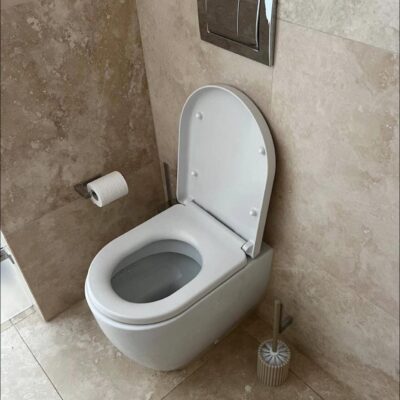
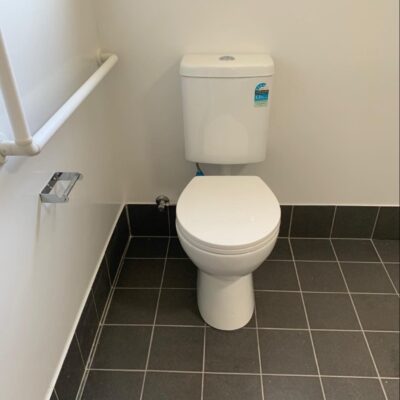
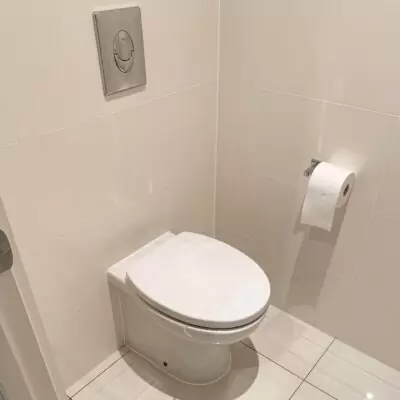
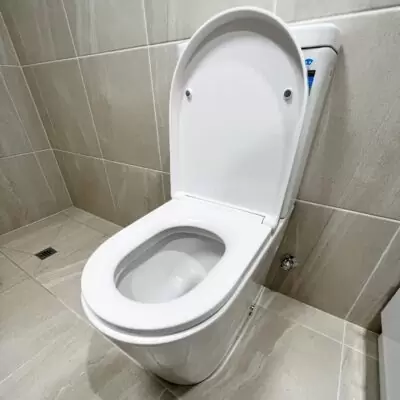
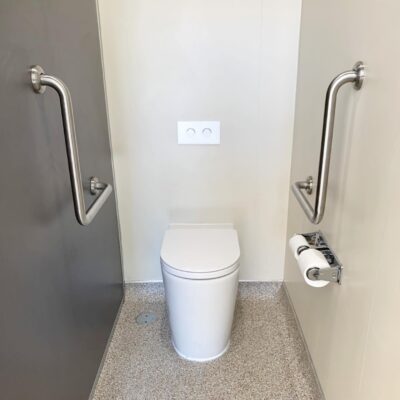
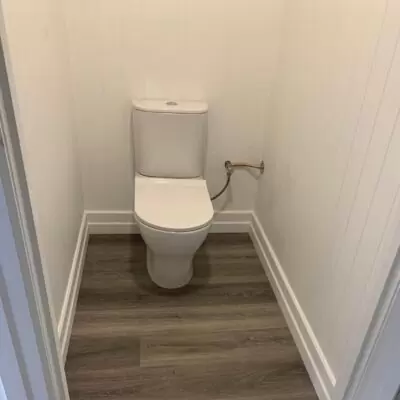
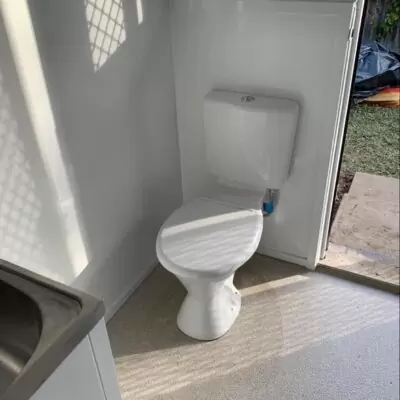
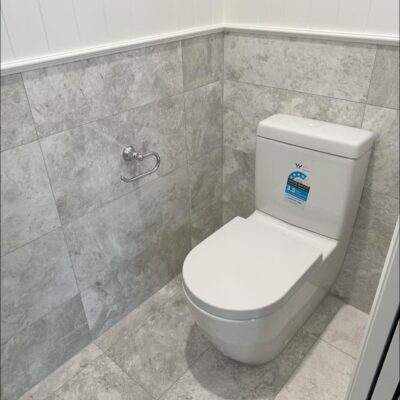
Below are some recent toilet installations we’ve done across the Gold Coast.
TL;DR: If your toilet has a cracked pan, persistent leaks, or outdated water efficiency, it may be time to replace it instead of repairing it. Upgrading to modern, water-saving models like dual-flush systems can save money, improve performance, and enhance your bathroom’s style. Expert plumbers can help assess your needs and install the right solution for your space.
Understanding Toilet Plumbing Components
Getting the plumbing right is critical when planning a toilet installation. From understanding set-out measurements and trap types to ensuring proper venting and flush performance, every detail plays a role in creating a functional and efficient system. Neglecting these elements can lead to costly issues like clearance problems, poor drainage, or an underperforming flush. Knowing the basics of toilet plumbing components and compliance standards is essential for a smooth, headache-free installation and long-term reliability.
Toilet Set-Out, Trap Type, and Drainage
The set-out is probably the first thing to check when planning a toilet installation. It refers to the distance from the wall to the centre of the waste outlet on your bathroom floor or wall. Getting this measurement wrong can mean buying a toilet that simply won’t fit your current layout. A professional plumber will ensure the set-out aligns with your existing pipes to avoid costly adjustments.
There are also three main pan types to consider for toilets, and each works best in specific setups:
- S-trap: Common in older homes, an S-trap’s waste outlet connects directly to the floor. It’s ideal for bathrooms with floor waste but requires exact alignment with the existing pipes to avoid a trap mismatch.
- P-trap: A P-trap connects horizontally to the wall, making it a popular choice in modern construction. This setup reduces the need for pipework adjustments during renovations but requires proper venting for smooth drainage.
- Skew Pans: These are less common but useful for tight bathroom layouts where the waste pipe is offset to the side instead of directly behind or below the pan.
Selecting the wrong trap type or misjudging the set-out can lead to clearance problems, poor sealing, or even a toilet that doesn’t fully function. We’ve seen cases where homeowners tried to fit a toilet to floor waste without considering these factors, only to end up needing costly rework.
Venting, Flush Performance and Compliance
Good toilet drainage doesn’t just happen by accident. It relies on proper venting to keep water and air moving through your plumbing system smoothly. Without it, you’ll likely experience problems like gurgling noises, slow flushes, or even trap siphonage—which can leave your bathroom smelling worse for wear. A professional toilet plumber ensures that all venting is up to scratch so your system works as it should.
Older homes often require venting updates to handle modern, water-efficient toilets. New systems rely on features like vent stacks or air admittance valves (AAVs) to maintain the airflow needed for consistent flush performance. Neglecting these upgrades can lead to toilets that struggle to flush properly or repeatedly block.
Another crucial factor is plumbing compliance. Building regulations set standards for venting to protect against issues like sewage odours or pressure imbalances in the pipes. A licensed bathroom plumber will confirm that your setup meets the latest plumbing codes, giving you peace of mind and a toilet that works reliably for years.
TL;DR: When installing a toilet, ensure the set-out measurement matches your pipes to avoid mistakes. Choose the right trap type (S-trap, P-trap, or skew pan) for proper alignment and drainage. Proper venting is key for smooth flushing and preventing odours or blockages, especially in older homes. Always hire a licensed toilet plumber to ensure compliance with building codes and avoid future issues.
Toilet Repair Services: Fixing Leaks, Flush Faults and Cistern Issues
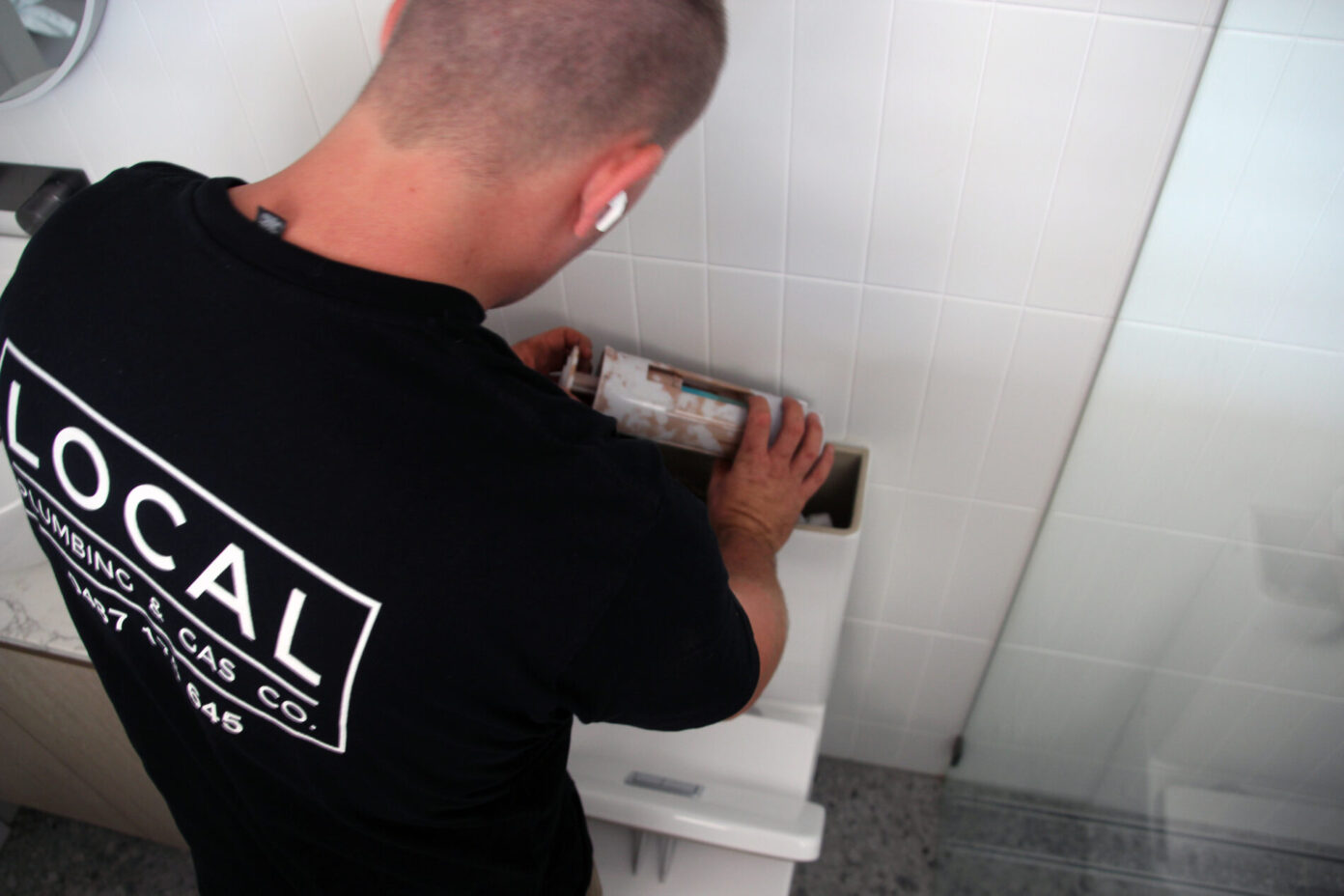
Toilets work hard every day, so when they start acting up, it’s best to address the problem quickly. Even seemingly small issues can lead to wasted water, higher bills, or worse, lasting damage. The good news is that expert toilet plumbers can fix most problems efficiently, saving you from unnecessary stress and expense.
What a Toilet Plumber Can Diagnose and Repair
If your toilet isn’t working as it should, the cause usually lies within the cistern. Here are some common fixable issues plumbers deal with regularly:
- Constant Refilling: If your toilet keeps running or refilling itself, it might indicate a worn-out inlet valve or a faulty float. These components regulate the water flow into your cistern and prevent overflows.
- Water Leaking into the Bowl: A continuous trickle of water into the bowl isn’t just annoying; it’s a sign that the flush valve or flapper seal is failing. Replacing these parts stops the waste of water and brings your loo back to normal.
- Flush Button Not Engaging: A flush button that’s stuck or unresponsive is often due to wear and tear on the flush mechanism inside the cistern. Cleaning or replacing these small but crucial components can fix the issue without needing a whole new setup. Read our DIY Toilet Fixes for Emergency Flush Problems for quick fixes.
Unlike blockages, most of these problems stem from the internal parts that help your toilet flush and refill properly. These parts, like the flush valve, inlet valve, and cistern fill mechanism, can wear out over time—but a skilled plumber to fix your toilet can get everything back in working order with minimal fuss.
TL;DR: Toilet issues like constant refilling, water leaking into the bowl, or a broken flush button are usually due to worn-out internal cistern parts. Skilled toilet plumbers can quickly fix these problems, saving water and preventing further damage. Don’t ignore the signs; call a professional plumber to fix your toilet.
Blocked Toilet Plumber Services: When a Plunger Isn’t Enough
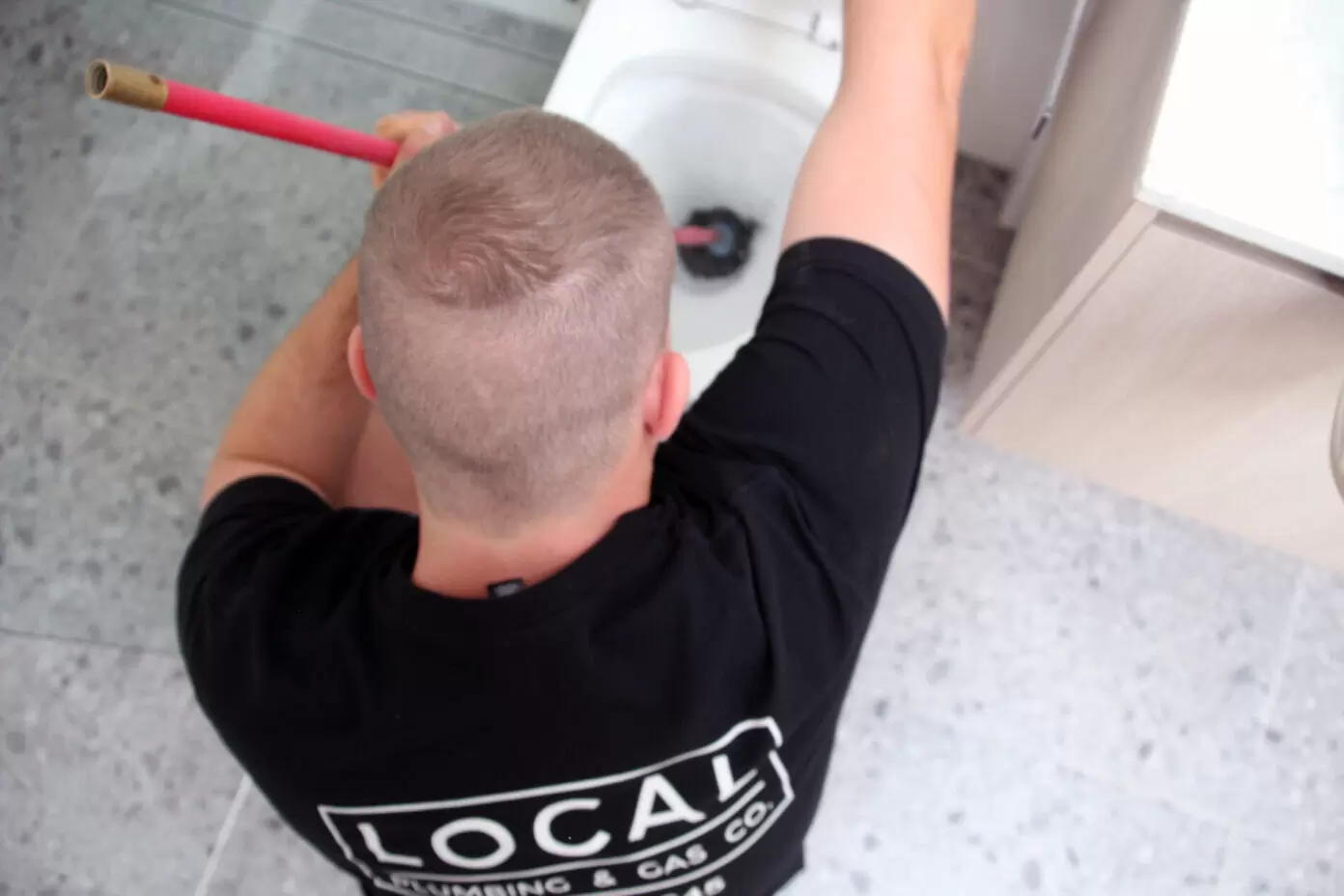
A blocked toilet is no one’s idea of fun, but ignoring the problem can quickly turn an inconvenient situation into a full-blown mess. Beyond the frustration, blockages can lead to hygiene risks, water damage, and expensive repairs. Knowing when to pick up the plunger and when to call a professional toilet plumber can save you time, money, and hassle.
Not All Toilet Blockages Can Be Solved With a Plunger
If a plunger isn’t working, it might be more than just a simple clog. Here’s how to tell if it’s time to bring in help:
- Water Rising in the Bowl: When flushing makes the water level creep higher (instead of flushing it away), it’s a sign of a stubborn obstruction in the pipes.
- Overflowing Outside: If water is spilling out via your gully trap, it means the blockage is serious and causing a backup. This should be dealt with straight away to prevent further mess.
- Strong Odours or Gurgling Sounds: A sewage smell or gurgling noises when you flush point to airflow problems in the system, often caused by a partial or complete drain blockage.
Common culprits behind toilet clogs include non-flushable items like wipes (see the crazy pics below from a sewer manhole we cleared on the Gold Coast), sanitary products, and even kids’ toys. While these might seem small, they can lodge themselves in pipes and create major drainage issues over time. For a more in-depth look these causes, read our guide, Common Causes of Blocked Toilets — And How to Avoid Them.
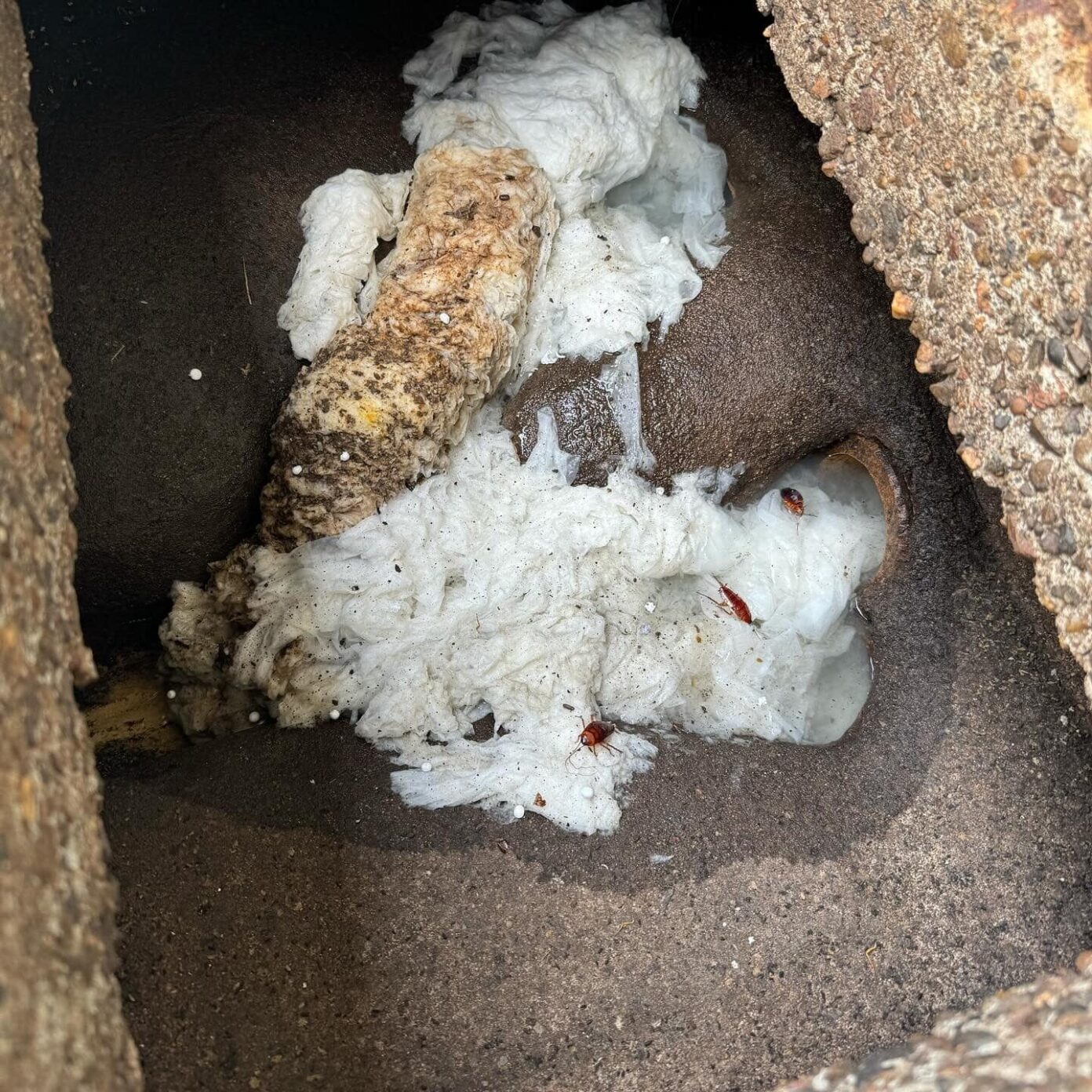
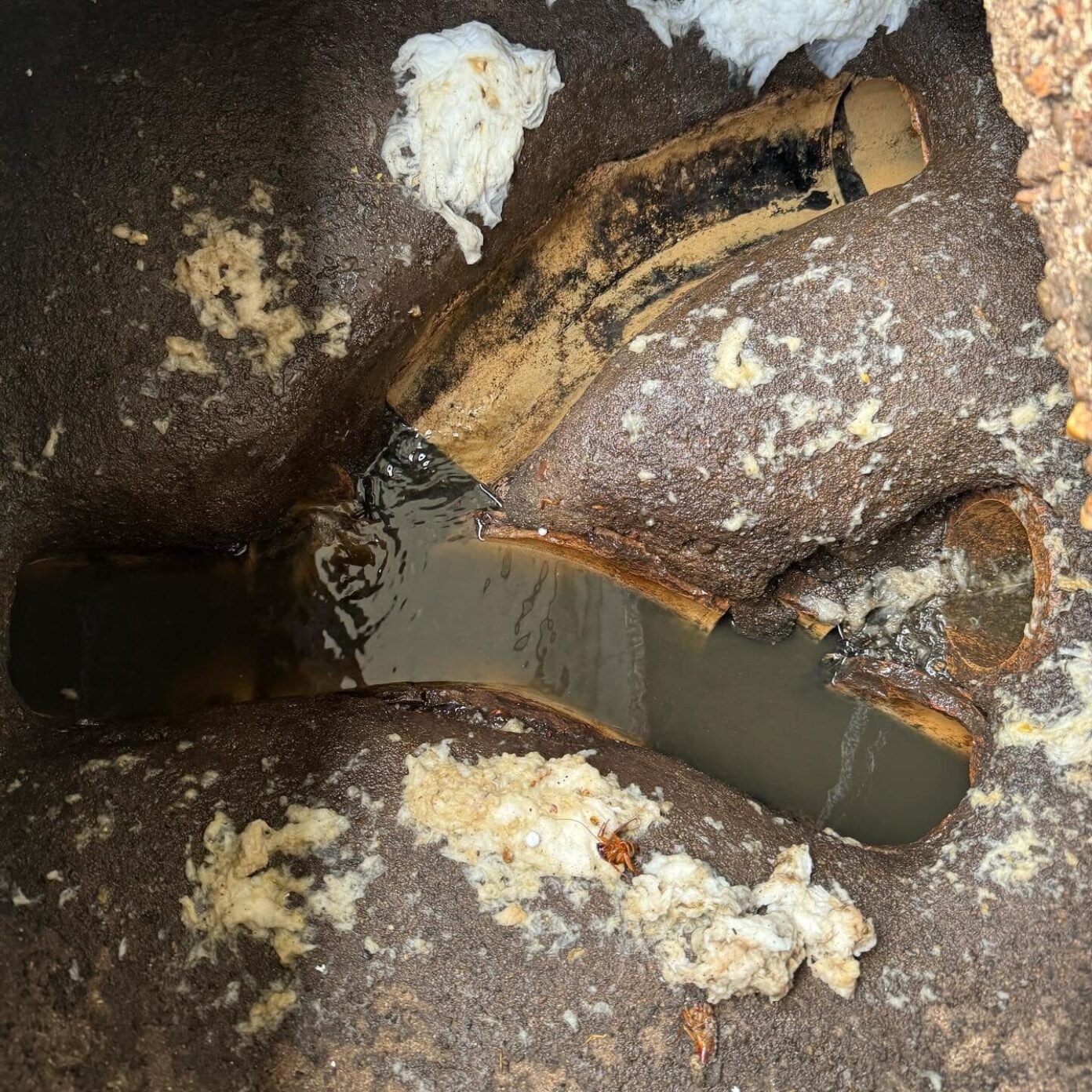
When blockages can’t be shifted with a plunger, our tools like drain cameras and high-pressure jetting equipment come into play. These advanced methods are efficient, thorough, and won’t damage your pipes. Dealing with tough clogs is what a professional clogged toilet plumber does best.
TL;DR: Signs of serious toilet blockages include water rising in the bowl, overflowing via the gully trap, and strong odours or gurgling sounds. Common causes are wipes, sanitary products, and toys. A professional toilet plumber can clear stubborn blockages using tools like drain cameras and jetting equipment without damaging pipework. Don’t wait for it to get worse. Call the pros!
How Much Does a Toilet Plumber Cost?
One of the most common questions we get is: how much does it cost to install or fix a toilet? While every job is different, here’s a general guide to what you can expect to pay when hiring a licensed toilet plumber on the Gold Coast:
Typical Toilet Plumbing Costs:
- Standard toilet installation: $150–$300
Ideal for straightforward replacements where the existing plumbing and set-out are already correct. - Complex installations or relocations: $300–$400+
Includes adjustments to the pipework, pan collar, or floor sealing — common during renovations. - Toilet repairs: $120–$250
Covers replacement of inlet valves, outlet valves, flush buttons, and other internal cistern components.
These prices are based on average industry rates for licensed plumbers in Queensland. Factors like floor type (tiled vs concrete), access, set-out changes, and fixture compatibility can all affect the final price.
At Local Plumbing & Gas Co., we don’t charge call-out fees, and we always provide upfront quotes — so you know exactly what you’re paying before we start.
Conclusion
An expert toilet plumber does much more than clear blockages. They handle everything from installations and sealing to diagnosing and repairing more complex issues, ensuring your toilet functions smoothly for the long haul. Whether you need help with a leaky cistern, a stubborn clog, or upgrading your bathroom fixtures, hiring a licensed plumber on the Gold Coast ensures reliable work that lasts.
When it comes to bathroom plumbing on the Gold Coast, we’re here to make the process stress-free. We focus on delivering expert service that’s fast, transparent, and trusted by local homeowners.
Whether it’s a new installation, a leaking cistern, or a blocked drain, our licensed toilet plumbers are ready to help across the Gold Coast. Call 1800 562 251 for fast, expert service done right the first time.