What a Toilet Repairman Can Fix (Before You Replace the Whole Toilet)
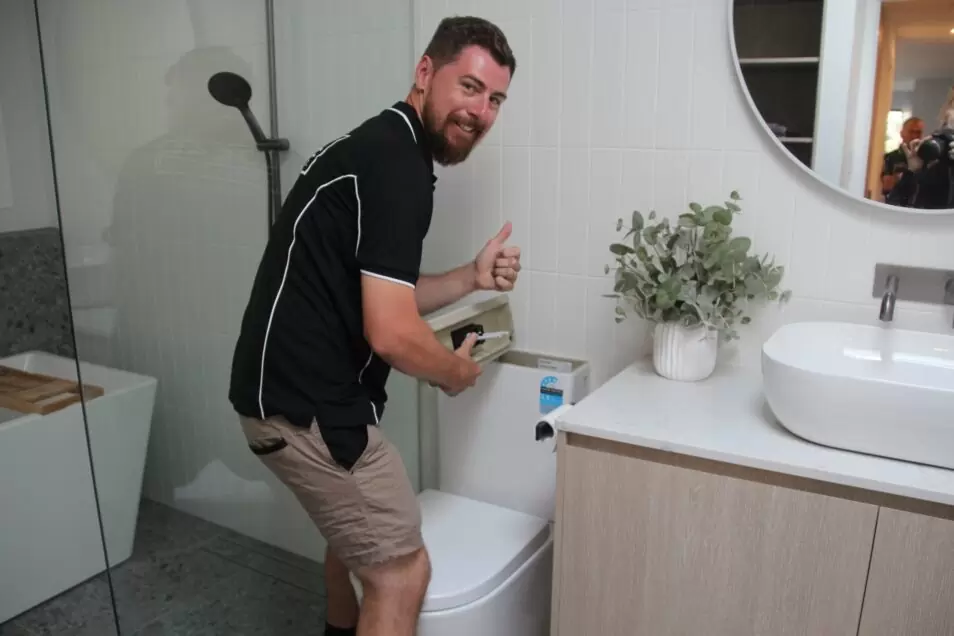
Not all toilet problems stem down to a blocked toilet. Sometimes the toilet still flushes, but it keeps running, refilling, or making strange noises. Other times, it won’t flush at all — even though the drain’s perfectly clear. In most cases, these faults come from inside the cistern, not the bowl or pipes. A licensed toilet repairman can often sort the issue quickly and affordably, without the need to replace the entire toilet.
From leaks and flushing problems to hissing sounds and constant refilling, most toilet troubles can be traced to parts inside the flush system like the fill valve or inlet pipe. This article will walk you through common faults, explain what can be repaired, and help you decide if replacement is necessary.
Before you rush out to buy a new toilet, consider how many of these problems can be solved with the right toilet repair and keep your current setup working perfectly again.
Why Toilets Stop Flushing or Start Leaking (and What It’s Costing You)
Your toilet might seem like a simple system, but when it stops flushing or starts leaking, the root cause is often more internal than it appears. A running or leaking toilet is one of the most common bathroom plumbing repairs we get called out to, and most of these issues — from poor flushing to annoying leaks — are caused by problems in the cistern rather than the bowl or drain. Often, these faults can be repaired without needing to clear blockages or replace the whole toilet.
Not Flushing? It Might Be a Cistern Issue — Not a Blockage
If your toilet won’t flush properly, it’s easy to assume you have a blocked toilet. However, flushing problems like weak flushes, buttons that don’t work, or a cistern that doesn’t refill typically point to mechanical issues inside the cistern.
The most common culprits are a faulty flush valve, a worn fill valve, or a disconnected button mechanism. These aren’t drain issues at all and don’t require clearing pipes. Instead, the solution often involves adjusting or replacing these internal parts, which is quicker, less invasive, and much more affordable than plumbing for a blocked drain.
Other Hidden Symptoms You Shouldn’t Ignore
Some toilet faults fly under the radar but can lead to wasted water and bigger problems if left unchecked. Keep an eye (and ear) out for these symptoms:
- Running water after flushing that doesn’t stop
- Ghost flushes when the toilet refills itself without being used
- Water pooling around the base, often indicating a leak
- Trickling or hissing noises, pointing to internal water flow issues
These signs all point to internal leaks or worn components inside the cistern, such as a damaged inlet valve or seal. Addressing these repairs is crucial to avoid wasted water (and higher bills) or more significant issues like structural damage down the line.
TL;DR: Toilets that don’t flush properly or develop leaks usually have internal problems, not blockages. Symptoms like running water, ghost flushes, and trickling noises typically signal the need for toilet leak repairs or a repair to the cistern, often fixable without replacing the entire unit.
Key Parts Inside the Cistern That Commonly Fail (and Cause Flushing or Leak Problems)
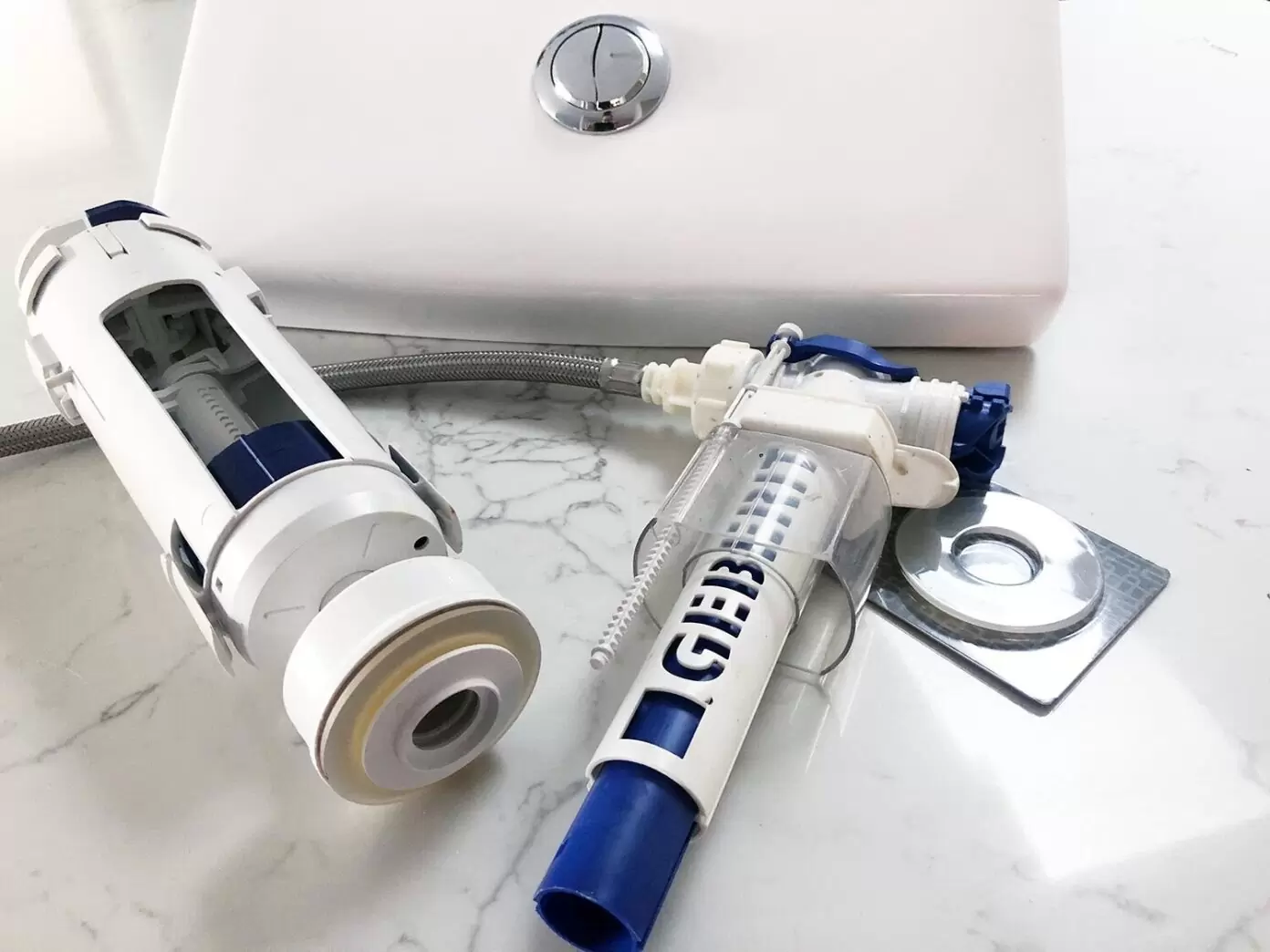
If your toilet isn’t flushing properly, keeps refilling, or leaks continuously, the issue is almost always inside the cistern. The good news? Most of these problems can be fixed by replacing specific components instead of swapping out the entire unit. By focusing on key internal parts, you can solve common faults quickly and save yourself the cost and hassle of unnecessary replacements.
Inlet Valve (Fill Valve)
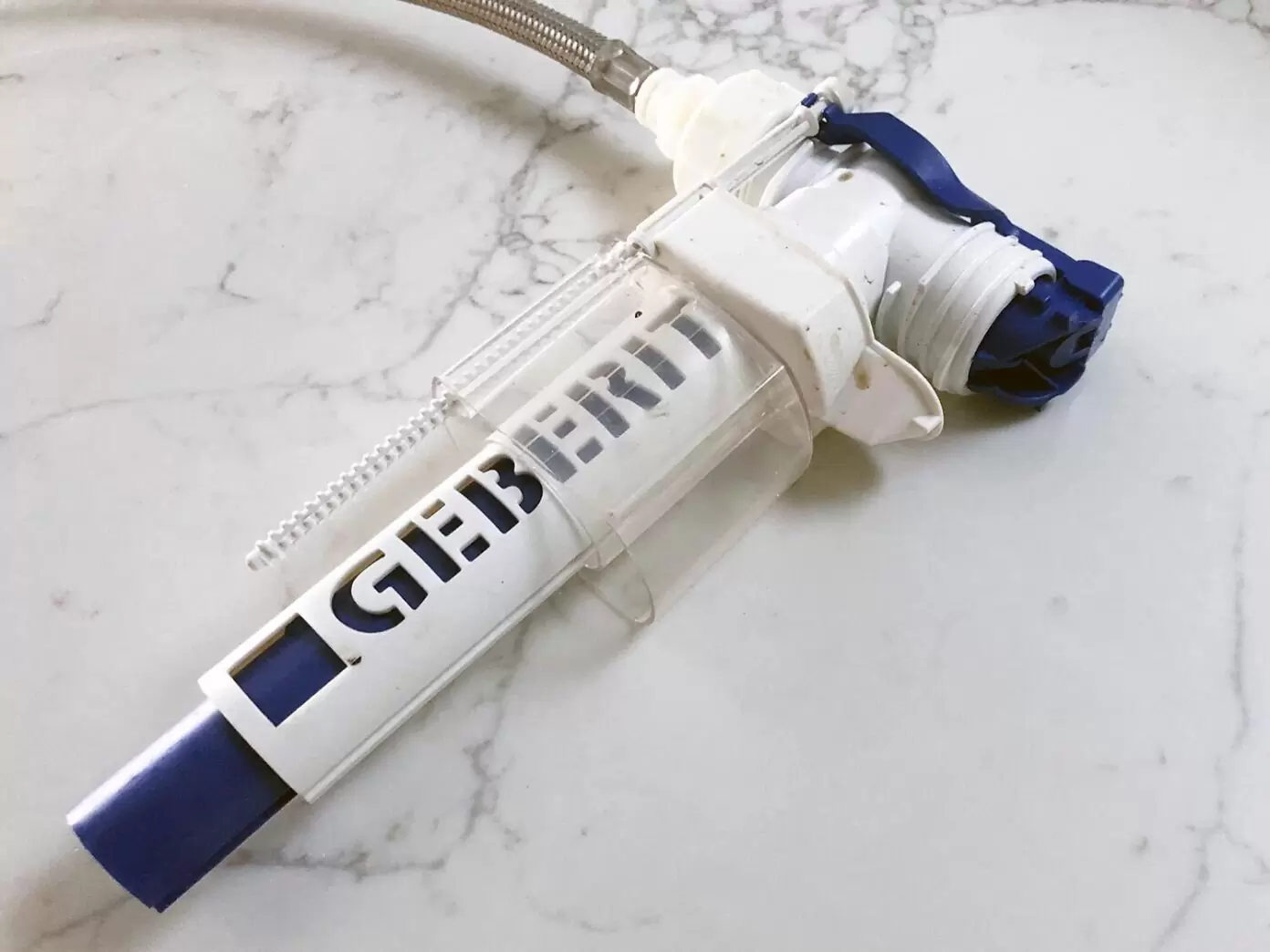
The inlet valve, or fill valve, is responsible for replenishing the cistern with water after every flush. When it’s working properly, it allows water to flow into the tank until it reaches the correct level, then shuts off automatically. However, when it fails, you’ll often run into frustrating issues like:
- Slow refilling or no refill at all
- Hissing sounds during or after refilling
- Water constantly escaping into the bowl, even when the flush isn’t in use
If the inlet valve isn’t functioning, your toilet might not refill enough for the next flush or, worse, keep wasting water. Replacing or reseating the valve is typically a fast and affordable solution that restores normal operation without requiring a full toilet replacement.
Whether it’s hissing noises or a tank that takes forever to refill, these issues are clear signs it’s time for a toilet flush repair. A quick repair to the cistern can save you money and keep your toilet running smoothly.
Outlet Valve (Flush Valve / Flapper Assembly)
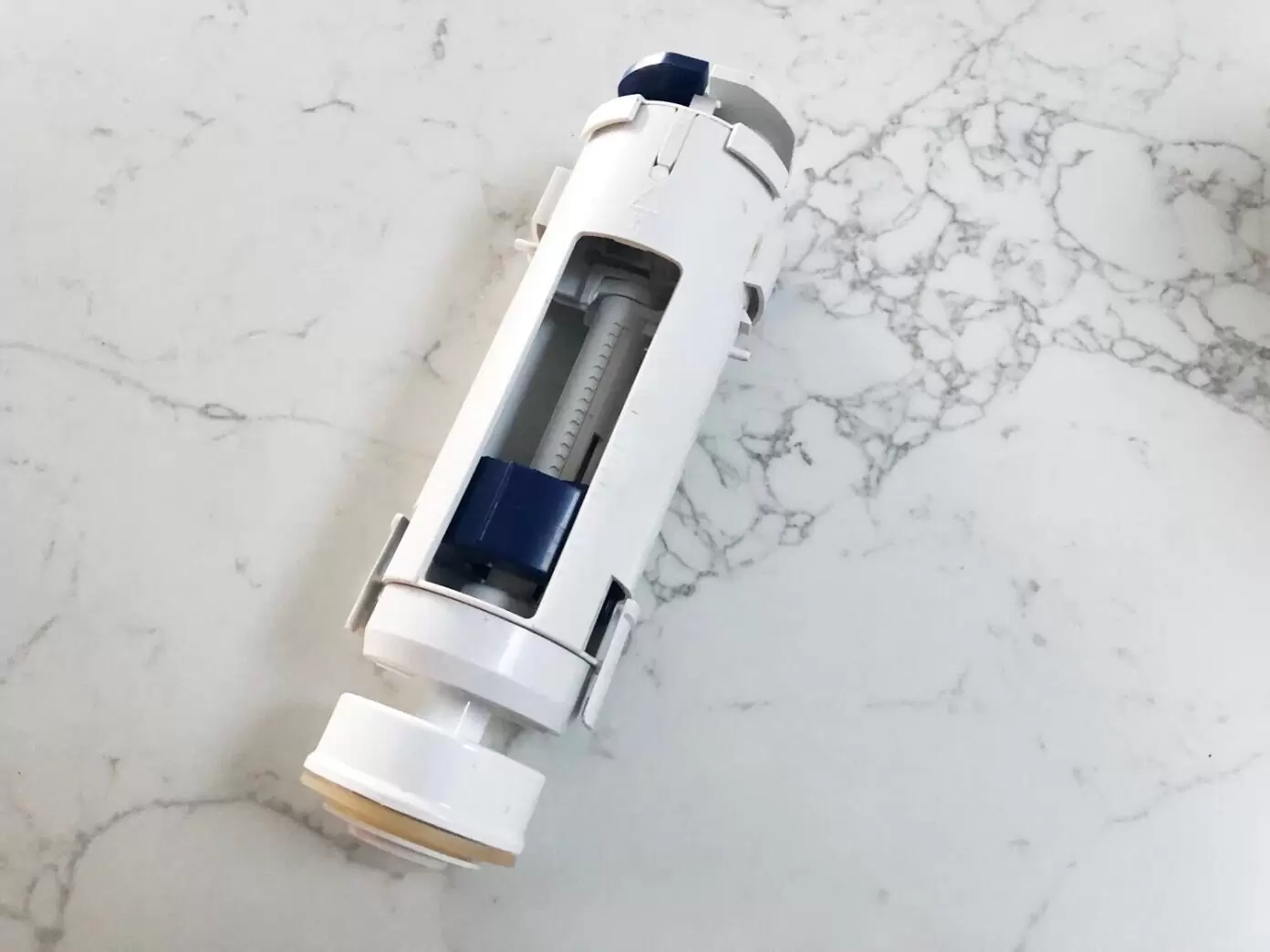
The outlet valve, or flush valve, is what releases water from the cistern into the pan during a flush. When this vital component is worn out, damaged, or misaligned, it can cause some common yet annoying toilet problems. These issues include:
- Weak or incomplete flushes that don’t clear the bowl
- Water constantly leaking into the bowl, even when the toilet isn’t in use
- A flush that doesn’t activate at all, leaving you with an unflushed toilet
This valve is also often the culprit behind ghost flushes, where the toilet refills itself when it hasn’t been used. This kind of internal leak not only wastes water but can also increase your water bill.
Fortunately, these problems don’t mean you need to replace the whole toilet. A simple repair can do the job, whether it’s replacing or adjusting the flush valve, flapper, or seal. These repairs are quick, affordable, and prevent water waste.
Seating Washer
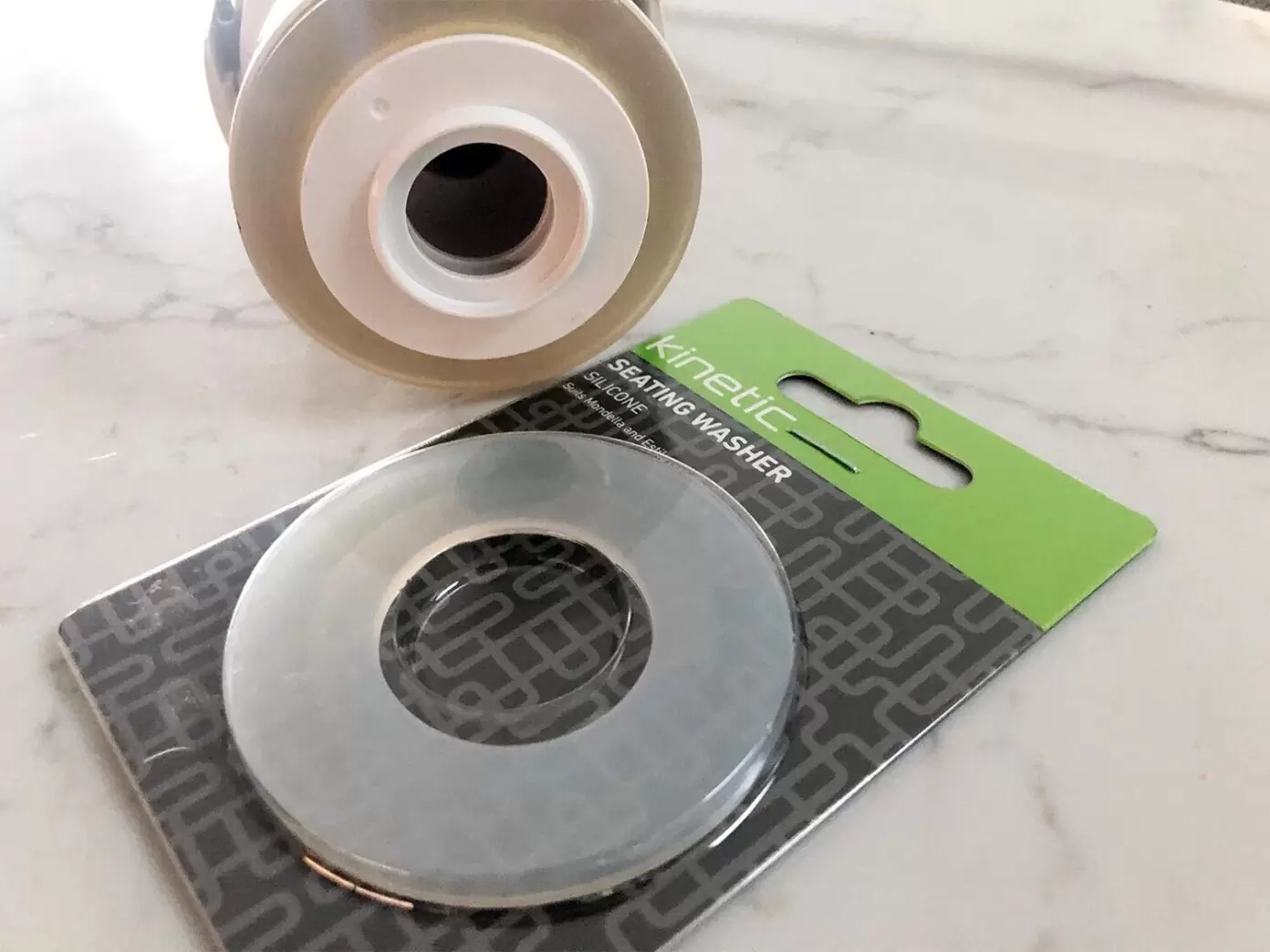
The seating washer is a small but critical component inside your cistern that often goes unnoticed until something goes wrong. Sitting under the outlet valve, it creates a watertight seal to stop water from escaping unnecessarily. However, over time, wear and tear can take its toll, causing the washer to degrade, bubble or crack. When this happens, water trickles past the seal, leading to a cistern that constantly refills.
You might not hear the problem immediately, but it could show up as an unexpectedly high water bill or the sound of water filling randomly into the cistern. Many Gold Coast homeowners describe it as a faint trickle or drip they only notice late at night.
The fix? Replacing the rubber washer is a straightforward, low-cost job that doesn’t require removing the entire cistern. It’s a simple repair that can save you money on wasted water and prevent further wear on your toilet’s internals.
If your toilet keeps refilling slowly or the cistern is never full no matter how long it’s left alone, it might be time to check the washer. A licensed toilet repairman, like those at Local Plumbing & Gas Co., can easily swap it out and restore your toilet’s efficiency before it leads to bigger issues.
Flush Button or Trip Mechanism
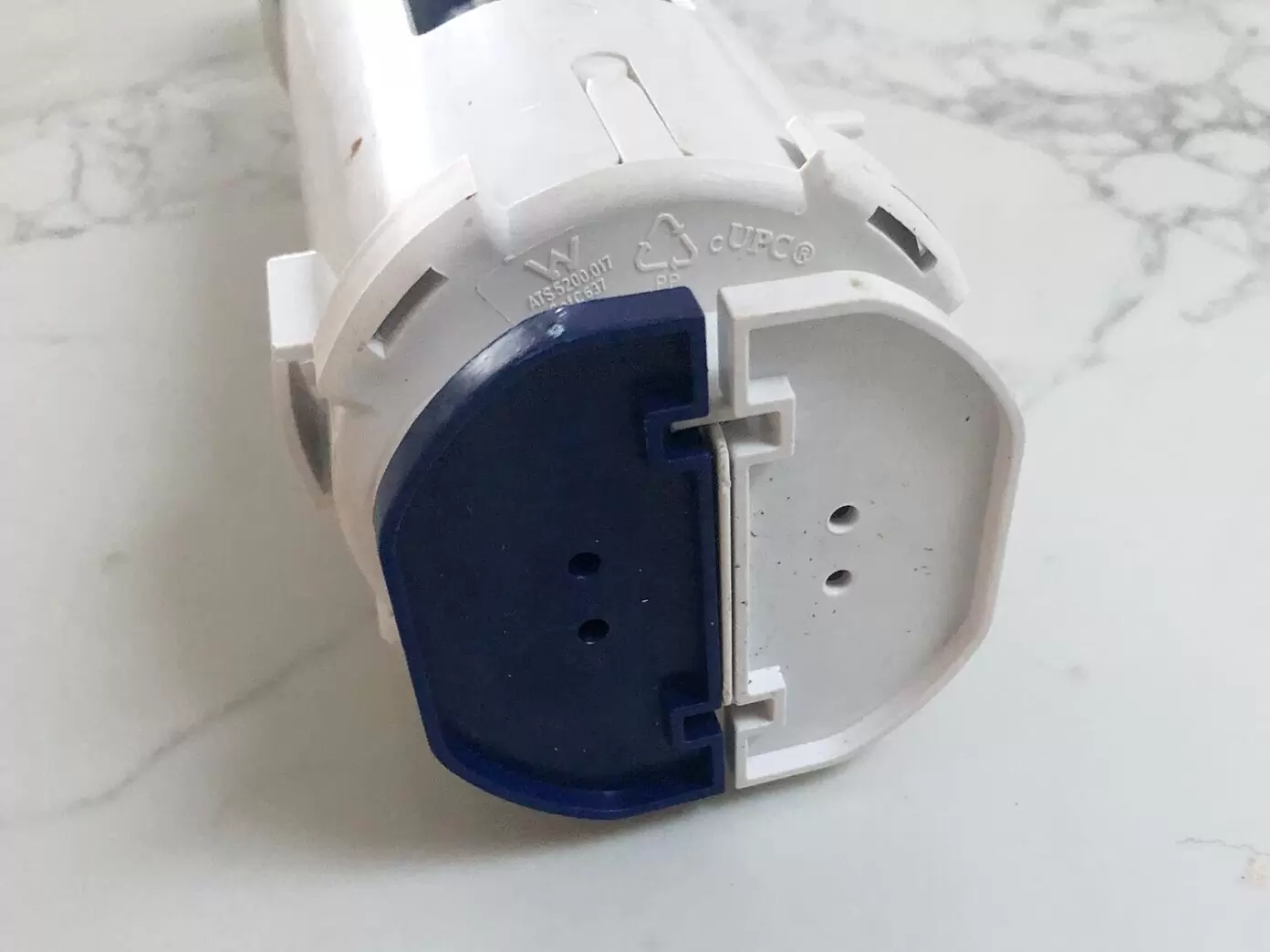
Flush button issues often catch people off guard because they’re frequently mistaken for blockages. However, the problem usually lies within the flush button or mechanism itself. Some of the most common complaints I hear include:
- The button not engaging when pressed
- A disconnected mechanism that fails to trigger the flush
- A stuck or jammed flush button
- Weak or incomplete flushes, even when the button is pressed all the way
These problems are usually straightforward to fix. More often than not, the solution is as simple as reconnecting the flush rod or replacing the faulty button or actuator. What’s great is that these repairs don’t require replacing the cistern, meaning it’s a quick and low-cost job.
For those handy with tools, minor button adjustments can make a big difference. Check out our related article, “Toilet Troubles: Quick DIY Toilet Fixes for Emergency Flush Problems”, for some practical tips. However, if you’d rather leave it to the pros, don’t hesitate to contact a plumber for toilet repair.
Whether it’s a basic flush button fix or a more complex issue with the dual flush mechanism, Local Plumbing & Gas Co. has the expertise to get it sorted. One of our qualified toilet repair guys can quickly diagnose the problem and have your toilet back in working order in no time.
Inlet Pipe and Hose Connections
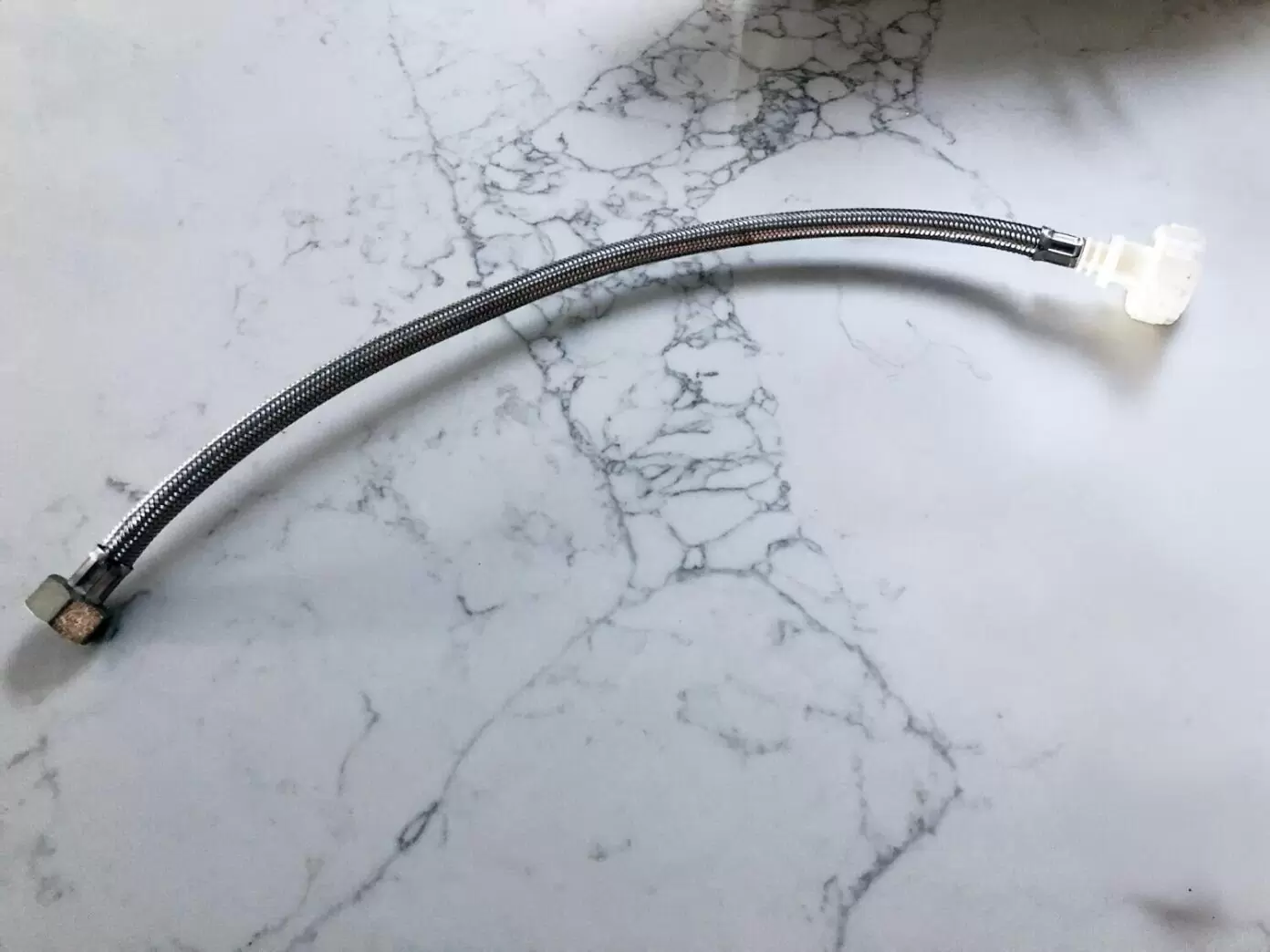
One common cause of visible leaks or water pooling around your toilet is an issue with the external connections between the tap and cistern. These connections, which include the inlet pipe and flexi hose, are key to your toilet’s water supply but can fail over time.
Here are some frequent problems I’ve come across:
- Loose tap fittings that allow water to drip
- Worn flexi hoses that can develop small cracks or splits
- Rusted connectors that compromise the seal and cause leaks
The good news is, these issues are typically easy to fix. Most of the time, replacing or resealing the flex hose or tap fitting is all that’s needed. No need to replace the toilet or tear into any walls! These quick fixes will stop water from leaking near the toilet or pooling at its base, keeping everything dry and efficient.
If you’re dealing with water pooling at the base or noticing ongoing drips, it’s worth looking at your toilet’s inlet connection. At Local Plumbing & Gas Co., we regularly handle toilet leak repairs like these and can quickly sort out your toilet cistern repairs to save you from unnecessary headaches.
TL;DR: Common cistern faults include problems with the outlet valve, seating washer, flush button, and inlet pipe connections. These can lead to symptoms like leaking, weak or incomplete flushes, constant refilling, and water pooling at the toilet’s base. Most of these issues can be resolved with quick toilet repairs, such as replacing washers, reconnecting flush rods, or resealing hoses, thereby avoiding the need for costly replacements or a new toilet.
When a Toilet Repair Isn’t Enough — Signs It’s Time to Replace
While purchasing toilet parts from Bunnings is straightforward, knowing whether to repair or replace your toilet can be tricky. In some cases, fixing it is the most practical solution, but other times, repairs may feel like wasting money on a lost cause. While a good toilet repairman can fix most issues, there are clear signs that it’s time to upgrade instead. Knowing when a toilet repair just isn’t worth it can save you serious cash, headaches, and even water. Here’s what to keep an eye out for and why calling a toilet repairman first is always your best move.
When Repair Becomes Uneconomical
Not every toilet issue is worth fixing. Over the years, I’ve seen plenty of cases where repairs just don’t make sense anymore. Here’s when replacing your toilet might be smarter:
- Cracked Cistern or Bowl: Small chips or hairline cracks in the ceramic might not look too bad at first, but they can easily become leaks or structural issues. Once the ceramic is damaged, repairing it isn’t an option.
- Obsolete Dual Flush Systems: If your old dual flush toilet is experiencing problems and replacement parts aren’t available anymore, repairing it might not be possible. This is common with outdated systems that aren’t compatible with newer parts.
- Severe Corrosion in Internals: Corrosion eats away at the internal mechanisms of your toilet, making them unreliable or prone to failure. If the inside of your cistern is rusted and beyond repair, it’s time to stop patching and start fresh.
- Low Water Efficiency: If your toilet was installed 15–20 years ago or more, it’s likely a water guzzler compared to today’s efficient models. Replacing your old system could cut your water bills significantly, along with your environmental impact.
Another major red flag is when multiple parts start wearing out at the same time. For example, if you’ve already replaced the float valve and seals, but now the flush mechanism or inlet pipe fails, these frequent, costly repairs might not be worth it. A new toilet eliminates ongoing issues and can even pay for itself over time with improved efficiency and reliability.
If you’re unsure, a reliable toilet replacement plumber can assess the situation and help you decide if repairing or replacing is the way to go. Sometimes, spending a bit more upfront for a new system saves you a bundle in the long run.
Call First — Don’t Replace It Until It’s Inspected
Before you drop a chunk of change on a new toilet, make sure it actually needs replacing. Many homeowners assume the worst and replace a working toilet when all it needs is a simple fix. I’ve lost count of the number of times a straightforward repair solved what looked like a major problem.
Common issues like leaks, weak flushing, or constant refilling often come down to things like:
- Worn washers
- Malfunctioning inlet valves
- Misaligned flush buttons
A quick toilet diagnosis by a professional toilet repairman can often pinpoint the problem and have your system good as new in no time. Most repairs, like fixing a cistern or realigning internal components, can be handled the same day and cost far less than buying a new toilet.
That said, don’t wait too long to call in an expert. Ignoring issues can lead to further damage, and by the time you finally replace it, you might have spent more on temporary fixes and water wastage than you would have on a new system.
At Local Plumbing & Gas Co., we specialise in toilet inspections. We’ll check your toilet thoroughly and recommend the best, most cost-effective solution. Nine times out of ten, we can repair it on the spot. Avoid splashing out on a replacement you might not even need. Save time, money, and hassle by letting us handle the diagnosis first.
TL;DR: Sometimes it’s smarter to replace a toilet than to keep repairing it, especially if it has a cracked cistern or bowl, an obsolete dual flush system, severe internal corrosion, or outdated water efficiency. Frequent toilet repairs or multiple failing components are other signs it’s time to upgrade. Before replacing, call Local Plumbing & Gas Co. for a professional inspection. Many issues can be fixed same-day for far less than the cost of a new toilet.
Why You Shouldn’t DIY Toilet Repairs (Even for “Simple” Issues)
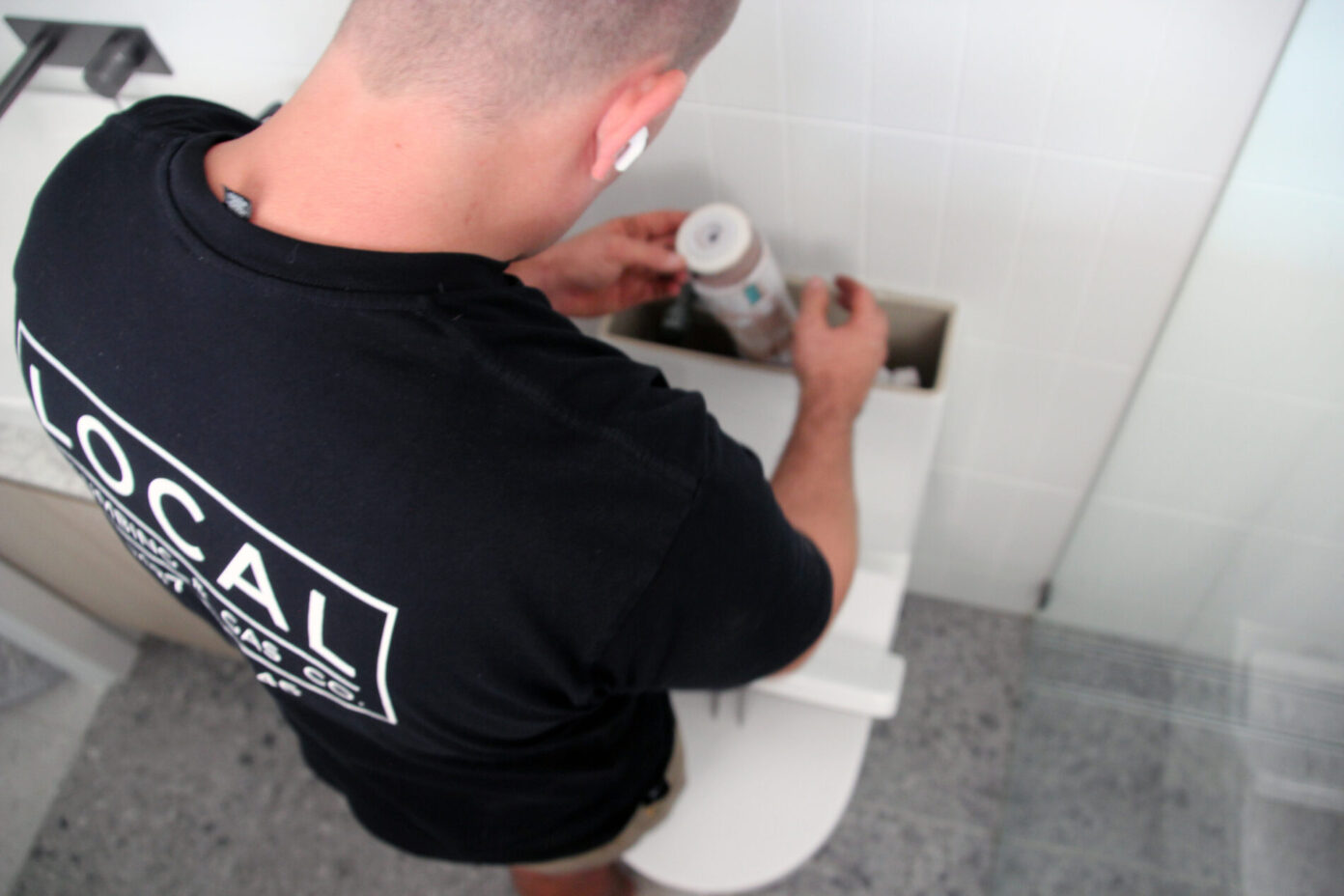
Fixing your own toilet might seem like a way to save some cash, but take it from me—it’s usually more trouble than it’s worth. I’ve lost count of the number of DIY jobs I’ve had to fix because things went sideways. Even “simple” fixes can spiral into bigger problems, costing more time and money to repair in the long run. Here’s why it’s best to leave toilet repairs to the pros.
Hidden Leaks, Part Mismatch & Water Waste
DIY repairs look easy on YouTube, but the devil’s in the details. Here are some of the biggest mistakes I see when people try to handle toilet fixes themselves:
- Over-tightened Hoses: Over-tightening happens more than you’d think. It might seem like turning a wrench a little harder won’t hurt, but it can crack plastic fittings or strip threads. That leads to sneaky leaks that get worse over time.
- Using “Universal” Parts: You’d expect one-size-fits-all replacement parts to live up to their name, but they rarely do. Mismatched parts can result in poor seals, leaks, and performance issues. Toilets are more precise than they look!
- Leaking Behind Walls or Under Floors: DIY efforts often miss hidden problems. You patch one leak, but water starts pooling where you can’t see it, like behind a wall or under tiles. By the time it’s noticeable, the damage is done.
- Warranty and Compliance Problems: DIY repairs can void warranties on newer toilets or cause problems with insurance claims if the job doesn’t comply with Queensland plumbing regulations.
The scariest part? These issues often go unnoticed until you’re left dealing with significant water damage. A hidden drip might seem minor, but it can lead to mould, wood rot, or hefty water bills faster than you think.
What a Licensed Toilet Repairman Brings to the Job
When it comes to toilets, nothing beats a professional touch. A licensed plumber has the tools, parts, and know-how to get things right the first time. Here’s what you get when you hire professional toilet repair services:
- Fast and Accurate Diagnosis: With years of experience under their belt, a toilet plumber can quickly work out what’s wrong. Whether it’s a running cistern or a weak flush, chances are they’ve seen it before and know how to fix it.
- Proper Tools and Part Compatibility: A professional plumber carries the right tools and parts for the job, including compatible replacement components. At Local Plumbing & Gas Co., we keep parts for all the major toilet brands on board, meaning we can usually fix your toilet on the spot.
- Compliance with QLD Plumbing Codes: A licensed plumber ensures repairs meet Australia’s regulations. This not only keeps you compliant but also protects your warranty and ensures your home insurance remains valid.
- Peace of Mind: When a pro handles your repairs, you know the job has been done right. No leaks hiding behind your bathroom tiles, no mismatched parts, no dodgy patches that fail down the road.
Avoid the stress and risk of DIY failures. Instead, call a licensed toilet repair guy like me to get the issue sorted efficiently and accurately.
TL;DR: DIY toilet repairs often cause more harm than good, with issues like over-tightened hoses, mismatched parts, and hidden leaks leading to bigger, costlier problems. A licensed plumber brings fast diagnosis, proper tools, part compatibility, and full compliance with QLD plumbing regulations, saving you time, money, and headaches. Call Local Plumbing & Gas Co. on 1800 562 251 to fix it properly the first time.
Conclusion
If your toilet’s been acting up—leaking, running constantly, or refusing to flush properly—chances are it can be fixed without replacing the whole thing. Weak flushes, cistern fixes, and toilet leak repairs are often quick jobs for a licensed toilet repairman who knows what to look for. Most issues, from a faulty flush mechanism to internal leaks, can be sorted in a single visit, saving you time, hassle, and money.
Replacing your toilet is rarely the answer, but letting problems drag on could mean bigger, costlier repairs. Before you think of replacing, pick up the phone and call a plumber for toilet repairs. At Local Plumbing & Gas Co., we’ll inspect your toilet thoroughly, offer same-day solutions, and get it working properly again. Call us today on 1800 562 251 to save yourself water, time, and unnecessary stress.