Leaking Gutters: Common Causes, Warning Signs And When To Call A Plumber
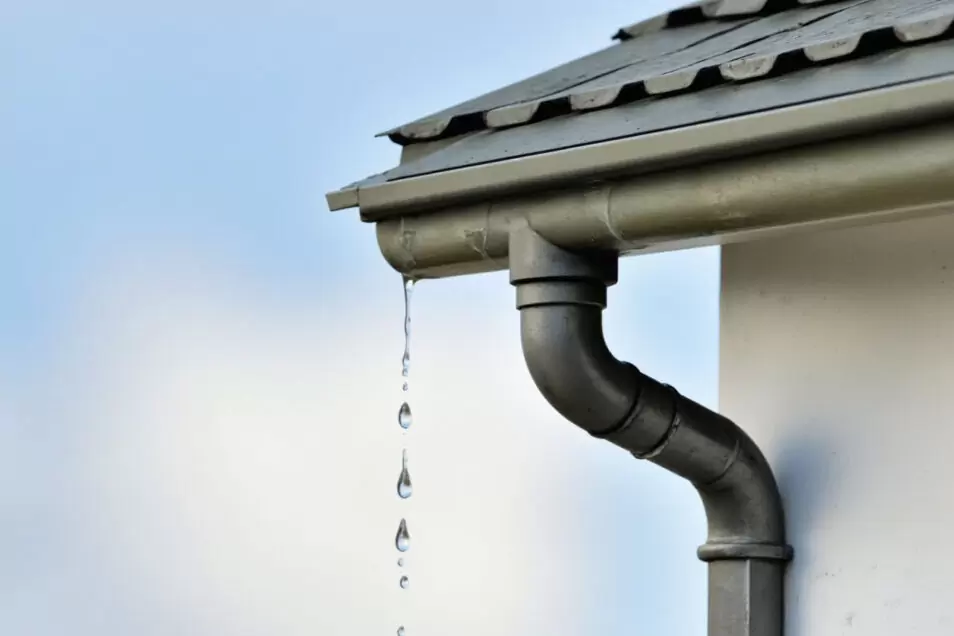
You’re standing outside after a storm and notice water dripping from your gutter joints instead of flowing through the Leaking gutters can start as a small drip after heavy rain, but they often point to a drainage problem that needs attention. Around the Gold Coast, we often see leaking gutters after summer storms, long wet spells, coastal corrosion, blocked outlets or older guttering that has already been patched before.
The safest first step is not to climb up for a closer look. Instead, check what you can see from ground level, watch where the water is going, and call a licensed plumber or roof plumber if the leak keeps happening, water is entering the property, or the guttering looks damaged. This guide explains the common causes, warning signs, and how to tell whether the issue may need gutter repairs or replacement.
Why Leaking Gutters Should Not Be Ignored
Gutters are there to move roof water away from your home. When they leak, overflow or let water run behind the gutter, rainwater can reach areas that were never designed to stay wet. That includes fascia boards, eaves, ceiling cavities, walls, garden beds and the ground around the property.
One leaking gutter does not always mean the whole system has failed. It may be a localised joint, a blocked outlet or a loose bracket. The concern is that Gold Coast rain can turn a small weakness into a much bigger water problem quickly, especially during storm season.
A leaking gutter can contribute to:
- water staining on fascia, eaves or exterior walls
- damp ceiling patches after rain
- water pooling near the home instead of draining away
- overflow around entrances, patios or pathways
- soil erosion around gardens and paved areas
- roofline damage if water backs up or runs where it should not
The earlier the cause is checked, the easier it is to work out whether the guttering needs a targeted repair or whether the system is showing broader failure.
Common Warning Signs Of Leaking Gutters
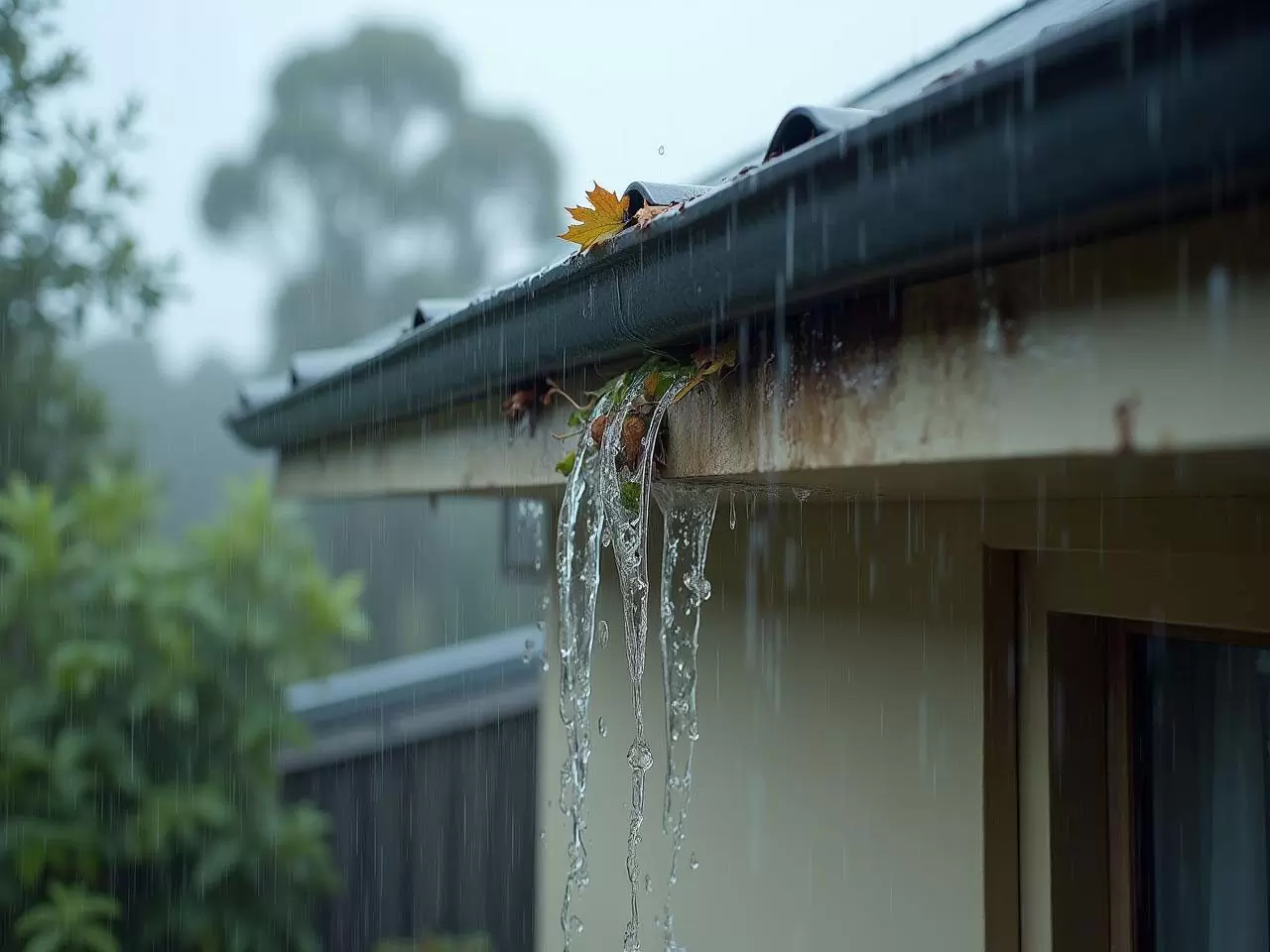
You do not need to get onto the roof to notice most warning signs. In fact, the safest observations are usually made from the ground while it is raining or shortly after the weather clears.
Look for signs such as:
- water dripping from gutter joints, corners or end caps
- water running between the gutter and fascia
- overflow spilling over the front or back of the gutter
- staining, peeling paint or damp patches under the eaves
- ceiling stains or damp smells after heavy rain
- guttering sagging, pulling away or sitting unevenly
- water pooling near the house, paths, garden beds or retaining walls
- rust spots, holes or flaking metal visible from ground level
- leaks that keep returning after previous repair attempts
If water is entering the home during heavy rain, treat it as urgent. Keep clear of wet electrical fittings, move belongings away from the leak if safe, and call for help before more water damage occurs.
What Causes Gutters To Leak?
Leaking gutters usually come down to water not flowing properly, a failed connection point, physical damage or guttering that is near the end of its serviceable life. The visible drip is only the symptom. The real cause often needs to be checked across the gutter run, outlets and downpipes.
Blocked Outlets Or Downpipes
Blocked outlets and downpipes are one of the most common reasons gutters leak or overflow. Leaves, palm fronds, seed pods, twigs and storm debris can slow water down, especially on properties with overhanging trees.
When water cannot reach the downpipe properly, it can sit in the gutter and force its way through joints, corners or low points. During heavy Gold Coast rain, even a partial blockage can show up as overflow, dripping or water spilling behind the gutter.
Failed Joints, Seams Or Corners
Gutter joints, seams and corners are natural weak points because separate sections meet there. Over time, movement, heat, water flow and previous patching can weaken those connection points.
Leaking gutter joints are often repairable when the surrounding guttering is still sound. The key is checking whether the leak is isolated or whether nearby sections are also rusted, sagging or holding water.
Rust Or Coastal Corrosion
Rust is common in older metal guttering, and coastal conditions can make corrosion worse over time. Early rust may look like staining or small spots. More advanced corrosion can create holes, rough edges or weak sections that leak during rain.
A small isolated rust spot may be part of a repairable issue. Widespread rust across several runs is different. That can mean the guttering no longer has enough strength or fall to drain reliably.
Poor Gutter Fall Or Sagging Sections
Gutters need the right fall so water moves toward the downpipes. If brackets loosen, the gutter can sag and create low points where water pools instead of draining away.
Sagging gutters can also put extra strain on joins and outlets. We often see this after repeated wet weather, where the weight of water and debris exposes brackets or sections that were already weak.
Storm Damage Or Loose Brackets
Storms can expose gutter problems quickly. Heavy rain, strong wind and branches can loosen brackets, bend sections, open joins or pull guttering away from the fascia.
After a storm, keep checks to what you can see safely from the ground. If the gutter looks loose, twisted or partly detached, do not try to pull it back into place yourself. A roof plumber can check whether the gutter, fascia, downpipes or roof drainage have been affected.
Ageing Or Previously Patched Guttering
Older guttering can leak in more than one place, especially if it has been patched several times. A previous repair may stop one leak for a while, but another weak point can appear during the next heavy rain.
Repeated leaks are a sign that the whole gutter run should be checked, not just the most obvious drip. The right answer may still be a repair, but the decision depends on the condition of the guttering, brackets, outlets, fall and nearby roof drainage.
What You Can Safely Check From Ground Level
The safest way to gather useful information is to observe, not repair. Queensland safety guidance treats working at heights as a serious risk, especially near edges, sloping surfaces or unstable areas. Keep your checks to what you can see from a safe position.
You can safely note:
- where the water is dripping from
- whether the leak happens in light rain or only heavy rain
- whether water is overflowing, running behind the gutter or leaking from a joint
- whether a downpipe appears to be overflowing or not draining
- whether there are visible rust marks, sagging sections or loose brackets
- whether ceiling stains, damp eaves or internal leaks have appeared after rain
- whether the problem has happened before
Do not climb onto the roof, lean over roof edges, inspect gutters from a ladder in wet weather, or try to seal, patch, regrade or replace guttering yourself. If water is close to lights, switches, appliances or wiring, follow electrical safety during storms guidance and keep clear until the area has been checked by the right trade.
Is It A Gutter Repair Or Gutter Replacement Issue?
One of the most useful questions is whether the problem looks isolated or widespread. A single leaking joint is very different from rusted guttering that leaks in several places. The table below gives a general guide, but the final call depends on an on-site inspection.
| What You Notice | More Likely Repairable | More Likely Replacement-Level |
| Leaking at one joint or corner | May be repairable if the surrounding gutter is sound. | Replacement may be needed if nearby sections are rusted or repeatedly failing. |
| Minor localised sagging | May be repairable if brackets or a short section are the issue. | Replacement may be needed if the gutter run has poor fall or multiple weak points. |
| Leaking outlet or overflow near one downpipe | May be repairable if the outlet or downpipe is blocked or loose. | Replacement may be needed if outlets are undersized, damaged or part of a failing system. |
| Rust in one small area | May be repairable if the rust is isolated and the gutter is still serviceable. | Replacement is more likely if rust is widespread or holes appear in several areas. |
| Leaks after previous repairs | A fresh repair may work if the earlier issue was localised. | Replacement may make more sense if new leaks keep appearing. |
| Guttering pulling away from fascia | May be repairable if brackets or fixings are the main issue. | Replacement may be needed if the guttering is distorted, badly damaged or no longer drains properly. |
If the issue appears localised, gutter repairs may be enough to get the system draining properly again. If the guttering is badly rusted, repeatedly leaking, poorly graded or failing in several places, gutter replacement may be the safer long-term option.
When To Call A Plumber For Leaking Gutters
Call a licensed plumber or roof plumber if the leak keeps returning, the gutter is sagging, water is entering the property, or you cannot tell whether the issue is coming from the gutter, downpipe or roofline. You should also call sooner if the leak appears during heavy rain and water is running towards the home instead of away from it.
It is especially worth getting help when you notice:
- water running behind the gutter or staining the fascia
- ceiling stains after rain
- guttering pulling away from the roofline
- overflow from the same area during every storm
- rust holes, split joints or damaged sections
- multiple leaks across the same gutter run
- downpipes that do not seem to carry water away properly
- water pooling near foundations, retaining walls or paths
If water is entering the home, do not wait for the next dry day to see what happens. Keep people away from wet electrical areas, contain the water only if it is safe, and call for urgent plumbing help.
How Local Plumbing & Gas Co. Helps With Leaking Gutters
Local Plumbing & Gas Co. helps Gold Coast homeowners work out what is causing leaking gutters and what should happen next. Our plumbers look beyond the obvious drip and check how the gutter, outlet, downpipe and surrounding roof drainage are working together.
Depending on what we find, the next step may be a targeted repair, replacement of a damaged section, correcting a drainage fault, or recommending replacement where the guttering is no longer reliable. We will explain the issue clearly before work goes ahead, so you understand whether the problem is localised or part of a broader roof plumbing concern.
If you are not sure whether the issue is the gutter, downpipe or roof drainage, our roof plumbers can check the roof plumbing pathway and point you in the right direction. The goal is to stop water going where it should not, without pushing unnecessary work.
How To Reduce The Risk Of Future Gutter Leaks
Prevention is mostly about keeping roof water moving and catching weak points early. That does not mean taking risks on ladders or roof edges. It means arranging safe maintenance and paying attention to visible signs after storms.
Useful prevention steps include:
- arranging gutter and downpipe cleaning before storm season where access is safe and appropriate
- booking a roof plumbing check if leaks, sagging or overflow keep returning
- getting loose brackets, leaking outlets or damaged sections checked early
- watching for rust, staining or water marks after heavy rain
- keeping trees maintained where overhanging branches add heavy debris to the roofline
- considering gutter guard only where it suits the roof, trees and drainage setup
Gutter guard can help reduce debris in some situations, but it does not make gutters maintenance-free. The right setup depends on the roof, surrounding trees, gutter style and how the property handles heavy rain.
Frequently Asked Questions
Why Are My Gutters Leaking?
Gutters usually leak because water is not draining properly, a joint has failed, the gutter has rusted, or the gutter has sagged out of position. On the Gold Coast, heavy rain and storm debris can expose these problems quickly. The visible leak should be checked with the outlets, downpipes and gutter fall, not treated as a single isolated drip.
Can Leaking Gutters Cause Roof Leaks?
Yes, leaking gutters can contribute to roof leaks if water backs up under the roof edge, runs behind the fascia or overflows into areas that should stay dry. A ceiling stain after rain can have more than one cause, so the safest step is to have the guttering and roof plumbing checked before more water damage occurs.
Why Is Water Leaking Between My Gutter And Fascia?
Water leaking between the gutter and fascia can mean the gutter is overflowing, pulling away, poorly aligned, blocked or unable to drain fast enough. It can also happen when brackets loosen or the gutter fall is wrong. This should be inspected before damp fascia, paint damage or roofline issues get worse.
Can Leaking Gutter Joints Be Repaired?
Leaking gutter joints can often be repaired if the surrounding guttering is still sound and the issue is localised. If nearby sections are rusted, distorted, sagging or leaking in multiple places, repair may only be temporary. A plumber can check whether a joint repair is sensible or whether replacement is the better option.
When Do Leaking Gutters Need Replacing?
Leaking gutters may need replacing when rust is widespread, leaks keep returning after repairs, the guttering no longer drains properly, or several sections are weak at the same time. Replacement can also make more sense where poor fall, damaged sections or old guttering are causing repeated problems across the system.
Should I Try To Fix A Leaking Gutter Myself?
No. You can safely note what you see from ground level, but gutter repair work can involve roof edges, ladders, wet surfaces and electrical risks. Do not climb onto the roof, inspect gutters in unsafe conditions or try to patch, seal or regrade guttering yourself. Call a licensed plumber or roof plumber for safe advice.
Get Leaking Gutters Checked Before They Cause More Damage
Leaking gutters are not always a major repair, but they should not be ignored. A small drip at a joint, water running behind the gutter or overflow during heavy Gold Coast rain can point to blocked outlets, failed joins, rust, sagging sections or guttering that is starting to fail.
If you can see leaking, sagging, rusted or overflowing gutters from ground level, Local Plumbing & Gas Co. can check the problem and explain the safest next step. Call 1800 562 251 or contact our team to arrange help from a local Gold Coast plumber.