DIY Plumbing Solutions for an Emergency Blocked Toilet
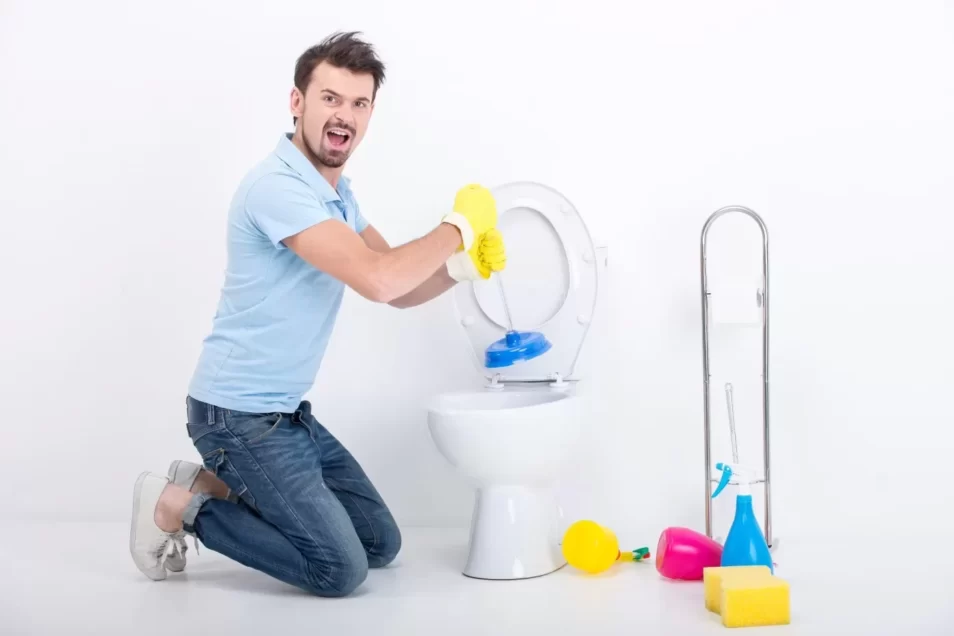
A blocked toilet tends to happen at the worst possible time. Before reaching for the phone to call an emergency plumber on the Gold Coast, there are a few DIY methods worth trying — some blockages are minor enough to clear at home with the right approach. This guide covers how to recognise the signs of a blockage, the safest methods to try, and how to know when the problem is beyond DIY.
The scale of the issue is worth understanding. Urban Utilities, which manages the South East Queensland sewer network, clears around 3,500 blockages from its pipes every year at a cost of approximately $1 million — with wet wipes a major contributing factor, accounting for around 120 tonnes of material removed annually. That’s before counting the blockages that occur in private household pipes. Knowing what causes a blockage — and what not to flush — makes a real difference.
Recognising the Signs of a Blocked Toilet
Not every slow flush means a blockage, but certain signs are hard to ignore. Common indicators include:
- Slow-draining water after flushing
- Water rising higher than normal in the bowl
- Gurgling noises from the toilet or nearby drains
- Unpleasant odours coming from the bowl or pipes
- Water backing up into other fixtures like a sink or bath
If any of these are present, it’s time to act. Catching a blockage early gives DIY methods the best chance of working. For a full overview of signs and causes, see our Comprehensive Guide to Clogged Toilets.
Before You Start: Safety Basics
Blocked toilets involve wastewater, which carries bacteria and pathogens. A few precautions before attempting any DIY method:
- Wear rubber gloves throughout
- Keep the bathroom well-ventilated — open a window or run the exhaust fan
- Never mix household chemicals — combining products like bleach and ammonia-based cleaners produces toxic fumes. If in doubt, contact the Poisons Information Centre on 13 11 26
- Do not flush again once the water is already high — this risks an overflow
- Avoid harsh chemical drain cleaners — they can damage pipes, degrade seals, and create hazardous splashback during plunging
DIY Methods to Try
Method 1: The Plunger
A good plunger is the first tool to reach for, and the most effective for the majority of household blockages. The key is using the right type and technique.
Standard cup-shaped plungers don’t create a strong enough seal for Australian toilet pans. A bellows-style plunger like the Great Plunger GP101 from Bunnings is a much better fit — the design delivers more pressure and seals properly against the drain opening.
- Ensure there is enough water in the bowl to cover the plunger head. If it’s low, add some water.
- Position the plunger directly over the drain opening and press down firmly to create a seal.
- Use firm, controlled pushes — push down, then pull back sharply. Repeat 8–10 times.
- Flush to check whether the blockage has cleared. If water drains normally, you’re done.
- If the water level drops only slightly, repeat the process. If there’s no improvement after two or three attempts, move to the next method or call a plumber.
TL;DR: A bellows-style plunger with a firm seal clears most minor blockages. If it’s not working after a few rounds, don’t keep forcing it.
Method 2: Baking Soda and Vinegar
For minor blockages — particularly those caused by a soft build-up rather than a solid obstruction — a baking soda and vinegar solution is a safe, eco-friendly option. It won’t shift a hard blockage, but it’s worth trying for sluggish drains.
- Pour one cup of baking soda into the toilet bowl.
- Follow with two cups of white vinegar. The mixture will fizz — this is normal.
- Leave it to work for 20–30 minutes without flushing.
- Flush to check whether drainage has improved.
This method is a safer alternative to commercial chemical cleaners, which can damage pipes and are hazardous if they splash back during plunging. The baking soda and vinegar combination is non-toxic and won’t react dangerously with any residual cleaning products already in the bowl.
TL;DR: Baking soda and vinegar works on soft build-up and is safe to use around the family. It won’t clear a solid blockage.
Method 3: Plumbing Snake (Hand Auger)
If plunging hasn’t worked, a plumbing snake — also called a hand auger — can reach further into the drain to physically break up or retrieve the blockage. This is the most effective DIY tool for stubborn obstructions lodged in the pipe.
The Kinetic 4.5m Auger Easy Turn from Bunnings is a solid household option. Its 4.5-metre length reaches most residential drain lines, and the rust-resistant construction and easy-turn handle make it manageable for DIY use.
- Insert the end of the snake into the toilet drain opening.
- Turn the handle clockwise as you push it slowly forward. Don’t force it.
- When you feel resistance, you’ve reached the blockage. Continue turning to break it up or hook it.
- Slowly retract the snake, turning as you pull back.
- Flush to check whether the drain is clear.
Take care not to scrape the ceramic of the bowl, and avoid aggressive forcing — improper technique can scratch the pan or, in older homes with fragile pipework, cause damage further down the line.
TL;DR: A plumbing snake is the strongest DIY tool available for stubborn blockages. Use it carefully and stop if you meet hard resistance.
The manual solutions above are not the only options. Of course, you can opt for chemical solutions, which we look at in our article, Chemical vs. Manual Solutions for Toilet Clogs.
When to Stop DIY and Call a Plumber
DIY methods work well for minor, localised blockages. But there are situations where continuing without professional help makes things worse:
- The water level keeps rising — this means the blockage isn’t clearing and overflow is a real risk. Stop and call.
- Other drains are backing up — if the bathroom sink or shower is also gurgling or slow, the blockage is likely in the main sewer line, not just the toilet.
- There’s a sewage smell — a strong smell of sewage suggests a deeper drain issue or a blockage that’s been building for some time.
- None of the methods above have worked — if you’ve worked through all three methods without success, the blockage is beyond DIY reach.
- The toilet keeps blocking repeatedly — recurring blockages point to an underlying issue like tree root intrusion or a damaged pipe that needs professional diagnosis.
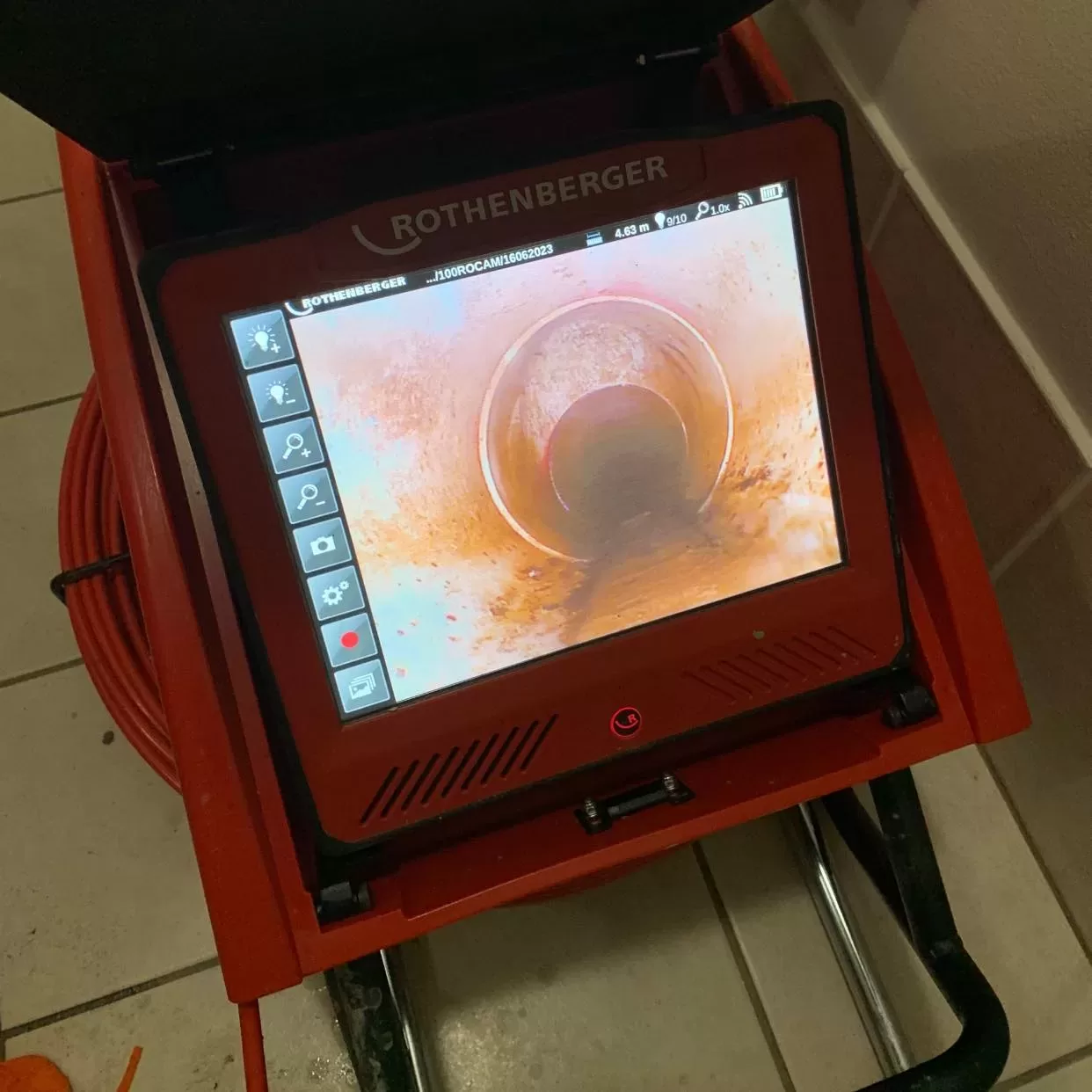
Our emergency plumbers are available 24/7 across the Gold Coast and use drain cameras and hydro-jetting equipment to clear blockages that DIY tools can’t reach. For a full guide to when professional help is the right call, see When to Call a Blocked Toilet Plumber.



Need Help With a Blocked Toilet Emergency on the Gold Coast?
If DIY methods haven’t resolved the blockage, or the situation is getting worse, our team is ready to help. We offer blocked toilet services across the Gold Coast with a $0 call-out fee and 24/7 emergency availability. Contact the Local team for fast, same-day service.