Pipe Installation and Repair on the Gold Coast: A Homeowner’s Guide
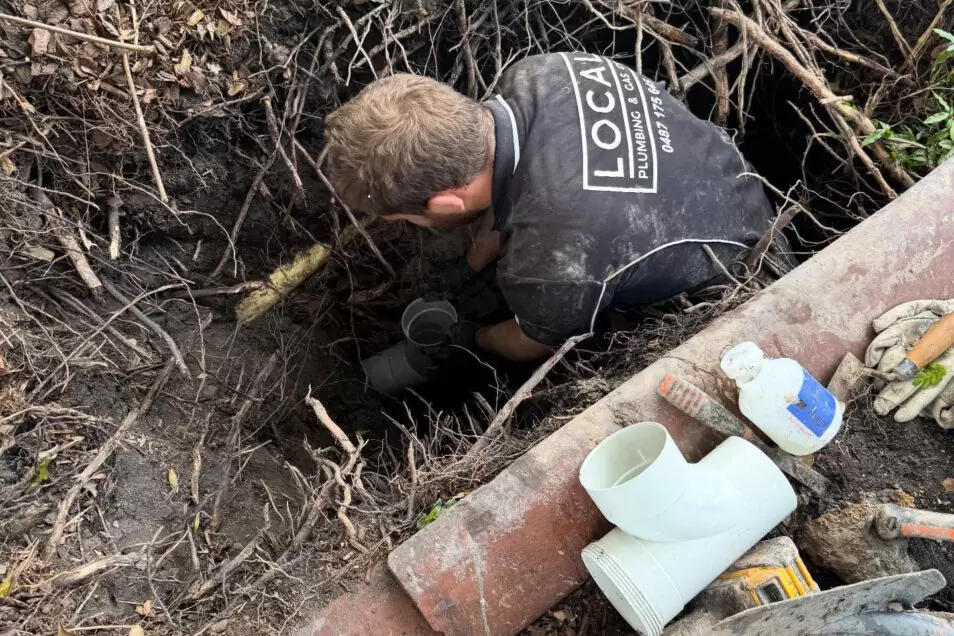
The plumbing pipes running through your walls, under your floors, and across your property are easy to ignore until something goes wrong. When they do — a burst pipe flooding a hallway, a slow leak quietly rotting a wall cavity, or a drain that keeps blocking despite nothing unusual being flushed — the cost and disruption can escalate quickly if the underlying cause isn’t properly diagnosed and fixed.
Gold Coast homes contain pipework installed across many different building eras. Depending on the property and the part of the plumbing system involved, a problem may affect a pressurised water line, sanitary drain, sewer connection or stormwater pipe. Those systems carry different risks and are not diagnosed or repaired in exactly the same way.
This guide explains what residential pipe installation and repair can involve, the common problems and materials plumbers encounter, how different faults are investigated, and the professional pathways that may be considered once the affected pipe has been properly assessed.
What Does Pipe Installation and Repair Include?
Pipe installation and repair includes installing new water-supply or drainage lines, altering pipework during renovations and extensions, repairing localised damage, replacing failed sections, and upgrading older sewer or stormwater systems. The right service depends on which system is affected, where the fault is located and what an inspection finds.
Because water-supply, sanitary drainage, sewer and stormwater pipes perform different jobs, the same symptom does not always lead to the same investigation or repair. A licensed plumber or drainer needs to identify the affected system before recommending the next step.
Common Pipe Problems in Gold Coast Homes
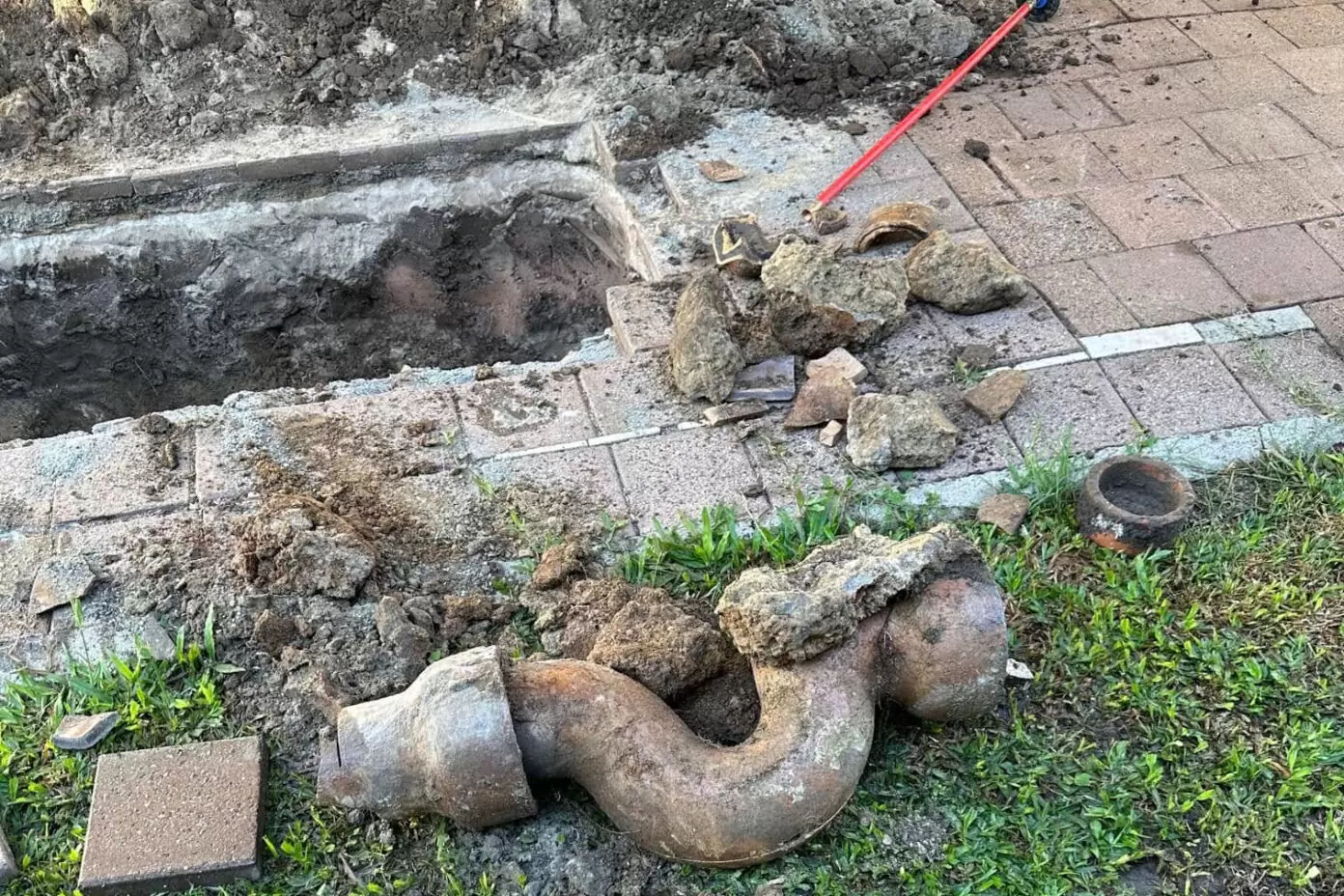
Most pipe problems don’t announce themselves dramatically. A burst pipe is the exception — visible, urgent, and impossible to ignore. More often, pipe damage develops gradually: a joint that weeps slowly behind a wall, a drain that blocks a little more frequently each month, a water pressure that drops incrementally over years. Understanding the most common failure types helps identify what’s happening early, before minor issues become expensive ones.
Burst and Leaking Pipes
Burst and leaking water pipes are among the most urgent pipe problems a Gold Coast homeowner can face. Sudden failures may be linked to a weakened pipe, failed fitting, movement or abnormal pressure conditions. Slower leaks can develop at joints or through damaged pipe walls and remain concealed behind walls, beneath floors or underground.
A hidden leak may first appear as an unexplained rise in water use, a damp patch, reduced pressure or the sound of water moving when fixtures are off. These signs warrant prompt assessment because the visible symptom may not reveal the location or extent of the fault.
Both warrant prompt attention. For immediate steps, see our guide to what to do when a pipe bursts. Learn more in our guide to burst pipe repairs on the Gold Coast.
Corroded and Aging Pipes
Pipe materials deteriorate in different ways. Galvanised steel can corrode internally and restrict flow; copper can develop localised corrosion or fail at joints; and older drainage materials can crack, shift or lose integrity as joints deteriorate or the surrounding ground moves. The material alone does not determine whether repair or replacement is required, but it helps the plumber understand the likely failure pattern and what should be inspected.
For a full breakdown of what aging pipes look like and how to address them before they fail, see our guide to signs of aging pipes and how to address them.
Tree Root Intrusion
Tree root intrusion is a common cause of recurring drainage problems. Roots can enter through existing cracks, displaced joints or other openings in underground sewer and stormwater pipes. Once inside, they can catch debris, restrict flow and place further pressure on already damaged pipework.
The pattern can include blockages that respond to clearing but return within weeks. A CCTV drain inspection may reveal visible root intrusion and help assess the affected section before a repair pathway is recommended. For blocked sewer drain issues on the Gold Coast, our blocked sewer drain service covers assessment and clearing.
Water Hammer and Pressure Issues
Tree root intrusion is a common cause of recurring drainage problems. Roots can enter through existing cracks, displaced joints or other openings in underground sewer and stormwater pipes. Once inside, they can catch debris, restrict flow and place further pressure on already damaged pipework.
The pattern can include blockages that respond to clearing but return within weeks. A CCTV drain inspection may reveal visible root intrusion and help assess the affected section before a repair pathway is recommended. For blocked sewer drain issues on the Gold Coast, our blocked sewer drain service covers assessment and clearing
Left unaddressed, chronic water hammer can cause joint failure and leaks that appear to have no obvious cause. For a full explanation of causes and fixes, see our article on water hammer and noisy banging pipes.
Common Pipe Materials Used in Gold Coast Homes
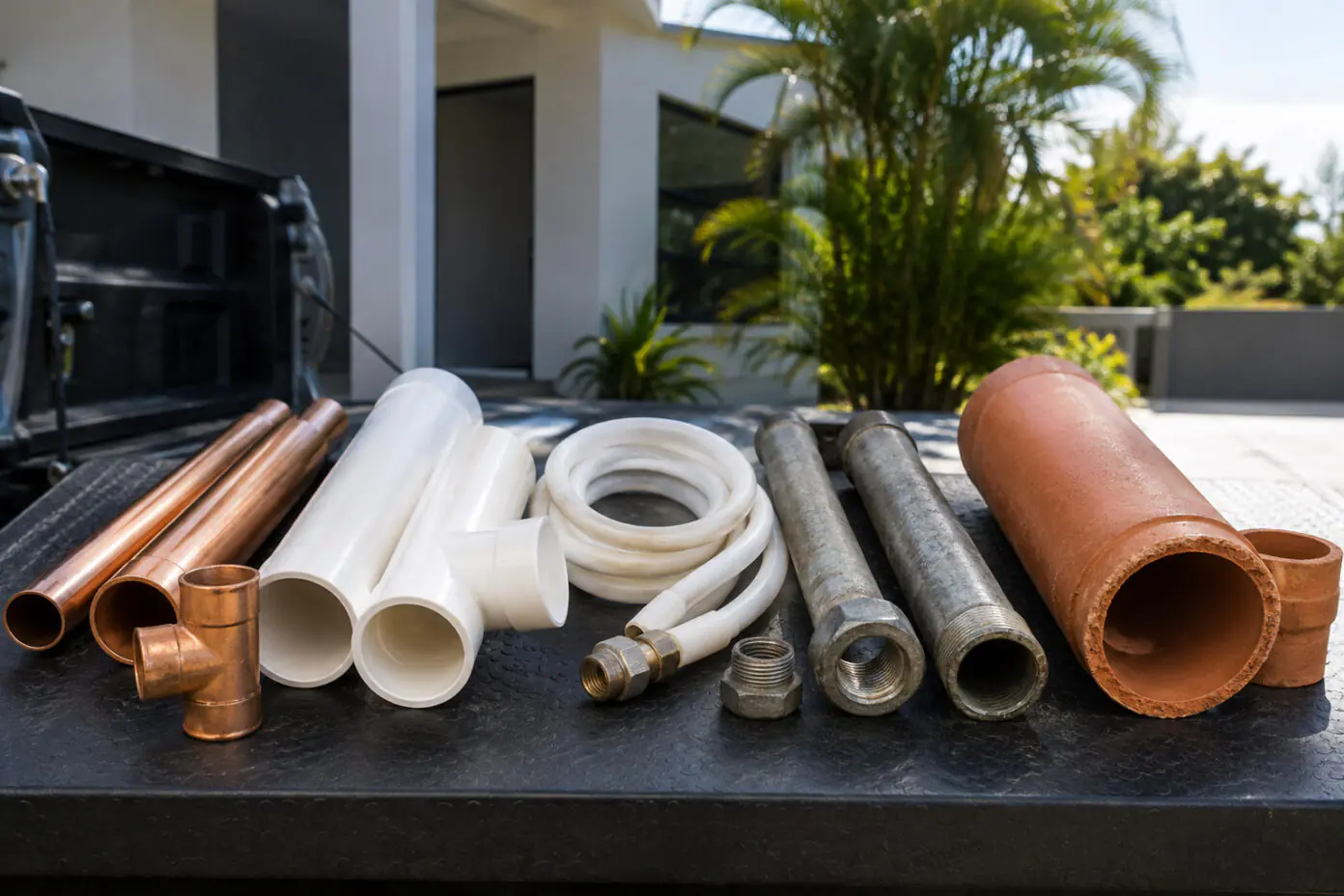
Knowing which materials are present helps a plumber anticipate likely failure patterns, choose suitable diagnostic methods and assess whether the surrounding pipework is still serviceable. Gold Coast homes span many construction eras, so water-supply and drainage materials can vary from one property to the next.
Here’s a practical overview of what’s typically found and what each material means for pipe installation and ongoing maintenance.
Copper Pipes
Copper is widely used for hot and cold water supply in Australian homes. It is durable and well suited to pressurised water systems, but plumbers still check copper pipework for physical damage, joint failure, localised corrosion and pinhole leaks. The condition of the surrounding pipe matters more than age alone when deciding what work may be required.
PVC Pipes
PVC is commonly used for sanitary drainage, sewer and stormwater applications, with the correct pipe type selected for its intended use. It resists corrosion, but underground movement, damaged joints, tree roots, impact or prolonged UV exposure in unsuitable locations can still affect performance. PVC drainage pipe is not interchangeable with pipe designed for pressurised hot or cold water systems.
PEX Pipes
PEX and other approved polymer systems are used for hot and cold water supply in many newer homes and renovations. Their flexibility can assist where rigid pipe is difficult to route, but installation must follow the relevant system requirements. Plumbers consider fitting compatibility, protection from UV exposure, physical damage and the condition of connections when assessing these systems.
Galvanised Steel Pipes
Galvanised steel was used in many older water-supply installations. As its protective coating deteriorates, internal corrosion can reduce the pipe’s diameter, restrict flow and contribute to discoloured water or leaks. A plumber will assess whether the problem is isolated or whether deterioration is affecting a broader section before recommending repair or replacement.
Clay and Terracotta Pipes
Clay, earthenware and terracotta pipes can still be found in older underground drainage systems. They do not corrode like metal, but joints can separate, pipe walls can crack and roots may enter through existing openings. Depending on the location, access and structural condition, the appropriate response may range from clearing and monitoring to a targeted drain repair, relining assessment or replacement.
Pipe Repair Methods for Gold Coast Homes — Patching, Relining and Replacement
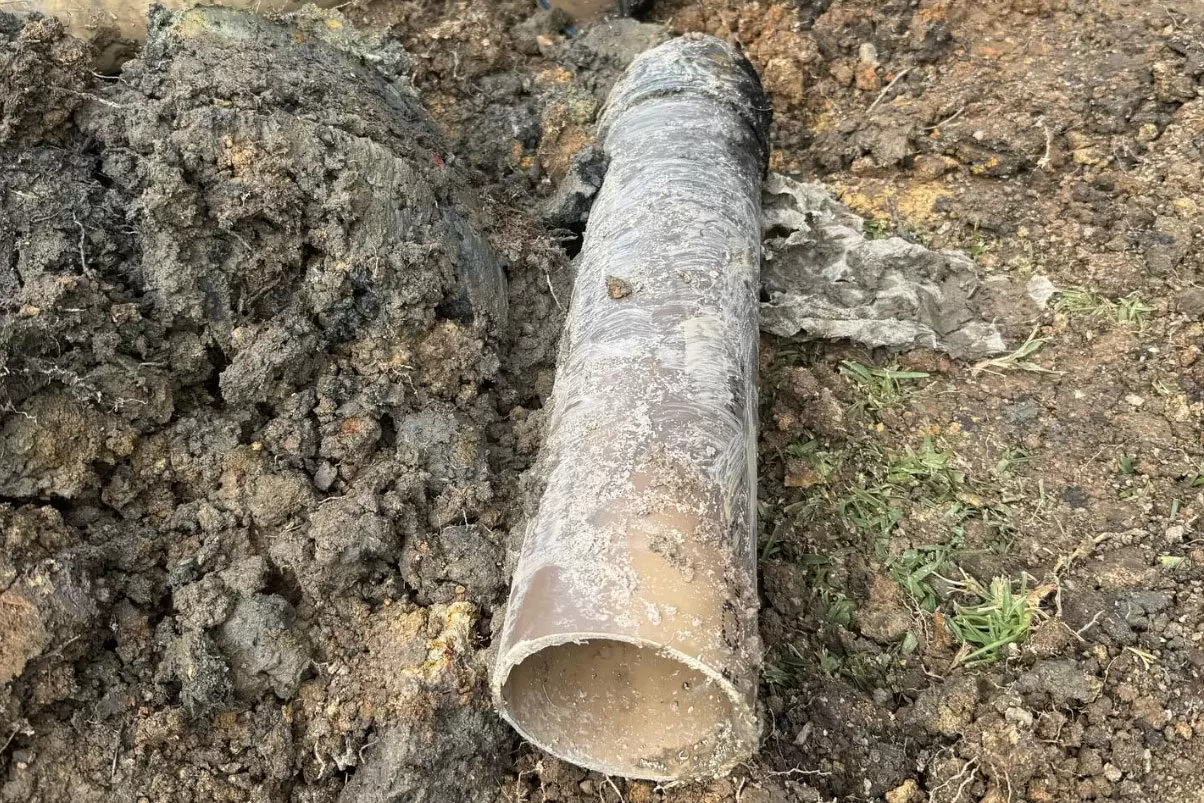
When a pipe fails on the Gold Coast, the repair method depends entirely on the nature and extent of the damage — not on a default preference for one approach over another. There are three main pathways: patching, relining, and replacement. Each has a distinct application, and choosing the wrong one wastes money or leaves the underlying problem unresolved. Here’s how each method works and when it applies.
Pipe Patching
Pipe patching is used for small, localised damage — a discrete crack, a single joint failure, or a pinhole leak in an otherwise sound pipe. A resin-saturated patch is applied internally to the damaged section and cured in place, sealing the defect without requiring excavation or removal of the surrounding pipe. Access is typically gained through existing inspection points or a small opening at the damage site. Patching is a cost-effective and minimally disruptive fix when the damage is confined and the rest of the pipe is in good condition. It’s not appropriate where damage is widespread or where the pipe wall has deteriorated beyond the point where a patch can bond reliably.
Pipe Relining (CIPP)
Pipe relining — formally known as cured-in-place pipe (CIPP) lining — is the most significant development in residential pipe repair of the past two decades. A flexible liner saturated with epoxy resin is inserted into the damaged pipe through an existing access point, inflated to press against the pipe wall, and cured in place. Once hardened, it forms a smooth, seamless new pipe surface inside the old one, sealing cracks, eliminating joint gaps, and blocking root entry points in a single process. No excavation is required in most cases.
Relining suits broader damage that goes beyond what patching can address — multiple cracks, widespread joint deterioration, or persistent root intrusion in clay and older PVC drainage lines. It’s particularly well-suited to older Gold Coast properties where the cost and disruption of excavating through established gardens, driveways, or tiled areas would be significant. The relined section typically outlasts the original pipe. The limitation is structural: if the pipe has collapsed or lost so much integrity that it can no longer hold a liner in the correct position, relining isn’t viable and replacement becomes necessary.
Pipe Replacement
Full pipe replacement is required when damage is too extensive for relining — collapsed sections, severe root destruction, pipes that have deteriorated beyond structural repair, or the presence of asbestos cement pipe, which cannot be relined and must be removed and replaced by licensed contractors following strict handling protocols. Replacement involves excavating to the damaged section, removing and disposing of the old pipe, and installing new pipe — typically PVC for drainage and copper or PEX for water supply lines. It’s the most disruptive and expensive option, but in cases of significant structural failure it’s the only method that produces a reliable long-term result.
How Plumbers Diagnose Pipe Damage
Exposing a damaged pipe may sometimes be necessary when other investigation cannot confirm the fault or provide suitable access.
The appropriate investigation depends on the type of pipe and the symptoms present. A drain camera can be useful inside accessible sewer or stormwater pipes, while a suspected leak in a pressurised water line may require pressure testing, acoustic equipment, thermal imaging or another leak-detection method. Plumbers combine the available evidence rather than committing to a repair method from the surface symptom alone.
Visual Inspection and Site History
The first step is often to inspect accessible pipework and ask when the problem began, whether it has happened before and which fixtures or areas are affected. Visible corrosion, failed joints, damp materials, ground movement and previous repairs can all help narrow down the likely fault and determine what further testing may be useful.
Water Leak Detection and Pressure Testing
For suspected leaks in water-supply pipes, plumbers may use pressure testing, acoustic equipment, thermal imaging or meter observations depending on the location and site conditions. No single method confirms every concealed leak, so findings may need to be assessed alongside moisture patterns, access and the condition of the surrounding pipework.
CCTV Drain Inspections
A CCTV drain inspection can show visible conditions inside accessible sewer or stormwater pipes, including roots, cracks, displaced joints, blockages and collapsed sections. The line may need clearing before the camera can obtain a useful view, and locating equipment can help identify the relevant section from the surface.
CCTV footage does not automatically determine the repair method and cannot show every external or concealed defect. Our CCTV drain inspection service explains what a camera can identify, its limitations and what may happen after a fault is found.
Possible Pipe Repair and Replacement Pathways
Once the affected pipe and surrounding system have been assessed, the plumber can explain which options are suitable. The method depends on whether the issue involves a water-supply pipe or drainage line, whether the damage is localised or widespread, and whether the pipe remains structurally suitable for repair.
Targeted Repairs
A localised leak, failed joint or small damaged section may be repairable when the surrounding pipework remains sound and the underlying cause can be addressed.
Sectional Pipe Replacement
Where one section has failed but nearby pipework remains serviceable, replacing the affected length can restore the system without renewing the entire run.
Drain Patching or Relining
For some accessible drainage pipes, an internal patch or relining system may be considered after inspection. Suitability depends on pipe material, diameter, access, structural condition and the type and extent of damage. This is not the same as repairing a pressurised water-supply pipe.
Excavation and Full Replacement
Excavation or broader replacement may be required where a pipe has collapsed, access prevents another suitable method, or deterioration affects a longer section. If older pipework may contain asbestos cement, it must be identified and appropriately assessed before work that could disturb it is planned.
When New Pipe Installation May Be Required
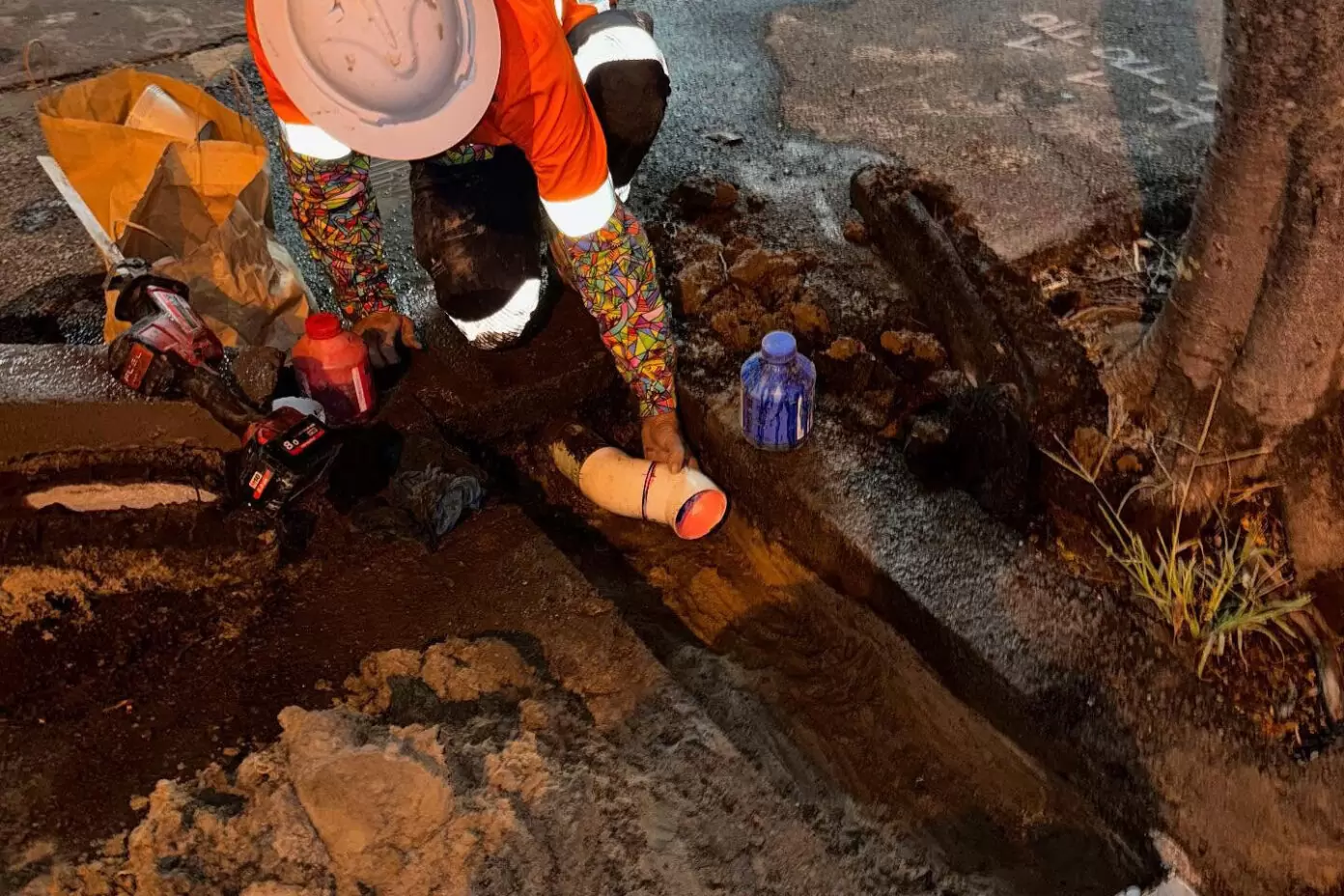
New pipe installation is not limited to new homes. It may be required when fixtures move, an extension needs new services, a damaged pipe run is renewed, or sewer and stormwater systems are altered or upgraded.
Bathroom and Kitchen Renovations
Moving a toilet, shower, basin, sink or appliance connection can require new water-supply and drainage runs. A plumber needs to assess the proposed fixture positions, existing services, access and drainage requirements before the renovation layout is finalised.
Extensions and Additional Fixtures
Extensions, secondary dwellings and additional bathrooms or kitchens may require new pipework connected to the existing plumbing and drainage system. The work needs to account for capacity, connection points, access and the relevant approval requirements.
Replacing Deteriorated Pipe Runs
Repeated leaks, restricted flow or widespread deterioration may lead a plumber to recommend replacing part of an older water-supply or drainage system. The decision should be based on the condition of the affected run and surrounding pipework rather than age alone.
Sewer and Stormwater Upgrades
New or replacement sewer and stormwater pipework may be required when an existing line is damaged, poorly located, undersized for the intended work or being altered as part of a broader project. Assessment and installation requirements depend on the system and site.
Queensland Licensing Requirements
Regulated plumbing and drainage installation or repair work in Queensland must be completed by a person holding the appropriate licence. The exact requirements depend on whether the work involves water supply, sanitary plumbing, drainage or another regulated system. The QBCC guidance on regulated and unregulated plumbing work explains that most plumbing work is regulated, although limited minor tasks are treated differently.
Plumbers must also use products that are authorised and suitable for their intended application. Where WaterMark certification is required under the applicable product schedules, the selected pipe, fitting or component must carry the appropriate authorisation. Not every item used around a plumbing installation requires WaterMark, so the requirement should be checked against the product’s intended use.
You can verify Local Plumbing & Gas Co.’s QBCC licence #15256264 in the QBCC licensee register before work is commissioned.
Which Plumbing Service Do You Need?
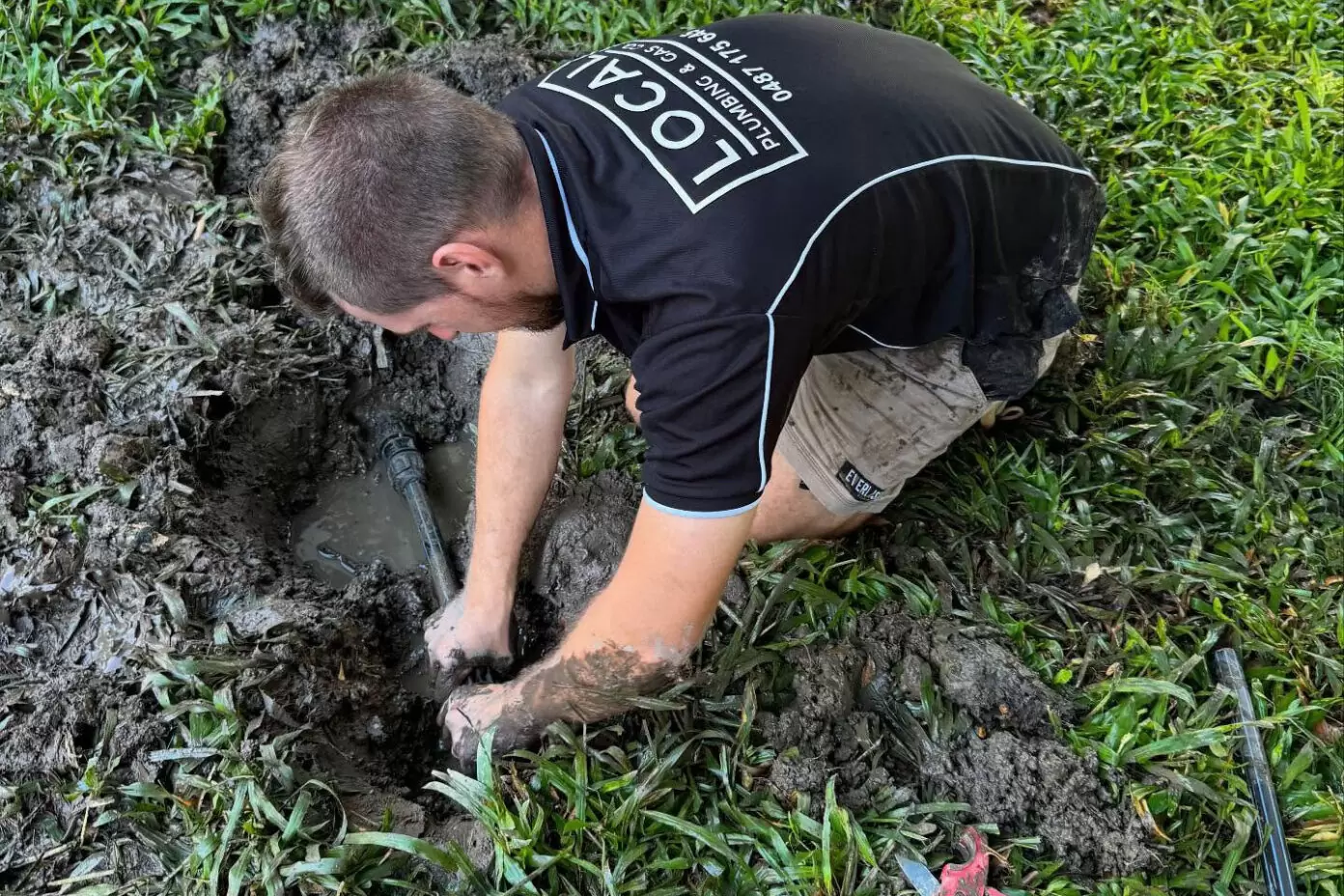
Active water leak or burst pipe: If water is escaping from a supply pipe, isolate the water if it is safe and contact our water leak repair team. An urgent or major failure may need our burst pipe service.
Recurring blockage or damaged drain: If a drain keeps blocking or a cracked, displaced or collapsed section is suspected, our drain repair service covers assessment and suitable repair pathways.
Sewer pipe problem: Sewage odours, wastewater overflows, several slow fixtures or damage in a sewer line should be directed to our sewer plumbing service.
Unclear recurring drainage issue: A CCTV drain inspection may help assess accessible sewer or stormwater pipework. If you already know a pipe is damaged but are unsure which option may suit it, our pipe repair vs replacement guide explains the decision factors.
When to Call Local Plumbing & Gas Co.
Pipe faults are not always visible, and the safest response is to limit further damage without cutting, opening or patching regulated pipework yourself. A licensed plumber or drainer can identify the affected system, investigate the likely cause and explain which next steps are suitable.
If water is actively escaping, turn it off at the mains or an accessible isolation valve if it is safe to do so. Stop using affected fixtures if wastewater is backing up, keep people and pets away from sewage, and stay clear of water near electrical fittings. Recurring blockages, concealed leaks and ongoing dampness should be assessed rather than repeatedly treated at the surface.
Local Plumbing & Gas Co. provides pipe, drain and water leak services across the Gold Coast, with a $0 call out fee and 24/7 availability for urgent plumbing problems. Contact our team to explain what is happening and arrange the appropriate service.
Pipe Installation and Repair FAQs
What Is Included in Pipe Installation?
Pipe installation can include new water-supply lines, sanitary drainage, sewer or stormwater pipework, renovation alterations, new fixture connections and replacement pipe runs. The required work depends on the plumbing system, property layout and applicable approvals.
How Do Plumbers Find a Damaged Underground Pipe?
The investigation depends on the pipe. Accessible sewer or stormwater lines may be inspected with a CCTV drain camera and locating equipment. Suspected water-supply leaks may require pressure testing, acoustic equipment, thermal imaging or another leak-detection method.
Does Pipe Repair Always Require Excavation?
No. Some faults are accessible above ground or through existing access points, and some drainage defects may be suitable for a targeted internal repair. Excavation may still be required where the pipe has collapsed, the affected area cannot otherwise be reached or replacement is the appropriate option.
Can Old Pipes Be Repaired?
Sometimes. Age alone does not decide the outcome. A plumber considers the material, location, extent of damage, previous failures and condition of surrounding pipework before explaining whether a local repair, sectional replacement or broader renewal may be suitable.
Who Can Install or Repair Plumbing Pipes in Queensland?
Regulated plumbing and drainage work must be completed by a person holding the appropriate Queensland licence. The required licence depends on the system and work involved. Limited unregulated tasks exist, but household pipe installation and structural pipe repair should be assessed by a suitably licensed plumber or drainer.