Do You Need A Plumber To Install A Dishwasher
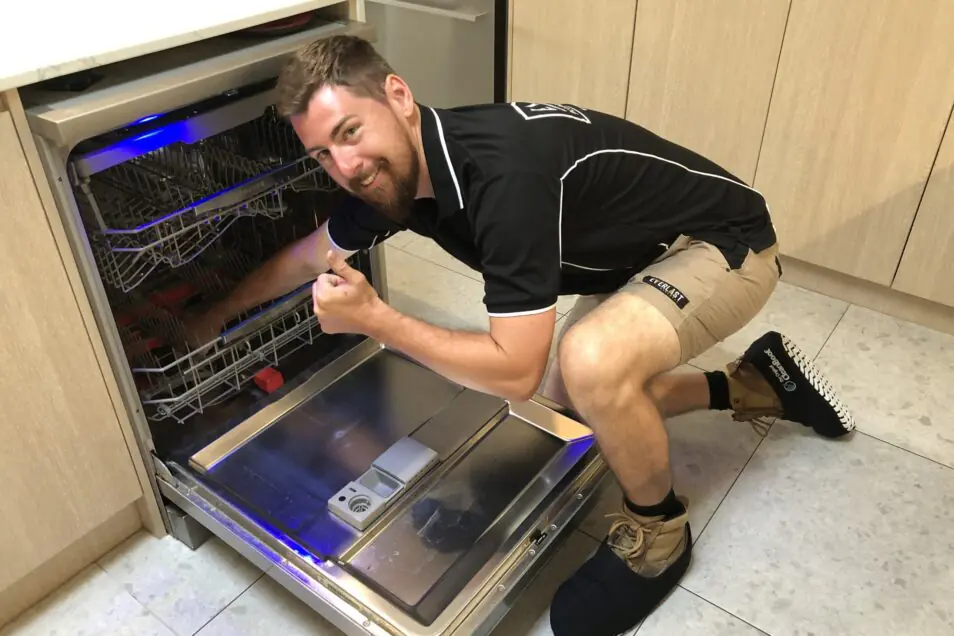
Bought a new dishwasher or replacing an old one? It is common to wonder: do you need a plumber to install a dishwasher, or can it be connected as part of a basic appliance swap?
The safest answer depends on the setup. If the job involves water supply, drainage, new plumbing connections, leaks, or changes under the sink, a licensed plumber is the right person to call. Electrical work is separate and should be handled by a licensed electrician.
This guide explains when a plumber is needed, what can go wrong, and what to check before booking dishwasher installation for your Gold Coast home.
Do You Need A Plumber To Install A Dishwasher?
Yes, you should use a plumber to connect a dishwasher when the job involves water supply, drainage, new plumbing, leaks, unsuitable under-sink connections, or moving the appliance to a new location. A simple dishwasher replacement may look straightforward, but the existing setup still needs to be suitable.
The main issue is not just getting the appliance into the cavity. Dishwasher plumbing needs to deal with the water supply connection, drainage connection and leak risk under the sink. If these are not right, you can end up with water in the cabinet, poor drainage, odours, or a slow leak that is not noticed until damage has already started.
In QLD, the Queensland Government recommends using licensed plumbers and drainers to help keep plumbing work compliant and reduce health and safety risks.
For most homeowners, the safest approach is simple: if the dishwasher needs more than sliding into an existing space and plugging into suitable existing services, call a licensed plumber before connecting it.
New Dishwasher Installation Vs Replacing An Existing Dishwasher
Replacing an existing dishwasher is not always the same as installing a new dishwasher from scratch. A replacement may use the same cavity, water supply and drain connection, but the existing under-sink plumbing still needs to be suitable for the new appliance.
A new installation or relocation usually needs more checking. The dishwasher water connection, dishwasher drain connection, cabinetry opening and under-sink layout may all need to be assessed before the appliance is connected. That under-sink space gets tighter again if you are weighing up a garbage disposal unit alongside the dishwasher, since both connect into the same waste line.
For broader kitchen plumbing during a renovation, it is worth planning the dishwasher position early, so the sink, taps, drainage and appliance connections work together properly, particularly if a plumber is installing a new kitchen sink at the same time.
| Situation | Plumber Usually Needed? | Why |
| Replacing an old dishwasher in the same spot | Sometimes | Existing connections may be suitable, but old hoses, valves or drainage points can still be worn, damaged or unsuitable. |
| Installing a dishwasher where there was not one before | Yes | Water supply and waste connections may need to be created or adjusted. |
| Moving the dishwasher to a new kitchen location | Yes | The under-sink plumbing, drain run and water supply may need changes. |
| Installing during a kitchen renovation | Yes | A plumber can help make sure the dishwasher works with the wider kitchen plumbing layout. |
| Dishwasher is leaking after connection | Yes | The cause needs to be checked before it damages cabinets, flooring or nearby walls. |
| New power point is needed | Electrician needed | Electrical work must be handled by a licensed electrician. |
We often see problems when homeowners assume a new appliance will connect exactly like the old one. Dishwasher sizes, hose positions and connection points can vary. Even a small mismatch can create a slow leak or drainage issue hidden inside the cabinet.
If you are unsure whether the current setup suits the new appliance, it is safer to have the plumbing checked before the dishwasher is used.
Do You Need A Plumber Or Electrician For A Dishwasher?
A dishwasher can involve both plumbing and electrical services, but they are not the same job. A plumber handles the water supply, drainage connection, under-sink plumbing and leak-related issues. An electrician handles power points, wiring, electrical faults and changes to the power supply.
If the dishwasher is replacing an old unit and the plumbing and power are already suitable, the job may be more straightforward. If there is no nearby power point, the appliance is moving location, or the kitchen is being renovated, you may need both trades involved.
A licensed plumber for dishwasher installation handles the water and waste side of the job. A licensed electrician handles the electrical side. One does not replace the other.
Queensland’s Electrical Safety Office warns against DIY electrical work, so do not attempt to install, move or alter a power point yourself. If the dishwasher needs electrical work, arrange a licensed electrician before the appliance is used.
For the plumbing side, a licensed plumber can check whether the existing water supply and drainage setup is suitable before the dishwasher is connected.
What Can Go Wrong With Dishwasher Installation?
A dishwasher may seem like a simple appliance, but poor installation can create problems that stay hidden until the machine has run a few cycles. The most common issues we see are leaks, drainage problems and water damage inside kitchen cabinets.
A dishwasher leaking after installation can come from several places. The water supply connection may not be suitable, the drainage connection may not be sitting correctly, or older under-sink plumbing may not suit the new appliance. Even a slow leak can swell cabinetry, damage flooring, or create musty smells under the sink.
Drainage issues can also show up after the first few washes. If the dishwasher is not draining after installation, the problem may relate to the waste hose, trap connection, sink drainage, or a blockage further along the line. The cause needs to be checked before the appliance keeps being used.
Common warning signs include:
- Water pooling under the dishwasher or inside the cabinet
- A damp or swollen kickboard
- Musty smells under the sink
- Gurgling or slow drainage from the kitchen sink
- Dirty water sitting in the bottom of the dishwasher
- Water appearing only after a wash cycle
If you notice leaking, stop using the dishwasher. Turn off the water supply if it is safe and obvious to do so, then call a licensed plumber. Avoid pulling apart under-sink plumbing or trying to reconnect hoses if you are unsure what has caused the problem.
What To Check Before You Book A Plumber
You do not need to diagnose the job before calling. It does help to note a few simple details so the plumber understands whether this is a straightforward replacement, a new installation, or part of a wider kitchen update.
Before booking, check what you can see safely without disconnecting anything:
- Is the dishwasher replacing an old unit or going into a new position?
- Is there already a dishwasher cavity?
- Is there visible water under the sink or near the appliance?
- Does the kitchen sink drain slowly?
- Is the dishwasher part of a broader kitchen renovation?
- Does a power point already exist nearby?
- Has the appliance supplier provided installation requirements?
- Is the property occupied, tenanted, or managed by an agent?
This is especially useful for landlords and property managers organising access to a rental property. It gives the plumber a clearer picture before arrival and helps avoid confusion around whether the job involves dishwasher water connection, dishwasher drain connection, electrical work, or broader kitchen plumbing.
Do not remove cabinetry, disconnect hoses, test valves, or pull apart under-sink plumbing to check these details. If something looks old, tight, leaking, damaged, or difficult to access, leave it as it is and explain what you can see when booking.
How Local Plumbing & Gas Co. Can Help With Dishwasher Installation
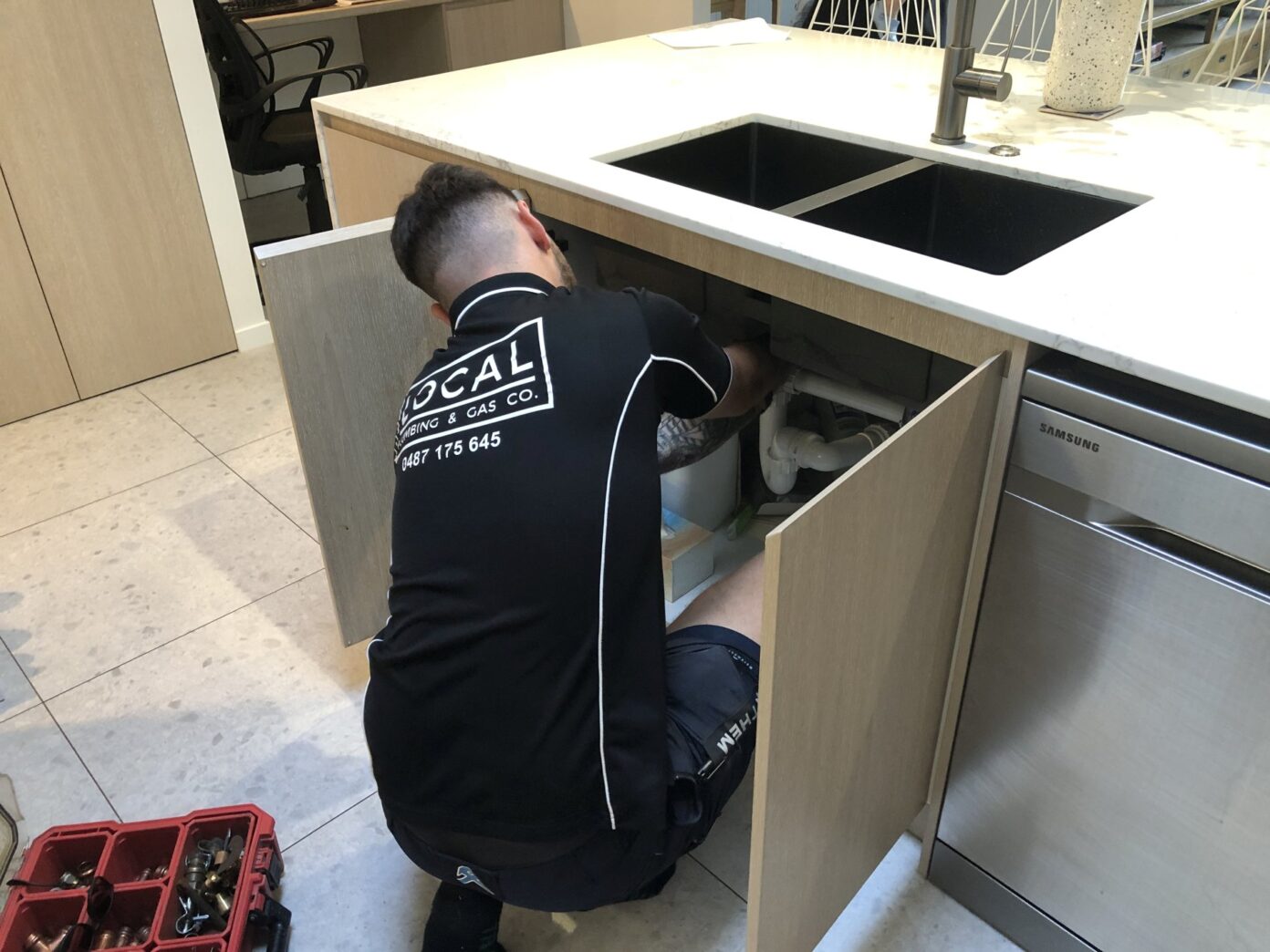
If your dishwasher needs a water supply connection, drain connection, replacement hose setup, leak check, or under-sink plumbing adjustment, our plumbers can help. We provide professional dishwasher installation service for Gold Coast homes, rentals and renovation projects.
Our role is to make sure the plumbing side of the installation is suitable before the appliance is used. That may include checking the existing under-sink setup, looking for leak risks, and confirming whether the current connections suit the new dishwasher.
We can also help when dishwasher installation is part of broader kitchen plumbing work, such as replacing a sink, updating taps, planning a renovation, or changing appliance locations. It is better to plan the plumbing early instead of trying to make the appliance fit after cabinets and benchtops are finished.
If the job also needs electrical work, we will let you know where a licensed electrician is required. Plumbing and electrical work should be handled by the right trade, especially when water and power are close together in a kitchen.
For a simple replacement, a new kitchen layout, or a dishwasher that has started leaking after installation, Local Plumbing & Gas Co. can check the setup and get the plumbing side sorted safely.
Frequently Asked Questions
Can I Install A Dishwasher Myself?
You may be able to place a dishwasher into position yourself, but connecting it safely is different. If the job involves water supply, drainage, leaks, under-sink changes, or anything you are unsure about, call a licensed plumber. Do not disconnect hoses, alter plumbing, or make electrical changes unless you are licensed to do that work.
Do I Need A Plumber Or Electrician To Install A Dishwasher?
You may need a plumber, an electrician, or both, depending on the setup. A plumber handles water supply, drainage and under-sink plumbing. An electrician handles power points, wiring and electrical faults. If the dishwasher needs both plumbing and electrical changes, each part should be handled by the right licensed trade.
Can A Dishwasher Be Installed Where There Was Not One Before?
Yes, a dishwasher can often be installed where there was not one before, but it usually needs a plumber to check the water supply, drainage and kitchen layout first. The appliance needs suitable plumbing connections and enough space to drain properly. If a new power point is also needed, that part must be handled by a licensed electrician.
Why Is My Dishwasher Leaking After Installation?
A dishwasher leaking after installation can be caused by an unsuitable water connection, drainage issue, damaged hose, old under-sink plumbing, or a poor fit between the appliance and existing setup. Stop using the dishwasher, turn off the water supply if it is safe and obvious, and call a licensed plumber to check the cause.
Why Is My Dishwasher Not Draining After Installation?
If your dishwasher is not draining after installation, the issue may relate to the waste hose, sink drainage, trap connection, appliance setup, or a blockage further along the line. Avoid pulling apart the plumbing yourself. A plumber can check whether the dishwasher is connected correctly and whether the kitchen drain is working as it should.
Should I Call A Plumber Before Buying A Dishwasher?
It can be worth calling a plumber before buying a dishwasher if you are changing the appliance location, renovating the kitchen, replacing an old unit, or unsure about the existing plumbing. A quick check can help confirm whether the new dishwasher will suit the current water supply, drainage and under-sink layout.
Get The Dishwasher Connected Properly From The Start
If you are still wondering, do you need a plumber to install a dishwasher, the safest answer is to call one when the job involves water supply, drainage, leaks, new connections, or any changes under the sink.
A dishwasher may look like a simple appliance, but it still relies on the right plumbing setup. Poor connections can cause leaks, drainage problems, damaged cabinetry and avoidable stress after the appliance is already in use.
For Gold Coast homes, rentals and renovations, Local Plumbing & Gas Co. can check the plumbing side of the installation and help make sure the dishwasher is connected safely. Book our dishwasher installation service if you want the setup checked before the appliance is used, or if an existing dishwasher has started leaking or draining poorly after installation.