What Blocks a Kitchen Sink?
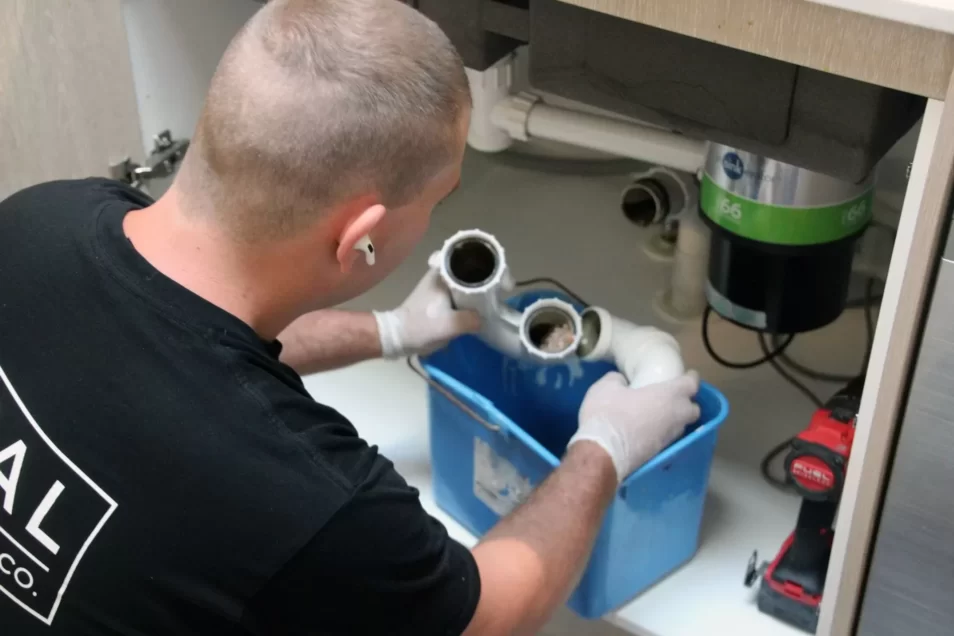
Clogged kitchen sinks on the Gold Coast are a frustratingly common issue, disrupting the smooth running of homes and businesses alike. Whether it’s the morning rush or the evening clean-up, a clogged sink can throw a spanner in the works. But don’t worry! Local Plumbing & Gas Co., your trusted local expert, is here to help.
Last month, we gave you a comprehensive guide to blocked kitchen sinks, and today, we’ll explore the various causes behind clogged kitchen sinks and how our prompt and professional services can keep your drains clear and functioning optimally. So, let’s get started and understand this problem better to tackle it effectively.
Common Causes of Clogged Kitchen Sinks
Clogged kitchen sinks can be a real headache for any homeowner. They’re an unwelcome disruption to your daily routine, but understanding the causes can help you prevent these common issues. Here at Local Plumbing & Gas Co., we’ve seen it all when it comes to clogged sinks, and we’re here to share our knowledge with you. So, let’s explore some of the most common causes of clogged kitchen sinks.
Food Waste
First on the list is food waste. It might seem harmless to rinse leftover food scraps while washing dishes, but this can lead to significant problems in the long run. Even with a garbage disposal unit such as an InSinkErator installed, food particles can build up in your pipes over time, causing stubborn clogs that restrict water flow.
Urban Utilities warns that food scraps—including rice, pasta, coffee grounds, and even dairy—should never go down the kitchen sink, as they contribute to costly plumbing issues and can also impact the broader sewer system.
Remember, your sink isn’t a bin. It’s always best to scrape leftovers into the rubbish or compost bin before rinsing dishes to keep your pipes clear and your plumbing running smoothly.
Grease and Oil
Next up is the sneaky culprit behind many clogged sinks: grease, fats, and oils. When these substances are washed down the sink, they don’t just disappear. They cool and solidify inside your pipes, forming sticky clogs that restrict water flow and lead to backups.
Even small amounts of oil can cause problems over time. As The Guardian reports, once fats and oils enter the plumbing system, they combine with other waste to create large, hardened blockages known as “fatbergs”—a major headache for both homeowners and water authorities.
The key to prevention is simple: never pour grease or oil down the sink. Instead, let it cool, pour it into a sealed container, and dispose of it in the bin.
Soap Scum
Soap scum is related to but distinct from dishwashing detergent buildup. It forms when soap — particularly bar soap residue from handwashing at the kitchen sink — reacts with the calcium and magnesium minerals present in Gold Coast water. The result is a waxy, insoluble film that adheres to the pipe interior and accumulates over time. Unlike detergent residue, soap scum doesn’t respond well to hot water flushing — it bonds to the pipe wall and requires mechanical cleaning or enzymatic treatment to break down effectively.
Foreign Objects
Small items that fall into the sink during dishwashing or food preparation are a more common cause of kitchen drain blockages than most homeowners realise. Fruit stickers, rubber bands, bottle caps, small utensils, food packaging offcuts, and vegetable peelers are all regularly found in blocked kitchen drains. Unlike organic buildup, foreign objects create a fixed obstruction that catches every piece of debris that follows, rapidly accelerating blockage formation. A sink strainer is the most effective defence — it costs very little and prevents the majority of these objects from entering the pipe.
Starchy Foods
Rice, pasta, and potato peelings deserve specific mention beyond general food waste. Unlike most food scraps, starchy foods absorb water and expand significantly inside the pipe — rice and pasta in particular can more than double in volume after prolonged contact with water. This expanding mass congeals into a dense, sticky blockage that’s considerably harder to shift than standard food particle accumulation. Even small amounts rinsed from plates after a meal contribute to this problem over time.
Dishwashing Detergent Buildup
Lastly, believe it or not, dishwashing liquid is a common household item that can contribute to clogged kitchen sinks. While these products are made to clean your dishes, over time, they can accumulate in your pipes—especially when combined with grease and food particles.
Dishwashing liquids and powder detergents can bind with other debris, forming a residue that gradually narrows the pipe’s internal diameter and restricts water flow. Some plumbers also warn that overuse of dishwashing pods or powder detergents can leave behind a thick, sticky residue in the drain system, particularly in older plumbing.
Regular cleaning, mindful use of detergents, and occasional drain flushing can go a long way in preventing this type of buildup, though the drain is only one part of a wider kitchen plumbing system that also takes in tapware, appliance connections and waste.
Environmental and Regional Factors Causing Kitchen Clogs
Beyond the common culprits we’ve already discussed, other factors unique to your environment and region may be causing kitchen sinks to clog. In this section, we’ll shed light on some of these factors relevant to us here on the Gold Coast.
Hard Water
One such factor is hard water. Hard water contains a higher concentration of minerals, which, while not harmful to your health, can pose problems for your kitchen plumbing. Over time, these minerals can accumulate in your pipes, resulting in reduced water flow and eventually leading to clogged kitchen sinks. Regular maintenance and water-softening treatments can help manage this issue and keep your drains clear.
House Digest features an insightful article on preventing hard water buildup—an issue many face with their kitchen sinks.
Mineral Scale Buildup
Mineral scale is a related but distinct issue from soap scum and hard water staining. Over years of use, calcium and magnesium deposits from Gold Coast water build up on the inside of pipes as a hard, chalky scale that progressively reduces the pipe’s internal diameter. Unlike grease or food waste, scale cannot be cleared with hot water or enzyme treatments — it requires mechanical descaling or professional intervention. It develops slowly and is rarely identified as a cause until flow is noticeably restricted, making it one of the more insidious contributors to recurring kitchen drain problems in established Gold Coast homes.
Climate Impact
Additionally, the climate of the Gold Coast can also play a role in kitchen sink clogs. With our warm, humid weather, substances like grease and oil can become even stickier, adhering to pipe walls and causing clogs and blockages more readily. Furthermore, periods of heavy rainfall can result in increased pressure in sewer systems, potentially leading to backups and clogs.
Household Habits Leading to Kitchen Sink Clogs
When it comes to keeping our kitchen sinks functioning smoothly, a lot rests on our everyday habits. Unfortunately, some common practices in many households can contribute significantly to sink clogs. At Local Plumbing & Gas Co., we believe that understanding these habits is key to prevention, and we’re here to guide you through them.
Improper Sink Use
One of the prime culprits causing kitchen sinks to clog and become clogged is improper sink use. This often includes washing non-food items or excessively disposing of food waste into the sink. Small items or food particles can accumulate over time, leading to stubborn blockages that disrupt your daily routine. It’s important to remember that your sink isn’t designed to handle everything—as mentioned, even if you have an InSinkErator, kitchen sinks can and DO get clogged; trust us on this one! There are real limits to what a garbage disposal unit can and cannot handle, and coffee grounds, eggshells and fibrous scraps sit near the top of that list.
We were recently called out to a customer’s home in Miami because of a foul-smelling liquid continuously spewing from her overflow relief gully. Although she thought it was sewage due to the odour, it only overflowed when she used her dishwasher and kitchen sink, which was equipped with an InSinkErator. She believed the InSinkErator would handle all her food scraps, but it’s not a cure-all and does have limitations, as she discovered the hard way. We were able to clear the drain with our handy FlexShaft drain cleaning machine, bringing order back to her kitchen duties.
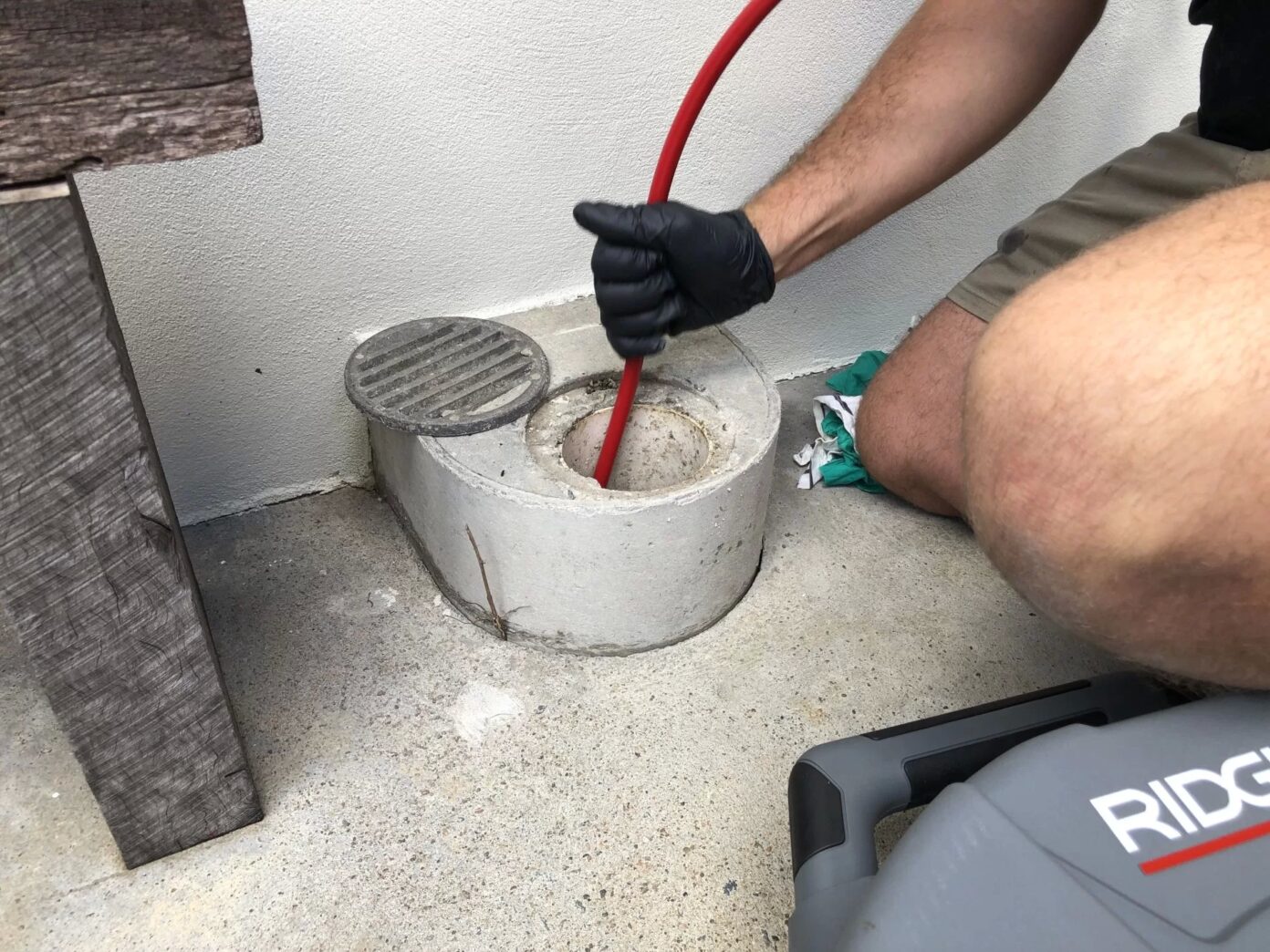


Being mindful of what goes down the drain can save you from future headaches.
Lack of Regular Maintenance
Neglecting regular sink and drain maintenance is another habit that can lead to blockages. Without routine checks and cleaning, substances can build up and cause blockages in your kitchen sink. Regular maintenance is vital in keeping your drains clear and preventing minor issues from escalating into major problems.
Inadequate Drainage Fall
This cause is specific to Gold Coast homes on concrete slabs, and no amount of maintenance will resolve it without professional intervention. Correct drainage fall is the minimum slope required for waste water to clear a pipe under gravity. If a kitchen sink waste pipe was installed with insufficient fall during a poor kitchen sink installation, or if the slab has shifted slightly over time, waste and water sit in the pipe rather than clearing completely after each use. This creates a persistent accumulation point that causes recurring blockages regardless of what goes down the drain. If your kitchen sink keeps blocking despite professional clearing, a CCTV drain inspection to assess drainage fall is worth doing before investing further in clearance work.
Conclusion
Clogged kitchen sinks on the Gold Coast are a common but inconvenient issue. They can occur due to a variety of factors, such as grease build-up, improper disposal of food waste, dishwashing liquids, and environmental factors like hard water and regional climate. Given the complexity of these causes, it’s clear that dealing with blocked sinks is not a simple task and often requires professional intervention. At Local Plumbing & Gas Co., we have the expertise and advanced tools to quickly identify and effectively address these blockages, ensuring your sink returns to its optimal functionality.
At Local Plumbing & Gas Co., we understand how frustrating a clogged kitchen sink can be. That’s why we’re committed to providing prompt, reliable, and professional service to resolve your plumbing issues. More than just fixing the problem, we’re here to help you understand its causes and prevent similar issues in the future. Remember, when it comes to plumbing emergencies, you’re in capable hands with Local Plumbing & Gas Co.
Click here to learn more about our clogged kitchen sink service, then contact us to get your sink running smoothly again.