Drain Maintenance Tips to Prevent Drain Blockages
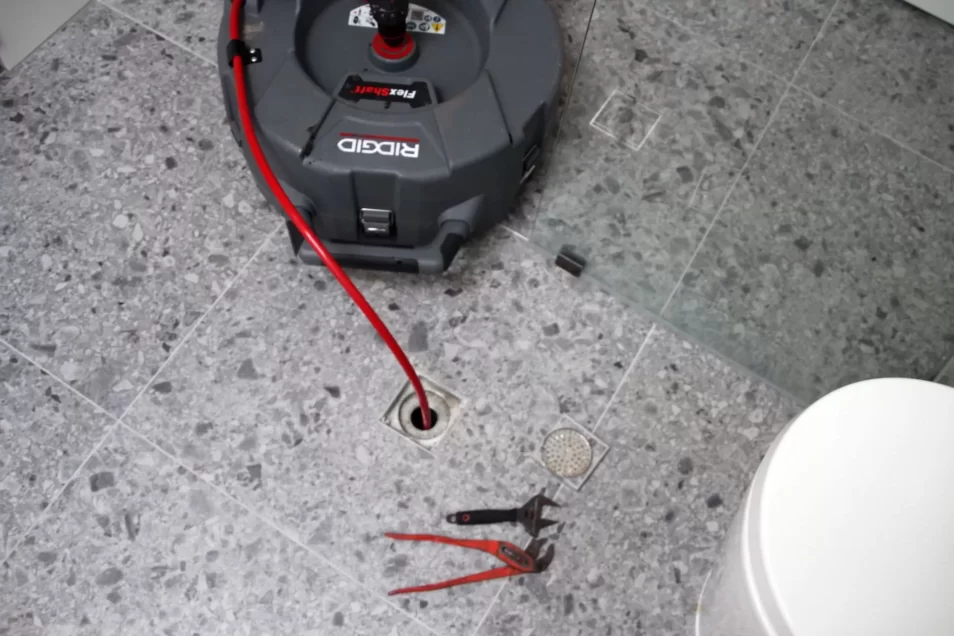
Blocked drains can be a major headache for homeowners and renters alike, often leading to costly drain repairs and inconvenience. Did you know proper drain maintenance can help you avoid these frustrating situations? Proactively maintaining your drains can prevent drain blockages and keep your plumbing system running smoothly.
This is particularly important considering Australian households used 1,773 GL of supplied water in 2021-22, according to the Australian Bureau of Statistics. With households representing a significant portion of water usage, proper drain maintenance helps protect this valuable resource by preventing blockages that can lead to water waste and system inefficiencies
In today’s article, we’ll share essential tips and strategies for effective drain maintenance, helping you save time, money, and stress in the long run.
As experts in blocked drains on the Gold Coast, Local Plumbing & Gas Co. understands the importance of preventive maintenance for keeping your drains clear and functional. We’re here to guide you through the best practices to ensure that your drains remain free from blockages, providing peace of mind and a hassle-free experience. So, let’s dive into the world of drain maintenance and learn how to keep those pesky blockages at bay!
Understanding Your Drains: What Can and Can’t Go Down
Preventing drain blockages starts with understanding what can and can’t go down your drain. Many common household items that seem harmless can cause significant problems if they end up in your plumbing system. Here’s a more detailed look at some commonly overlooked items that cause blockages:
- Coffee Grounds: It’s easy to rinse coffee grounds down the sink, but over time, they can accumulate and cause blockages.
- Cooking Grease and Oils: While liquid when hot, these substances solidify as they cool and can stick to your pipes, leading to clogs.
- Flushable Wipes and Sanitary Products: Despite being marketed as ‘flushable’, these products don’t break down as readily as toilet paper and can cause blockages.
- Hair: Hair is one of the most common causes of drain blockages, particularly in showers, bathtubs, and bathroom sinks.
- Food Waste: Even small food particles can build up in your pipes and lead to clogs.
By disposing of these items properly, you can significantly reduce the risk of drain blockages and keep your plumbing system running smoothly.
According to YourHome, the Australian Government’s guide to environmentally sustainable homes, Australia is the driest populated continent on Earth, and yet Australia uses more water per person than most other countries in the world. Proper drain maintenance helps reduce water waste and supports broader environmental conservation efforts by ensuring our drainage systems operate efficiently.
The Impact of Hard Water on Drains
Hard water—water with a high mineral content—can also contribute to drain blockages. Over time, the minerals in hard water can build up inside your pipes, narrowing the passage and making blockages more likely.
To mitigate the effects of hard water, consider installing a water softener in your home. Water softeners remove excess minerals from your water, helping to prevent build-up in your pipes and extend the life of your plumbing system.
Remember, an ounce of prevention is worth a pound of cure. By being mindful of what goes down your drains and taking steps to address issues like hard water, you can save yourself a lot of hassle and expense in the long run.
Why It Matters Beyond Your Pipes
Proper drain habits aren’t just about protecting your plumbing — they have a broader impact on your health, your household, and the environment.
Blocked drains create genuine health risks. Standing water and organic buildup harbour harmful bacteria and attract pests, while the gases produced by decomposing waste — including methane and hydrogen sulphide — can cause headaches, nausea, disorientation, and in serious cases pose a risk to life. Queensland Health recognises the importance of maintaining proper drainage systems to prevent contamination and protect public health. Sewage backups from neglected blockages can expose your household to waterborne illness and contaminate your water supply.
Beyond your property, the way waste is disposed of has real consequences for local waterways and infrastructure. Australian households generate 12.4 million tonnes of waste annually, and food waste accounts for around 3% of Australia’s annual greenhouse gas emissions — with households responsible for approximately 30% of total food waste generated. When food scraps, fats, and oils go down the drain instead of the bin, they contribute to both pipe blockages and broader environmental harm.
Preventing blocked drains on the Gold Coast isn’t just a cost-saving measure. It’s part of being a responsible homeowner in a region where waterways, canals, and coastal environments are central to the community.
For a deeper look at hygiene risks, our health consequences of drain blockages guide explains how dampness, bacteria and pests can become a concern.
Invest in a Quality Drain Guard
One of the simplest and most effective ways to prevent blocked drains is to invest in a quality drain guard. This small device, which covers your drain openings, acts as a filter, catching debris like hair, food particles, and other potential blockage-causing materials while still allowing water to flow through freely.
Drain guards are an affordable and easy-to-install solution that can save you from the inconvenience and cost of dealing with blocked drains. But not all drain guards are created equal. There’s a variety of types available, each designed for specific uses:
- Sink Strainers: These are perfect for kitchen sinks where food particles are a common issue. They fit into the plug hole and trap food waste while allowing water to pass through.
- Shower Drain Guards: Designed to catch hair and soap scum, these are essential for keeping your shower drain clear.
- Outdoor Drain Guards: These are larger and more robust, designed to prevent leaves and other outdoor debris from blocking your outside drains.
Regular Use of Natural Drain Cleaners
Regularly using natural drain cleaners is an excellent way to maintain your drains and prevent build-up that could lead to blockages. There are several natural remedies that you can use, all of which are safe, effective, and friendly to the environment.
- Vinegar and Baking Soda: This tried-and-tested method involves pouring half a cup of baking soda down the drain, followed by half a cup of white vinegar. After covering the drain with a plug and waiting about 30 minutes, flush the drain with hot water. Doing this once a month can keep your drains running smoothly.
- Salt and Hot Water: Another simple remedy is to pour half a cup of salt down the drain, followed by boiling water. The salt acts as a natural scrubber, breaking down any grease or build-up, while the hot water flushes it away.
- Lemon Juice and Baking Soda: Similar to the vinegar method, this mixture uses the acidity of lemon juice to break down clogs. It’s a great option if you prefer a more pleasant scent.
For chemical-free maintenance options, see our guide to natural remedies for blocked drains.
The Role of Enzyme-Based Cleaners
For a longer-term solution to keeping drains clear, consider enzyme-based cleaners. These products use natural enzymes or bacteria to break down clogs in your drains. They’re a great choice because they’re non-corrosive and won’t damage your pipes, and they continue to work over time, preventing future build-up.
Incorporating these natural methods into your regular maintenance routine can help keep your drains clear, reduce the risk of blockages, and reduce your reliance on harsh chemical cleaners.
Remember, prevention is the best cure, so taking these small steps now can save you from larger problems in the future.
The Power of Hot Water: A Simple Maintenance Trick
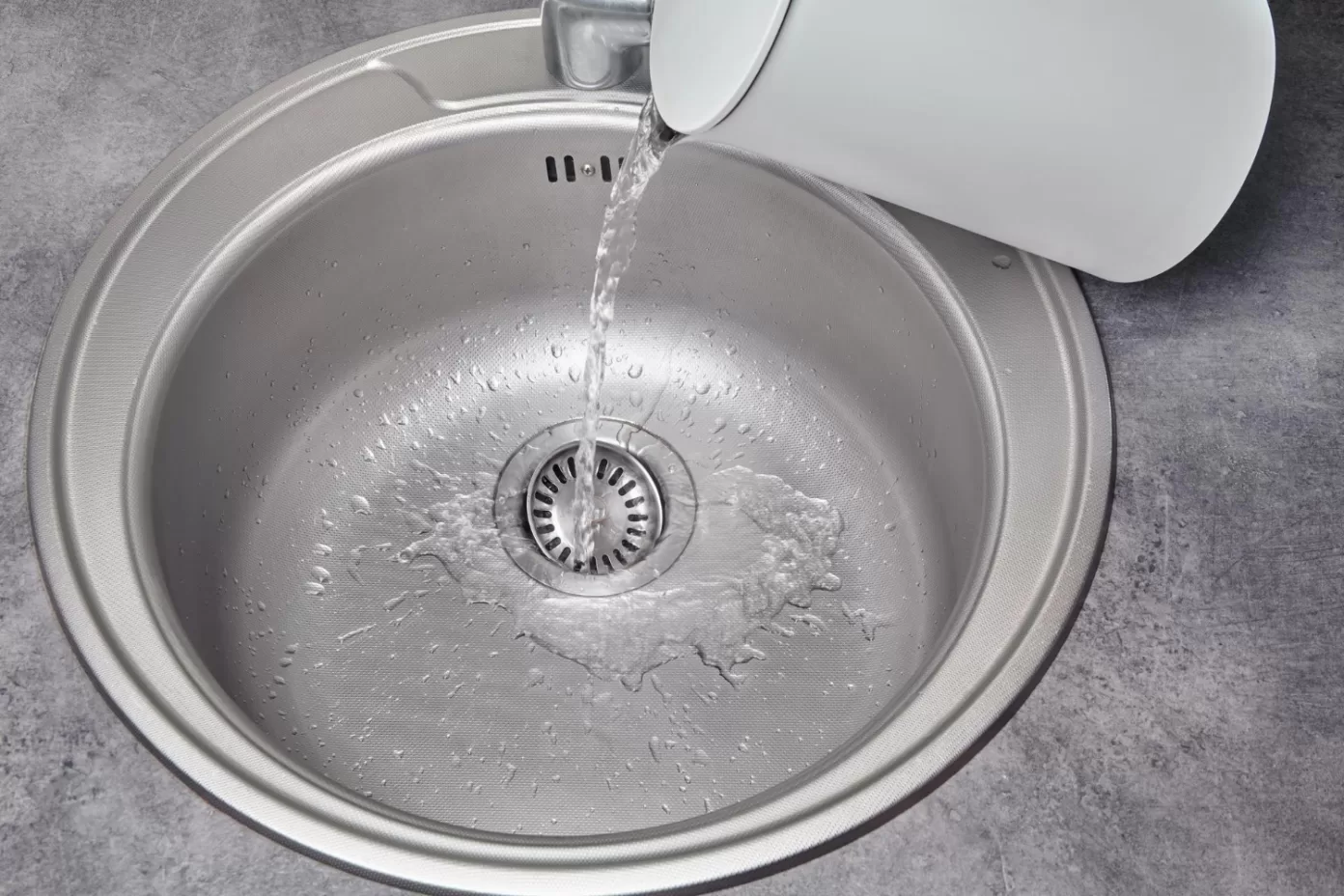
A popular saying goes, “The simplest solutions are often the best,” and when it comes to maintaining your drains, this couldn’t be truer. Regularly flushing your drains with hot water is a straightforward yet effective maintenance trick that anyone can do.
Hot water works wonders for preventing build-up and blockages in your drains. But why is it so effective? It all comes down to basic science.
The Science Behind Why Hot Water Works
When substances like grease, soap scum, and food waste come into contact with hot water, they melt or dissolve. This is because the heat from the water increases the substances’ kinetic energy, causing their molecules to move faster and break apart. So, when you flush your drains with hot water, these substances become less sticky and more fluid, making it easier for them to flow down the drain instead of sticking to the pipes.
Limitations and Precautions of Hot Water Use
While using hot water is an excellent preventive measure, it’s important to be aware of its limitations and precautions. For instance, hot water should not be used on PVC pipes, as the heat can cause them to soften or warp over time. In such cases, warm water can be used as a safer alternative.
Additionally, always exercise caution when handling hot water to avoid burns. Using a kettle or pot with a spout can make the process safer and easier.
Strategic Landscaping: Preventing Tree Root Intrusion
Tree root intrusion is a common cause of blocked drains on the Gold Coast. Roots can grow into your drainage system, causing extensive damage and blockages. To prevent this issue, consider strategic landscaping and tree placement. Plant trees at least 2–3 metres away from underground drainage lines. This spacing recommendation aligns with guidance from major water utilities. Sydney Water advises against planting trees within 6 metres of wastewater pipes, as tree roots can enter small cracks in pipes to seek out nutrients, continue to grow, and take up space that slows drainage and causes blockages.
Regularly check for signs of root intrusion and consult with a professional arborist if you suspect any issues.
Our tree root intrusion guide gives more detail on landscaping choices and warning signs around root-related drain problems.
Choosing the Right Plants Near Drainage Areas
When landscaping near drainage areas, choosing the right plants can make all the difference. Here are some tips to guide you:
- Opt for Deep-Rooted Plants: These plants have roots that grow straight down rather than spreading out, reducing the likelihood of invading your drains.
- Choose Drought-Tolerant Species: Plants that can withstand dry conditions are less likely to seek out water sources, like your drains.
- Avoid Willow, Poplar, and Oak Trees: These species are known for their aggressive root systems and should be planted well away from any pipes.
Strategic landscaping is a practical way to mitigate the risk of tree root intrusion in your drains. Need more advice or suspect a root intrusion issue? Contact us. We’re here to help with all your plumbing needs.
Regular Professional CCTV Drain Inspections: Your Best Defence
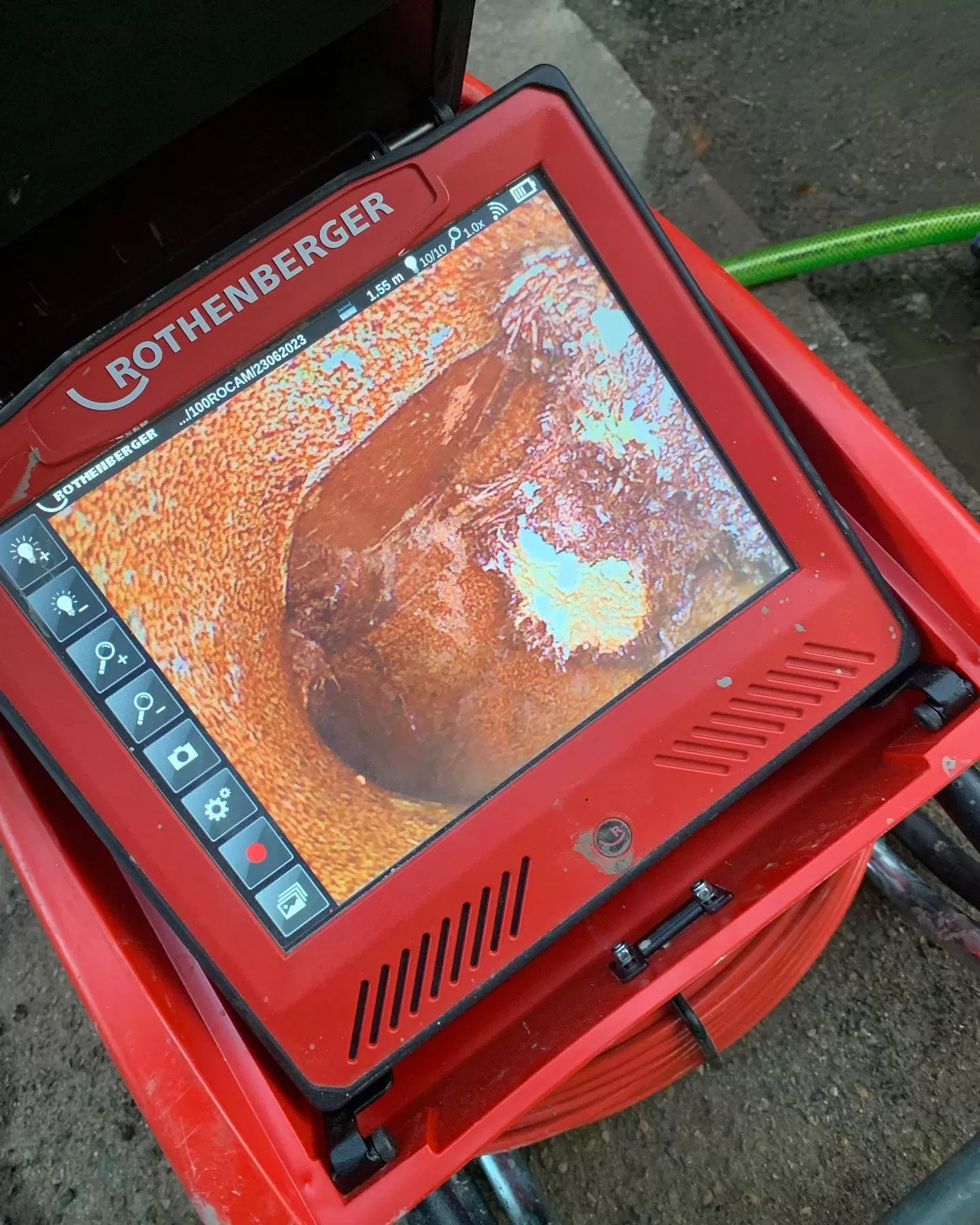
While DIY drain maintenance tips can provide a first line of defence for preventing drain blockages, regular drain inspections are your best bet for maintaining your drains in optimal condition. When it comes to your plumbing system, prevention is always better than cure, and that’s where Local Plumbing and Gas Co.’s CCTV drain inspection service comes in.
Our dedicated team of Gold Coast plumbers can identify potential issues before they escalate into major problems, saving you both time and money in the long run. We’re experts in detecting and addressing tree root intrusion, a common problem on the Gold Coast, and we’re well-versed in all types of drainage systems, including sewer drains and stormwater drains.
What Do These Inspections Entail, and How Often Should They Be Done?
During a CCTV drain inspection, our experienced plumbers thoroughly examine your entire drainage system. This includes checking for leaks, blockages, corrosion, and other potential issues that might not be visible to the untrained eye.
As for the frequency of these inspections, we recommend having them done at least once a year. However, more frequent inspections may be necessary if you’ve had previous issues with your drains or have large trees near your drainage lines.
Advanced Detection Techniques Used by Professionals
At Local Plumbing and Gas Co., we use modern tools and techniques to detect and prevent blockages. One of the most effective methods is camera inspection. By inserting a small camera into your drains, we can get a clear view of what’s going on inside your pipes. This allows us to identify issues early on and address them before they cause significant damage.
In addition to camera inspections, we also use hydrojetting to clear stubborn blockages and pipe-locating technology to identify the location of any issues accurately.
By entrusting your drain maintenance to us, you can rest easy knowing you’re in capable hands. Our team is committed to ensuring your drains are in top-notch condition, and we’re always ready to provide expert advice and prompt service.
Conclusion
Keeping your drains in good health is essential to avoid the inconvenience and expense of blocked drains and costly drain repairs. By understanding what should and shouldn’t go down your drains, investing in a quality drain guard, using natural cleaning methods like hot water flushing, and incorporating strategic landscaping, you can significantly reduce the risk of drain blockages.
But remember, even with the best DIY maintenance, there’s no substitute for professional inspections. Regular checks by our experts at Local Plumbing and Gas Co. can help identify potential issues before they escalate, thus saving you time, money, and stress in the long run.
It’s all about being proactive and making drain care a regular part of your home maintenance routine. This way, you’ll enjoy the peace of mind that comes from having a smoothly functioning plumbing system in your Gold Coast home.
And rest assured, if ever your preventive measures fall short, Local Plumbing and Gas Co. is always here, ready and equipped to assist with all your plumbing and blocked drain needs. We’re committed to providing reliable, efficient service and expert advice to keep your drains flowing freely.
So take the proactive route, look after your drains, and remember, we’re just a call away when you need us.