How To Fix Blocked Drains on the Gold Coast
A blocked drain can start as a slow sink, a gurgling shower drain or a toilet that does not clear properly. Sometimes, the issue is minor and easy to spot. Other times, it can point to a deeper blockage, tree root intrusion, damaged pipework or a sewer problem that needs a licensed plumber.
The safest first step is to work out whether the blockage is isolated to one fixture or affecting more than one drain. This guide explains what you can check safely, what to avoid, and when it is time to call Local Plumbing & Gas Co. for help with blocked drains on the Gold Coast.
First, Work Out How Serious The Blockage Is
The first thing to check is whether the blocked drain is affecting one fixture or several areas of the property. A slow basin or shower may be a local blockage near that fixture. If several drains are slow, water is backing up, or you can smell sewage, the issue may be deeper in the drainage system.
Use the signs below as a general guide. If the problem feels unsafe, messy or beyond a minor blockage, stop using the affected fixture and book professional help with blocked drains.
| What You Notice | What It May Mean | What To Do Next |
| One sink, basin or shower is draining slowly | A local blockage from hair, soap, grease or debris | Stop using the drain if water is backing up. You may be able to do a safe surface check. |
| A toilet is slow to clear or the water level rises | A toilet blockage or deeper drain issue | Do not keep flushing. If the water keeps rising, call a plumber. |
| Several drains are slow at the same time | A blockage further down the line | Avoid using the affected fixtures and call a plumber. |
| Water comes up through another drain | A deeper blockage or flow restriction | Stop using nearby fixtures and call a licensed plumber. |
| You notice sewage smells or wastewater | A possible sewer drainage issue | Keep people and pets away from the area and call a plumber. |
| Outdoor water is pooling near drains, pits or the house | A stormwater or drainage problem may be involved | Avoid digging or using pressure equipment. The cause needs to be checked on site. |
A minor blockage may sometimes be limited to one fixture. A serious blockage often affects more than one drain, creates overflow, or keeps coming back after a short-term attempt to clear it.
Safe First Checks For Minor Blocked Drains

If the blockage looks minor and only affects one fixture, there are a few low-risk checks you can make before calling a plumber. These checks are not a substitute for professional drain clearing, but they may help you understand whether the problem is simple or getting worse.
Safe first checks may include:
- Stop using the affected fixture: If water is backing up in a sink, shower, basin or toilet, stop using it and give the water time to settle.
- Check whether other drains are affected: If more than one drain is slow, the blockage may be deeper in the system and should be checked by a licensed plumber.
- Look for visible surface debris: If it is safe and clean to do so, check for hair, soap or debris sitting at the surface of a sink, basin or shower drain.
- Avoid repeated toilet flushing: If the toilet water rises or does not clear properly, do not keep flushing, as this can cause an overflow.
- Use a plunger carefully: A plunger may help with a minor local blockage, but stop if the water level rises, the fixture gurgles or the blockage does not shift quickly.
- Avoid chemical drain cleaners: They can be harsh on pipework, create splash or fume risks, and often do not solve deeper blockages.
If these basic checks do not help quickly, or the blockage comes back soon after, the safer option is to have the drain inspected and cleared properly.
What Not To Do With A Blocked Drain
It is natural to want a blocked drain sorted quickly, but some common shortcuts can make the problem worse. If a blockage is deeper in the line, force, chemicals or pressure can damage pipework, push the blockage further along, or create a bigger mess inside the home.
Avoid these blocked drain mistakes:
- Do not keep flushing a blocked toilet: If the water rises or drains slowly, repeated flushing can cause an overflow.
- Do not pour harsh chemicals into the drain: Chemical drain cleaners can damage older pipework, create splash or fume risks, and may not reach the real cause of the blockage.
- Do not force tools into the pipe: If a tool hits resistance, stop. Forcing it can scratch, crack or damage the pipe, especially in older drainage systems.
- Do not use pressure equipment in household drains: Pressure cleaners and drain attachments can cause damage if used incorrectly and should not be used to clear household drains yourself.
- Do not ignore sewage smells or wastewater: Sewage odours, toilet backups or wastewater overflow can create hygiene risks and should be checked by a licensed plumber.
- Do not keep using nearby fixtures: If water is backing up through another drain, using sinks, showers, baths or toilets can add more water to an already blocked system.
- Do not dig around outdoor drains: Pooling water, blocked pits or stormwater problems need proper diagnosis. Digging without knowing where pipes run can create more damage.
A blocked drain that does not clear quickly, smells bad, affects more than one fixture or keeps coming back should be treated as more than a simple surface blockage.
When To Stop And Call A Plumber
Some blocked drains are more than a minor nuisance. If the blockage affects several fixtures, involves sewage, causes water to back up, or keeps returning, it needs to be checked by a licensed plumber before it causes more damage.
Use the guide below to decide when to stop trying first checks and get professional help.
| Warning Sign | Why It Matters | What To Do |
| Several drains are slow at once | The blockage may be deeper in the drainage line | Stop using affected fixtures and call a plumber. |
| Water backs up into another drain | Wastewater may be unable to flow away properly | Avoid adding more water to the system. |
| The toilet water rises or overflows | Repeated flushing can quickly create a hygiene issue | Stop flushing and keep people away from overflow. |
| You can smell sewage | Sewer drainage may be involved | Avoid contact with wastewater and call a licensed plumber. |
| The overflow relief gully is discharging | Wastewater may be escaping outside the home | Keep children and pets away from the area. |
| The blockage keeps coming back | There may be tree roots, pipe damage or a deeper restriction | Book a drain inspection before it gets worse. |
| A tool hits resistance | The pipe or blockage may be damaged or compacted | Do not force it further into the drain. |
| Water is pooling near the house | Stormwater or drainage issues may be affecting the property | Have the cause checked before digging or using pressure equipment. |
| Vulnerable people may be exposed to wastewater | Sewage and contaminated water can create health risks | Keep the area clear and arrange professional help. |
If you are unsure, treat the blockage as something that needs professional attention. Our plumbers can inspect the line, clear the blockage where suitable, and explain what is causing the problem.
Why Blocked Drains Keep Coming Back
A blocked drain that keeps coming back is usually a sign that the real cause has not been found yet. A plunger or surface clean may give short-term relief, but deeper build-up, tree roots or damaged pipework can keep restricting the line.
Common reasons blocked drains return include:
- Grease and food build-up: Fats, oils and food scraps can stick to the inside of kitchen pipes and collect other debris.
- Hair and soap scum: Bathroom drains often slow down when hair, soap residue and product build-up collect inside the pipe.
- Wipes and sanitary products: Items that do not break down properly can lodge in the drain and create repeat blockages.
- Tree root intrusion: Roots can enter small cracks or joins in underground pipes and keep growing inside the drain.
- Damaged or collapsed pipes: Cracks, movement or collapsed sections can catch waste and stop water from flowing properly.
- Poor pipe fall or older drainage: If water cannot flow away at the right pace, debris can settle and build up over time.
- Storm debris: Leaves, soil, silt and garden debris can affect outdoor drains, pits and stormwater lines after heavy rain.
Recurring blockages need more than another quick attempt to clear the drain. A licensed plumber can check where the blockage is, work out why it keeps happening, and recommend the right next step based on the condition of the pipework.
How A Plumber Finds And Clears The Problem

When a blocked drain is deeper than a minor surface issue, the safest approach is to find the cause before choosing the fix. The right method depends on where the blockage is, what is causing it, and whether the pipework is in good condition.
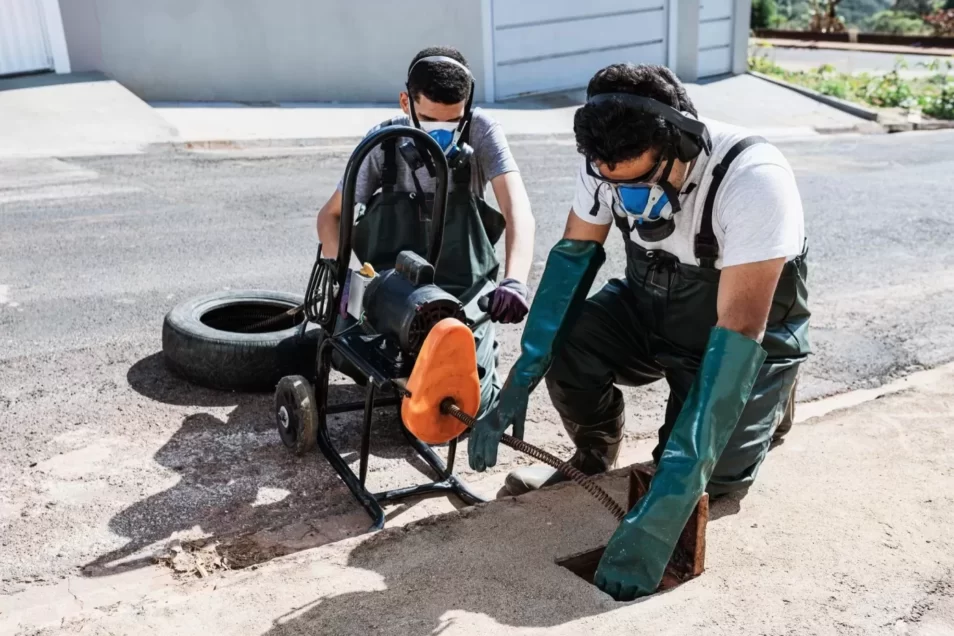
Our plumbers usually start by checking which fixtures are affected and how the water is behaving. This helps narrow down whether the blockage is likely near one fixture or further along the drainage line. From there, professional equipment may be used to inspect and clear the drain safely.
A CCTV drain inspection can be useful when the blockage keeps coming back, the cause is hidden, or there may be tree roots, cracks or damaged pipework inside the line. A small drain camera allows the plumber to see what is happening inside the pipe without guessing.
Where suitable, water jetting may be used to clear grease, debris, roots or build-up from the drain. This is professional equipment and needs to be matched to the pipe condition and blockage type. If the inspection shows damaged or collapsed pipework, clearing the blockage may only be a short-term step before drain repairs are needed.
The goal is not just to get the water moving again. It is to understand why the blockage happened, clear it safely where possible, and explain whether anything else needs attention.
What If The Drain Or Pipe Is Damaged?
Some blocked drains keep coming back because the pipe itself is damaged. Clearing the blockage may get water moving again for a while, but it will not solve the problem if the pipe is cracked, collapsed, badly misaligned or full of tree roots.
Pipe damage can create places where waste, grease, soil or debris catches inside the line. Over time, this can lead to repeat blockages, slow drainage, bad smells, soft ground outside, or water backing up through nearby fixtures.
Common drain damage issues include:
- Cracked pipes: Small cracks can let tree roots, soil or debris enter the drain.
- Collapsed sections: A collapsed pipe can stop wastewater or stormwater from flowing away properly.
- Tree root damage: Roots can grow through joins or cracks and keep returning after the drain is cleared.
- Pipe movement: Ground movement, age or poor installation can affect how the pipe drains.
- Worn or deteriorated pipework: Older pipe materials may be more likely to crack, shift or catch debris.
If damage is found during an inspection, our plumbers can explain whether clearing the blockage is enough or whether drain repairs may be needed. The right repair depends on what is found on site, the condition of the pipework and how serious the damage is.
How To Reduce The Risk Of Future Blocked Drains
You cannot prevent every blocked drain, especially when tree roots, ageing pipework or heavy rain are involved. You can, however, reduce the risk of avoidable blockages by being careful with what goes down your drains and paying attention to early warning signs.
Simple prevention habits include:
- Keep fats, oils and grease out of sinks: Let cooking fats cool, then place them in the bin instead of rinsing them down the kitchen sink.
- Use drain strainers: Strainers can help catch hair, food scraps and small debris before they enter the pipework.
- Avoid flushing wipes: Even wipes labelled as flushable can contribute to blockages because they do not break down like toilet paper.
- Clear visible outdoor grates safely: Leaves, soil and garden debris can build up around outdoor drains, especially after storms.
- Watch for repeat slow drainage: A drain that keeps slowing down may need inspection before it turns into a full blockage.
- Act early on bad smells or gurgling: Odours and gurgling sounds can be early signs that air or water is not moving through the drain properly.
- Book maintenance if problems repeat: Recurring drain issues are easier to manage when the cause is found early.
If a drain blocks again soon after being cleared, it is usually worth checking the pipe condition rather than waiting for another overflow. This is especially important for older Gold Coast homes, properties with large trees nearby, and homes that have had drainage problems before.
Frequently Asked Questions
Can I Fix A Blocked Drain Myself?
You may be able to do a few safe checks for a minor, localised blocked drain, such as checking for visible surface debris or using a plunger carefully. If water is backing up, several drains are affected, sewage is present, or the blockage keeps coming back, it is safer to call a licensed plumber.
Are Chemical Drain Cleaners Safe For Blocked Drains?
Chemical drain cleaners are not always safe for blocked drains. They can be harsh on older pipework, create splash or fume risks, and often fail to solve deeper blockages. If a drain does not clear quickly with safe first checks, the cause should be inspected properly.
When Is A Blocked Drain An Emergency?
A blocked drain can become urgent if sewage is overflowing, toilets will not drain, water is backing up inside the home, or several fixtures are affected at once. If there is wastewater, flooding risk or a hygiene concern, stop using the affected fixtures and arrange emergency plumbing help.
Why Does My Drain Keep Blocking Again?
A drain that keeps blocking again often has a deeper cause. Common reasons include grease build-up, tree roots, damaged pipework, poor pipe fall or debris lodged further down the line. Repeated blockages should be inspected so the cause can be found, not just temporarily cleared.
Do I Need A CCTV Drain Inspection?
A CCTV drain inspection can help when a blockage keeps returning, the cause is hidden, or tree roots or damaged pipework may be involved. It allows the plumber to see inside the drain and recommend the right next step based on what is actually happening in the pipe.
What Should I Do If My Toilet Is Overflowing?
If your toilet is overflowing, stop flushing straight away and keep children and pets away from the area. If there is an isolation tap beside the toilet and it is safe and obvious to turn off, you can do so. Then call a licensed plumber for help.
Need Help With A Blocked Drain That Keeps Coming Back?
If your blocked drain is persistent, overflowing, affecting more than one fixture or coming back after a short-term clear, it is time to have it checked properly. Repeated blockages usually have an underlying cause, and guessing can waste time or make the problem worse.
Local Plumbing & Gas Co. helps Gold Coast homeowners, property managers and businesses with safe, practical blocked drain services. Our plumbers can inspect the issue, clear the blockage where suitable, and explain whether tree roots, damaged pipework, build-up or another drainage problem is involved.
If you are dealing with slow drains, bad smells, water backing up or a blockage that will not stay clear, contact our local Gold Coast team for help from a licensed plumber.