Blocked Stormwater Pipes: Signs, Causes And Safe Next Steps
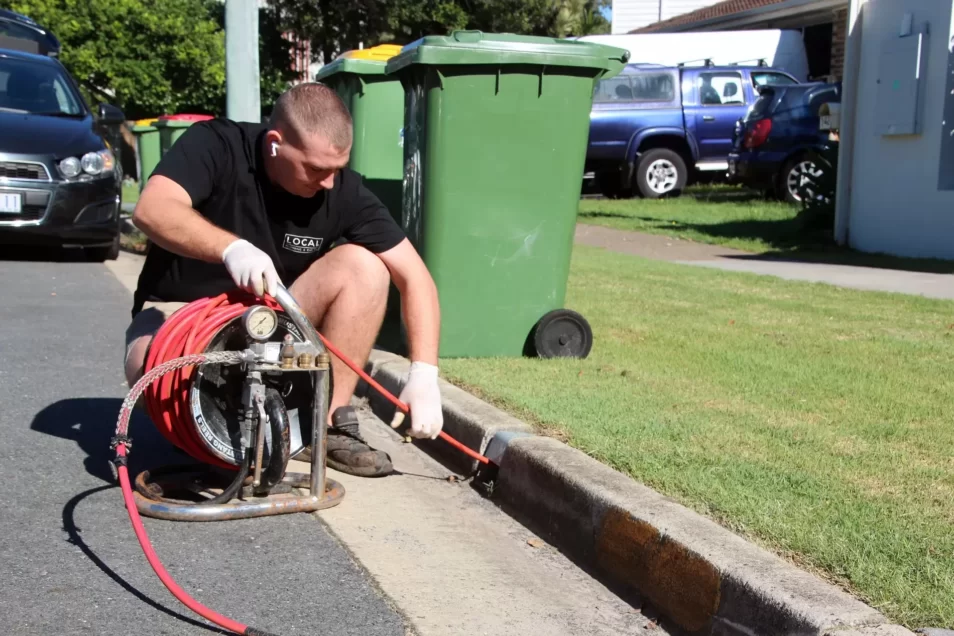
Blocked stormwater pipes can cause pooling water, overflowing pits, soggy lawns, downpipe overflow and flooding around your property. Some problems are caused by leaves or surface debris, but deeper stormwater blockages often involve silt, tree roots, damaged pipes, poor fall or a drainage system that is no longer coping.
Stormwater pipes are separate from sewer drains, so the signs and risks are different from a blocked toilet, sink, shower or sewer line. In this guide, we explain what blocked stormwater pipes are, how to recognise the warning signs, what you can check safely, and when it is time to call a licensed plumber.
What Are Stormwater Pipes?
Stormwater pipes carry rainwater away from your property. They usually collect runoff from roofs, gutters, downpipes, stormwater pits, driveways, paths and other hard surfaces, then direct that water to an approved discharge point.
They are different from sewer drains. Stormwater pipes should only carry rainwater, while sewer drains carry wastewater from toilets, showers, basins, kitchens and laundries.
This difference matters because the warning signs can point to different problems. If water is pooling in the yard, overflowing from an outdoor grate or backing up around a stormwater pit, the issue may be a blocked stormwater pipe. If toilets, sinks, showers or floor wastes are draining slowly, there may be a separate internal drain or sewer issue that needs to be checked.
Signs Your Stormwater Pipe May Be Blocked
A blocked stormwater pipe often shows up during or after heavy rain. The water may have nowhere to drain, so it starts backing up through pits, pooling across the yard or flowing back towards the house.
Common signs include:
- Water pooling in the yard long after rain has stopped
- Stormwater pits or outdoor grates overflowing
- Water backing up from a driveway drain, path drain or garden grate
- Downpipes overflowing even when gutters are reasonably clear
- Soggy lawn areas that stay wet or muddy
- Water flowing towards the house, garage, patio or paths
- Gurgling or bubbling around outdoor stormwater drains
- The same area flooding every time it rains
Below is an excellent example of a sign you might discover in your garden, signalling a blocked stormwater pipe. This photo was taken at a recent blocked stormwater job we attended in Pimpama earlier this year. In this case, the stormwater pipe was never connected to the street, so the stormwater had nowhere to go. After a quick street connection by the Local team, this homeowner could rest easy, knowing his stormwater would now safely drain away.
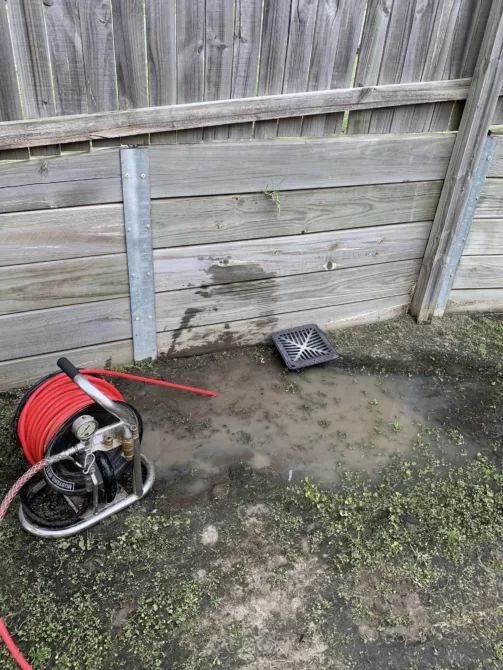
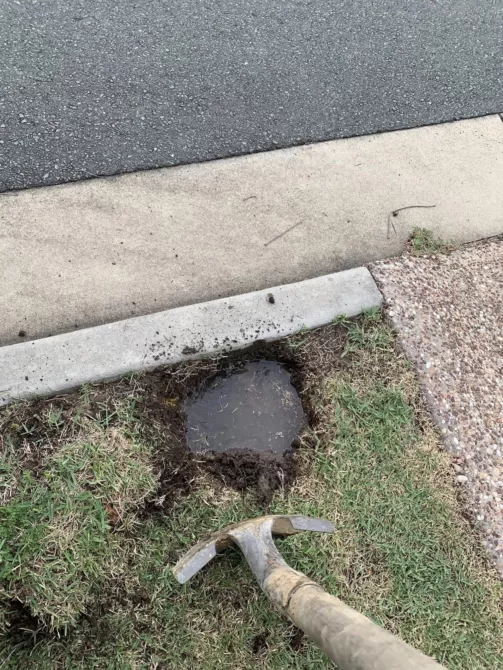
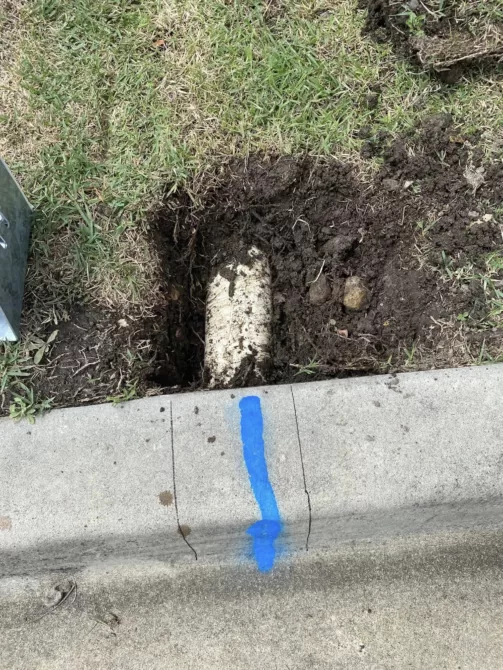
If water is backing up from an outdoor stormwater pit, grate or pipe, it may be an active blockage in the stormwater system. In that case, our blocked stormwater drains service is the most relevant next step.
If toilets, sinks, showers or internal floor wastes are also draining slowly, the problem may not be stormwater alone. It could involve an internal blocked drain or sewer issue, so it is worth getting the system checked before assuming the cause.
Blocked Stormwater Pipe Or Broader Stormwater Drainage Problem?
Not every stormwater issue is caused by a simple blockage. Sometimes water cannot get through an existing pipe because it is blocked. Other times, the drainage system may not be moving water away properly because of poor fall, damaged pipes, undersized drainage, ground movement or a connection issue.
This distinction matters because the right solution depends on what is actually happening on site.
| What You Notice | More Likely Issue | Best Next Step |
| Water backs up from a stormwater pit, grate or pipe during rain | Active blocked stormwater pipe | Book blocked stormwater drain help so the pipe can be checked and cleared properly |
| The same area floods even after visible debris is removed | Drainage capacity, fall or layout issue | Arrange an inspection for broader stormwater drainage solutions |
| Water pools near the house, garage, slab or retaining wall | Blocked outlet, poor drainage path or system overload | Get the issue checked before water damage or erosion gets worse |
| The ground stays wet, sinks or erodes around the drainage area | Possible damaged, disconnected or collapsed pipe | A plumber may need to inspect the pipe condition before repairs are recommended |
| Toilets, showers, sinks or floor wastes are also slow | Possible internal blocked drain or sewer issue | Call a plumber for diagnosis rather than treating it as stormwater only |
As a general rule, an active blockage usually means water cannot pass through an existing stormwater pipe or pit. A broader stormwater drainage problem usually means the property needs better drainage performance, repair work or system changes to move water away safely. For recurring drainage performance issues, our stormwater drainage service may be the better fit.
Common Causes Of Blocked Stormwater Pipes
Blocked stormwater pipes can happen for several reasons, especially around homes with established gardens, heavy leaf fall or older underground drainage. The cause is not always visible from the surface, which is why repeat blockages should be checked properly.
Common causes include:
- Leaves and garden debris: Leaves, mulch, twigs and grass clippings can wash into grates, pits and pipes during rain.
- Sediment, silt and sand: Fine material can build up inside stormwater pipes over time and reduce how much water can flow through.
- Tree roots: Roots can enter small cracks or pipe joints in search of moisture, then grow inside the pipe and trap more debris.
- Damaged or collapsed pipes: Cracked, crushed or collapsed stormwater pipes can slow water flow and cause recurring backups.
- Poor pipe fall: If a pipe does not have enough fall, water and sediment may sit inside the line instead of draining away.
- Disconnected or poorly installed pipes: Stormwater may pool or overflow if a pipe is not connected properly or does not discharge where it should.
- Blocked outlets or pits: Even if the pipe itself is clear, a blocked pit, grate or outlet can stop stormwater from moving away.
A one-off blockage may be caused by surface debris after heavy rain. If the same area keeps flooding, or water keeps backing up from the same stormwater pit, the cause may be deeper in the pipe or related to the drainage design.
Safe First Checks For Homeowners
A few simple checks may help you understand what is happening, but they should stay low risk. Stormwater pipes can be deep, damaged, full of silt or connected to pits and outlets that are not safe to access without the right equipment.
If it is safe to do so, you can:
- Check whether visible leaves or debris are sitting on top of an outdoor grate
- Clear loose surface debris from a grate or pit cover without putting your hands inside
- Keep children and pets away from pooled or stagnant water
- Note where the water pools, how long it takes to drain and whether it happens after every rainfall
- Take photos or videos of the issue to show your plumber
- Avoid using the affected area if water is flowing towards the house, garage or electrical equipment
Do not enter stormwater pits, dismantle pipes, push tools into underground drains, use pressure equipment, climb onto the roof or flush chemicals into stormwater drains. These actions can damage pipes, worsen the blockage or create safety risks.
Safe first checks may help with minor surface debris, but they will not clear tree roots, compacted silt, broken pipes, collapsed drains or recurring stormwater problems.
Stop And Call A Plumber If You Notice These Signs
Stormwater problems can escalate quickly during heavy rain. If water is moving towards the house, backing up repeatedly or affecting more than one part of the property, it is safer to stop checking and call a licensed plumber.
Call a plumber if you notice:
- Water pooling near the house, garage, slab, retaining wall or foundations
- Stormwater backing up from the same pit, grate or pipe every time it rains
- Water entering the home, garage, subfloor or outdoor living area
- The ground staying wet, sinking, washing away or eroding around a drain
- A stormwater pit overflowing even after visible surface debris is cleared
- Gurgling, bubbling or water movement from an outdoor stormwater drain
- Signs of tree roots, cracked pipes, collapsed drains or ground movement
- A strong smell, sewage concern or slow indoor drains at the same time
- The problem affecting a rental property, strata property or commercial site
- You are unsure whether the issue is stormwater, sewer, roof plumbing or another drainage problem
If the issue is an active blockage, a licensed plumber can check the stormwater line and clear it with the right equipment. If the problem keeps coming back, the pipe may need further inspection before the right repair or drainage option can be recommended.
How A Plumber Checks Blocked Stormwater Pipes
A blocked stormwater pipe is not always easy to diagnose from the surface. Water may be backing up in one area, but the actual problem could be further along the pipe, inside a pit, near a tree root entry point or at the outlet.
A plumber will usually start by checking the visible parts of the stormwater system, including pits, grates, downpipes, outlets and areas where water is pooling. From there, they may recommend a CCTV drain inspection to look inside the pipe and confirm what is causing the problem.
This can help identify issues such as:
- Silt, sand or debris built up inside the pipe
- Tree roots growing through pipe joints or cracks
- Cracked, crushed or collapsed stormwater pipes
- Pipes with poor fall or sections holding water
- Disconnected pipes or outlets
- Blocked pits, grates or junctions
Once the cause is confirmed, the plumber can explain whether the issue is likely to need clearing, maintenance, drain repairs or broader drainage work. This matters because clearing a blockage may solve a one-off issue, but it will not fix a broken pipe, poor pipe fall or an undersized drainage system.
Preventing Stormwater Blockages
Stormwater blockages are not always avoidable, especially during heavy rain, but regular checks can reduce the chance of debris building up unnoticed. The aim is to keep water moving away from the property before small issues turn into repeat flooding.
Practical prevention steps include:
- Keep visible stormwater grates and pit covers clear of leaves, mulch and garden debris
- Trim plants where leaf litter regularly washes towards outdoor drains
- Check low points around driveways, paths and lawns after heavy rain
- Watch for areas that stay wet long after the rest of the yard has dried
- Arrange a plumbing inspection if the same pit, grate or drain keeps overflowing
- Keep gutters and downpipes maintained by a suitable tradesperson where roof access is needed
- Avoid washing soil, sand, concrete slurry, paint or building waste into stormwater drains
It is also worth checking stormwater drainage before storm season if your property has a history of flooding, soggy lawn areas or overflowing pits. Regular maintenance can help with surface debris, but recurring stormwater problems often need proper diagnosis.
Environmental Impact And Stormwater Responsibility
Blocked stormwater pipes can create more than a drainage problem on your own property. When water cannot move away properly, it may contribute to local flooding, erosion, soggy ground, sediment movement and polluted runoff.
Stormwater can pick up soil, litter, oils, fertilisers, garden debris and other contaminants as it moves across roofs, driveways, paths and landscaped areas. If that runoff enters local waterways, it can affect water quality. The City of Gold Coast explains that stormwater runoff from individual sites must be directed to a lawful discharge point, and its stormwater management guidance notes that landholders and developers are legally responsible for managing stormwater.
That does not mean every blocked stormwater pipe is a legal issue. It does mean stormwater problems should be taken seriously, especially if water is leaving your property in a way that may affect neighbouring properties, public areas or local waterways.
If you are unsure about stormwater responsibility for your property, check the current City of Gold Coast guidance or speak with the relevant authority. For plumbing and drainage concerns on your property, a licensed plumber can inspect the issue and explain what may need to happen next.
Need Help With A Blocked Stormwater Pipe?
If water is pooling, backing up from an outdoor drain or flooding the same area every time it rains, it is worth getting the problem checked before it causes more damage. A blocked stormwater pipe may need professional clearing, but recurring issues can also point to pipe damage, poor fall or a drainage system that needs repair or improvement.
Local Plumbing & Gas Co. can help with blocked stormwater pipes, stormwater pit issues, outdoor drain backups and recurring drainage problems across the Gold Coast. We can inspect the issue, explain what is happening and recommend the right next step based on what we find on site.
For active blockages, book help through our blocked stormwater drains service. If the issue looks like poor drainage design, repeated pooling, water moving towards the home or a system that needs repair or upgrading, our stormwater drainage service may be the better place to start.