Common Causes Of Blocked Stormwater Drains On The Gold Coast
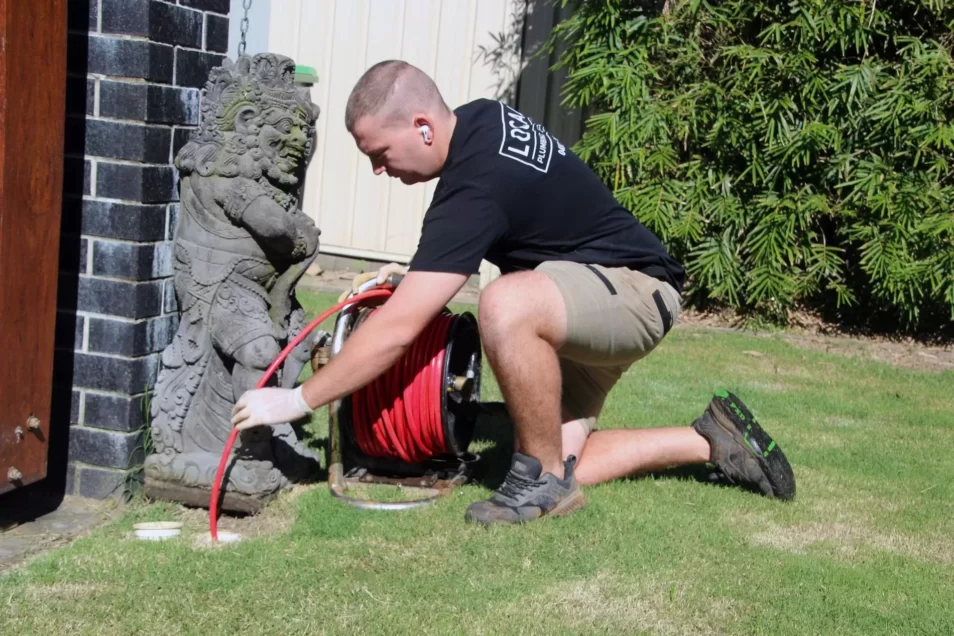
Blocked stormwater drains are usually caused by leaves, soil, sand, tree roots, litter, construction debris or drainage system issues that stop rainwater moving away properly. On the Gold Coast, heavy rain, coastal sediment, mature gardens and older drainage layouts can all make these problems worse.
This article focuses on why stormwater drains block, not how to clear them yourself. For a closer look at warning signs, prevention and safe next steps, see our Comprehensive Guide to Blocked Stormwater Pipes.
Why Stormwater Drains Block On The Gold Coast
Stormwater drains block when rainwater carries more material into the system than the pipes, pits and grates can move away. This can include leaves, mulch, soil, sand, tree roots, litter and loose sediment washed across driveways, gardens, roofs and paved areas.
A drain that seems fine in dry weather can quickly struggle once stormwater starts moving debris through the system. Coastal properties may deal with sand and silt, while established suburbs can have older pipes, mature trees and stormwater layouts that no longer suit the amount of runoff around the property.
The cause matters because a surface blockage is different from a pipe affected by roots, cracked sections or poor system capacity. If the issue is more than a one-off surface build-up, the drain may need to be inspected before the right repair or clearing method can be recommended.
Heavy Rain, Runoff And Storm Debris
Heavy rain is one of the most common reasons stormwater drains block on the Gold Coast. During a downpour, rainwater can carry leaves, twigs, mulch, soil, roof debris, garden waste and sediment from around the property into drains and pits.
This is why stormwater problems often appear suddenly during storms. A pipe or pit may already have some build-up inside it, then the extra runoff pushes more debris into the same area. Once the opening narrows, water can back up through the pit, spread across paved areas or pool near lawns, gardens and low points.
Heavy rain can also show the difference between a blockage and a capacity issue. If one pit or pipe overflows because debris has collected in it, that may point to an active blockage. If water regularly pools even when the drains are clear, the property may have a grading, capacity or drainage layout problem.
Tree Roots And Garden Vegetation
Tree roots are another common cause of blocked stormwater drains, especially around established Gold Coast homes with mature gardens. Roots naturally search for moisture, and even a small crack, joint or weakness in a stormwater pipe can give them a way in.
Once roots enter the pipe, they can catch leaves, soil and other debris as stormwater passes through. Over time, that build-up can slow water flow, cause repeated blockages or put extra pressure on already damaged pipework.
Garden vegetation can also cause problems above ground. Leaves, palm fronds, mulch and grass clippings can wash into grates, pits and drains during rain. If roots or hidden blockages are suspected, a CCTV drain inspection can help confirm whether roots, pipe damage or another hidden cause is contributing to the problem.
Leaves, Mulch And Organic Matter
Leaves, mulch and other organic matter can block stormwater drains before the problem reaches the pipe itself. These materials often collect around grates, pits, driveway drains and low points in the yard, especially after wind, garden work or heavy rain.
This type of build-up is common on properties with large trees, dense gardens or landscaped areas close to stormwater entry points. Palm fronds, small branches, bark chips, grass clippings and loose garden waste can all restrict the opening.
Organic matter can also break down inside pits and pipes. Over time, it may combine with soil, sand and silt to create a heavier sludge that stormwater cannot easily carry away. If the same drain keeps blocking, there may be build-up deeper in the line.
Sand, Silt And Coastal Sediment
Sand, silt and fine sediment can gradually build up inside stormwater drains, especially in coastal areas or properties with exposed soil, sloping ground or disturbed landscaping. On the Gold Coast, this often becomes more noticeable after heavy rain because runoff can wash loose material into pits, grates and underground pipes.
Unlike leaves or surface debris, sediment does not always create an obvious blockage straight away. It can settle in low points, pipe bends or stormwater pits, slowly reducing the space available for water to move through.
Sediment can also point to a bigger drainage issue. If soil or sand keeps washing into the same drain, there may be erosion, poor surface grading or runoff moving through the property in a way the existing system cannot manage.
Litter And Waste In Stormwater Drains
Litter and waste can block stormwater drains when loose rubbish is washed from streets, driveways, yards and outdoor areas into pits and grates. Plastic wrappers, food packaging, cigarette butts, drink containers and other small items can collect at entry points or move deeper into the stormwater line.
The problem is often worse after heavy rain because fast-moving runoff can carry waste into the drainage system quickly. Once litter catches on leaves, sticks or sediment, it can form a tighter blockage that slows water flow and causes pits to overflow.
This is different from a sewer blockage. Stormwater drains are designed to move rainwater away from the property, not household wastewater. If rubbish, garden waste or loose material keeps entering the system, flooding around paved areas, garages, gardens or low points becomes more likely during storms.
Construction Debris And Soil Runoff
Construction work, renovations and landscaping can all contribute to blocked stormwater drains when loose material is allowed to wash into the drainage system. Soil, sand, gravel, concrete dust, broken tile, building offcuts and other debris can move into pits and pipes during rain.
This can happen during major building work, but it can also happen during smaller projects around the home. New paving, retaining walls, garden beds, driveways and pool areas can change how water moves across the property.
Construction debris can be heavier and more abrasive than normal garden waste. It may settle inside pits, collect in pipe bends or combine with leaves and silt to form a dense blockage. Where a blockage may involve cracked, crushed or damaged pipework, drain repairs may be needed after the cause has been confirmed.
Ageing, Damaged Or Undersized Stormwater Systems
Sometimes the cause is not just material inside the drain. The stormwater system itself may be ageing, damaged or too limited for the amount of water now moving across the property.
Older stormwater pipes can shift, crack, sag or separate at joints over time. Once this happens, soil, roots and sediment may enter the line and create repeated blockages. A damaged section can also reduce water flow, even if the rest of the pipe is clear.
Undersized or poorly placed stormwater systems can create similar problems. A property may have more hard surfaces than it used to, such as extensions, patios, driveways, sheds or paved outdoor areas. These surfaces can increase runoff because water cannot soak into the ground as easily.
This is where it is important to separate an active blockage from a broader drainage problem. If water regularly pools even after the drains have been cleared, the property may need drainage repairs, upgrades or redesign through our stormwater drainage service.
What Different Stormwater Causes Usually Point To
The cause of a stormwater blockage can give a useful clue about what needs to happen next. Some causes point to an active blockage that needs clearing. Others suggest a deeper pipe problem, poor drainage layout or a system that can no longer keep up with the runoff around the property.
| Stormwater Cause | What It Often Points To | Best Next Step |
| Leaves, mulch or garden debris around a grate or pit | Surface-level restriction or active blockage at the entry point | Keep people away from pooled water and arrange stormwater blockage help if water is backing up |
| Tree roots in the stormwater line | Root intrusion, damaged joints or cracked pipework | Book a CCTV drain inspection to confirm the cause before repair work is planned |
| Heavy rain causing one pit to overflow | Debris build-up or a localised blockage in that pit or pipe | Arrange help for an active stormwater blockage if water cannot drain away |
| Heavy rain causing repeated pooling across the same area | Poor grading, undersized drainage or a broader stormwater system issue | Have the drainage layout assessed |
| Sand, silt or sediment build-up | Coastal sediment, erosion, soil runoff or low points in the pipe | Have the affected area checked if sediment build-up keeps returning |
| Construction debris or changed runoff paths | Building waste, soil movement or altered surface drainage | Have the pipe checked if debris or changed runoff appears to be causing repeated blockages |
| Cracked, crushed or sagging pipework | Drain damage rather than a simple blockage | Confirm the damage and consider drain repairs if the pipe condition requires it |
This is why recurring stormwater problems should not be treated as guesswork. Clearing the visible build-up may help with a minor surface issue, but it will not solve root intrusion, damaged pipework, poor grading or an undersized system. The cause needs to be checked on site so the next step matches the actual problem.
When A Stormwater Drain Cause Needs A Plumber
A stormwater drain problem needs a plumber when water is backing up, flooding the same area repeatedly or showing signs of a deeper blockage, damaged pipe or drainage capacity issue. Surface debris may be easy to see, but the cause is not always visible from above ground.
Call a plumber if you notice:
- Water backing up from a stormwater pit, grate or outdoor drain
- Pooling water near the house, garage, retaining wall or foundations
- The same section of yard, driveway or paved area flooding every time it rains
- Gurgling, slow-flowing or overflowing stormwater drains
- Stormwater entering under-house areas, garages or commercial spaces
- Soil erosion, sinking ground or water cutting channels through the yard
- Suspected tree roots, cracked pipes or collapsed sections
- A blockage that returns after the surface has been cleared
- Floodwater near electrical points, appliances or switchboards
These signs usually mean the issue needs more than guesswork. A plumber can check whether the problem is an active blockage, a damaged drain or a wider stormwater drainage issue.
Know What Is Blocking Your Stormwater Drain
Blocked stormwater drains are usually caused by debris, sediment, tree roots, garden waste, litter or construction material. In some cases, the real issue is not the blockage itself, but damaged pipework, poor surface grading or a stormwater system that cannot handle the runoff around the property.
The safest next step depends on what is causing the problem. A one-off surface restriction is very different from a stormwater drain that keeps backing up every time it rains. Repeated pooling, overflowing pits, erosion, root intrusion or suspected pipe damage should be checked before the problem causes more water damage around your home or business.
If you are dealing with an active blockage, overflowing stormwater pit or water backing up around your property, Local Plumbing & Gas Co. can help with blocked stormwater drain clearing across the Gold Coast. If the issue points to poor drainage layout, recurring flooding, erosion or system capacity problems, we can assess the cause and advise on the right next step.