What To Do Before A Plumber Arrives For A Burst Pipe
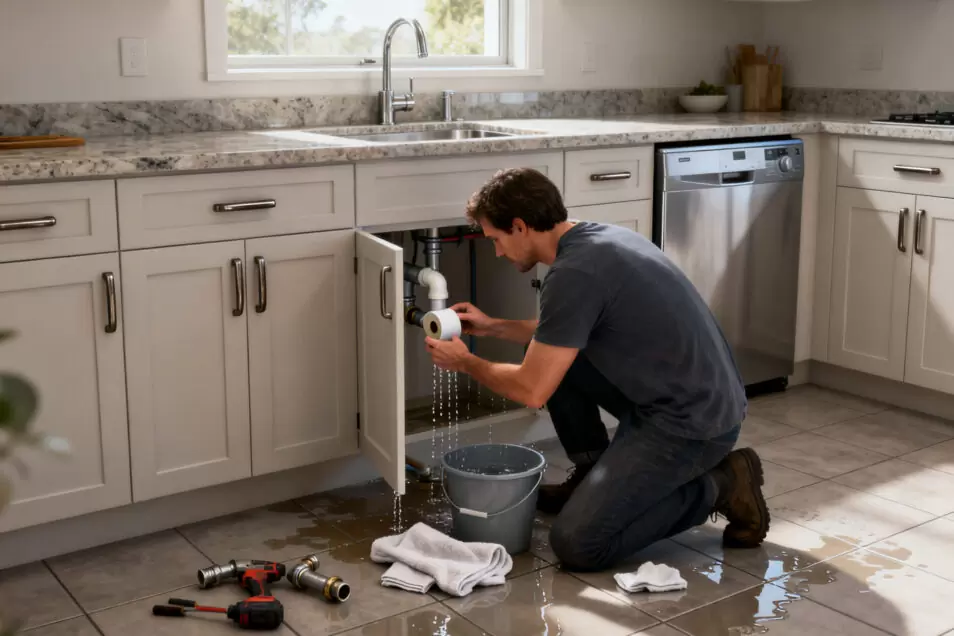
A burst pipe can be stressful, especially when water is spreading through a kitchen, bathroom, laundry, ceiling or wall cavity. The safest first step is to stop the water if you can do so safely, keep away from electrical risks and call a licensed plumber.
If you are looking for a temporary burst pipe fix, the safest approach is to treat it as damage control until a licensed plumber can inspect and repair the pipe properly. These steps are not a permanent repair and they are not a substitute for licensed burst pipe repairs.
On the Gold Coast, burst pipe situations often involve flexi hoses, bathroom and kitchen pipework, ceiling leaks, hidden water leaks or underground water lines. Knowing what to do in the first few minutes can help reduce water damage and keep the area safer.
If water is still running, flooding is spreading or you cannot isolate the supply, call Local Plumbing & Gas Co. for urgent burst pipe repairs on the Gold Coast.
Quick Steps Before A Plumber Arrives
| Step | Why It Matters | Safety Note |
| Turn off the water if safe | Stops more water feeding the burst pipe | Do not force stuck valves or reach through flowing water |
| Stay clear of electrical risks | Water near electricity can be dangerous | Do not touch wet switches, plugs or appliances |
| Move belongings away | Reduces damage to furniture, rugs and valuables | Only move items if the area is safe |
| Limit water spread | Towels, buckets or containers can help slow damage | Do not pull apart walls, floors or cabinets |
| Take photos | Helps keep a record for your insurer or property manager | Do this only when safe |
| Call a licensed plumber | Temporary steps are not permanent repairs | Call urgently if water is spreading or cannot be isolated |
First, Turn Off The Water If It Is Safe
If a pipe bursts, stopping the water is the most important first step. If you can access the mains water shutoff safely, turn it off to stop more water feeding the burst pipe.
For some fixtures, such as sinks, basins, toilets or appliances, there may be a nearby isolation valve. Use it only if it is obvious, easy to reach and safe to turn. Do not force a stuck valve or reach through flowing water to access one.
After the water is turned off, some water may continue to drain from the pipework for a short time. That does not always mean the shutoff has failed. If water keeps running heavily, or you cannot find or safely access the shutoff, call a licensed plumber for urgent help.
Keep Away From Electrical Risks
Water and electricity are a serious safety risk. If water is near power points, appliances, light fittings, extension leads or the switchboard, keep people away from the area.
Do not touch wet switches, plugs, appliances or electrical fittings. Do not stand in water while trying to turn anything on or off. If the switchboard is dry and safe to access, you may be able to turn off power to the affected area. If there is any doubt, stay clear and call for help.
If there is an immediate danger, such as water around live electrical equipment, sparking, smoke or a strong burning smell, call emergency services.
Move Belongings And Limit Water Spread
Once people are safe and the water has been isolated where possible, focus on reducing damage. Move rugs, furniture, boxes, electrical items and valuables away from the wet area if you can do so safely.
Use towels, buckets or containers to slow the spread of water where practical. If water is dripping from a ceiling, place a bucket underneath and keep clear of any sagging plaster, light fittings or ceiling materials.
Do not pull apart cabinets, walls, floors or pipework to find the leak. Water can travel through hidden spaces before appearing in another area, so the visible wet patch may not be the actual source. A licensed plumber can inspect the problem and work out where the water is coming from.
Take Photos Before You Clean Up
If it is safe, take photos before you start cleaning up. This can help you keep a clear record of what happened, especially if you need to speak with your insurer, landlord, property manager or body corporate.
Try to capture:
- the area where water first appeared
- any visible burst pipe, flexi hose, fitting or leak source
- wet flooring, walls, ceilings, cabinetry or belongings
- water pooling inside or outside the property
- any steps you took to reduce damage, such as turning off the water
Some insurance policies may cover sudden and accidental water damage, but every policy is different. Contact your insurer for policy-specific advice and keep any plumber documentation or repair invoice for your records.
What Type Of Burst Pipe Are You Dealing With?
A burst pipe can look different depending on where the failure has happened. Sometimes the source is obvious, such as water spraying from under a sink. Other times, the first sign may be a damp wall, ceiling stain, wet patch outside or water meter that keeps moving.
| What You Notice | What It Could Mean | Safer Next Step |
| Water under a sink, basin or vanity | A flexi hose, fitting or supply line may have failed | Turn off the nearby isolation valve if safe, or turn off the mains water |
| Water coming through a ceiling | A pipe, fitting or fixture above may be leaking | Keep away from electrical fittings and call a licensed plumber |
| Wet wall, skirting or flooring | Water may be travelling from a hidden pipe or wall cavity | Do not open the wall or floor yourself |
| Damp ground or pooling water outside | An underground water line may be leaking | Avoid digging and arrange professional inspection |
| Water meter moving when taps are off | There may be an active hidden leak or burst pipe | Turn off fixtures and call a plumber if the meter keeps moving |
| Burst flexi hose | A pressurised hose may have split or disconnected | Isolate the water if safe and call a licensed plumber |
| Small visible leak on accessible pipework | A pipe joint, fitting or pipe section may have failed | Treat it as temporary damage control only and arrange proper repair |
These signs can help you describe the problem when you call for help, but they do not confirm the exact cause. A plumber needs to inspect the pipework before the right repair can be confirmed.
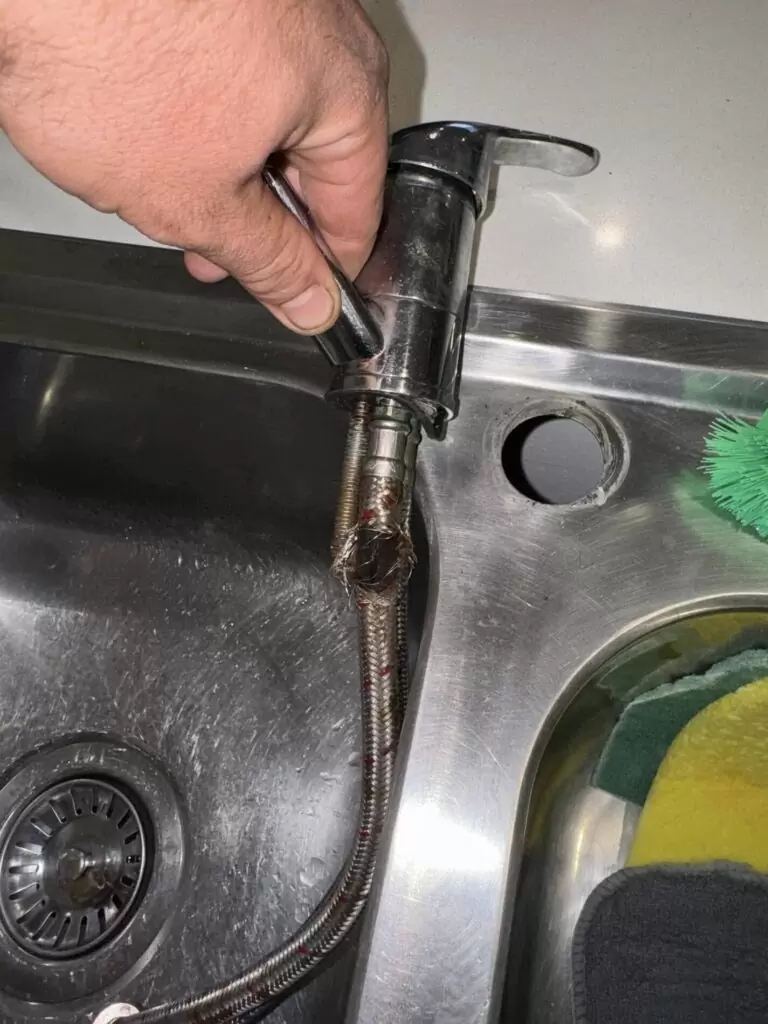
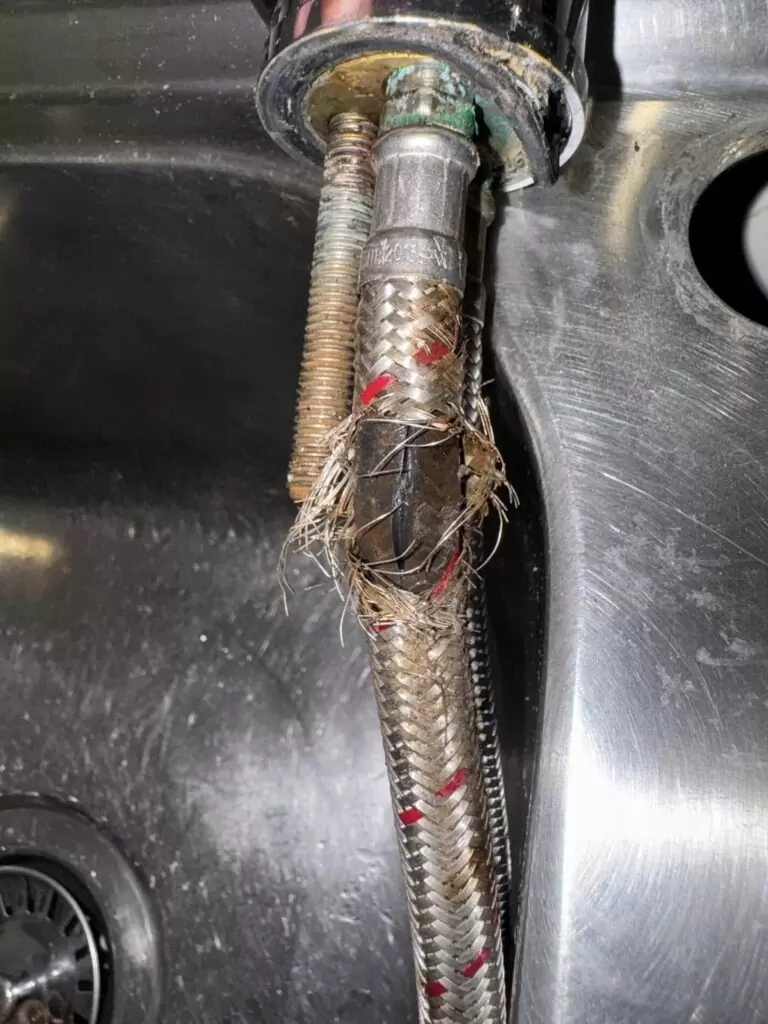
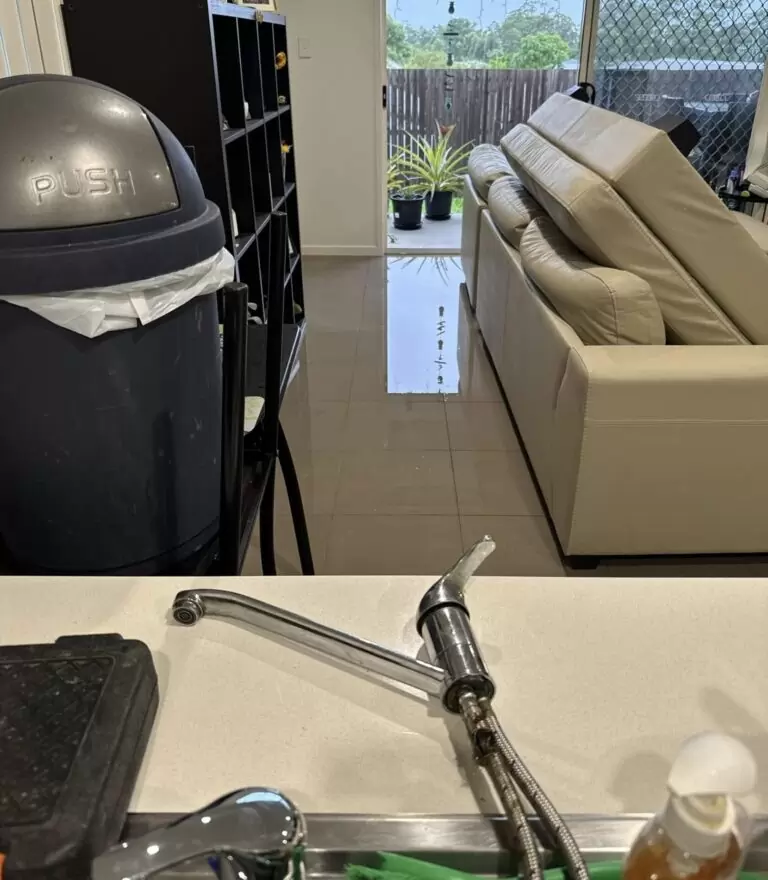
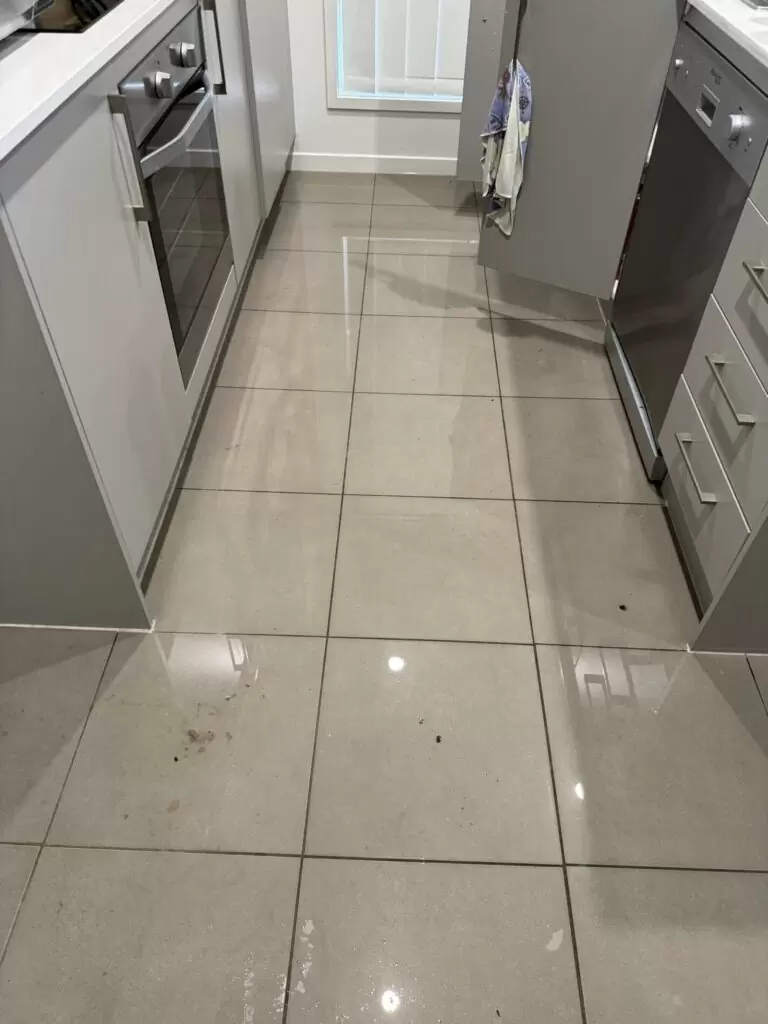
Real burst flexi hose failure under a kitchen sink in a Pimpama home on the Gold Coast. The braided water supply line split without warning, allowing water to flood the kitchen and living area. If this happens, turn off the isolation valve or mains water if safe and call a licensed plumber.
When Not To Attempt A Temporary Measure
Some burst pipe situations are not suitable for any temporary measure. If there is a safety risk, hidden leak or major pipe failure, the safest step is to isolate the water if you can and call a licensed plumber.
| Situation | Why It Is Risky | Safer Next Step |
| Burst flexi hose | It is connected to the pressurised water supply and can release water quickly | Turn off the isolation valve or mains water if safe |
| Full pipe rupture | Water may keep escaping under pressure | Keep clear, isolate the supply and call a plumber |
| Water near electricity | There may be a serious electrical risk | Stay away from the area and call for help |
| Ceiling leak | Water may be near light fittings, insulation or sagging plaster | Keep people clear of the area |
| Hidden wall leak | The visible wet patch may not be the source | Avoid opening the wall yourself |
| Underground burst pipe | Digging may cause more damage or create safety risks | Arrange professional inspection |
| In-slab leak | The pipe is concealed and may need specialist detection | Do not break into concrete yourself |
| Sewage or contaminated water | There may be health risks | Avoid contact and call a licensed plumber |
| Rental or managed property | Repairs may need landlord, property manager or body corporate approval | Report the issue and arrange licensed plumbing help |
Hidden, underground and in-slab leaks may need professional water leak detection before the right repair can be confirmed.
If you are unsure what has failed, treat the situation as urgent. A temporary measure should never put you at risk or delay proper burst pipe repairs.
What About Tape, Clamps Or Pipe Repair Products?
Pipe tape, clamps, epoxy putty and similar products are sometimes promoted as temporary burst pipe fixes. In some minor situations, a product may slow a very small, accessible leak for a short time, but it should never be treated as a proper burst pipe repair.
These products are not suitable for every pipe, leak or property. They are not a safe option for burst flexi hoses, full pipe ruptures, in-wall leaks, ceiling leaks, underground leaks, in-slab leaks or water near electricity.
A temporary product also does not fix the cause of the pipe failure. The pipe may still be weakened, corroded, under pressure or damaged in another section. Even if the water appears to slow, the pipe still needs to be inspected and repaired by a licensed plumber.
Treat tape, clamps and similar products as damage-control measures only. Do not rely on them as a permanent repair, and do not delay calling a plumber if water is spreading or the leak cannot be isolated safely.
Why A Temporary Measure Is Not A Repair
A temporary burst pipe fix is only meant to reduce water damage until a licensed plumber can inspect the problem. It does not confirm why the pipe failed, whether the surrounding pipework is sound, or whether the leak will start again.
The visible leak may only be part of the issue. Burst pipes can be linked to high water pressure, corrosion, pipe movement, a failed fitting, an ageing flexi hose or damage in a hidden section of pipework.
A plumber can check the damaged area, assess the condition of the pipe and explain whether the section can be repaired or needs replacement. If the leak is hidden, underground or difficult to access, further checks may be needed before the right repair can be confirmed.
For a broader explanation of causes, warning signs, repair options and cost factors, read our burst pipe repair guide.
When To Call A Licensed Plumber
Call a licensed plumber if water is spreading, the pipe cannot be isolated, or you are unsure what has failed. A burst pipe can cause damage quickly, and temporary measures should not delay proper repair.
You should call for professional help if:
- water keeps running after you have tried to turn it off
- water is near power points, appliances, light fittings or the switchboard
- a flexi hose has burst under a sink, basin, toilet or appliance
- water is coming through a ceiling
- a wall, floor or cabinet is wet and the source is not visible
- there is damp ground, pooling water or a suspected underground leak
- the damaged pipe has been patched before
- the property is a rental, managed property, body corporate site or business
- you are not sure whether the water has been isolated properly
Local Plumbing & Gas Co. provides burst pipe repairs across the Gold Coast. If the situation is urgent, our 24/7 emergency plumber can help inspect the issue and explain the safest next step.
Frequently Asked Questions
Need Help With A Burst Pipe On The Gold Coast?
If a pipe has burst, focus on safety first. Turn off the water if it is safe, keep away from electrical risks and avoid trying to carry out a permanent repair yourself.
Local Plumbing & Gas Co. can help with urgent burst pipe repairs across the Gold Coast, including burst flexi hoses, visible pipe failures, hidden leaks and underground water leaks. Our licensed plumbers can inspect the issue, explain what has happened and carry out the right repair for the pipe, location and condition.
If water is spreading or you cannot isolate the supply, call Local Plumbing & Gas Co. on 1800 562 251 or book burst pipe repairs on the Gold Coast.